|
Index
Read More
|
|
A B C D E F G H I J K L M N O P Q R S T U V W X Y Z
A
Afghanistan
Africa / Congo
Arab World - Arab
Spring
Archeology
Armenia
Artificial Intelligence – Cybersecurity -
Cryptocurrency
Asia and Cold War
Asia’s WWII
Australia
B
Brazil
Buddhism
C
Celts
China
China
- Movie Industry
China
- Taiwan - Hong Kong
China
/ US - South-East Asia
China
- Oceanic Powers
China Xi
Jinping
Chinese
Hegemony
Climate
Change
Cold War
Colonianism
D
Dalai Lama
E
East Asia
Economy,
see World - World Economy
Egypt
Empires
Enlightenment
EU - Europe
Europe
Extremism
F
Fascism,
see Second World War
First World
War, see also WWI
G
Gaza
Globalization
Global Jihad
Greater Han-Han Zhou Dynasty
H
Haiti
Hamas
Hawaii
Hitler,
see Second World War
Human Origins - Humanity
Houthis
I
Illiberal Democracy
India
International
Relations
International Systems
Iran
Iranian-Palestinian
Iraq
Islam
Israel
And Hamas
Israel
In Gaza
Israel - Palestine - Jerusalem
J
Japan
K
Kurds
L
Latinoamerica, see also South
America
M
Middle East
Moscow To
China
Myanmar - Rohingya Crisis
N
Napoleon
NATO
North
Korea
Nuclear
Peril
O
Oman
P
Pacific War
Pakistan
Palestine: see Israel – Palestine – Jerusalem
Political Qigong
Psychology - Psychiatry
Putin
Q
Qatar
R
Russia - Central Asia
Russia - Putin
Russia - Tsar
S
Second World War, see also WWII
Slavery North America
South America
South Asia
Spy
Agencies - Secret Intelligence Services
Syria Crisis – Lebanon, Yemen
T
Taiwan
Taiwan Conundrum
Thailand
Turkey
Turkey In Context
U
UAE
Ukraine
United Kingdom
United Nations, UN
United States
V
Venezuela
Venice
W
Warsaw
Pact
World - World Economy - History - Politics
WWI,
see also First World War
WWII,
see also Second World War
Z
Zionism
A
Afghanistan
Africa / Congo
Arab World - Arab
Spring
Archeology
Armenia
Artificial Intelligence
Asia and Cold War
Asia’s WWII
Australia
Afghanistan Still Threatens The Region And Beyond.
Why Pressure Is The Best Way.
The Forces That Could Threaten The
Taliban’s Control.
What can be said about US involvement and the current situation in Afghanistan
What next with Afghanistan
Predicaments of Pakistan in Afghanistan
The SA Election for
Worse and for Better.
A Sort
Of 'Out Of Africa’.
The Youthful Continent.
Africa’s Ukraine
Dilemma.
From Past To Next Fifty Years.
Deep-Rooted Factors. (Part 3)
Trade,
Colonialism And Uneven Development. (Part 2)
The New
Out Of Africa Theory. (Part
1)
Belgium’s
Africa Museum Had a Racist Image. Can It Change That?
Head of UN,
Ban Ki-moon, seeks to appoint investigator for fatal crash of Dag
Hammarskjöld
Case Study:
The French Rwanda File:
South
Africa and AFRICOM
The
Hamitic theory of race and the role it played in the Rwandan Genocide:
Case Study P.1:
The Creation of Belgium
Case Study P.2:
The Start of Belgian Empirialism: When
Texas was to be a Belgian Colony
History of the former Belgian Congo
P.1:
Egypt in Central Africa
History of Central Africa
P.2:
King Leopold's Media
our earlier comment about Blood Diamonds
The Red Sea.
Saudi
Arabia Is On The Way To Becoming The Next Egypt.
Will
Saudi Arabia Get The Bomb?
The
Coming Arab Backlash.
The UAE And Its
Talest Building In The World.
Why A Spate of Diplomatic Deals Won’t End Conflict.
Key To The Russia-Ukraine Conflict.
How To
Deal With The Saudi Arabia Problems.
What
Needs To Happen Next.
The Making Of The Middle East.
The Making Of The Modern Middle
East Part 2.
The ‘Arab’ And The Syrian Question.
Enter: Arab
Spring 2011
Göbekli Tepe revisited part three
Göbekli Tepe revisited part two
The world’s earliest cities and what it means for today
Ancient Globalization
In the
Beginning
Genes or Behavior?
The Archeology of Worldwide War and Peace
They Built
the First Temples?
The
Earliest States
Truth In History: Inventing Archeology
Case Study:
Archeology of the Middle East Today
Nationalism: Ancient Egypt, Judea, Armenia, Japan?
‘King
Arthur’
Click to enter:
Fringe Archeology Update
'Archeological
Fantasies' continue:
The Mother of all Theocratic States: Lemuria
September 2004, Cult Archeology: Civilization One Book (excerpt)
Neo Paganism
From Mircea Eliade to Carlos Castaneda
The Truth About Carlos Castaneda
The Myth of the Noble Savage
Reader Comment: The Myth of the Noble Savage
Celts and Druids Speaking
From N. Pennick to Celtic/Northern Literature
The Temple of a Nation, Stonehenge
And Who Owns Ancient Remains?
Neo-Shamanists and Pagans Today
Why We Never Found Atlantis
The Atlantis Syndrome P.1
The Atlantis Syndrome P.2
The Atlantis Syndrome P.3
Cuba's Gateway To Atlantis P.1
Cuba's Gateway To Atlantis P.2: Cocaine
Gateway to Atlantis P.3: Seven Cities, El Dorado
Gateway to Atlantis P.4: Urheimat der Arier
Cuba's Atlantis
Why, and what happened
Major Case Study:
So what really happened in Armenia
(Updated version)
Case Study:
Armenian Genocide
Crypto in China and Beyond.
AI Large Language Models.
The New Empires Of The Internet.
Cryptocurrency And The Bankman-Fried
Case.
Bydance And TikTok.
The Test.
The New Threat.
Generative Artificial Intelligence.
How Artificial Intelligence Will Transform
The Military.
The Ramifications Of Artificial Intelligence
(AI) Part Two.
The Ramifications Of Artificial Intelligence (AI) Part One.
There Is No Time To Waste.
Get Ready For Artificial Intelligence.
An Extensive Overview Of How Crypto-Currency Fraud Functions.
The Illusion Of China’s AI Prowess.
The Battle For Brains.
But There Is A Solution.
Blockchain
Analysis.
Cryptocurrency-Based
Crimes Part Four.
Cryptocurrency-Based
Crimes Part Three.
Cryptocurrency-Based
Crimes Part Two.
Cryptocurrency-Based Crimes.
Tackling
The 2023 Problem Of Cybersecurity.
Weaponized Artificial Intelligence.
The logic of human nature and
causal networks
Dismantling the myths
of AI Part Two
Dismantling the myths of AI Part One
The question about current medical
efficiency and that of digital authoritarianism versus liberal democracies
Introduction
P.2 The Malay Theatre
P.3 The Vietnam Theatre
P.4 The Korean Theatre
P.5 Indonesia and China Burning
P.6 1945-1950
P.7 Vietnam War and World Decolonization.
Was the Cold War inevitable?
…investigae in the following part
Introduction: Gorbachev's Last Days
Was the Cold War Predetermined? Investigating
the Beginning of the Cold War P.1.
Was the Cold War Predetermined? Investigating the Beginning of the Cold War
P.2
Investigating the End of the Cold War P.1
Investigating the End of the Cold War P.2
Investigating the End of the Cold War P.3
Major Case Study:
From hot to Cold War: Asia's WWII
Genocide
In Australia.
B
Brazil
Buddhism
Bolsonaro Redux.
Far-Right Movements In The Two Countries Are Deeply Interconnected.
The
Current Situation.
Far-Right
Rioters Invaded Brazil's Federal Representative Institutions.
Why the political climate in Brazil matters to the rest of the world
Discussion, Buddhism
A new understanding of
Buddhist's past and at least one possible future
C
Celts
China
China
- Movie Industry
China
- Taiwan - Hong Kong
China
/ US - South-East Asia
China
- Oceanic Powers
China Xi
Jinping
Chinese
Hegemony
Climate
Change
Cold War
Colonianism
Major Case Study:
The less-known aspects of early Irish
and Scottish Nationalism
Recherche sur ce qui ne va pas avec
les Celtes
Foreign Policy for the World.
Will America and China
Heed the Warnings.
The China Sea
Syndrome.
Modi’s Tough Stance
Could Invite, not Deter, Chinese.
When
Israel Was in China.
The Cold War Between
China, Europe, and the United States.
China's Quest to Innovate.
Crypto in China and Beyond.
Lai
Ching-te’s Precarious Balancing Act.
The
World's Second Most Populous Country.
US-China Relations.
The Real Motives For China’s Nuclear
Expansion.
Importance Of The Middle Powers.
Overview Of Chinese Spy Activities.
A Problem With China's Economy.
China Today And Tomorrow.
Competition With China To Be Won.
Misconceptions About China.
China’s Economic Collision Course.
Cold War China Xi Jinping And The United
States.
President Xi's Thought.
From Moscow To China.
But It Can Still Prevent Chinese Hegemony.
Chinese Spy Operations.
But Where Is This Going?
Will Xi’s Military Modernization Pay Off?
Beijing Seeks To Extend The Hegemony Of
Mandarin.
More Likely To React To External Threats.
The Real Toll Of Beijing’s Belt And Road.
Why America And China Will Be Enduring Rivals.
Berlin’s Delicate Balance With Beijing.
The End Of China’s Economic
Miracle.
A Form Of Preparation For War.
The Global South.
Living On The Edge.
Blinded By The Fight.
How Institutional Balancing Promotes Stability In Asia.
U.S.-Chinese Rivalry.
China’s Affinity With Russia Is
Over.
The Virtue Of Low Expectations.
China Is Ready For A World Of
Disorder.
What Does The West Know About Xi’s China?
Why China Is Rewriting The Law Of The Sea.
The Technology Trap.
The U.S.-Chinese Economic
Relationship.
Lifelines And Chokepoints.
The Consequences Of China’s
Peace Deal.
The Consequences Of China's
Demographic Decline.
How To Spy On China.
The Bad Advice Plaguing President Xi.
The Question Of Chinese Military
Support For Russia.
Russia And China Behind The Scenes.
The New Age Of Great-Power
Competition.
Spy Ballons TikTok And Chinse Intelligence.
Xi Jinping Preparing China For
War.
China Will Lead The Next
Technological Revolution.
Sweeping
Belt And Road Initiative.
Solidify
Global Divisions For The Coming Decades.
China Is Practicing How to Sever
Taiwan’s Internet.
Possibility That Chinese Spy
Balloon’s Path Over The US Was Accidental.
Why Are Meteorologists Tracking
The Location Of The Chinese Balloon?
China’s Indo-Pacific Folly.
On The Leaks Of A War With China
Plus A Recension In Europe.
What The Cities Of The Future
Will Look Like.
The Looming Taiwan Crisis.
Detention
Camps.
The
Story of Why The Chinese Can Travel Again.
What Made
Taiwan Understand How Perilous This Situation Is.
Can
China Take Taiwan?
Why It
Is Of Importance.
The
Skirmish In Arunachal Pradesh Reflects Beijing’s Confidence, And New
Delhi’s Diminished Deterrence.
The
Meaning Of China’s Dangerous Decline.
Why
Saudis Don’t Want To Pivot To China.
The Nowhere Road With An Answer
To It.
It Took
Just Seven Words That NBA-China’s Viewership Approaching Pre-Banned Levels.
How China Manipulates The Media.
We
Address Why There Is No Inevitability In China's Decline To India's Rise.
China's
Economy.
Will Xi
Learn From History?
What Is Achievable In East Asia?
China
The Global Power And Russia The Junior Partner.
Why XI
Might Prefer Détente.
What To
Expect From Xi's Third Term.
What To
Expect From The Xi-Biden Meeting.
China’s
Past And Xi’s Future.
Reactions To China's Spy
Operations. Part 5
The Circumstances That Allow Chinese
Spy Operations To Thrive. Part 4
The Way To The White House. Part 3
The Chinese Police Service
Stations. Part 2
Chinese Spies Part One. Part 1
How To Build A Better Order.
We
Analyze The Reasons Why.
Can A
War Over Taiwan Still Be Avoided?
The Revelations Of
Document Number Nine.
Large
And In Charge
The
World According To Xi.
China's
COVID-19 Politics To The Test.
China's
Growth In Peril.
China's
Global Security Initiative.
The
Forbidden History
The
Future War Between China And The US.
Xi Jinping
And Present-Day China.
Point Of
No Return.
The
United States Does Not Need To Beat China.
Whereby
The Truth About Taiwan Is.
China
Needs To Reach An Understanding And Russia Does Not.
Nancy
Pelosi’s Visit To Taiwan.
What Is Happening Here?
Xi Unleased.
Whose
China Sea Is It?
Facing A Window Of
Vulnerability Over Taiwan.
China Could Invade Taiwan.
China’s Motivations.
Geopolitical
Consequences Of Taiwan War.
Why
Should Taiwan Be Seen As A Part Of China?
What the situation looks like going forward
China's pursuit of greatness
part two and conclusion
China's pursuit of greatness
China the Pandemic and Sovereignty
The Actual History Behind The Seven Years In Tibet With Brad Pitt.
How The Movie Industry
Became Chineses Diplomacy Part Four.
How The Movie Industry
Became Chineses Diplomacy Part Three.
How The Movie Industry
Became Chineses Diplomacy Part Two.
How The Movie Industry
Became Chineses Diplomacy.
The Interconnected
Fates Of The World’s Democracies.
The Taiwan Conundrum.
Taiwan Today.
Once More The
Question Of Taiwan.
The Trouble With The South China Sea.
Taiwan Is An Important Partner.
Xi Jinping's Hawkish Forces He Can’t Control.
How To Avoid Catastrophe.
Don’t Panic About Taiwan.
The Looming Taiwan Crisis.
What
Made Taiwan Understand How Perilous This Situation Is.
Can China Take Taiwan?
Major Case Study:
The lead up to present-day China and the
making of the ChinaTaiwan crisis
After Hong Kong deterrence vs Taiwan?
Taiwan going forward
What the real future of Hong Kong might look like
Mapping the new reality of Hong Kong
How China will handle
its future development
Understanding modern
China
From Vancouver to
Auckland and Hong Kong understanding the new Chinese nationalism
Will China now crush
the protests in Hong Kong?
What does it all mean
Increased friction in
the South China Sea and why
Outlook for the world
China, US, Europe, N.Korea,Venezuela, and the way forward with Iran
Today’s legacy of the
Tiananmen crisis
Unveiling China’s big
science
Is China planning to
take Taiwan by force?
Thus has China’s new
Silk Belt and Road failed? Updated
15 Feb. 2019
China’s ticking
time-bomb. Updated 4 Jan. 2019
China’s New Nationalism
China has “no historic rights” in
South China Sea: Continue…
From Chinese Yuan
adjustment to the fall of world markets; the lesson to learn
.. the Huns to their Mongol related
origin in what is now China Continue ...
The
Philippines In The South China Sea.
How concerned should we be when Chinese growth runs out?
The importance of South and East Asia
Which way will the West turn?
Left or right?
Understanding the 100 years of the current
regime in China Part Two
Understanding the 100 years
of the current regime in China
China’s multifaceted great power projection
The rivalry between America and
China in South-East Asia
Where will the China/US
competition lead the world?
Major Case Study:
Investigating the India-China
standoff Part Three
Major Case Study:
Investigating the India-China
standoff Part Two
Major Case Study:
Investigating the India-China standoff Part
One
South-East Asia between China and the US
Major Case Study:
Developmental forces in East and West as
drivers of psychological change
Major Case Study:
The re-invention of Chinese History,
Nation, Language, and Territory Part Three
Major Case Study:
The re-invention of Chinese
History, Nation, Language, and Territory
Major Case Study:
The secrets of China’s new maps unveiled
Will a coming conflict make the military
disasters of Vietnam, Afghanistan, and Iraq pale in comparison?
China’s new claim about the border with
Bhutan
China’s larger geostrategic game
The fall out from the current
crises
Are the U.S. and China headed for a Cold
War?
The 21st Century Arms Race
From bloody nose attack to nonmilitary
options? Plus
update 18 January.
Will the Standoff Lead to a Second
India-China War? With
Update 29 Aug. 2017
South
China Sea: Risks of a clash caused by China’s
paramilitary ships that could bring U.S. forces to bear in defense of U.S.
allies
Uighur terrorist attack in China, a
shoot-out between the Koreas along their disputed maritime border and, to top
it off, a coup in Thailand
..China considers its territorial
waters
..We must go to war with Japan…History
as a political weapon:
China Today
The Why of Khmer Rouge Terror
The
East Asian World Order
The concept of Han Chinese
China's New
Nationalism
The Early
Chinese Empires
The true
voyages of Zheng He
There now
might be increased diplomatic pressure on Beijing to reduce its presence in
the South China Sea
Globalization and Empire:
Introduction
P.1 Indian Ocean's Business as Usual
P.2 Indian Ocean From Business to Power
Broker
Oceanic Powers, US/China: Conclusion
Case Study
Chinese Religion: Daoism:
Historical Overview of Daoism
Origin of
Daoism
Daoist
secrets of ritualized alchemy to internal Neidan meditative alchemy
Tantric ‘internal’ alchemy P.1
Tantric practice in China P.2
The Politics of Qigong:
The Taiping
Rebellion, Boxer Uprising, and Falung Gong
From Red Turban to Ming Tax Collecting
The Island of Seven Cities:
Research Report:
China Beyond Zheng Hi
From Persia to China
Research Report P.4:
China's Reinvented Historic Legacy
Case Study:
When China Woke Up to the World
Chinese and other Empires of the World
What Next
with China? P.1.
What Next with China P.2.
China Xi Jinping And The
United States.
But
It Can Still Prevent Chinese Hegemony.
…Their Failure To Act Fast Enough
On Climate Change Violates Their Human Rights.
Preparing For A Future Of
Extreme Weather.
Measure The Harm Of Climate
Change.
The search for Nextpolis
Apocalypse Never:
Why Planet earth is shutting down
A history of the end of the world
From
climate change denialism to the Brazilian rainforest fires and solutions
going forward
Here
is a blueprint as to how to approach the problems:
The
Weather as influenced by El Nino going forward
The
world going forward:
Putin and the Cold War Part Two
Putin and the Cold War Part One
The economy of
Colonialism:
Major Case Study:
Part one, Part two,
Part three
The economics of colonialism part three
The economics of colonialism part two
The counterfactual view that explains
colonialism
D
Dalai Lama
The Next
Dalai Lama.
The future Dalai Lama
E
East Asia
Economy,
see World - World Economy
Egypt
Empires
Enlightenment
EU - Europe
Europe
Extremism
The Greater East Asia Co-Prosperity
Sphere, Part One Of Two.
What Is Achievable In East Asia?
Countdown
Egypt: Why Egypt's Mursi will either resign or be sacked on 3 July
What next with Egypt and Syria to Jordan
Consequences for the balance of power
between the Brotherhood and the military
Protesters Storm Muslim Brotherhood Offices
Ghosts Of Empires Past.
This Is
Particularly True For Empires.
The transformation of the Russian Empire
part two
The transformation of the Russian Empire part one
The Holy Roman Empire, the Reformation, and the birth of the
Netherlands
Beginnings and endings of Empires
The concept of
Han Chinese
The East
Asian World Order
Whose Enlightenment?
When Europe Fell Apart.
The Promise And Peril Of EU
Expansion.
The Truth About European
Colonialism In The New World.
How The EU Will Learn To Wield Its Power.
Europe’s Geoeconomic Revolution.
Coudenhove-Kalergi And The Pan-Europa Movement.
Berlin’s Delicate Balance With Beijing.
Time To Expand The UN Security Council.
Europe’s Real Test Is Yet To Come.
Poland 1941.
Europe And Russia’s Aggression In Ukraine.
On The
Leaks Of A War With China Plus A Recension In Europe.
The
German Connection.
How The
War In Ukraine Will Remake The Continent.
The
Gripping Story Of How A Plot Would Take Over Germany.
Germany’s
Unlearned Lessons.
Germany
Just Averted Its Own Jan. 6, And Maybe The Fourth Reich.
Inflation
And Economic Uncertainty.
Why This
Could Last For Years.
Greece expected to strike a deal with the EU
The
fate of Europe in 2013
Will
the European Crises soon be over?
The
Start of Europe’s fragmentation
Why the European crisis has been solved
(for
a while).
Europe’s Crises Worsening
The financial crisis Europe faces it has
not wanted to admit even exists (with graphs)
Eurozone’s Debt crisis no
longer just about Greece. Continue…
Introduction
Critical
Investigation:
Research Report: Conflict and Ethnicity
Research Report: Ethnoclass in Eastern Europe
Religion and Modern Politics P.1: Bakunin's
Christianity
Religion and Modern Politics P.2: From 'New
Right' to Habermas Today
P.1: The New World of 'Sociology'
P.2: Signor Mazzini I Presume?
P.3: Social Democrats, A Political Religion
Updated:
P.4: The 1914 Clash of Civilisations
True History of the European Community,
P.1: Its WWI Origin
True History of the European Community, P.2: Which Europe?
P.1
Globalization and Economics: A Search for the Holy Grail?
Cold War and Modern Historiography
Including
major case study "From Belgium to Kososovo and back"
Towards a New Sociology of Religious Nationalism P.1
Towards a New Sociology of Religious Nationalism P.2, Part 3-a, Part 3-b:
The Politically Incorrect Guide to Religion
P.1
The Future of Democracies Around the World
How To Understand Extreme
Right-Wing Parties.
F
Fascism,
see Second World War
First World
War, see also WWI
Revisiting the First World
War Part Three
Revisiting the First World
War Part Two
Revisiting the First World War
Major Case Study:
A
new investigation about the First World War
Major Case Study:
Revisiting the Origins of the
First World War
Major Case Study:
Beyond the Treaty of Versailles
Treaty of Sèvres on 10 August 2020 new
complex patterns and alliances were formed (many of them in the Middle East)
…an
interesting section about “The Flemish Lion”
The tribulations and consequences of the
Treaty of Versailles
Why World War I was pivotal to the creation
of the modern Middle East
World War I became known as the war to end
all wars
A complete timeline of what happened
Shantung the Versailles Treaty and the
Manchurian episode
A Somewhat Hidden History of the Balfour
Declaration
How the First World War started P.9
How the First World War started P.8
How the First World War started
P.7
How the First World War started P.6
Leading up to the First World
War P.5
Leading up the First World War P.4
The almost First World War P.3
The almost First World War P.2
The almost First World War P.1
The conspiracy theory that gave rise to
Hitler:
P.1 Reparations and the famous Article 231
From Versailles to the Making of the
Modern Middle East P.8:
British rule, Arab Spring-revolt, and the
Syria crisis today
From Versailles to the Making of the
Modern Middle East P.7:
The unresolved sectarian issue in Lebanon
today
From Versailles to the Making of the
Modern Middle East P.6:
The importance of oil, the ‘Arab question’,
and the British
The true history of the Balfour Declaration
and its implementations P.4
The true history of the Balfour Declaration
and its implementations P.3
The true history of the Balfour Declaration
and its implementations P.2
The true history of the Balfour Declaration
and its implementations P.1
From Versailles to the Making of the
modern Middle East P.6:
The Paris Peace Conference deliberations
From Versailles to the Making of the
modern Middle East P.5:
The Syrian question
From Versailles to the Making of the
modern Middle East P.4:
The ‘Arab’ and the ‘Jewish’ question
From Versailles to the Making of the
modern Middle East P.3:
The Menace of Jihad and How to Deal with It
From Versailles to the Making of the
modern Middle East P.2:
The Arab question and the ‘shocking
document’ that shaped the Middle East
From Versailles to the Making of the
Modern Middle East P.1:
The ‘Arab revolt’, Britain, and the
Collapse of the Ottoman Empire in the Middle East
The second First World War
The Real Russian Origins of the First World
War
A new investigation why the First World War
broke out
G
Gaza
Globalization
Global Jihad
Greater Han-Han Zhou Dynasty
Southern Gaza City of Rafah.
Why it is Crucial that it Not Be.
Gantz’s Gaza Plan.
Gaza
After Gaza.
Witness To Palestine.
The Way Going Forward In Gaza.
The Food Weapon.
Palestinian Option.
How Israel Fights.
Israel And Hamas.
America’s
Hypocrisy On Gaza.
The
Path To A Regional Order.
Requiem for Hyperglobalization.
Deglobalization.
Is this the end of Globalization?
The
'out of Eden' peopling of the earth
… For example:
Historical Overview
Historical Truth in the Age of
Globalization, P.1
The Myth of 1492 - Historical Truth in the
Age of Globalization, P.2
The Myth of The Industrial Revolution -
Historical Truth in the Age of Globalization, P.3
What the East Thought the West - Historical
Truth in the Age of Globalization, P.4
P.1, Mutual Contact
P.2, Violent Occupations
P.3, Broken Treaties and the Sex Trade
P.4, Disease and Changing Worlds
P.5, Controlling Landscapes
P.6, Administering People
P.7, WWII of Indigenous Populations
P.8, Enter the 21st Century
History of Globalization: In and out of India P.1: The First
Trade-Wars
History of Globalization: In and out of India P.2: The First
Multinational Companies.
"Globalization Flat or Round?"
What do Naomi Klein's "No War" have in common with with
two other recent books: "The Fire This Time: U.S. War Crimes in the
Gulf" or "The Iraq War : A Military History"?
…others are in complete denial of what is happening to them or soon
will happen
Postscript: Where did all the Money Go?
Why this complicates the reaction to the
Paris attacks:
Paris and the end times of ISIS:
…why Islamic history
The Future of the Islamic State:
The Salafist Resurgence
Jemaah Islamiah and Global Jihad
Case Study:
Beyond Terror and Martyrdom: The Future of
the Middle East
Bin Laden, Al-Qaeda, and Salafi Jihadism:
Interview with Eric Vandenbroeck
Radical Islam and Global Jihad Today
Report:
Beyond
Terror and Martyrdom: The Future of the Middle East
The Islam Code P.1.
The Islam Code P.2.
Conclusion:
The Islam Code P.3.
An Exact Overview of the Growth of Modern
Radical Islam P.1
An Exact Overview of the Growth of Modern
Radical Islam P.2
An Exact Overview of the Growth of Modern
Radical Islam P.3
Pictural Overview of the Middle East Today
Global Jihad P.1
Global Jihad P.2
Global Jihad P.3
Global Jihad P.4
Global Jihad P.5
Global Jihad P.6
Global Jihad P.7
Conclusion and Implications:
Global Jihad P.7
The apocalypse within:
Updated
Case Analysis:
SA in Indonesia, Morocco, Saudi Arabia, Turkey, Chechnya
Future World Jihad P.1
Future World Jihad P.2
Future World Jihad P.3: The Nazi Connection
Future World Jihad P.4: Jerusalem’s Armageddon
Future World Jihad P.5: What Now?
…Evidence
Bangladesh, Indonesia, Pakistan, plus more
Global Jihad
Case Study:
Central Asia P.1
Central Asia P.2
Central Asia P.3
Major Researchproject: Future World Jihad P.5
The Quest for World Jihad: Introduction
The Quest for World Jihad P.1.
The Quest for World Jihad P.2.
…we described the significance of the Ottoman Empire in the context
of today's world jihad
…let alone an inevitable, consequence of World War 1. The Quest for World Jihad P.3
…six part investigation of British encounters with Islamic warfare
The Quest for World Jihad P.4
Bin-Laden’s Bookshelf p.1 and 2
…2006 30 Jan. al-Qaeda nr.2 on bin-Laden's Truce''
Updated
The
Background Story of 7/7/2005 in the UK:
Today's War on Terrorism
A New 'Jihad' Wave?
Pakistan
The Hidden Roots of Modern Jihad P.1: Egypt and the Sudan
The Hidden Roots of Modern Jihad P.2: Somalia and Lebanon
The Hidden Roots of Modern Jihad P.3: Wahhabi's and Shi'ites
The Hidden Roots of Modern Jihad P.4: Iraq
The Hidden Roots of Modern Jihad P.5: Afghanistan
The Hidden Roots of Modern Jihad P.6: Strategic Lessons
From Hitler to the "Arab Reich"P.1
From Hitler to the "Arab Reich" P.2
From Hitler to the "Arab Reich" P.3
From Hitler to the "Arab Reich" P.4
A Convergence of Militant Islam and the New Right?
fringe groups not yet mentioned
The concept of Han Chinese
The East Asian World Order
H
Haiti
Hamas
Hawaii
Hitler,
see Second World War
Human Origins - Humanity
Houthis
Who Will Lead Haiti?
How to Deal with Hamas.
Consequences of the
Israel/Hamas War Part Two.
Consequences of the
Israel/Hamas War.
The Day After.
Israel And Hamas
From Pearl Harbour On.
The True Story Of Hawaii.
2020 9
July:
Rediscovering Hawaii's place in the pacific
Rediscovering Hawaii's place in
the pacific
And Then
It Got Cold.
The Mystery Of Inequality.
The Myth of Human Origins
When humanity almost got wiped out
The Measure Of Their
Effectiveness Will Be In How The Houthis Respond.
I
Illiberal Democracy
India
International Relations
International Systems
Iran
Iranian-Palestinian
Iraq
Islam
Israel
And Hamas
Israel
In Gaza
Israel - Palestine - Jerusalem
The Rising Threat Of Illiberal
Democracy.
How
Indian Voters Constrained Modi.
Bharatiya Janata Party Suffer a Setback.
Modi’s Tough Stance Could Invite, not Deter,
Chinese.
Modi’s Middling Economy.
The British 'Company’
And The Conquest Of India.
The Fate Of Over 1.4 Billion
People Hangs In The Balance.
Modi's New Messenger.
The Teacher To The World.
The Story How Hardeep Singh
Nijjar Was Killed In Canada, September 2023.
India’s Massive Military Restructuring.
Will India Surpass China To Become The Next Superpower?
India As It Is.
India Won’t Side With Washington Against Beijing.
India’s Great-Power Opportunity.
Kashmir Today.
The Urgent Issues That Preoccupy Much Of The Developing World.
Why It
Is Of Importance.
The
Skirmish In Arunachal Pradesh Reflects Beijing’s Confidence, And New
Delhi’s Diminished Deterrence.
A Critical Look At Narendra Modi's
India Today.
India’s
Ruling Party Is Losing Control.
Why I Killed Gandhi.
A New Look At The History Of Partition.
Major Case
Study:
A movie, a new book, and what India stands for
today
Ladakh fighting
Major Case Study:
The Hindu right in context
Could India and China Go to War?
Kashmiri militants
What is really happening in India?
The empire within an empire that changed
the future fate of India
The impeachment of the first
governor-general of Bengal
Jammu and Kashmir
What happened with Kashmir and
why it matters
“I think it is probably a god-gifted
ability”
A concern is that it might leed to more
violence in Sri Lanka
The 10th anniversary of an assault that raised
fears of war with Pakistan and why in the end it was about Kashmir
Revisiting India’s Harappan
civilization .. where the Indo-European languages came from, enter:
..."Indian
Mujahadeen" like recent
attacks in Ahmedabad and Jaipur
Why Orissa
Introduction
What is happening in India today?
What happened with Kashmir and why it matters.
Update
… India's tech sector following explosions
…began on Wednesday, 26 November
…repercussions in reference to Kashmir
…including that the Indian air and missile forces were
placed on war footing
Kashmir is a victim of the disputed division of British
India during the transfer of colonial power in 1947.
Partition of British India's Geostrategic
Cause.
…Through
Burma and Back
India: The Clash Within: The World's
Largest Democracy?
Deciding to go for facts rather than
fiction today:
The Eurasian Industrial
Revolution.
Bose
movie, published in: Return of the Swastika, 2007 P.1
From Japan to Burma, P.2
From Nagaland to Burma, P.1
From Nagaland to Burma, P.2
sometimes also encountered in our research
report about Europe
Politics in S.Asia P.1
Politics in S.Asia P.2 post-1966 Indira
Gandhi
Politics in S.Asia P.3 Competitive Populism
…in
Madras Henry Olcott stated…
Political Religious Violence in Asia P.1
Political Religious Violence in Asia P.2
Political Religious Violence in Asia P.3
…Fascism and Communism
Matthew Specter And Jonathan Kirshner’s New
Books.
…the rise and fall of a principle of
hierarchical sovereignty. See:
…vassalage system employed in Europe
some fifteen hundred years later. See:
S.America that led up to the League
of Nations Conference at Montevideo. See:
…most likely resulting in failure. See:
…boundaries between political units
will increase. See:
The state is not the only form of
political unit to have existed…See:
… former Yugoslavia … See:
… crisis in Yugoslavia -- the
question we next answered is why. See:
… a nascent American imperial that
represents the status quo. See:
The Past and Future of the Nations
P.1: Introduction
The Past and Future of the Nations
P.2: China and Tibet
The Past and Future of the Nations
P.3: Islamic Empires
The Past and Future of the Nations
P.4: Christians and Pagans in Europe
The Past and Future of the Nations
P.5: Protestant Reformation
The Past and Future of the Nations
P.6: From God To Proto-Nationalism
The Past and Future of the Nations
P.7: Demand for increased boundaries
The Past and Future of the Nations
P.8: Federalism and its Consequences
…disintegration of Yugoslavia…
State Behaviour in the International System P.1
…legal tradition…
State Behaviour in the International System P.2
…during 2003 Iraq Standoff.
State Behaviour in the International System P.3
The Kyoto Protocol and Africa.
State Behaviour in the International System P.4
United States, the United Kingdom,
Australia, India, and Sierra Leone.
State Behaviour in the International System P.5
Conclusion and Outlook:
State Behaviour in the International System P.6
From Belgium to Kosovo P.1
From Belgium to Kosovo P.2
From Belgium to Kosovo P.3
From Belgium to Kosovo P.4
From Belgium to Kosovo P.5
From Belgium to Kosovo P.6
From Belgium to Kosovo P.7
Introduction
Conclusion
The Iran-Israel Relationship.
Escalation Could Set Israel And
Iran On A Collision Course.
What
Narges Mohammadi’s Nobel Means For Iran.
Iran’s New Patrons.
The Iran Gamble.
We Investigate A Sorbid History
Under Pressure.
Israel’s Dangerous Shadow War With Iran.
An Even More Intransigent Regime.
Iran’s
Question Of Legitimacy.
Iran’s
Anti-Veil Protests Have Already Succeeded.
The enduring relationship between China and Iran
What next?
What to make of the Iran protests?
Why Tehran Is Winning the War for Control
of the Middle East
Iran - Gaza Offensive: Why the Iranian connection will complicate
the situation
Iran threatens to block Strait of
Hormuz oil route, yet
why they will not
Military steps up plans for Iran attack?
Introduction
Modern
Iran P.1
Modern Iran P.2
The Iran Papers P.1
The Iran Papers P.2
The Iran Papers P.3
The Iran Papers P.4
The Iran Papers P.5
Conclusion: The Iran Papers
…Iran…
Iran-Chinese relationship
Iran
and its conspiracytheories
Whoever Succeeds Him Won’t Change
Course.
Why Tehran’s Hard-Liners
Choose To Escalate.
Why Iran And Israel May Not
Be Finished.
The Cascading World.
Iran's Strategy.
A Detente Option For
Iran.
The
Iranian-Palestinian Marriage Of Convenience.
What is to follow after Iraqi Prime Minister
Adil Abdul Mahdi's resignation
The End
of the Islamic Republic As We Know It Part Two.
The End
of the Islamic Republic As We Know It Part One.
Early Islam and the decay of Rome part two
Major Case Study:
Early Islam and the decay of Rome part one
The Day After.
Hamas’s Future.
Israel From A Singaporean Perspective.
The Rafah Operation.
Pressuring
Allies Not To Retaliate Against Attacks Raises The Risk Of Spiraling
Conflicts.
Hamas Part Two.
Qatar And The Hamas
Leader.
These Are The
Three Options.
Only Way Is To Defeat
Hamas.
Israel And Hamas.
Stuck
In Gaza.
Why Israel Will Remain In Gaza.
|
Israel - Palestine - Jerusalem
|
When
Israel Was in China.
The
Iran-Israel Relationship.
Palestine: a British
Dilemma.
Regional Ties of Israel.
Where the Case Stands Now.
The Land that is Israel.
Consequences of the
Israel/Hamas War Part Two.
Consequences of the
Israel/Hamas War.
Can America’s Special Relationship With
Israel Survive?
How it Could be Done.
When The Palestinian Flag
Was Raised At Harvard.
But This Is Equally
True For The United States.
Why International Law Is
Failing.
Judicial Reforms As War Of
Words Escalates.
The Coming Arab Backlash.
Jordanian Fighter Pilots.
Dilemmas Of The Gulf
States.
So What Is It All
About?
Relations With Israel And
American Leadership.
Israel's Cyberabilities.
The New Capacity.
Witness To Palestine.
Where This War Will
Go Next?
The Food Weapon.
Palestinian Option.
How Israel Fights.
Israel And Hamas.
America’s
Hypocrisy On Gaza.
The Path To A
Regional Order.
The Measure Of Their
Effectiveness Will Be In How The Houthis Respond.
Gaza Makes A Nuclear
Iran More Likely.
Regional
Conflicts Resemble World War II.
Why Peace Remains
Possible.
The
Ongoing Houthi Attacks.
The Choice Cannot Be
Clearer.
Gaza Historical Role.
But Far Greater Risks May
Emerge If He Doesn’t.
Why Israel Will Remain
In Gaza.
Researching Israel’s Goals And
Strategy.
How Hamas Has United Israelis
Behind The War.
The Iranian-Palestinian Marriage
Of Convenience.
The Way Going
Forward In Gaza.
The
Future Of The Israeli-Palestinian Conflict.
Why Israel Won’t
Change.
Protest The Netanyahu
Government.
What Does It Mean To
Defeat A Terrorist Group?
The Gaza Case.
It Is A Pattern That Is
Already Playing Out Again.
Why Did Antony Blinken Attend A
Meeting In Doha?
The No Blueprint
Assault.
The Protests In Israel.
Duelling Speeches.
The End Of Israel’s Gaza
Illusions.
What To Do About Gaza, And
What Gazans Think.
Israel Enter Gaza Imminent.
Misinformation About
The Israel-Hamas War Is Flooding Social Media.
Erdogan And The Hamas-Israel
War.
Escalation Could Set Israel And
Iran On A Collision Course.
The
Israeli/Hamas Conundrum.
Return The Gaza Strip
To Palestinians.
A Strategy Beyond Revenge.
Why Washington
Should Restrain Israeli Military Action In Gaza.
Time To Step Back From The
Brink.
Hamas Rise To Power.
How The Conflict
In The Middle East Came About P.1.
Crises In The Middle
East.
Gaza Redux Part One.
Hezbollah, Israel,
And Tehran.
The Why And How Of The
Surprise Attack On Israel.
Operation Al-Aqsa Flood.
What A Saudi-Israeli Deal Could Mean For The Palestinians.
Debating Israel’s One-State Reality.
Confronting A One-State Reality.
The US Is Indispensable To Israel’s Safety And Security.
Israel’s Dangerous Shadow War With Iran.
How To Prevent A Third Intifada.
The Holy Land and its contestants
Major Case Study:
A critical history of Palestine P.2
Major Case Study:
A critical history of Palestine
P.1
The story of British
Policymaking at the End of Empire and the Creation of Israel P.2
The story of British
Policymaking at the End of Empire and the Creation of Israel P.1
Jerusalem Unveiled
Paris Peace Conference redux 15
Jan.2017
The Hajj, Muslim worshipers at the
Grand Mosque in Mecca: What
two million people are about to do here
The Palestinians' Real Enemies
The Gaza offensive: Egyptian-Israeli relations, other groups
than Hamas, wider relevance or importance
A Brief History of the Jerusalem Problem
The Problems with Israel and
Palestine P3: The Palestinian Challenge Beyond Israel
The Problems with Israel and
Palestine P2: Geostrategy of the Palestinians
…Israeli military incursion…
P1: Geostrategy of Israel
J
Japan
To China and South Korea.
East Asia’s
Coming Population Collapse.
Tokyo Aims
To Counter Growing Chinese And North Korean Aggression.
The Consensus From Canberra To Tokyo.
The Japanese Attempt to Solve the Mongol Question
Major Case Study:
Asia after China
Japans dealing
with China
Identity in Japan
Anglo-American ascendance
The U.S. financial siege of Japan:
The U.S. Oil Shortage that never was
…Turkish and Japanese foreign
policies, and why: Continue...
Cold War Japan
…demanded that Japan open its doors to
foreign trade
The U.S. financial siege of Japan:
The U.S. Oil Shortage that never was
Making the New Japan:
The New Japan P.1:
The New Japan P.2:
Asia-Pacific Rim Hegemony:
An Assessment P.1.
Asia-Pacific Rim Hegemony: From
Japanese to Chinese Containment?
An Assessment P.2.
K
Kurds
What next with the Kurdish conundrum?
L
Latinoamerica,
see also South America
Mexico On Edge?
Who Will Lead Haiti?
Bolsonaro
Redux.
When The
Past Does Not Go Away.
The Haitian Government Is Dependent On International Power.
Far-Right Movements In The Two Countries Are Deeply Interconnected.
The
Current Situation.
Far-Right
Rioters Invaded Brazil's Federal Representative Institutions.
A
History Of Making Bad Situatiuations Worse.
Latin America 2022.
Democracy Or Authoritarian Populism?
M
Middle East
Moscow To
China
Myanmar - Rohingya Crisis
The Red Sea.
The
Region’s Perilous Security Conditions.
The Making Of The
Middle East.
The Making Of The
Modern Middle East Part Seven.
The Making Of The
Modern Middle East Part Six.
The Making Of The
Modern Middle East Part Five.
The Making Of The
Modern Middle East Part Four.
The Middle East Gamble.
The Making Of The
Modern Middle East Part Two.
The Making Of The
Modern Middle East Part One.
The Path To A
Regional Order.
The Measure Of Their
Effectiveness Will Be In How The Houthis Respond.
The Problems With
The Middle East.
Part One:
How The Conflict In The Middle East Came About P.1.
Crises In The Middle East.
Why A Spate of Diplomatic Deals
Won’t End Conflict.
Key To The Russia-Ukraine Conflict.
How To
Deal With The Saudi Arabia Problems.
What
Needs To Happen Next.
The Making Of The Middle East.
The Making Of The Modern Middle
East Part 2.
The ‘Arab’ And The Syrian Question.
Making of the Middle East's hidden history Part Two
Making of the Middle East's hidden history
Part One
Why World War I was pivotal to the creation
of the modern Middle East
Why Tehran Is Winning the War for Control
of the Middle East
The Syrian civil war and the Middle East
going forward
From Versailles to the Making of the
Modern Middle East P.8:
British rule, Arab Spring-revolt, and the
Syria crisis today
From Versailles to the Making of the
Modern Middle East P.7:
The unresolved sectarian issue in Lebanon
today
From Versailles to the Making of the
Modern Middle East P.6:
The importance of oil, the ‘Arab question’,
and the British
From Versailles to the Making of the
modern Middle East P.6:
The Paris Peace Conference deliberations
From Versailles to the Making of the
modern Middle East P.5:
The Syrian question
From Versailles to the Making of the
modern Middle East P.4:
The ‘Arab’ and the ‘Jewish’ question
From Versailles to the Making of the
modern Middle East P.3:
The Menace of Jihad and How to Deal with It
From Versailles to the Making of the
modern Middle East P.2:
The Arab question and the ‘shocking
document’ that shaped the Middle East
From Versailles to the Making of the
Modern Middle East P.1:
The ‘Arab revolt’, Britain, and the
Collapse of the Ottoman Empire in the Middle East
Does the Middle East Need New Borders?
The contradictory web that fuels conflicts
in the Middle East
Forecast for Asia, Europe, Sub-Saharan
Africa, Former Soviet Union, Middle East/North Africa, South Asia, Latin
America
Case Study:
Beyond Terror and Martyrdom: The Future of
the Middle East
Pictural Overview of the Middle East
…conflict in Yemen seems anything but over:
Jerusalem Unveiled
Paris Peace Conference redux 15 Jan. 2017
The
Syrian civil war and the Middle East going forward
The
true history of the Balfour Declaration and its implementations P.1
The
true history of the Balfour Declaration and its implementations P.2
The
true history of the Balfour Declaration and its implementations P.3
The true
history of the Balfour Declaration and its implementations P.4
Geopolitical
Implications
The
Shi’ite-Suni Devide
Case Study:
Shi'ite Lebanon and Hezbollah
The
Occupation and its Legacy, P.1
The
Occupation and its Legacy, P.2
The
Occupation and its Legacy, P.3
Unknown to most we checkep up who and what Hezbollah really is
Who/What Hezbollah really is: The Larger Picture
…the new conflict between the post-Christian
West and Islam…Case Study
Research Report:
The Iran US Conflict
also in the case of China…
Research Report:
The Iran US Conflict Today
Israel is the 'Zion' of prophecy, part of God's plan
We frequently pointed out…
Case Study:
Pan-Arabist Media
The New Pan-Arabism P.2:
Research Report:
Saudi-Arabia
and Terrorism:
World Jihad
From
Moscow To China
|
Myanmar
- Rohingya Crisis
|
The Situation in Myanmar Today.
The
Future of Myanmar.
Major Case Study: Myanmar
and the looming war for its borderlands Part Five
Major Case Study: Myanmar
and the looming war for its borderlands Part Four
Major Case Study:
Myanmar
and the looming war for its borderlands Part Three
Major Case Study: Myanmar
and the looming war for its borderlands Part Two
Major Case Study:
Myanmar and
the looming war for its borderlands Part one
What Myanmar as a failed state may look like:
What next with Myanmar
The ongoing tragedy that faces the Muslim
Rohingya communities of western Myanmar
Major
Case Study:
The
consequences of the Arakan Campaign
…in reference to faulting Myanmar
...where she is planning to deny any wrongdoing by the
armed forces and defend Myanmar against charges of ethnic cleansing or
genocide
The politics of statelessness investigation
The Rakhine/Rohingya Conundrum
What next with Myanmar and its Chinese
influence Plus update 2 February
Myanmar update
Myanmar P.6:
Mawlamyine and beyond
Myanmar P.5:
Past the Golden Rock to Karen (Kayin) State
Myanmar P.4:
The Challenge of Unity in a Divided Country
Myanmar P.3:
Two kinds of Monks
Myanmar P.2:
To Myitkyina and Kachin State
Myanmar P.1:
Discovering the background from where
today’s Myanmar evolved
China/US, 2013 projection for
Myanmar/Burma
Myanmar's Shame:
…the Panglong agreement
Aung San was assassinated just over five
months later.
…crisis or political uncertainty, was the military. Continue…
….most Burmese watched and waited, untroubled by the small flurries
of activity among Europeans. Continue...
…inter-communal hatred versus the Karen and others. Continue…
…and thus contributing to the confusion. Continue…
…Asia weighed heavily on the minds of the British. Continue...
…as they had been doing for years. Continue…
…or minority tribal leaders to hold out for too much. Continue...
…of a favorable conjunction of the stars. Continue...
…Burma soon had all but become one of the first 'failed states’. Continue...
The return of Japan post WWII. Continue...
N
Napoleon
NATO
North Korea
Nuclear Peril
Enter Napoleon:
The End of NATO?
The West Needs A Strategy For
After The Counteroffensive.
How To Keep The Country Safe Without NATO Membership.
Today's NATO Meeting In Vilnius.
The Next Few Years Will Be Crucial.
NATO’s East Deterring Russia.
Let Ukraine Join NATO Now.
Why NATO Must Admit Ukraine.
The Leaked Documents.
How To Protect Ukraine Without
NATO Membership.
Explaining The NEW NATO Strategic Concept.
What the situation looks like going forward
The Coming North Korean Crisis.
What Putin And Kim Want From Each Other.
A Form Of Preparation For War.
The Korea Model.
Today's Situation In Korea.
Major
Case Study:
The
Korean War in context
The news from N.Korea
The USA “ready to fight tonight” claim
Will the U.S. accept a nuclear N.Korea or
intervene P.1
....N. Korea … Continue…
What Proliferation Means
For Global Security.
The Return Of Nuclear
Escalation.
Confronting The New Nuclear Peril.
O
Oman
Major
Case Study:
Charting
the future of Oman
P
Pacific War
Pakistan
Palestine: see Israel – Palestine – Jerusalem
Political Qigong
Psychology - Psychiatry
Putin
The Pacific Space.
The five days that made Pearl Harbours as
a key for the worldwide war.
Part Eight Can a potential future Pacific War be
avoided?
Part Seven Can a potential future Pacific
War be avoided?
Part Six Can a potential future Pacific War
be avoided?
Part Five Can a potential future Pacific
War be avoided?
Part Four Can a potential future Pacific
War be avoided?
Part Three Can a potential future Pacific
War be avoided?
Part Two Can a potential future Pacific War
be avoided?
Part One Can a potential future Pacific War
be avoided?
Imran Khan’s Long March.
The 10th anniversary of
an assault that raised fears of war with Pakistan and why in the end it was
about Kashmir
Predicaments of
Pakistan in Afghanistan
For an
overview of Pakistan enter here:
Introduction:
…to support an Islamic State in Pakistan
…controlled by British political officers
with the help of tribal chieftains...
Continue P.1
…Blood and chaos were
everywhere."
Continue P.2
…some ways to think about territory,
history, and ethnic belonging. Continue P.3
…key theories of nationalism.
Continue P.4
Who Made Pakistan? P.5: The Militarization of Pakistan
P.6 India's Backlash
…under
civil/military rulers before turning Islamic during the last decade and a
half. Continue P.7
With the case of Indonesia, India, and Pakistan…
Case Study:
The
Politics of Qigong
Rationality
and progress
The logic of human nature and
causal networks
So what to do about bias?
The secrets behind the making of the
Diagnostic and Statistical Manual of Mental Disorders (DSM) Part Three
The secrets behind the making of the
Diagnostic and Statistical Manual of Mental Disorders (DSM) Part Two
The secrets behind the making of the
Diagnostic and Statistical Manual of Mental Disorders (DSM) Part One
So what is with Psychological Science?
Here are eight ways how we can form more
accurate views of the world
The Secret of Positive Thinking, Self Help
books and Happiness
The Politically Incorrect Guide to
Psychology and Psychiatry
From New Thought to Self
Improvement Books
Putin And The Right
Q
Qatar
Two
longtime rivals battle by proxy and why this crisis will get worse
Case Study:
Qatar's
master strategy or opportunism?
R
Russia – Central Asia
Russia - Putin
Russia - Tsar
Agreement Not Be a Formal Binding.
To Sow that Fear in Moscow.
Russia’s Quest for a Gateway to Iran and the
Middle East.
To Run the World.
Putin Threatens the West with
"Special Ammunition."
Russia’s Pro-Putin Elites.
Foreign Propagandists.
The Russian Volunteer Corps.
The Anti-Western Club.
The Five Futures Of Russia.
Too Many European Politicians Are
Failing To Confront Russia.
Like In The First World War?
What Putin And Kim Want From Each Other.
What The West Still Gets Wrong
About Russia’s Military.
What It Will Take To Break Putinism’s Grip.
The Wagner Paramilitary Group.
Russian Ethnonationalism Chauvinism.
The Dangers Of Russian Disorder.
Think Twice Before You Launch A
Conflict.
The War Of Endurance.
Blinded By The Fight.
Crimes Without Punishment?
China’s Affinity With Russia Is
Over.
The Treacherous Path To A Better Russia.
How Wars Don’t End Ukraine,
Russia, and the Lessons of World War I.
Prepare For A Brutal War.
1984 In Russia Today.
Stalin’s Secret Force.
The Latest News.
The Question Of Chinese Military
Support For Russia.
A Partial Victory Will Solve
Little.
The
Coming Russia Disintegration.
The
Presence Of Kishida In Kyiv And Xi In Moscow.
Russia
And China Behind The Scenes.
The
Limits Of Economic Warfare.
How To Prepare
For Peace Talks In Ukraine.
The
Russia That Might Have Been.
Looting
As A Potential War Crime.
How Long
Can This Not-Quite-Total War Be Sustained?
Russia’s
Anti-Jewish Dimension.
Europe
And Russia’s Aggression In Ukraine.
The War
Will Go On Into Next Year.
Russian Patriotic
Death Cult.
Russia
Is Losing The War.
Can
Moscow Learn From Its Failures In Ukraine?
Export
Control Cooperation From Allies.
They Can
Do Business With.
2023 Is
The Decisive Year.
Why The
Sanctions In Russia Are Already Biting Hard.
How
Putin Is About To Lose His War.
The War
Will Likely Continue Until The End Of 2023.
To
Prepare For Russia’s Collapse.
Russia's
Target Of 300,000 Additional Troops.
The
Russian Crisis.
To Know
Stalin And What Followed.
To Recognize The Stakes.
We Have To Prepare For Russia’s Defeat But Also Its Return.
A Decentralized Entity Can Reform Itself From The Inside Out.
In 1954, Crimea Was Transferred From Russia To Ukraine.
A Re-Assessment.
Why Policymakers Around The World Should Take Note.
Revisiting the Ambassador-Lockhart Plot Part Four.
Revisiting The Ambassador-Lockhart Plot Part Three.
Revisiting The Ambassador-Lockhart Plot Part Two.
Revisiting The Ambassador-Lockhart Plot Part One.
What should not be taken off the table when
talking with Putin
We show in seven maps how Ukraine came about
Major Case
Study:
Putin Has Long Tried to Balance Europe. Now He’s Working to Reset It
What the situation looks like going forward
Ukraine today
Why Putin believes Ukraine was given to Russia
Putin and the Cold War Part Two
Putin and the Cold War Part One
The transformation of the Russian Empire
part two
The transformation of the Russian Empire part one
Why Putin claims that most of Ukraine “was given”
to Russia
Gorbachev’s reforms
Imperial Russia and Qing China
Revealing Harbin’s
interesting Russian history
Major
Case Study:
Spys Invade Russia P.7
Major
Case Study:
Spys Invade Russia P.6
Major
Case Study:
Spys Invade Russia P.5
Major
Case Study:
Spys Invade Russia P.4
Major
Case Study:
Spys Invade Russia P.3
Major
Case Study:
Spys Invade Russia P.2
Major
Case Study:
Spys Invade Russia P.1
The Svalbard/Spitsbergen Saga
Major
Case Study:
Was the Cold War inevitable?
A German and British plot to take the last Tsar
Ukraine as a test case
Major
Case Study:
When
Spies invaded Russia P.6.
British spycraft in Bolshevist Russia
Major
Case Study:
When
Spies invaded Russia P.5.
What must develop into a civil war
Major Case Study:
When Spies invaded
Russia P.4.
How North
Russia evolved into its military phase
Major
Case Study:
When Spies invaded Russia P.3.
The alleged
protecting of supplies propaganda
Major
Case Study:
When Spies invaded
Russia P.2.
To mold
irregular warfare into a method which honored the Imperial myth
Major
Case Study:
When Spies invaded Russia P.1
Major
Case Study:
Why is Ukraine so important to
Russia
From Rasputin to little known aspects of
Nicholas’s II abdication and the situation in Russia
British Imperial Agents invade
Russia P.2: The
British Banking scheme to control Russia’s economy and the Allied
intervention
British Imperial Agents invade
Russia P.1: here
the lesser known aspects surrounding the events of 1918
Captives of the Russian Civil War
P.4: From White
resurgence to the Anglo-Soviet Trade Agreement
Captives of the Russian Civil War
P.3: The rise and
fall of Komuch’s People’s Army
Captives of the Russian Civil War
P.2: The
Counterrevolution and the Anatomy of Allied Intervention
Captives of the Russian Civil War
P.1: Why and how the Czech Legion conquered the Siberian
railway
Concerns Russia could use the alleged plot in
Crimea to justify more military incursions into the Ukraine
…Russia vis a vis a US plane: We
tell you why it happened
Russian Aristocrats, Putin, and European
extreme right wing parties
The main question now is whether Russia
will push back with what power it has left or find a way to compromise with
this shifting worldview
Case Study:
The ‘decline of the West’ and a
look behind Putin’s new Eurasianism
Intelligence scoop of what is happening
with the Ukraine and the standoff between Russia the US and Europe:
Resurgence or is Russia Doomed? Continue:
Enter the Unfolding Crises in Europe and
the Ukraine/Crimea:
The Qaddafi libel against Gorbachev and the
last days of the Soviet Union
…Russia wants to increase its
influence. …China might be concerned, plus… Continue:
Russian Eurasianism: A New Ideology of
Empire?
Introduction
The Next European Battleground?
Russia’s Geostrategic
Predicament and Power Today P1
Finding the West
…following part
Introduction: Gorbachev’s Last Days
Case Study:
Russia’s Move Towards the Right
Global Jihad Case
Study:
Central Asia P.1
Central Asia P.2
Central Asia P.3
Research Report:
Russia’s
Geostrategic Roots Today
European policy that is about to change now …Comment
…more questions than answers.
Comment P.1
Comment P.2:
…transforming the face of Eurasia
Predicting the next half Year:
Russia’s New Map: The Third Rome
A History
of Eurasianism
The New Map of Russia
Russia’s
New Map P.2: A History of Panslavism
Russia’s
New Map P.3
World
Revolution: The Roots of Modern Russia
How the
End of the Cold War Occurred
After the
Cold War: America over the Brink
What Led To The Dissolution of
The Soviet Union 1991
Central Asia: Why The Great Game
Heats Up
Why The Great Game Heats Up P.2: Azerbaijan
Putin Threatens the West with
"Special Ammunition."
Russia’s Pro-Putin
Elites.
Putin And The Right.
Bolshevik Rule.
Too
Many European Politicians Are Failing To Confront Russia.
What Does Putin Want?
What Putin And Kim Want From
Each Other.
What It Will Take To Break
Putinism’s Grip.
Why There Can Be No Negotiations
With Putin.
The Beginning Of The End For
Putin?
Crisis Abates, But Questions Remain.
Is Worse To Come From Putin?
How Putin Revived Stalinism.
Dictator Without Borders.
Putin’s Forever War.
Putin, The Suspect.
Putin Remains In Day-To-Day
Government.
Sanctions Can Help End Putin’s Imperial Pretensions If The West
Keeps Its Nerve.
The War
Started Due To Putin's Policy Failure.
War in
Ukraine Has Revealed About Putin’s Regime.
Indications
Putin Decided To Give The Missile That Downed MH17.
They Can
Do Business With.
2023 Is
The Decisive Year.
How
Putin Is About To Lose His War.
Calling
Out Putin's Excuse.
Russia As State Sponsor Of Terrorism And
More.
Putin And Ukraine’s Nuclear Reactors.
The Ukrainian Saboteurs Behind Enemy
Lines.
Divide And Conquer.
The
Polish Incident That Is Changing It.
We Investigate The
Nonproliferation Conundrum.
Why
Putin Gladly Tells You Is No Khrushchev.
What Is
Needed For The Russian Economy To Grow.
China
The Global Power And Russia The Junior Partner.
Putin And Stalin.
Turkey
And Russia: Friends For Now.
What To
Do About Putin.
We
Assess The Possibility Of Regime Collapse.
The
Outcome Of Significant Wars Ultimately Comes Down To Attrition.
The Way
Forward For Russia.
Putin
Puts Faith In The Poor Man's Weapon.
The War
Might Last Another Year And What That Means.
Our
Source In The Kremlin Speaks Up.
What
Happens To Russia’s Periphery.
Why
Today It Becomes More Likely Putin Will Lose This War.
A Fear
Greater Than Putin.
The End Of Putin’s Bargain With The People.
Climbing The Escalation
Ladder.
How To
Build A Better Order.
Policy For A World In
Crisis.
Putin's Private Army.
Why Is There Little Hope For A Quick
Rebound.
Wait For The Tide To Turn.
They Will Be Front And Center In Domestic And
Global Politics.
Naturally, There Can Be No Excuse, Only Ruthless
Punishment.
Assessment Of How The Russia-Ukraine
War Is Progressing.
Peter Took Russia Into The Future. Putin Pushing It
Back To The Past.
Russians Are In For A Rude Awakening This Fall.
There Is A Risk Of Serious Harm.
China Needs To Reach An
Understanding And Russia Does Not.
Bad Timing Of Global
Agriculture And Food Supply Chains.
Russia’s Security Concerns
And Allay Its Anxieties.
China’s Motivations.
Fantasy Is Not History.
When The Economic Recovery Comes.
Putin’s Entire Ukraine Invasion Hinges On The Coming
Battle Of Kherson.
Convicted For The Usurpation Of Power.
This Will Put One Side At A Disadvantage.
Russias Fifth Service.
The Ukraine/Russia War.
Fighting Climate Change Through Trade.
Time For New Trade Agreements.
What Next With The World Energy Situation.
Whose Middle East?
What If The War In Ukraine Spins Out Of Control?
Can Austria Stay Neutral?
Explaining How Far NATO Can Go.
Western Fears Of Putin.
Why Libya Could Be Putin’s, Trump Card.
The Case For Diplomacy.
He Has None.
This Is Not A Victory.
The Key To Victory In Ukraine.
A
Need To Build A Better World Order.
A Global Cold War.
Part Eight
From 1917 To 2022.
Part Seven
From 1917 To 2022.
Part Six
From 1917 To 2022.
Part Five
From 1917 To 2022.
Part Four
From 1917 To 2022.
Part Three
From 1917 To 2022.
Part Two
From 1917 To 2022.
From 1917 To
2022.
The Hidden History Of The Glastonbury Festival.
Can Putin
Survive?
Why The
Russian Army Is Facing A Long, Grim Fight In Ukraine.
Why Do Russian Sanctions Persist As A Tool Of Diplomacy?
Why Ukraine Reached A Pivotal Moment.
Why Kyiv Needs An Immediate Solution.
The Why Of The Road To War.
The Putin Challenge.
Putin’s Challenge To The West.
Why Putin’s Ukraine War Is An Inflection Point For The West.
Why It Is Too Soon For A Lasting Diplomatic Settlement.
What Candidate Status Would Mean.
Russia’s Early Failures Doesn’t Make It Less Dangerous.
Russian Army Would Have To Collapse.
The End Of Climate Policy.
Why Does China Neither Endorse Nor Condemn Russian President
Vladimir Putin’s War?
What
The G7 Foreign Ministers Will Do.
Belgian Lessons.
What Will The Consequences Of Mobilization Be?
The Kremlin’s Questionable Worldview.
Understanding The Kremlin’s Worldview.
Putin’s Revisionist Worldview Part One.
The Re-Invention Of History And National Identity.
Why The War In Ukraine Is Shifting.
Understanding Putin’s Revisionist Worldview Part Three.
Understanding Putin’s Revisionist Worldview Part Two.
Understanding Putin’s Worldview Part One.
The Wargame.
How Serious A Threat Is Putin.
The War About Food Supplies.
Infiltrating The Highest Level Of Government.
Meanwhile, Russians Are Fleeing Their Country In Doves.
Revealing Putin’s Inconsistencies While Striving For A New
Empire.
Geostrategy Of Russia.
Putin’s Victory Speech.
The Murder Of General Wrangel An Equally Famous
Ballerina.
The Atomic Option.
A “New” War, Twenty Years In The Making.
Exposure To Russian Intelligence Services.
Major Case Study:
The Mongolia Factor.
Moscow’s Suez Moment.
What
Putin Has In Mind Next.
Who Is The Tsar Of Russia.
Life For The Tsar.
S
Second World War, see also WWII
Slavery North America
South America
South Asia
Spy Agencies - Secret Intelligence
Services
Syria Crisis – Lebanon, Yemen
The Special Operations Executive In France
And Elsewhere.
Hitler's Aristocrats Part Six.
Hitler's Aristocrats Part Five.
Hitler's Aristocrats Part Four.
Hitler's Aristocrats Part Three.
Hitler's Aristocrats Part Two.
Hitler's Aristocrats Part One.
Major Case Study:
The Pearl Harbour attack and its consequences
Part Two
Major Case Study:
The Pearl Harbour attack and its consequences Part One
The post-WWII new order part two
The post-WWII new order part one
The old order is crumbling, and a new order
is rising
Axis states understood they
settled the moral low ground.
The Second World War created the
conditions for transforming Europe and the entire global geopolitical order.
Creating a new
world order part one.
How the various countries justified
WWII Part One.
Major Case Study:
From the Manchurian Incident to Word War II
Part Four
Major Case Study:
From the Manchurian Incident to Word War II
Part Three
Major Case Study:
From the Manchurian Incident to Word War II
Part Two
Major Case Study: From the Manchurian Incident to
Word War II Part One
Major Case Study:
Russia, Germany, and
Poland Part Sixteen
Major Case Study:
Russia, Germany, and
Poland Part Fifteen
Major Case Study:
Russia, Germany, and
Poland Part Fourteen
Major Case Study:
Russia, Germany, and
Poland Part Thirteen
Major Case Study:
Russia, Germany, and
Poland Part Twelve
Major Case Study:
Russia, Germany, and Poland Part Eleven
Major Case Study:
Russia, Germany, and Poland Part Ten
Major Case Study:
Russia, Germany, and Poland Part Nine
Major Case Study:
Russia, Germany, and
Poland Part Eight
Major Case Study:
Russia, Germany, and
Poland Part Seven
Major Case Study:
Russia, Germany, and
Poland Part Six
Major Case Study:
Russia, Germany, and
Poland Part Five
Major Case Study:
Russia, Germany, and Poland Part Four
… Trianon (1919 and 1920)
Major Case Study:
Russia, Germany, and Poland Part Three
Major Case Study:
Russia, Germany, and Poland Part Two
Major Case Study:
Russia, Germany, and Poland Part One
How Britain hoped to avoid war
with Germany in the 1930s
Major Case Study:
The Vatican archives and World War II
When Britain gave Hitler the
go-ahead
Hitler’s Bolshevism and the myth of the
Jewish Conspiracy
Major
Case Study:
London, Madrid, and the creation of
Washington, D.C.
Case Study:
S.America P.1: Overview
Case Study:
S.AmericaP.2: Economic Musings
Case Study:
S.America P.3:
The Road to Independence
Case Study:
S.America P.4:
Che and Castro
Case Study:
S.America P.5:
From Chile to Brazil
…and distribution networks: Research Report
Hugo Chaves
Anonymous activists threaten to
expose Mexican drug cartel secrets, here the
context:
A Nuclear Collision Course In South Asia.
Introduction
... traders that "turned
sovereign". And Burke sought the impeachement of the companies
Governor, Warren-Hastings...
History of
Globalization: In and out of India P.1: The First Trade-Wars
History of
Globalization: In and out of India P.2: The First Multinational Companies
So let us
start with the most important one, language
… a gendered/racial categorization of the
Indian populace by the British gave rise to several stereotypes like the
manly Sikh, the devious Maratha, and the loyal Gurkha
…a reaction to the warfare 'with France in Europe',
that 'The British Company' proceeded to involve itself more actively with
'local politics.' This becomes particularly apparent when one doesn't only
consult British, but also French sources
Hindutva
The Secret
Backround of the Kashmir Problem
…overview of Atlantis and
Lemuria:
'World
Hindu Council'
Bengal: Making a New Hinduism:
Politics or Culture?: The Making of Religion in India Today, P.1:
Politics or Culture?: The Making of Religion in India Today, P.2
Politics or Culture?: Hindu and Muslim
Fundamentalism Today
Reformed
Aryans, in East and West
Reformed
Aryans, in East and West: The Anti Aryan Myth
Reformed
Aryans, in East and West: Seek Mason, Will Travel
Reformed
Aryans, in East and West: Are you a Sikh?
Reformed
Aryans, in East and West: Polynesian Aryans
Reformed Aryans, in East
and West: The Orion Myth
Reformed
Aryans, in East and West: Aryan Christianity
our overview about India
|
Spy Agencies – Secret Intelligence
Services
|
The Spy that Defeated the Nazis.
The Agents Who Risked All
Behind Nazi Lines.
The Noor Inayat Khan
Story.
The Spying Program.
How To Spy On China.
The Harrowing Story Of A Double Agent.
Possibility That Chinese Spy
Balloon’s Path Over The US Was Accidental.
Why Are Meteorologists Tracking
The Location Of The Chinese Balloon?
Codename
Madeleine.
The
Secretive PWE Political Warfare Executive.
The
Inside World About Spy Agencies Revealed.
Meet the new world today’s spy agencies
part three
Meet the new world today’s spy agencies part two
Important
Case Study:
Meet the new world today's spy agencies
|
Syria Crisis – Lebanon, Yemen
|
The
Path To A Regional Order.
The Measure Of Their
Effectiveness Will Be In How The Houthis Respond.
Regional Conflicts Resemble World War II.
The
Ongoing Houthi Attacks.
U.S. Strikes Targets
In Syria.
Yemen's Humanitarian Crisis.
Time To Move On.
What Needs To Happen Next.
The Making Of The Middle East.
The Making Of The Modern Middle
East Part 2.
The ‘Arab’ And The Syrian Question.
Making of the Middle East's hidden history
Part Two
Making of the Middle East's hidden history
Part One
..conflict in Yemen seems anything but over
The Syrian civil war and the Middle East
going forward
Did Aleppo's Grozny moment arrive? If
there was ever any hope of salvaging the latest cease-fire in Syria, there
isn't anymore
Investigating the never-ending Great War
As suggested
by me earlier … International
rivalry and the battle for Syria
...Aleppo, question is for how long
…entered the Ramouseh Artillery
Base… Who are
the rebels and how will Assad and Russia respond
.. Syrian Civil War…The
make or break battle currently underway, rebels appear to be losing
FM denounces "cynical game" of
Syrian regime and rebuked Moscow
How close is ISIS to defeat, and will
Turkey invade Syria?
Does the Middle East Need New Borders?
Fighting in Syria seen problematic for Damascus
while exit strategy for Assad under discussion
Obama’s Syria and What the Confrontation
Will Look Like:
The Sunni-Shia struggle
The Arab World in Transition 2013
Why the War in Syria will not end with the
removal of the al Assad regime
Why Assad Won’t Use Chemical Weapons, yet
why we should still be worried
The contradictory web that fuels conflicts
in the Middle East
Upcoming turmoil in Asia?
Lebanon and what next with Syria: Charting
the course of future events
Background forms the rebel Free Syrian Army
supply lines in Lebanon
T
Taiwan
Taiwan Conundrum
Thailand
Turkey
Turkey In Context
The Perils of the Taiwan Strait.
Major
Case Study:
The lead up to present-day China and the
making of the ChinaTaiwan crisis
After Hong Kong deterrence vs Taiwan?
Taiwan going forward
Is China planning to take Taiwan by force?
Taiwan Conundrum
Thailand, China, And The US.
Uighur terrorist attack in China, a
shoot-out between the Koreas along their disputed maritime border and, to
top it off, a coup in Thailand
Thailand and the Political and Economic Volatility
in Important Markets
The insurgency in
Thailand: Multiple Dilemmas
Erdogan’s Tumultuous Leadership.
Turkey In Context.
Will Erdogan Stay in Power?
Erdogan’s
Foot-Dragging On Sweden And Finland Is Causing Headaches For Western
Leaders.
Turkey
And Russia: Friends For Now.
Turkey in context today
Conclusion
about what is really happening in Turkey
Turkey's
government fears second coup
Turkey’s
new Sultanate
Why
Turkey shot down the Russian Jet
… more
than a year ago
…Turkey
and Armenia…
Turkish bid for EU membership …. today:
Introduction
Evolving Turkey P.1
Evolving Turkey P.2
Evolving Turkey P.3
Evolving Turkey P.4
Evolving Turkey P.5
…aligned itself
…former Islamist
Conclusion and Bibliography
Case Study:
…Turkish and Japanese
foreign policies, and why. Continue...
Erdogan’s Tumultuous
Leadership.
Erdogan
And Hamas.
Turkey In Context
U
UAE
Ukraine
United Kingdom
United Nations, UN
United States
The UAE And Its Talest Building In The World
Agreement Not Be a Formal Binding.
How to Create a Durable Peace in Europe.
Stop Fearing Victory.
American Aid Alone
Won’t Save Ukraine.
The Way Forward In
Ukraine.
Obstacles To Diplomacy In
Ukraine.
What NATO Membership Will
Require.
Winning The
Battle But Losing The War.
Why The War Might Defy
Expectations.
Preparing For American
Abandonment.
The Quiet Transformation.
The Ukraine-Taiwan
Tradeoff.
All This Could
Encourage Further Adventurism.
Negotiations Over
Territory.
The Missing Escalation In
Ukraine.
Will The West Abandon Ukraine?
What Ukraine Needs Right Now Is Time.
Ukraine And Next.
Back In The Ukraine Trenches.
The War Of Endurance.
Postwar Ukraine.
End In Sight For The Ukraine War.
Ukraine And The American War Machine.
How Wars Don’t End Ukraine,
Russia, and the Lessons of World War I.
How The West Can Secure
Ukraine’s Future.
What Really Happened To The Kakhovka Dam?
Let Ukraine Join NATO Now.
Vexing The Ukraine War On The Ground.
How Ukraine Learned To Fight.
Beyond Ukraine’s Offensive.
A Loophole In The Law.
Ukrainian War Going Forward.
Ukraine Today.
Why NATO Must Admit Ukraine.
A Partial Victory Will Solve
Little.
Waiting On Weapons.
Ukraine And U.S. National Security.
The Presence Of Kishida In Kyiv And Xi In Moscow.
A Plan For Getting To The
Negotiating Table.
The Promise Of Military
Adaptation.
How To Protect Ukraine Without
NATO Membership.
Ukraine’s
Determination.
How To
Prepare For Peace Talks In Ukraine.
The
Conversations When Ukraine Wins.
Fortifying
Ukraine.
Make The
Position Of The Russian Military Untenable.
Key To
The Russia-Ukraine Conflict.
The
Urgent Issues That Preoccupy Much Of The Developing World.
The War
Will Go On Into Next Year.
An Even
More Intransigent Regime.
Ukraine’s
Coming Electricity Crisis.
What
Ukraine Needs To Liberate Crimea.
Breakthrough
In Ukraine.
Kennan
On Ukraine.
Reading
Like A Spynovel This is What Happened.
Why Some
Wars Don’t End.
Russia As State Sponsor Of Terrorism And
More.
Putin And Ukraine’s Nuclear Reactors.
The Ukrainian Saboteurs Behind Enemy
Lines.
Divide And Conquer.
How The US Can Help.
The Situation Ukraine Is Facing This
Winter.
We Analyse What The Result Of The
Airstrikes Will Be.
Putin's Atomic Gamble.
Game-Changer For Current And Future
Conflicts.
How Ukraine Can Take Back All Its
Territory.
Ukraine As A Poison Pill For Putin.
Putin’s Eventual Replacement.
Putin Threated Nuclear Response.
The UNGA Meeting.
The Nuclear Strike Aimed At Shock?
Mobilize, Retreat, Or Something In Between?
Why Support For Ukraine Will Withstand
Russian Pressure.
Is Ukraine Going To Win This War?
Africa’s Ukraine Dilemma.
Xi Jinping's
Strategic Predicament And The View From Washington.
From Ukraine
to Taiwan.
Putin's Victory
Speech.
How
The World Lost Faith In The UN.
Palestine: a British Dilemma.
The Agents Who Risked All Behind Nazi Lines.
The Red Book.
Royalty And The Nazi's
Part One.
The Secret History Of The
Glastonbury Festival.
Sunak Hopes To Mend Fences With Europe.
The UK Today.
Why The House Of Windsor Will
Ultimately Fall.
Can Sunak Save Britain?
The
Limits Of Monarchy.
The UK
Can Be Leading By Supporting.
The rise and fall of the Thomas Cook Group
Boris Johnson’s Majority Falls to One Seat,
Heightening Chances of an Election
Boris is back…Today’s
cabinet appointments sends a clear signal however
The next steps of Theresa May
"We're out", well sort of. The
Implications and Germany's nightmare:
What will happen after Brexit:
Their Words Should be Taken Seriously.
Will America and China Heed the Warnings.
But He Cannot Fire Them.
Where the Case Stands Now.
Can America’s Special Relationship With
Israel Survive?
How One
Man Seduced the U.S. Navy.
The End of NATO?
The Ongoing
Investigation.
Washington’s Fears
About Energy Markets.
Why U.S.
Credibility And Resolve Is At Stake.
The Tiktok Ban Shows How
Decisions End Up Rushed.
Why TikTok Needs To Get Out
Of The Hands Of The Chinese Government.
Showing An Industrial
Strategy.
Blinken-Xi Talks Also
Highlight Continued Areas Of Disagreement.
The Patron’s Dilemma.
The Politicization Of
The U.S. Military.
Japan Defense And China
Springboard.
US New World War.
Explaining America’s Global Role.
The
New American Way Of Trade How The USMCA Does What NAFTA Couldn’t.
Bracing For Trump 2.0.
The West Needs A Strategy For
After The Counteroffensive.
Why America And China Will Be Enduring Rivals.
Can America Protect The Peaceful Transfer Of Power?
How To Boost Cooperation.
The Formula For Managing Migration.
The Overlooked Influences On Donald Trump.
Think Twice Before You Launch A
Conflict.
The Global South.
Living On The Edge.
How Institutional Balancing Promotes Stability In Asia.
Ukraine And The American War Machine.
The Virtue Of Low Expectations.
The U.S.-Chinese Economic
Relationship.
Spread Too Thin?
Ukraine And U.S. National Security.
A Plan For Getting To The
Negotiating Table.
The New Age Of Great-Power
Competition.
The Leaked Documents.
America Fill The Missile Gap.
The Promise Of Military
Adaptation.
How Elites Misread Public Perceptions Of The War.
We Investigate A Sorbid History
Under Pressure.
The US Is Indispensable To Israel’s Safety And Security.
China Is A Paper Tiger.
Technology Defines The Future Of
Geopolitics.
Does Technology Win Wars?
Rattled By China, The U.S., And Its Allies Are Beefing Up Defenses
In The Pacific.
How
Biden White House Operated Under Cloak-And-Dagger Secrecy.
Far-Right
Movements In The Two Countries Are Deeply Interconnected.
America
Is Back.
U.S. To
Boost Military Role In Philippines As Fear Of Taiwan Conflict Grows.
Export
Control Cooperation From Allies.
What To
Expect From Xi's Third Term.
What To
Expect From The Xi-Biden Meeting.
Have Americans, As Is Claimed,
Been Conned?
Is A Major War To Come?
The United States Does Not
Need To Beat China.
A candid look at the why two atomic bombs
What the situation looks like going forward
Revisiting the Paranoid Style in American
Politics
The election could be a highly fluid situation
The Cost of Chaos review
Major Case Study:
The secret background of the
attack on Pearl Harbor part two
Major Case Study:
The secret background of the
attack on Pearl Harbor part one
Major Case Study:
The origins of Trumpology
Why Washington should push for a resolution
to a disastrous war
The racist lie that is fueling the US
terrorist attacks
Includes update 20 April 2019: Why Robert Mueller is ending his report
How Israeli, Saudi, and Emirati officials
influenced Trump to strike a bargain with Putin
What Robert Mueller Knows
The Trump/Russia investigation
what can be said today
Woodrow Wilson, Versailles, and the making
of Eastern Europe
American Ascendance P.1: Asia in the New
Spatial Order
American Ascendance P.2: The China Blockade
American Ascendance P.3: The Japan Blockade
American Ascendance P.4: Opium War
The Anglo-Saxon Ascendancy: A Concise
Overview P.1
The Anglo-Saxon Ascendancy: A Concise
Overview P.2
…over the course of the Mexican
Revolution
...glaring
misadventures in Iraq
America at a Crossroads P.1:
The Truth about the Cold War
America at a Crossroads P.2:
Superpower Politics
America at a Crossroads P.3:
Anti-Americanism
America at a Crossroads P.3:
The Last
'WWIII'
Possible Future Conflicts from a US Point of View
V
Venezuela
Venice
The worsening situation will make 2015 a
crucial year for Venezuela:
The history of Venice beyond 2021
W
Warsaw
Pact
World - World Economy - History - Politics
WWI,
see also First World War
WWII,
see also Second World War
The abandonment of the Warsaw Pact part three
The abandonment of the Warsaw Pact part two
The abandonment of the Warsaw Pact
Requiem
for Hyperglobalization.
The Hidden Driver of Modern History.
Sixty-Eight Countries Will Hold Elections.
Deglobalization.
The Farmer Who Feel the Heat First.
Infrastructure
Is Remaking Geopolitics.
The Rest Of The World.
Why It Will Not
Surprise.
The Rising
Threat Of Illiberal Democracy.
…Their Failure To Act Fast Enough
On Climate Change Violates Their Human Rights.
Why Academic Links Are Essential In A Fragmenting World.
The World Outside The Great Powers.
Why It’s So Hard To Forecast
Authoritarian Aggression.
How To Reduce The
Vulnerabilities That Free Markets Create.
There’s No Such Thing As A Great Power.
The State Of The World.
The World To Come.
Why The World Still Needs Trade.
Political Violence In Authoritarian Societies.
The Defence Of Global Order And Address Global Crises.
Make The Center Vital Again.
How To Survive A Great-Power Competition.
Managing A Multipolar World.
How The Fight For Resources Is Upending Geopolitics.
Tackling The Opportunity For Change.
Counter
Autocracy.
2023
Anual Forecast.
The
World Has Changed.
Those
Who Cannot Remember The Past Are Condemned To Repeat It.
Understanding The World By Means
Of A Geopolitical Approach.
This
Highlights A Socio-Economic Challenge That The World Needs To Tackle Before
It Gets Worse.
The
Long-Term Trend Is Concerning.
What To
Expect In 2023.
Remaining Robust Enough When
Malign Actors Are Denied Access.
The
World Faces A Zeitenwende.
Let Us
Be The Last Generation To Do So.
The Profound Economic And Financial
Shift.
The Direction Of The World Economy.
The
Global Effects Going Forward.
What the situation looks like going forward
China's pursuit of greatness
Economics and real-time revolution
From East to West and back to
East?
A few countries to look out for the next
six months
How the end of an age is not the same as
the end of history
Major Case Study:
The outlook of the world in 2020
What 2020 will bring P.2
What 2020 will bring P.1
From new economics to new
politics
Major Case Study:
North and South Korea, China, Russia, the
US, Iran, Mexico, India, Central and South America, Turkey, and so on
A look at other developments going forward
in 2017
Forecast for Asia, Europe, Sub-Saharan
Africa, Former Soviet Union, Middle East/North Africa, South Asia, Latin
America
Apocaliptic Politics During the 20st
Century and Beyond
World Finance
Introduction
World Finance Today:
Worldwide
History of Stock Markets and Economics
World Finance Today:
Worldwide
History of Inshurance Risks
World Finance Today:
Worldwide
History of the Housing Bubble
Following an assessment of current finance crash;
the international situation,
Europe, China/Japan and S.America, plus Korea…Continue...
The
Genetics of Finance: Putting the Credit Crisis in Perspective
|
WWI, see also First World War
|
The tribulations and
consequences of the Treaty of Versailles
Why World War I was
pivotal to the creation of the modern Middle East
Shantung the Versailles
Treaty and the Manchurian episode
A new investigation why
the First World War broke out
The Real Russian Origins of the
First World War
Major Case Study:
What led to the Frist
World War P.1
Major Case Study:
What led to the Frist
World War P.2
Major Case Study:
What led to the Frist
World War P.3
What led to the First
World War P.4
From Versailles to the Making of the Modern Middle
East P.1:
The ‘Arab revolt’,
Britain, and the Collapse of the Ottoman Empire in the Middle East
From Versailles to the Making of the modern Middle
East P.2:
The Arab question and the
‘shocking document’ that shaped the Middle East
From Versailles to the Making of the modern Middle
East P.3:
The Menace of Jihad
and How to Deal with It
From Versailles to the Making of the modern Middle
East P.4:
The ‘Arab’ and the
‘Jewish’ question
From Versailles to the Making of the modern Middle
East P.5:
The Syrian question
From Versailles to the Making of the modern Middle
East P.6:
The Paris Peace
Conference deliberations
From Versailles to the Making of the Modern Middle
East P.6:
The importance of oil, the
‘Arab question’, and the British
From Versailles to the Making of the Modern Middle
East P.7:
The unresolved sectarian
issue in Lebanon today
From Versailles to the Making of the Modern Middle
East P.8:
British rule, Arab
Spring-revolt, and the Syria crisis today
The true history of the Balfour
Declaration and its implementations P.1
The true history of the
Balfour Declaration and its implementations P.2
The true history of the
Balfour Declaration and its implementations P.3
The true history of the
Balfour Declaration and its implementations P.4
WWI's Religious Ideology
From Colonization to de-Colonization
…newly researched documents...took this a step further
From Shandong to Versailles:
China's participation in the First World War
Why We
were Entering a Century of Genocide
The
second First World War
The conspiracy theory
that gave rise to Hitler:
P.1 Reparations and the famous
Article 231
Investigating the
never-ending Great War
|
WWII, see also Second World War
|
From Hitler to Stalin P.1
From Hitler to Stalin P.2
From Hitler to Stalin P.3
From Hitler to Stalin P.4
From Hitler to Stalin P.5
The Nazi Documents P.1: The Russian Connection
The
Secret War Between the Allies:
The Final Secret of WWII: The Murder of
Hitler
The Secret Archive
Hess/Hitler overture to England
The Mistake of Peter Longerich
Alternative Histories of the 20 to 21
Century we start with the making of WWII today
…the Cold War: Continue:
…Comment
Asia and Cold War
The
Vatican’s War P.1
The
Vatican’s War P.2
The
Vatican’s War P.3
From Belgium
to Kosovo Research
The
Vatican’s War P.4
The
Vatican’s War P.5
The
Nazi/Vatican Connection P.6
The
Valkyrie Debate P.1
The
Valkyrie Debate P.2
The
Valkyrie Debate P.3
Protestant
Nazi Hopes P.1
Protestant Nazi Hopes P.2
Protestant Nazi Hopes P.3
Protestant Nazi Hopes P.4
Protestant
Nazi Hopes P.5:
Conclusion
Z
Zionism
The way to Zionism Part Three
The way to Zionism Part Two
The way to Zionism
|
Esoterica
going Mainstream
|
Esotericism,
Freemasonry, and Conspiracy
…main aspects of Western esoteric traditions
have their foundations in antiquity…
Case Study:
From Numerology to Magic and Esoteric Christianity
Hermetic Alchemy and Zosimus of Panopolis and Iamblichus P.1
Hermetic Alchemy and Zosimus of Panopolis and Iamblichus P.2
Hermetic Alchemy and Zosimus of Panopolis and Iamblichus P.3
New History of the Hermetica P.1: Hermes
Times Three
New History of the Hermetica P.2: The
Sabian Myth
New History of the Hermetica P.3: Middle
East Disporea
The Rosicrucians
Freemasonry
The Occult Revival in America P.1
The Occult Revival in America P.2
Alleged New Age Religions
the
Goetheanum
Harry Potter 6 and Gnosis: The Search for
the Higher Self
…founder of Scientology L.R. Hubbard to
create a 'moonchild' by means of 'Magic'…
first ever history of this idea rooted as it is, in Paracelsian
Magic
Reincarnation: The Invention of a Modern
Myth
New Age or Emerging Religions?
The 1920's
Vinland Map - A Legend is Born
Alternative
History books:
The Nazi Occult Myth
ABC News UFO's: The Day After
UFO's as Conspiracy Theory
From Esotericism to Pop Culture
From Esotericism to Pop Culture P.2
Update
From
Aleister Crowley to Scientology
Case Study:
New Religious Movements –
Rudolf Steiner/Waldorf Schools P.1 of 2
We successfully questioned the term "Gnostic" and
"Gnosticism"
Dan Brown's two recent books
Case Study:
New Religious Movements -
Spiritualism
P.1
Case Study:
New Religious Movements:
Spiritualism
P.2
Case Study New Religious Movements
Spiritualism P.3
Case Study New Religious Movements
Spiritualism P.4
Case Study New Religious Movements
Spiritualism P.5
Case Study New Religious Movements
Spiritualism P.6
P.1: The Making of Spiritism
P.2: Christian Spiritist Conversion
P.3: To England Now
P.4:
Occult Orders
P.5: Taming the Wild Spirits
P.6: Revelation of the Revelation
P.7: Text Related Occult Conversions
P.8: An Occult Sociological Profile
P.9: Phenomena on Trial
P.10: Theosophical Fights
P.11: Nazis and The Occult
P.12: Cults of the Self
P.13: The Esoteric
P.14: The Never Ending Mystery?
P.15: Psychic Androginity
P.16: Cosmological Searches
Comment: The Forgotten Monarchy Discovered
From Robert Anton Wilson to the Da Vinci Code Prank: The Californian
Illuminati
Introducing
H.P. Blavatsky
H.P.Blavatsky
and her 'Masters' of the Theosophical Society
Search
For Astral Projection: The Investigation
The
Hodgson Report
The
Hodgson Report P.2
The
Hodgson Report P.3
Finding
the Theosophical Masters and Mahatmas
Blavatsky's
Final Work
After
Blavatsky P.1: Krishnamurti, the Fashioning of a Mahatma
After Blavatsky
P.2: Fashioning the Future Race
Race and Literary
Nationalism
Enter
Scientology:
Investigating,
UFOs Seeing is Believing?
The
Secret of the Cabalah/ Qabbalah
New History
of Jewish Kabbalism
Establishing the Christian Kabbalah, P.1: Rewriting Frances A. Yates
Establishing
the Christian Kabbalah, P.3: F.M. van Helmont
Zosimos
of Panopolis and the Book of Enoch
While somnambulist ventures like the
Course in Miracles have been well researched…
The Key of Solomon P.1: The Making of Witchcraft
The Key of Solomon P.2: Occult Science
The Key of Solomon
P.3: Magical
Revival
Conspiracy
Theories P.1
Conspiracy
Theories P.2
Conspiracy
Questions or Answers?
The
Rise and Fall of the Silver Shirts
auf Deutsch
Towards
"a Sociology of Conspiracy Theories" P.1
auf Deutsch
Towards
"a Sociology of Conspiracy Theories" P.2
auf Deutsch
Towards
"a Sociology of Conspiracy Theories" P.3
Neoplatonism, Philology and Nationalism
Geschichtliche Entwicklung des Ariermythos
The True Story Behind "The Aquarian Gospel" Movie:
Conspiracy
Theories
DaVinci
Code Matrix
From
Invented Witchcraft To The Carlos Castaneda's legacy
The
'Werdegang' of Mary Wigman:
The
'Werdegang' of Mary Wigman P.2:
Inventing
The Mormon Tradition
Major Case Study:
Paganism and Early Christianity in N. Europe P.2
The
Positive Thinking Movement P.2
Case Study:
Ungern P.1: The Revolution
Self Help Books as Popular Culture: Introduction
Self
Help Books as Popular Culture P.1
Self
Help Books as Popular Culture P.2
|
|
|

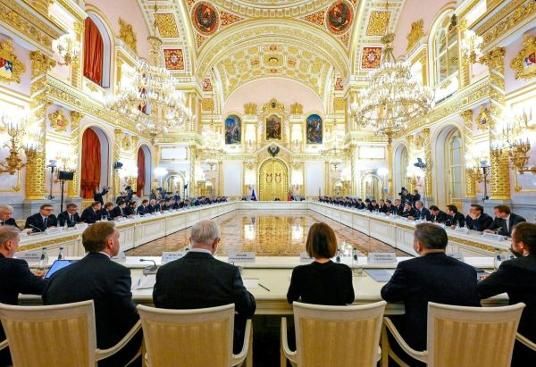
October 23:
Low-altitude flights are defined as those
within 1,000m from ground level. In May, Beijing further tightened
controls, banning drones and other aircraft from flying over the entire
city. Why was the aircraft not
intercepted before it reached the city center?

If China were to seize control of Taiwan by
force, it would be a disaster, not only for Taiwan but also for the United
States. A nearly $1 trillion economy would leave the free-market system and
be incorporated into China’s state-directed, mercantilist one. A vibrant democracy
nurtured and defended by the United States for many years would be snuffed
out. American power and influence would be gravely diminished in East Asia,
and China would become the region’s dominant power. Other governments there
would be pressured to accommodate China’s political, economic, and even
territorial demands. Beijing would certainly insist that they kick out U.S.
forces. China’s global ambitions,
meanwhile, would only grow.
Nowhere is China’s approach clearer than in
its dealings with its closest partners. In Russia’s/ar in Ukraine and
Iran’s confrontation with Israel and the United States, Beijing has
provided economic and diplomatic backing while largely avoiding direct military
involvement. Even as its strategic partners have faced existential threats,
China has kept its distance. Beijing has also shown little willingness to
restrain its partners’ destabilizing behavior or to take on the onus of
bringing global conflicts to an end. Why
China First Will Fail The Limits And Lessons Of A Transactional Foreign
Policy.
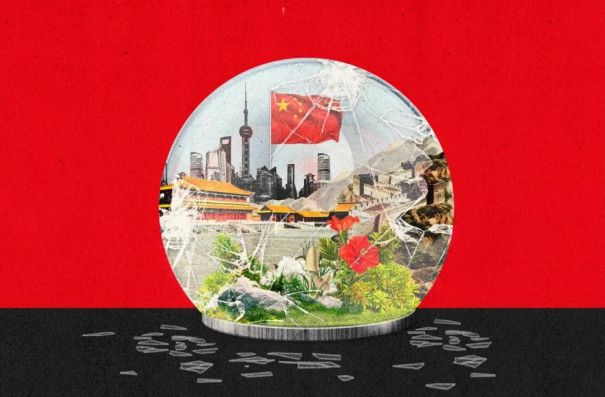
The
United States and China operate as major geopolitical and economic rivals. Their
relationship is marked by strategic competition, spanning trade, advanced
technology, and national security - mixed with essential cooperation on
global. The United States and China both assert that theirs is the most
important bilateral relationship in the world. They also agree that the
likeliest trigger for an armed conflict between them is Taiwan. In theory,
then, it should come as a relief that U.S. President Donald Trump and
Chinese leader Xi Jinping discussed Taiwan at length in Beijing last month
and that the leaders emerged with a better understanding of each other’s
positions. Yet the U.S.-Chinese summit was anything but reassuring. China Could Win Taiwan Without Fighting.
End of G7 meeting:
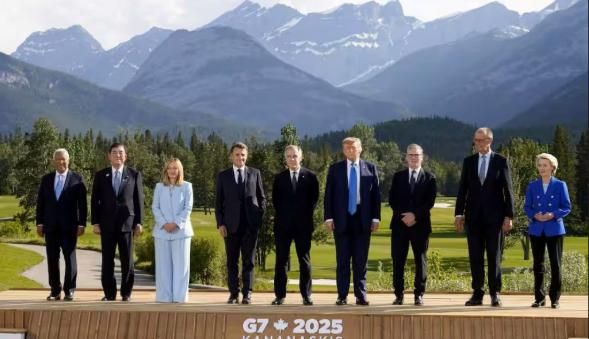
The Islamic Republic is well practiced in
the art of the stalemate. For nearly 50 years, after all, it has defined itself
in part by engaging in an unending competition with Washington. In doing
so, it learned to tolerate significant U.S. pressure. In fact, the regime
has actively sought to keep relations with the United States in an
unpleasant equilibrium, ensuring there is neither too much progress (which
would compromise the regime’s revolutionary commitment to opposing
Washington) nor too much tension (which could result in a full-scale
invasion). The United States, by contrast, has never felt as comfortable with
these conditions. U.S. officials have long demanded that Iran roll back its
nuclear program, dismantle its missile arsenal, and eliminate its network
of proxies, none of which is achievable if the two sides remain in a
deadlock. When a Cease-Fire Is Really a
Stalemate Equilibrium With Iran Is the Best America Can Do.
Iran faces a stark choice. Either it can use
the Strait of Hormuz as a tool to make money or as a security guarantee.
But it probably can’t do both. The strait’s deterrent value depends
entirely on the credibility of the threat to close it. The moment Iran
attempts to monetize passage or otherwise hampers the free flow of commerce
through it, it weakens the strongest argument against war: the associated
cost of attacking Iran. And by charging fees, Iran will provide rhetorical fodder
to the sizable constituency of Iran hawks in the United States and Israel
that would welcome a return to conflict and see Iran’s monetization and
control of the strait as an unacceptable final outcome. Iran Won the War
but May Lose the Peace. Tehran Is Poised to
Overplay Its Hand.
The agreement reached Sunday between Iran and
the United States does not end the war. It is essentially a 60-day
ceasefire agreement, during which the major issues of the war will be
negotiated. There are two dimensions that will determine the success of
these negotiations. One is the ability of the two sides to reach
accommodation. The other is the willingness of the public in general, and
of factions within each country, to resume the war if talks fail. The
degree of national solidarity concerning a war always affects the outcome,
but in this case, it is fundamental. A geopolitical analysis of this
particular war must face the political reality inside each nation. Internal
politics will heavily influence each nation’s policies and strategies. In
an effort to manage internal dissent, each side will say things that force
the other two to respond, a dynamic that undermines the negotiation
process. This might mean that accommodation by all sides is impossible, but
given the dynamics and unpredictability of the political dimension, it may
well make a stable solution. Whereas geopolitical considerations are easier
to predict, political outcomes are more unreliable, especially since all
three countries are increasingly divided politically. We are in a strange
moment when the needs of all three nations are in flux and decision-making
is being shaped by the dissonance among their respective elites.
Iran Is Returning to Nuclear Talks No Longer
Afraid of America -- Tehran has learned it can survive the worst Washington
can throw at it, but it still needs sanctions relief to stave off economic
calamity.
An image of Iran’s Supreme Leader Mojtaba Khamenei
during a ceremony in Tehran this month.
After
more than three months of bombing and blockades, the U.S. and Iran are back
to square one, preparing for what promises to be difficult negotiations
over limits to Tehran’s nuclear ambitions.-- This time, the Iranians will
come to the table armed with valuable knowledge: They can survive the worst
the Americans can throw at them.
Although competition between the United
States and China over quantum technologies will be fierce, the two countries
recognize that they need to work together through bodies such as the
International Organization for Standardization and the Internet Engineering
Task Force to ensure that their foundational protocols are interoperable.
Both countries are keen to avoid a fragmented digital world in which global
commerce and logistics are disrupted by incompatibility. Indeed, Chinese
cryptographers took part in the U.S. government’s global contest for algorithms,
and American and European researchers did the same in China’s open
competition. But such cooperation will probably never extend to matters of
hardware. When it comes to technologies that have military applications,
each great power will be determined to dominate the other. The Coming
Quantum National Security Crisis China and Russia Are Harvesting Encrypted
Secrets, and Getting Closer to Cracking Them. How to Prepare for a National Security Crisis Washington
Needs New Structures to Manage the Unexpected.
During Epic Fury, the U.S. military proved
its operational value to Middle Eastern partners and confirmed its unique
conventional capabilities. Shared wartime experience ought to give the
United States a good foundation from which to rebuild and expand its
partnerships. But the discordance between the strong relationships the United
States continues to enjoy with regional militaries and its increasingly
tense political relationships is growing. The Trump administration must
leverage Central Command’s accomplishments to deliver an agreement that
blunts Iran’s threat. And it must make systemic changes to how Washington
works with regional partners. If it falls short on either front, Epic Fury will stand as the defining
contradiction of U.S. power. a display of unequaled military might that
ushered in a post-American Middle East.
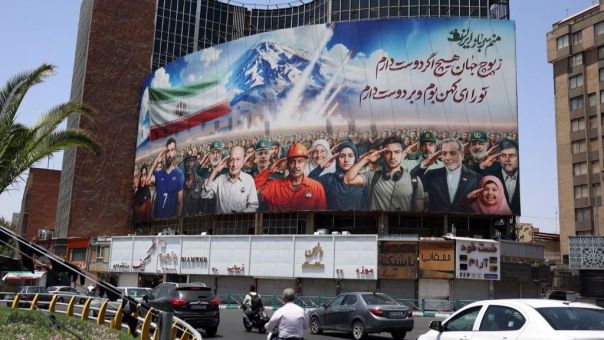
CIA Director John Ratcliffe told President
Trump and other senior officials that evidence gathered by U.S.
intelligence agencies raises serious doubts about Iran's willingness to
make the nuclear concessions the U.S. is seeking in any final deal, according
to three sources familiar with those discussions.
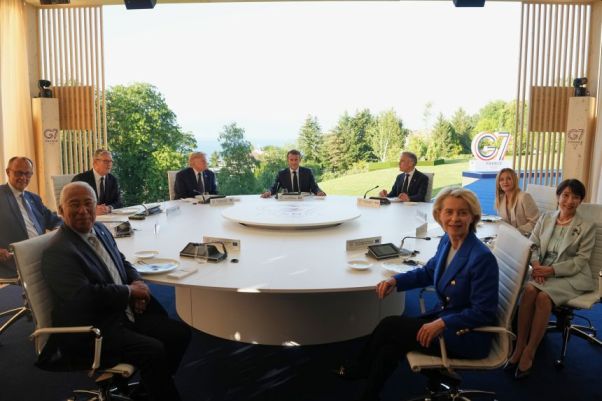
Instead of consolidating American power, the
administration is learning the limits of it. There are instructive
parallels between the Trump administration’s trade war with China in the
first year of this term and the Iran war that is consuming its second year.
In both instances, the administration grossly underestimated its rival’s
resilience and capacity to retaliate, then escalated quickly and sharply
before learning that the other side controlled key chokepoints, ultimately
leading the administration to seek a diplomatic denouement. The United
States can ill afford this kind of experiential education. The False Promise of U.S.-China Stability.
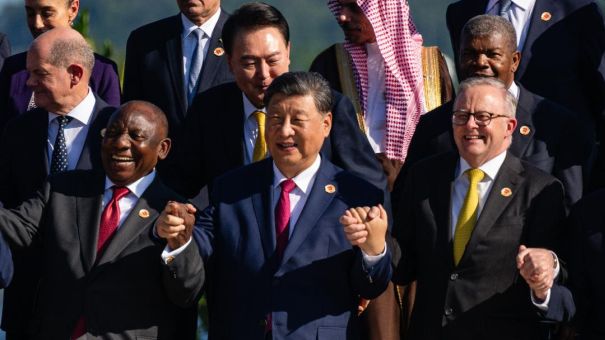
Iran announces Strait
of Hormuz closure after US launches new strikes / attacks on commercial
vessels, legal pretexts, the laying of naval mines, and the practice of
selective restrictions have turned the strait into a high-risk zone,
accompanied by attempts to impose a new reality for managing the strait in
a manner inconsistent with international law. Against the tactical and
operational challenges posed by the geography of the strait in countering
Iranian behavior, the U.S. counter-maritime blockade strategy has emerged
as a strategic tool capable of forcing Iran to bear the consequences of its
own behavior and transforming the Strait crisis into an internal struggle
for survival. The Strait of
Hormuz: Iran’s Selective Restriction Policy.


Because the U.S. dollar touches nearly every
dimension of China’s international economic activity, it is one of
Beijing’s most significant and exploitable vulnerabilities. Nearly 70
percent of China’s international trade is dollar-denominated or passes through
dollar-based financial institutions. China carries around $900 billion in
dollar-denominated debt (roughly 40 percent of its total external debt),
and an estimated 50 percent of its foreign exchange reserves are held in dollars.
Dollar dominance is self-perpetuating because of powerful network effects:
importers hold dollars, exporters invoice in them, financial institutions
clear transactions using them, and central banks reserve them. If China wants to trade with most of the world, it
must operate within this system.
In March, the IMF proposed a timid policy package
to reduce global imbalances. It shied away from calling for the
appreciation of Asian countries’ currencies. The G-7 also seems poised to
avoid any commitments of its own, let alone make any direct call on China
or Asia to lead a broad revaluation. By taking this approach, the G-7 has
neither made any real space for economic policy coordination nor laid the
groundwork for creating pressure for action by the broader G-20. In some
respects, this is understandable. The G-7’s approach is politically expedient,
as it allows the group to steer clear of discussing how exchange rate
coordination fits within the European policy architecture and avoids
discussion of the global consequences of Washington’s runaway fiscal policy
amid a domestic investment boom. But
the time for such evasions has passed.

If the US wants to continue to project military
power around the world, it will need to consider how it can better protect
its hosts. States might demand credible assurances of protection before
they let the U.S. military in. In some cases, the American military may be
able to offer those assurances and still defeat its adversary - after all,
the United States still retains an overwhelming military advantage over
most of the world. That may ultimately be a blessing. If war were harder to wage, perhaps Washington would wage
fewer unwise wars.
Regarding the Gulf states, the instinct to
remain within the U.S. security embrace reflects a century of institutional
habit, elite socialization, and the sunk cost of an architecture that has
occasionally delivered. But security cannot be purchased from abroad; it must
be built at home. The United States will leave the region eventually,
regardless of what the monarchies prefer. The only question is whether the
Gulf countries shape the terms of that departure or are shaped by it. A New
Order for the Gulf: The Region Must Build Its
Own Security, Not Buy It.
|
|
A nuclear deal with Iran is both necessary and
insufficient for addressing the broader challenge, one that is only growing
more protean and dangerous as time elapses and that cannot be addressed
solely by military means. If Trump wants to strike a new nuclear pact with
Iran, he therefore has to make it a good one. A deal that only addresses
known enrichment sites and uranium stockpiles and does not attend to the
country’s increased enrichment capacity or the possibility of covert activity
or weaponization will not prevent Iran from obtaining a nuclear arm. It
will only push Iran’s effort further underground and make a future solution
even harder to find. Can Trump Get a New Nuclear Deal With Iran? Washington Has More Demands, and Tehran Has More
Leverage.
Since returning to the White House in January
2025, U.S. President Donald Trump has bullied, scolded, and coerced
countries the world over, alienating friends, neighbors, allies,
competitors, adversaries, and neutral states alike - with the United States
becoming a “predatory hegemon.” Trump’s policies have created a vast global
geostrategic vacuum, tailor-made for China to take advantage of by
expanding its own presence and influence. China Is Squandering a Golden
Opportunity: Why Beijing Has Failed to Exploit
Trump’s Missteps.
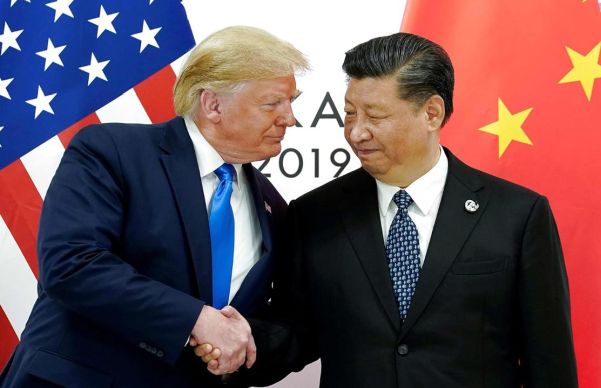
As Beijing grows increasingly confident in
its position in the U.S.-China relationship, it may be emboldened to assert
itself more aggressively in the Indo-Pacific. This would force the United
States to make an unenviable choice: push back, potentially sacrificing
bilateral stability and risking conflict, or look the other way, allowing vital
U.S. interests to erode. Because there is no good answer, the United States
should strive to avoid being forced to choose. This requires Washington to
send clearer signals of strength, focus, and enduring commitment to its own
security and that of its allies. Should Trump continue to communicate that
he prizes quick wins and his relationship with Xi above deeper American
interests, the United States will find itself with a diminished capacity to
guide the relationship on its own terms. As Beijing grows increasingly
confident in its position in the U.S.-China relationship, it may be
emboldened. America Has Lost Its Leverage Over China: How Trump and Xi Could Cement Beijing’s Advantage
for Years to Come.
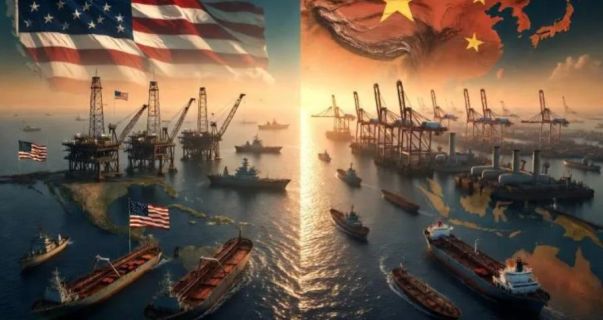
|
Beijing will likely try to proceed as much
as possible under the cover of bilateral or multilateral cooperation to avoid
comparison with more cavalier U.S. policy. But such a veneer offers only
partial insulation. The American example shows that even indirect
interventions cause downstream resentments, ongoing dependencies, and
credibility commitments. More pressingly, a crisis involving Chinese
nationals, a chokepoint resource, or a collapsing client state may force
Beijing’s hand before any diplomatic cover is in place. President Xi and President Trump in Beijing.
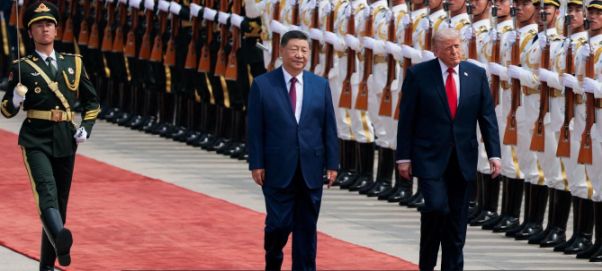
Trump may have done what decades of European
speeches, white papers, and declarations could not. By pushing too hard, he
has made the costs of dependence visible. By embracing Europe’s far right,
he has made it easier for democrats to draw a line. By treating allies as
vassals and clients, he has reminded Europeans that alliances are healthy only
when they rest on equality and mutual respect. Indeed, rather than giving
him the Nobel Peace Prize, he so openly craves. Hence, Europeans should consider giving Trump the
Charlemagne Prize.
Enact new laws to govern the economy; their
effects are often indirect. In many countries, for example, politicians are
now moving to ban or restrict teens’ social media access in response to
public alarm about cyberbullying and the hijacking of young people’s
attention. The end of an unnecessary fiction.

During his visit, President Xi asked
President Trump whether the U.S. and China could avoid the “Thucydides
Trap,” which refers to how tensions historically between a rising and ruling
power have often resulted in a war: How U.S.
Concessions Are Quietly Becoming Chinese Influence.
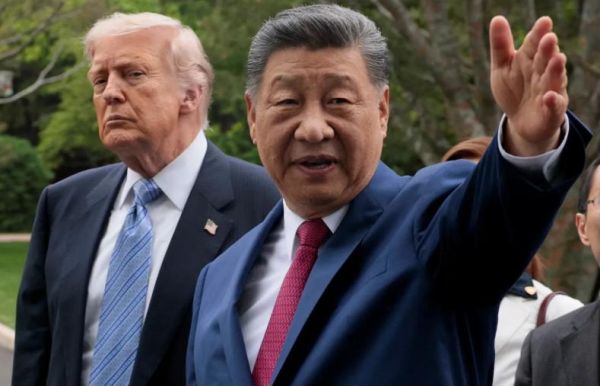
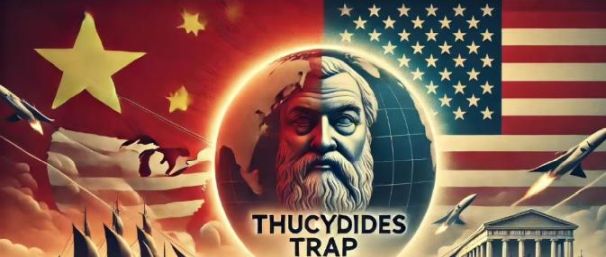
|
|
|
|
King Charles III and Queen Camilla are
visiting the USA from April 27-30, 2026, for a high-profile state visit hosted
by President Donald Trump, marking the 250th anniversary of American
independence. The trip includes meetings in Washington, D.C., and New York,
a White House banquet, and an address to Congress, aiming to strengthen
US-UK relations. Trump says King will be 'very safe' during US visit after
security talks. Trump says King will
be 'very safe' during US visit after security talks.

Turkey needs a coherent strategy that will
enable it to preserve domestic stability with the Kurds, secure its
borders, and emerge as a hub for regional connectivity in energy and trade.
This means maneuvering through the ups and downs of war and great-power
rivalry - but not settling for better relations with Washington alone.
Declaring neutrality in a conflict may seem the right decision for a
country in Turkey’s position. But if Turkey is
to emerge from a period of regional turmoil more secure rather than more
vulnerable, it cannot remain entirely on the sidelines.

Xi’s campaign to bring Taiwan to heel is
already a whole-of-government effort that integrates every tool of China’s
national power. People’s Liberation Army (PLA) fighters enter Taiwan’s Air
Defense Identification Zone relentlessly. Long-endurance drones circle the island.
Chinese courts demand that third countries deport Taiwanese nationals to
China to face charges. The United Front Work Department runs disinformation
operations and cultivates agents within Taiwan’s security establishment.
The Real Threat to Taiwan: The U.S. is Preparing
for the Wrong Kind of Crisis.

The fragmentation accelerated by the Trump administration’s
tariff escalation and hardball diplomacy is not a temporary disruption. It
has begun to trigger a structural reorganization of the global economy, one
whose ultimate shape remains genuinely unknown. Who counts as a “friend”?
Which supply chains can be trusted? Which standards will govern trade in
these materials? With respect to oil, after 1945, these questions had
relatively settled answers. Now none do. The New Resource Curse: How Critical Minerals Will Scramble Geopolitics.

By keeping its nuclear planning opaque,
China has only heightened U.S. anxieties. Beijing is building a large and
growing number of weapons that can carry either conventional or nuclear
payloads, the DF-26 ballistic missile, for instance, and have a range
covering most of the Asia-Pacific. It has not revealed, even obliquely, how
many of these systems are assigned nuclear roles. As a result, U.S. experts
often assume that China designates most of such missiles as nuclear ones,
generating expansive assessments of China’s regional nuclear capacity and
readiness. This, in turn, reinforces concerns about China’s using nuclear
weapons first in a regional conflict. American officials fear it might find
ways to do so that are technically exempt from its prohibition. Beijing could
conduct a wartime nuclear test, send a demonstration shot over the ocean,
or even carry out a high-altitude nuclear detonation designed to disable
military hardware without casualties and claim that the action did not
constitute first use. China and America Are Courting Nuclear Catastrophe: The Consequences of Beijing’s Weapons Buildup.

Iran to renew attacks in the Gulf? Israel rushes laser system to UAE to intercept Iranian
missiles and drones.
Iran's new Supreme Leader Ayatollah Mojtaba
Khamenei said on Thursday, 30 May, the US had been defeated in its war
against the Islamic Republic and that its only place in the Persian Gulf
was “at the bottom of its waters". Khamenei's written message, which was
read on state TV, was released to mark the annual national celebration of
"Persian Gulf" day in Iran. The Price of Peace With Iran: Washington Must Be Willing to Make Uncomfortable
Concessions.
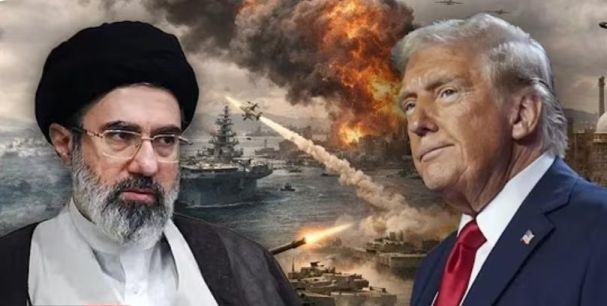
When Ukrainian President Volodymyr Zelensky,
serious-faced and clad in black, strolled down a lilac carpet in Saudi
Arabia in March, it marked a moment in the US-Israeli war in Iran. A rather
unexpected one. In a post on X, he said his
visit was to "strengthen the protection of lives."

|
While Mao told the party to make revolution,
Xi, the princeling son of a revolutionary hero, is now guiding what he
calls the party’s “self-revolution.” He is using discipline not only as an
instrument of control but also as a theory of governance: internal rules
define priorities and acceptable conduct, ideological education produces
more dedicated officials, inspections improve compliance, and high-level
purges deter wrongdoing. If self-revolution succeeds, and it well might, it
could make the CCP a more effective and durable institution - one capable
of ruling China indefinitely, irrespective of who is at the helm. In that
sense, self-revolution is Xi’s effort to render China’s succession concerns
moot. Xi’s Forever Purge: The Real
Goal Behind China’s “Self-Revolution.”
Though more Chinese reprisals may follow,
Takaichi and her administration show no signs of backing down. Rebuilding
Japan’s defense industrial base will take years, assuming it can surmount
the many obstacles in its way. Yet the country is demonstrating that it has
the political will to rise to the challenge. As the prime minister declared
last month while launching a sweeping review of Japan’s national security
strategy: “There is not a moment to spare.” The Return of Japanese Hard Power: Why
Tokyo Is Bulking Up Its Defense-Industrial Base.
In January, after weeks of threats by U.S.
President Donald Trump to annex Canada as the “51st state,” Canadian Prime
Minister Mark Carney stood in Beijing’s Great Hall of the People, radiating
cordiality toward the leaders of a country he had called Canada’s greatest
geopolitical threat less than a year earlier. In a meeting with Chinese
Premier Li Qiang, he said that “the progress that we have made in the
partnership sets us up well for the new world order.” It was not a great moment for the United States.
As with the 1970s crisis, the shock produced
by the war with Iran and the closure of the Strait of Hormuz is likely to
have extensive ripple effects, no matter how or when the conflict ends.
Unlike the earlier crisis, however, the threat posed by Iran’s new “oil
weapon” is likely to prove far more durable. Iran has demonstrated that it can
close the strait and keep it closed, even in the face of the full force of
a global superpower. There is no returning to the
status quo ante, when shipping through the strait was assumed to be
risk-free under the watchful eye of the U.S. Navy.
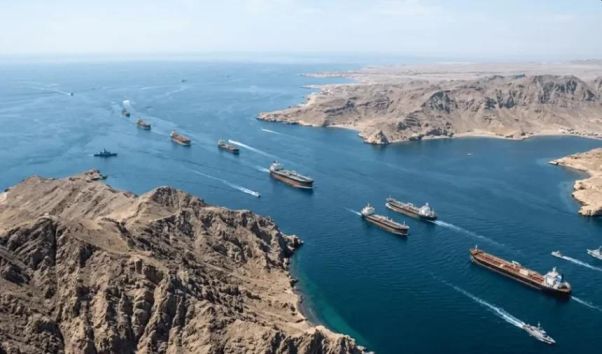
Trump seems in no mood to accommodate Russia
as a great-power equal to the United States - to consult Putin on Iran and
other geopolitical dossiers; to rely on the UN, where Moscow is
Washington’s peer, as the world’s foremost peacemaking body; and to grant
Russia its sphere of influence. Instead, by dismantling the post-Cold War
international system, Trump is taking over Russia’s mission. And Moscow
will have to contend with something messier, a world with no stable
frameworks or reliable rules of the game. This Is Not the World Russia
Wants: A Belligerent America Is Foiling
Putin’s Strategy.
Russia's invasion
of Ukraine enters its fifth year, and peace negotiations are stagnating
amid a costly stalemate.
Saudi Arabia and Kuwait have lifted
restrictions on the US military’s use of their bases and airspace that were
imposed after the launch of an American operation aimed at reopening the Strait of Hormuz.
Allies and partners in Europe and Asia will
be watching closely for such signs. If the meeting suggests a thaw in
U.S.-Chinese relations - or even a profound realignment toward a G-2 stance
- it will prompt recalibration in the form of increased defense spending
and more cooperation among military middle powers. Conversely, indications
of heightened rivalry could reinforce existing U.S. alliances in Asia even
while accelerating efforts by China’s neighbors and trading partners to
hedge against instability. Single combat is the practice of ritualized
one-on-one fighting for enormous stakes. For years, President Xi has
described the US-China standoff in stark, quasi-existential terms, even as
he piously calls for “win-win cooperation.” The
meeting of Xi and Trump.
|
|
On April 2, Iran, through Pakistani
mediators, gave the U.S. a new proposal on reopening the Strait of Hormuz and ending the war, with nuclear
negotiations postponed for a later stage. Though efforts for another round of talks
are underway, some of the sticking points are said to be the Strait of
Hormuz, the US blockade of Iranian ports, and Iran’s right to enrich
uranium.


Qatar has almost
no economic diversification:

Saudi Arabia made
the biggest bet of all:

Gunshots disrupted the White House
Correspondents' Dinner as President Trump was rushed to safety.


|
|
Strait of Hormuz 'completely open' to
commercial ships for remainder of ceasefire, Iran says.

An imminent deal or ‘lies’? Fog of claims
and counterclaims shrouds the US-Iran war. Oil
falls 11% after Iran declares Strait of Hormuz open.

Iran's military command says the Strait of
Hormuz ‘returns to its previous state’ over US blockade. Trump says
blockade of Iranian ports will "remain" if no deal is reached.

Despite Donald Trump claiming the Iranian
navy was defeated, Iran’s “mosquito fleet” of small, fast boats continues
to disrupt the Strait of Hormuz. Experts say this low-cost swarm strategy
is difficult to counter and poses a major threat to global oil flows.

Barack Obama met New York Mayor Zohran
Mamdani at a Bronx childcare center, reading to children and discussing
early education. The visit highlighted childcare expansion plans, while
Mamdani also maintains a complex working relationship with Donald Trump
amid policy disagreements.

Water cooperation is not only mutually
beneficial for India and Pakistan, but essential. Restoring the Indus
Waters Treaty could be a powerful foundation for rebuilding trust. Re-engagement could help bring lasting peace.

In May, Beijing is expected to host visits
from Trump and Russian President Vladimir Putin. Even as China, Russia, and
the United States often disagree with one another, Chinese leaders at least
feel that they can usually understand them and their strategic logic.
Dealing with Europe, by contrast, frequently leaves Beijing feeling
perplexed and frustrated. China envisions Europe as a major pole in a
changing global order, and it wants Europe to fulfill that role to further
offset pressure exerted by the United States. Yet, to function as a true
pole, Europe needs more than just physical muscle in the form of greater
defense spending. It needs a more
independent soul. Europe Still Needs China. Washington, Not Beijing, Is the
Bigger Threat.

Chinese and U.S. officials could use
ASEAN-led summits and ministerial meetings as standing venues for crisis
coordination. ASEAN has already shown it can serve this function. At the
height of the U.S.-Chinese trade war in 2025, for instance, the first face-to-face
meeting between U.S. Secretary of State Marco Rubio and Chinese Foreign
Minister Wang Yi took place on the sidelines of an ASEAN-led meeting.
Singapore and other ASEAN capitals have also hosted numerous U.S.-Chinese
Track 1.5 and Track 2 dialogues precisely because neither side wants to be
seen as entering the other’s territory amid intensifying rivalry. The G-2’s
Missing Link: Why America and China Need
ASEAN.

Saudi Arabia views Tehran’s new leadership
with deep distrust, considering it to be both more hawkish and more
fractured. It is an unlikely partner in forging a viable regional security
arrangement. But Iran and Saudi Arabia will always be neighbors; geography
limits their choices. The alternative to coexistence is an ongoing cycle of
conflict that would doom both Iran and the Gulf Arab states. Can Saudi
Arabia Keep Hedging? The Iran War Has Altered
the Gulf’s Balance of Power, and the Kingdom’s Calculus.

The first rule of economic warfare is
simple: don’t weaponize false chokepoints. But even if U.S. policymakers
can follow it, they still confront a dangerous feedback loop. Every time Washington
weaponizes a chokepoint, other countries take steps to insulate themselves
from it. In any specific instance, the erosion of American power may be
marginal. But over time, the cumulative effect could reduce confidence in
the U.S. dollar and blunt demand for American technology, energy, and other
products. The United States needs a plan for deploying its leverage
effectively without destroying that leverage in the process. How to Fight an Economic War: A Field Manual for a
Ruptured World.

|
Israel’s foreign policy has changed
significantly since the signing of the last several memoranda of
understanding. In the past, U.S. administrations offered increased aid to
incentivize Israel to negotiate peace deals with the Palestinians. In 2000,
for example, U.S. President Bill Clinton committed to raising military aid by
around a third over the course of ten years to encourage Israeli Prime
Minister Ehud Barak to make an unprecedented offer of Palestinian statehood
at Camp David. In 2007, U.S. President George W. Bush agreed to a new and
enlarged ten-year memorandum with Israeli Prime Minister Ehud Olmert before
the Annapolis summit later that year. The 2016 memorandum agreed between
U.S. President Barack Obama and Netanyahu was widely perceived as an inducement
to strengthen Israel’s security after the signing of the 2015 Joint
Comprehensive Plan of Action, the nuclear deal with Iran that Israel
strongly opposed. But the prevailing mindset of the Israeli public and its
political leadership since October 7 has shifted. The country is no longer
willing to take any chances with its security and is unlikely to consider
any policies that leave it exposed to invasion or rocket and missile
attacks. America Should Be Israel’s Partner, Not Its Patron: The Pro-Israel Case for Ending U.S. Aid.

A new international trade regime based on
commitments to maintain balance would lead to a better distribution of
resources across the global economy, generate broadly shared benefits for
participating countries, and ensure predictability. The development of sectors
within each economy would be subject to the laws of supply and demand and,
where appropriate, to national governments making changes needed for
societal cohesion. This system would stop the flow of wealth to
Washington’s rivals and would put pressure on the beggar-thy-neighbor
industrial policies of its allies. Balanced trade would allow governments
to adopt practices designed to create high-paying jobs without forcing
other countries to pay for them. Restoring Balance
to a Broken Global Economy.

The United States wants Venezuela to be a
stable petrostate that could, in time, become a cash cow for U.S. firms.
The dictatorship in Venezuela has realized that it can deliver exactly that
outcome while keeping the United States from demanding more meaningful
change. This arrangement could help the dictatorship stay in power for
years to come. It is now up to opposition forces to find ways to pressure
both the United States and the regime. No one else is coming to their
rescue. Venezuela Needs Regime Change: The Narrow Path to a Democratic
Transition. Venezuela Needs Regime Change: The
Narrow Path to a Democratic Transition.

Negotiators are fond of saying that when it
comes to North Korea’s nuclear portfolio, there are only lousy options. If
North Korea were not already loaded with nuclear weapons, there might be
better choices available. What the United States faces in reality, however,
is the need for an interim solution to protect U.S. homeland security and
prevent nuclear escalation in the Indo-Pacific. A cold peace is hardly an
ideal solution, but it could bring much-needed stability to an increasingly
dangerous relationship. North Korea as It Is: The
Case for a Cold Peace.

The test of American statecraft is not
whether it can destroy targets in Iran. It is whether it can shape an
outcome in which Iran is reintegrated into the global economy and no longer
poses a major threat to neighbors in the region, regional states feel less
compelled to hedge toward Beijing, and Moscow is denied another
geopolitical gift. The United States need not hand its rivals a win by
committing to another long war that will drain its resources and
credibility. It should pursue a limited, disciplined strategy that reduces
political tensions in the Gulf, restores freedom of navigation, and leaves
Tehran with a choice other than total dependence on Moscow and Beijing. In
this contest, prudence need not be passivity - rather, it can be power
exercised with intent. How China and Russia Can Exploit the Iran War. How America Can Avoid Playing Into Their Hands.

The quickest way for the United States to
derail consolidation would be to lurch back toward the habits that led to
overextension, fixating on achieving defense primacy worldwide, going back
to nonreciprocal trade deals, latching back onto transnational causes that
are detached from the U.S. national interest, pursuing nation building and
democracy promotion with missionary zeal, or reverting to economic policies
that accelerate the hollowing out of the American heartland must pair its
diplomatic outreach to rivals with a comprehensive effort to convert its
alliances into more mature and well-integrated structures. To develop alliances that can reduce the United
States’ simultaneity burden by making substantially bigger contributions to
conventional security in their respective regions.

The Iran war has pushed the Gulf into a
different category of risk, one in which commercial exposure can no longer
be cleanly separated from geopolitical conflict. Leaving Tehran, facing a looming oil storage crisis,
and its citizens grappling with rising food prices and surging.

|
|
The first year of the
second Trump administration has demonstrated that the U.S.-led
international rules-based order died with the second inauguration
of Donald Trump and his revival of the nineteenth-century Monroe Doctrine. With some
notable exceptions, such as Secretary
of State Marco Rubio and Secretary of the Treasury Scott Bessent. And
whereby the relationship between Beijing and Washington has steadily
shifted from cautious engagement to tense rivalry. Canadian
Prime Minister Mark Carney fresh off a visit to China, now casted
Beijing as a viable counterweight to U.S. power. Also when bombs began falling on Iran, most Americans were as surprised as the
rest of the world. World order are over. Although it was the
United States and Israel that instigated attacks on Iran on February 28, leaders in Tehran deserve some of the blame.


|
|
The status of the Strait of Hormuz will
remain unchanged, with only limited ships to be allowed after US-Iran talks
fail: Fears that U.S.-Iran talks will collapse, along with Iran's ongoing
efforts to formalize its authority over the strait by imposing transit fees
and limiting traffic, will likely keep shippers cautious.

To get an agreement, Washington must pair
pressure with genuine inducements, including a clearly articulated vision
of what a final arrangement will deliver for Iran, the United States, and
the wider world. The JCPOA’s preamble envisioned a transformation in Iran’s
relationship with other countries, but that vision was never fully
operationalized. A future agreement must go further and define not only the
nuclear constraints Iran would accept but also the political and economic
relationship it would gain in return. It must do so in terms concrete
enough to gain domestic support on all sides. How to End the Iran Crisis. Tehran Needs Positive Incentives, Not Just Pressure.

Few
issues capture observers’ attention like the rivalry between China and the
United States. Analysts scrutinize political trends and profile political
leaders in both countries. Economists track indicators of relative
financial and commercial strength, pondering the paradox of two economic
behemoths that are both incompatible and interdependent. And military experts
watch the balance of forces with increasing concern as China’s conventional
and nuclear capabilities grow in number and quality. How Overconfidence Could Draw America and China Into a War.

Post-war Iran will probably experience a
time of transition and internal power struggles. While this is happening, Iran’s
leadership will not be able to make concessions that fundamentally alter
the Islamic Republic. More limited deals might be possible. Iran could, for
instance, relinquish its stockpile of highly enriched uranium in exchange
for sanctions relief. But transformational deals are not going to happen
during a leadership transition and on the heels of a war that Iran believes
it won. A Test of Wills in Iran: Trump Is
Still Underestimating Tehran’s Resolve.

Mine litter in the Hormuz strait and Exposes
US limitations of mine-clearing.

Europe plans ‘coalition of willing’ for
Hormuz security mission, but sans US.


US Vice President JD Vance has publicly
challenged Pope Leo XIV on theology. As tensions rise between Donald Trump
and the head of the Catholic Church, Vance invoked “just war theory” to
counter the Pope’s criticism of the Iran conflict.
|
Statecraft means little if it does not serve
the material well-being of the working and middle classes. A targeted,
long-term strategy to compete with China that prioritizes techno-industrial
sovereignty, deterrence through military innovation, and democratic digital
standards while preventing a race to the bottom would create good jobs and
turbocharge investment in the public interest. It would also harness
military spending for preventing wars, not starting them; absorb the shock
of the coming technological disruption; and manage the risks posed by great-power
competition. And it would protect Americans’ privacy, civil liberties, and
way of life. There is no party or faction whose goals are not on this
agenda. The Tech High Ground: What It Will Take
to Gain the Advantage Over China.

Trump posted an image showing Jesus
embracing him:

No matter the course of the current
cease-fire in Iran and the wider war, the growing salience of Shiite
identity is likely to shape the trajectory of future regional tensions. In
Lebanon, this dynamic may make Hezbollah harder to isolate politically, even
as it remains under sustained military pressure. Israeli officials have
indicated that operations in southern Lebanon could follow a “Rafah model,”
referring to the devastated city in the south of Gaza, raising the prospect
of prolonged occupation. Shiites would likely interpret such a scenario as
a direct threat to their position and security. That perception is already
remaking domestic politics. Earlier tensions between Hezbollah and Amal,
another major Shiite political movement in Lebanon, have given way to
renewed alignment under pressure. Nabih Berri, the Shiite speaker of parliament
and the head of Amal, joined Hezbollah in resisting the Lebanese
government’s March 2026 decision to expel Iran’s ambassador from Beirut.
Israeli military pressure may degrade Hezbollah’s capabilities, but it also
risks reinforcing the communal logic that sustains it. What the Iran War
Means for the “Axis of Resistance” The
Conflict Is a Crucible for Shiite Identity and Politics.

Developing governance frameworks for
autonomous cyber-agents will not be easy. Countries will be reluctant to
constrain capabilities that have legitimate uses, and nonstate actors such
as criminal hacking groups will not be bound by international agreements.
Even where consensus is possible, attributing autonomous agents to specific
countries or groups will be challenging. Thus, international cooperation
should not focus too heavily on attribution. Instead, like-minded countries
must align on standards and safeguards, and invest in shared detection,
intelligence sharing, and coordinated response mechanisms. That should put
defenders at an advantage. Cyberwar’s New Frontier: How AI Agents Will Threaten Global
Security.

As the United States speeds up its own
decline, China is accelerating its technological self-sufficiency, building
its military strength, and upgrading its industrial policy. Its ultimate
goal is so-called national rejuvenation. When Trump eventually lands in
Beijing, he will represent the United States from a position of self-inflicted
weakness. He will face a formidable counterpart in Xi, who has spent years
preparing for this exact moment of U.S. overreach. It is time for the
United States to stop fighting the wars China wants it to fight and instead
train its focus back on its greatest rival: China. America and Iran’s Long
Road to Peace: A Grand Bargain Is Out of
Reach, but a Comprehensive Deal Is Possible.

|
|
|
|
The niece and grand-niece of the deceased
commander of the Iranian Revolutionary Guard Corps, Gen Qasem Soleimani,
have been arrested, the US State Department has said. Hamideh Soleimani
Afshar and her daughter's lawful US permanent resident status was revoked
by Secretary of State Marco Rubio. Hamideh Soleimani
Afshar and her daughter's lawful US permanent resident status was revoked
by Secretary of State Marco Rubio.

The disruption to Middle Eastern supplies is
just the latest example of a growing trend of energy weaponization. It is
not just oil and gas flows that are at risk; China’s dominance in the
emerging clean energy economy gives Beijing plenty of levers to pull. And
as great-power rivalry intensifies and the international economic order
fragments, countries are increasingly willing to exploit the dependence of
others on global energy markets, using sanctions, export controls,
cyberattacks, and maritime pressure to advance foreign policy objectives. The Iran Shock and the Dangerous Allure of Energy
Autarky.

The era in which Gulf states could rely on
external powers to manage regional security is coming to an end. To protect
their interests, they will need to build collective capacity, manage
rivalries, and shape the balance of power themselves. Such measures may not
stop the current war, which is being dictated almost entirely by Iran,
Israel, and the United States. But Gulf states can shape the environment in
which the conflict’s consequences unfold, and they can help prevent the
next conflagration. Avoiding the Next Gulf War: How America’s Allies in the Region Can Get Out of
the Cross Hairs.

Strikes on infrastructure would not produce
capitulation. They would invite retaliation, reinforce regime resolve, and
likely trigger escalation across the region. The assumption that pressure
alone can break Tehran is not a strategy; it
is wishful thinking.

Whether Washington’s approval keeps tanking,
flatlines, or rebounds is thus up to American officials. How they conduct
the war in Iran, how they handle Gaza, and whether they can find a peaceful
resolution to the broader Israeli-Palestinian conflict will be important in
the years ahead. The best thing they could do would be to quickly wind down
the war in Iran and lean on Israel to give the Palestinians basic rights
and, eventually, sovereignty. To rehabilitate its image, in other words,
the United States must match its deeds to the principles it once professed
to hold: a commitment to international law and support for human rights,
democracy, and rules-based order. It must apply such principles not just
when it serves its interests, as in Ukraine, but equally across the globe. America Has Lost the Arab World Wars in Gaza, Iran, and
elsewhere, sinking Washington’s Reputation, maybe for Good.

Although debt sustainability has been a
growing issue for at least five years, the war in Iran has introduced the
kind of sudden global economic shock that makes it all but certain that a
prolonged debt crisis is coming. The executive director of the International
Energy Agency recently declared that the war in Iran is the greatest threat
to global energy security in history and that politicians and markets
underestimate the scale of the crisis. It will take years for some of the
damaged oil and gas fields to resume operations, and although the
cease-fire may ease shipping tensions in the short-term, there remains no
permanent resolution to the standoff over the Strait of Hormuz. In the
meantime, inflation is likely to rise, increasing pressure on the Fed to
raise interest rates. The poorest countries will then suffer most as their
governments are forced to restructure budgets to meet interest obligations
rather than invest in their own economic growth and their populations. How
the Iran War Will Upend the Global Economy: The
Risk Is Not Just an Energy Shock, but Also a Debt Crisis.


A
political storm has erupted in Washington after U.S. President Donald Trump
announced a two-week ceasefire with Iran. Top Democrat Alexandria
Ocasio-Cortez has renewed her call for Trump’s impeachment, saying the
ceasefire “changes nothing.” In a sharply worded response, she accused the
President of pushing the United States into a dangerous conflict without Congressional
authorization and warned of catastrophic global consequences. Ocasio-Cortez
also raised concerns over alleged corruption and self-enrichment within the
administration, claiming financial interests are being prioritised over
national security. She said the situation has crossed the threshold for
impeachment or even invoking the 25th Amendment.

Iranians
react after a ceasefire announcement at Enqelab Square in Tehran on April
8, 2026.
|
Kuwait,
UAE say they are under attack by Iranian drones and missiles despite the
ceasefire.

Iranians
celebrate in Tehran after Donald Trump announced a US-Iran ceasefire. Iran
opened the Strait of Hormuz, easing global tensions as oil prices dropped
sharply.

Iran
war uncertainty and Trump's shifting stances led to massive volatility in
oil, gold, crypto and stocks. This enabled states, corporate firms,
traders, and speculators to profit billions through bets, disruption, and
strategic market moves. It was virtually a heist. Who made the money?

Whichever path it takes, the United States
will face considerable challenges. Even at the height of its post-Cold War
power, Washington failed to translate its militarily decisive war against
Iraq into long-term regional peace and stability. Perhaps the most
important difference between 1991 and today is that the United States no
longer enjoys its status as the world’s sole superpower. A prolonged
campaign to contain Iran after this war would lay bare the limits of U.S.
power in an era increasingly defined by the capacity of its friends and
foes to challenge it. To avoid repeating the disasters that followed the
misguided policy toward Iraq, Trump must be prepared to do what leaders
could not in the 1990s: take yes for an answer from even the most
dislikable foe. How a Cease-Fire Can Lead to Disaster: The First Gulf War’s Lessons for What to Do, and Not Do,
in Iran.

Under Viktor Orbán, Hungary has become
Russia’s most valuable subversive asset within NATO and the EU, using its
veto power to obstruct the organization’s foreign policy and security
decisions. If victorious, Orban could deepen Budapest’s links with Moscow,
putting Hungary on the path toward “Belarusization” - turning it into a
Russian client state with little realistic prospect of a pro-Western
government-on the EU’s periphery or outside it altogether. Orban’s success
could also galvanize other right-wing populists and aspiring criminal
autocrats who have long looked to Orban as a model, from Georgia and
Slovakia to the United States. A Last Chance for Hungary Orban’s Mafia
State Could Fall, or Cement Itself.


A
satellite image shows a closer view of the tunnel entrances at Isfahan
missile complex before reported air strikes, Isfahan Province, Iran.
The best hope for the ceasefire talks in
Pakistan is that both the United States and Iran have strong reasons to
call a halt to the war. Ceasefire
or no ceasefire, the Middle East's reshuffling is not yet done.

Washington and Tehran: Negotiations Under the Hammer of Military Buildup.

US Vice President JD Vance, special envoy
Steve Witkoff and Trump's son-in-law Jared Kushner flew in on Saturday and
met Iranian Parliamentary Speaker Mohammad Baqer Qalibaf and Foreign
Minister Abbas Araqchi for two hours before a rest, according to a source
from mediator Pakistan. US-Iran
negotiations under way, Trump says Strait of Hormuz being cleared.

When the dust clears, Iran is likely to
retain the potential for some sort of nuclear program, but the United
States should be able to gain some restrictions on it. (Whether those
restrictions will be more or less than the ones contained in the nuclear deal
from which the United States withdrew in 2018 remains to be seen.) Some
sanctions on Iran will be lifted; others may continue. The passage of ships
through the Strait of Hormuz is likely to be restored, but on new terms
that will probably advantage Iran. Why
the Cease-Fire with Iran Will Hold the De-escalatory Logic That Will Shape
Negotiations.

|
|
|
|
Israel’s
warning: Israel says it will “escalate”
its strikes in response to waves of Iranian missile fire. Fresh strikes
have been carried out across the region, with Iran reporting overnight
attacks in multiple cities. Iran’s Red Crescent says the
death toll in the country is now nearly 2,000.

The
US expects to end its operation in Iran in "weeks, not months",
Secretary of State Marco
Rubio says, after a meeting of G7 foreign ministers. He says the US can
achieve its goals "without any ground troops" being deployed to
Iran, adding Tehran may decide to set up a tolling system for the Strait of
Hormuz.

The
US expects its operation against Iran to conclude within
weeks, not months, and Washington can meet all its objectives without
using ground troops, US Secretary of State Marco Rubio said on
Friday.

Trump
on Friday (Mar 27) suggested that Washington may not honor its NATO
security commitments if allies continue to refuse military support in West
Asia, expressing disappointment over Europe’s reluctance to help secure the
Strait of Hormuz.

A
cease-fire needs to lead to longer-term negotiations between the United
States and Iran. The mediating coalition must commit itself to securing a
more lasting accord that would deny Iran a pathway to obtaining nuclear
weapons and pave the way to ending the enmity between the two countries. In
the last hours of their ill-fated negotiations in February, Tehran and
Washington seemed to be on the verge of a political breakthrough. This process
needs to be revived. Absent a diplomatic track to bring about a lasting
nonaggression pact, a cease-fire would only serve as a reprieve before the
United States got sucked into another war with Iran. The Price of Strategic
Incoherence in Iran: For America, the War’s
Benefits Won’t Outweigh Its Costs.

Iran’s
English-language daily, the Tehran Times, carried a warning to Washington
under the headline ‘Welcome To Hell’ on its front page on Saturday. The
Daily said that any US troops who set foot on Iranian soil in case of a
ground invasion will “leave only in a coffin”. The warning comes a day
after US media reported that the United States is considering the
deployment of up to 10,000 additional troops to the Middle East.

JD
Vance says he'll get to the bottom of UFO files. Also, he thinks aliens are demons.

Yemen's Houthis join the Middle East war: What are the possible repercussions?

As
it waits on Washington, Beijing will continue to exercise caution. Despite
the tectonic shifts in U.S. foreign policy under the Trump administration,
the Chinese leadership’s overarching objective remains unchanged: balance
short-term risks, including energy shocks, trade disruptions, and market
volatility, against its longer-term objective of strategic autonomy and stable
relations with Washington. That calculation reflects something fundamental
about China’s worldview. What the Iran War Means for China: Beijing Fears American Volatility More Than American
Power.

Occupying
Iran's Kharg Island could be 'dangerous and risky' for US forces.

US-Iran
War: Deadly Strike Hits US AWACS, Key Aircraft Destroyed At Saudi Prince
Sultan Air Base. Donald Trump threatens to "obliterate" Iran's
power plants and oil wells if a deal is not reached "shortly",
the latest at a glance.

Globalization
has not ended. But its latest iteration risks serving less as an antidote
to geopolitical turmoil than as a contributor. Low-income countries in the
early stages of development need access to global markets to build up their
manufacturing sectors. An expanding manufacturing sector, with jobs that
pay higher wages than agriculture and other primary production sectors, can
still help countries build a middle class capable of supporting a vibrant domestic
economy. If global trade and financial flows continue to fragment, however,
this development path could be shut off, leaving a large share of the
world’s population that will have missed out on the benefits of
globalization’s prosperous early decades. The downstream political effects of such
an economic retrenchment could make the backlash of the early twenty-first
century appear quaint by comparison.


|
If
Iran’s pragmatists or reformists do manage to gain power, the country’s
future could look much different from its past. Its new leaders would
likely focus on improving the economy and broadening the government’s base
of support, a task that would force them to search for ways out of
perpetual conflict with Washington. They might therefore pursue either a
grand settlement with the United States or a series of compromises that
together produce concessions on the nuclear and military fronts in exchange
for sanctions relief. Doing so would give Iran’s people a reason for hope
and, by extension, less desire to rebel. The Real War for Iran’s Future: Who Will Determine the Fate of the Islamic Republic?

Even
if the Islamic Republic holds out through the active phase of conflict, the
aftermath could spell its undoing. At present, there may be no coherent,
competent political organization that can mount a meaningful challenge to
even a war-weakened regime. But the tremors from the conflict will be
long-lasting, and their impact will unfold and probably magnify over time.
The thousands of U.S. and Israeli airstrikes will leave a massive
reconstruction bill, and an even more radical, thuggish leadership in
Tehran will struggle to navigate its internal antipathies and a region
beset by instability and intensified hostility. The Islamic Republic’s
endurance may enable its leaders to dodge capitulation for now, but their
victory may well sow the seeds of the regime’s demise. The Third Islamic
Republic: A War’s Unintended
Consequences, for Iran, the Middle East, and the Global Order.

Israel
says prepared to keep striking Iran for ‘weeks to come.’
Right now, the Gulf states look vulnerable,
and they are. If the Strait of Hormuz can be reopened, a lasting rise in
oil prices will benefit the Gulf oil exporters. But the many other
disruptions caused by the war and any lingering threats from Iran will
likely hurt their non-oil economies in the near term. On March 11, Goldman
Sachs projected that if the conflict lasts through the end of April, Saudi
Arabia and the UAE could see their 2026 GDPs shrink by three to five
percent. For Kuwait and Qatar, which lack alternative export pathways to
the Strait of Hormuz, it is estimated that the decline in GDP could be as
high as 14 percent. That projection now seems low, given that it predated
the Iranian attack on Qatar’s main LNG facility, which is expected to drive
losses of $20 billion per year in exports for up to five years. Qatar’s
2025 budget for government revenue was $54 billion, to contextualize the
scale of the loss. A Post-American Persian Gulf? The Iran War Will Accelerate the Region’s Economic
Transformation.

The war with Iran is about more than just
Iran. It is about whether the Middle East can finally have a hopeful
future. The region might remain trapped between recurring proxy conflict,
weak state authority, and cycles of ideological mobilization. But a far
less powerful regime means the region could become more stable - organized around
state interests, U.S.-backed security arrangements, economic
interdependence, and Israel’s integration. The Iran Imperative: How the U.S. and Israel Can Shape a New Middle East.

As
Iran and the United States take these immediate measures, they can start
articulating a permanent peace deal. Much of this agreement would likely address
nuclear issues. Iran, for instance, would commit to never seeking nuclear
weapons and to down-blending its entire stockpile of enriched uranium to an
agreed level below 3.67 percent. Simultaneously, the United States would
move to terminate all Security Council resolutions against Iran, eliminate
U.S. unilateral sanctions against Iran, and encourage its partners to do
the same. Iran must be allowed to actively participate in global supply chains
without hinderance or discrimination. The Iranian parliament, in turn,
would ratify the International Atomic Energy Agency Additional Protocol,
thus placing all its nuclear facilities under permanent international
monitoring. The United States has, of course, asked for more stringent
conditions - namely, zero enrichment. But U.S. officials know full well
that such demands are fanciful. The United
States will not be able to get from Iran what it tried and failed to achieve
in two unprovoked wars of aggression.

President
Trump's threat
to “bomb Iran back to the Stone Age” could well begin from April 6, the
deadline he had laid down on March 26, after claiming progress in talks
with Iran.


The
US-Israel war with Iran is into its second month, and there's increased
attention on how much money America is spending on the conflict. Recently,
the Trump administration signaled it would be requesting further funds. But
there are increasing demands for greater transparency over how much the war
is costing.

As
Iranian and American forces race to locate a crew member of a US fighter
jet that went down inside Iranian territory, military experts have shared
insights on how fighter pilots are trained to survive behind enemy lines.
This comes after Tehran said that it had shot down a US F-15 warplane. US media
reports suggested that American special forces had rescued one of the two
crew members, while the other was missing. So far, no information about the
pilot has emerged as both nations continue to search.

The Revolutionary Guards said they had
targeted various areas in Israel in a wave of missiles and drones. Israeli
media reported that two warheads from an Iranian cluster missile landed near
Israel’s Kirya military headquarters in Tel Aviv. Later on April 4, the Israel Defense Forces said they
had detected more missiles launched from Iran towards Israel.

|
|
|
|
Mexico’s
strongest case against unilateral U.S. action is the one whose defense
requires the most from the Mexican government: demonstrating that it can
and will address the cartel threat effectively through its own sovereign
mechanisms. The lesson that decades of navigating this relationship teach
above all others is that Mexico is most effective when it engages the
United States from a position of confidence rather than anxiety. That
confidence must be demonstrated, not merely asserted. The El Mencho
operation - the strongest evidence ever assembled for the country’s
sovereign capacity - must be treated as a template, not a conclusion. Can Mexico Avoid a Confrontation With the United
States? How Sheinbaum Can Counter Trump’s Threats.
The
current war may end with an Iranian leadership in place that remains
resolutely hostile to Israel and the United States. If such a regime
decides to pursue nuclear weapons, it will likely have learned to keep its
nuclear activity under wraps and to disperse sensitive nuclear equipment
and materials. It will have also probably concluded that remaining
indefinitely at the nuclear threshold is more dangerous than crossing it.
It therefore may create the conditions to rapidly build a nuclear weapon in
secret: maintaining smaller stockpiles of highly enriched uranium,
preserving centrifuge expertise, and developing the technical components
required for weaponization in ways that are harder for inspectors and
intelligence services to detect. The
Stunning Failure of Iranian Deterrence And Why It Augurs a More Dangerous
World.
How
the Iran war has left Europe facing yet another energy crisis. The knock-on effects of the conflict now whipping through
the Middle East are awakening ghosts of crises past that shook the European
Union.
Energy
prices spike: Brent crude, the global oil benchmark, hit $115 a barrel this
morning after Israeli strikes sparked Iranian retaliation on energy
infrastructure across the Middle East, including on Qatar’s critical
liquefied natural gas hub Ras Laffan. Threat of retaliation: US President
Donald Trump threatened to “blow up” the world’s largest gas field, a key Iranian
asset, if Tehran keeps up its attacks on Qatar. He also said the US “knew
nothing” about Israel’s plan to strike the South Pars field, but sources
have said that the US was aware of it. Contradicting statements: Defense
Secretary Pete Hegseth said Trump could not tolerate Iran getting “closer
and closer” to obtaining nuclear capabilities. The US intel chief said
yesterday in prepared remarks that such capabilities had been “obliterated”
last year. Tulsi Gabbard is facing lawmakers’ questions on Capitol Hill
again today. Diplomatic showdown: Saudi Arabia said it “reserved the right
to take military action” against Tehran, while Qatar expelled Iran’s
military and security attachés.
Israel’s
mass protest movement has demonstrated that the country retains a vibrant
and powerful civil society, and that its people are capable of action
outside formal electoral channels. Such engagement remains one of the few
defenses against economic stagnation and a further descent into
illiberalism. If Israel’s business leaders, especially in the high-tech
sector, mobilize, they may be able to stop the slide downhill. Jewish
communities around the world and liberal foreign governments may help, too.
But this much is certain: Israel has a tough road ahead. The Two Israels: A Socioeconomic Divide Shapes the Country’s Politics,
and Its Aggressive Foreign Policy.

Like
Iraq, the United States and Israel appear to have seen Iran’s internal
tensions as an opportunity to weaken or topple the government: Washington
began its military buildup in response to the recent protests. Like
Khomeini, Khamenei might have interpreted the buildup and coming attack as
a pathway to strengthen the Islamic Republic. For years, and well before
the bombings began, Khamenei frequently invoked memories of the Iran-Iraq
War to illustrate how wartime experiences would make individuals more spiritual,
and thus more supportive of Iran’s theocratic government. How Iran Sees the
War: External Escalation, Internal
Consolidation.
Beijing’s
intention is clear. Its new Five-Year Plan, adopted in March, asserts that
the country will focus on reducing reliance on foreign technology and
imports while accelerating domestic industrial modernization and technology
innovation. China will pursue dominance in emerging technologies by
spreading its bets across a range of sectors such as robotics, 6G mobile
communication, and embodied artificial intelligence (meaning AI integrated
into physical objects such as robots and drones). Chinese leaders view this
portfolio approach to spurring technological advances as having better odds
for national progress than the United States’ all-in bet on artificial
general intelligence. Beijing wants to lock in China’s centrality to the global
economy, accelerate economic growth, and reduce its vulnerability to
Washington’s export controls, sanctions, and investment restrictions.
Trump, Xi, and the Case for Strategic Calm: How
America Can Take Advantage of the Status Quo.
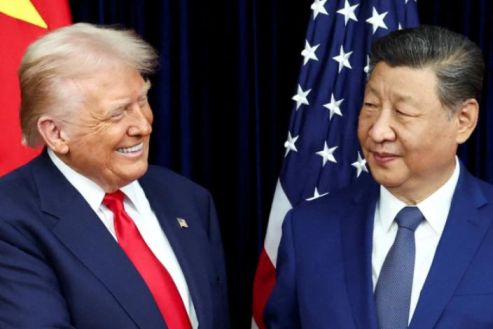
The Strait of Hormuz, a major maritime choke
point for global energy trade, has experienced ongoing geopolitical and economic
disruption since 28 February 2026, following joint military strikes by the
United States and Israel on Iran, which included the killing of Iran's
supreme leader, Ali Khamenei. In response, Iran launched retaliatory
missile and drone attacks on US military bases, Israeli territory, and
other Gulf states, while its Islamic Revolutionary Guard Corps (IRGC)
issued warnings prohibiting vessel passage through the strait, leading to
an effective halt in shipping traffic. Going
Forward.
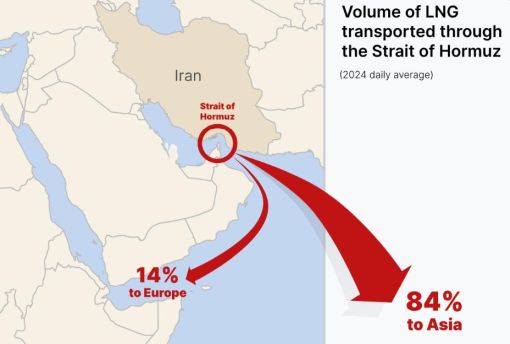
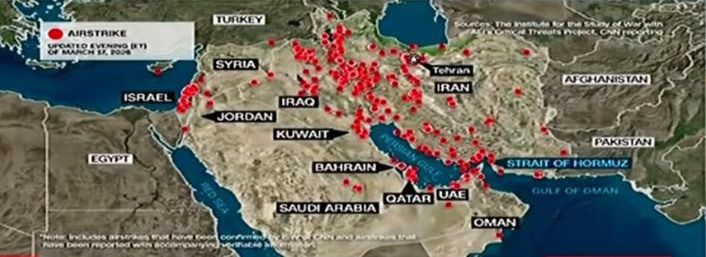
UK
foreign secretary denounces 'reckless Iran threats' after missiles fired at
Diego Garcia. Iran reportedly fired two ballistic missiles at an Indian
Ocean base, but neither reached the target.
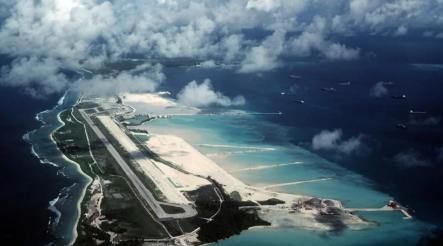
The
Israel Defense Forces (IDF) said that it has carried out wide-scale air
strikes in Tehran, hitting dozens of targets. The IDF said the Israeli Air
Force struck sites overnight used to produce critical components for
ballistic missiles, including a complex belonging to the Islamic
Revolutionary Guard Corps (IRGC). The IDF added that it also struck several
Iranian defense systems across Tehran. While the UK hits back at Iran's
attack after missiles were fired at Diego Garcia.
|
The
Iran war has entered its fourth week with the US and Israel continuing
their air strikes on the country and its top leadership. Now, with Trump
urging NATO and EU allies to help the United States secure the Strait of Hormuz, the key oil route, Iran has
mocked Washington for "begging" the European Union for help. In
fact, it has offered to protect Greenland from Trump.
Three
weeks into the war, the United States faces a stark choice: continue
escalating in pursuit of ill-defined objectives or recalibrate and seek a
way out. The most prudent course is the latter. Trump should declare that
the U.S. military has substantially achieved the more limited set of
military objectives - degrading Iran’s capabilities - and signal a
willingness to halt further escalation. He should pair this message with
assurances and public statements that the United States will rein in Israel
and will support future attacks on Iran only if Tehran restarts its nuclear
program or strikes regional partners. The U.S. Has No Good Options in Iran.
Trump Needs an Off-Ramp.
The
Pentagon speeds up the deployment of 4,500 US Marines and the 11th MEU to
West Asia following Trump’s 48-hour ultimatum to Iran over the Strait of
Hormuz. Trump orders the speed up of US
troops to West Asia amid Strait of Hormuz crisis as Iran ultimatum looms.
China
is not shedding the labor-intensive industries that might be expected to
migrate to Southeast Asian countries with lower costs. Industries in
Vietnam, for instance, face immense pressure from the millions of cheap
orders - worth $2 billion monthly - that flow into the country every day
from Chinese e-commerce platforms. Imports of cheap Chinese textiles and
garments contributed to Indonesia shedding nearly 80,000 jobs in those
sectors in 2024. Local producers cannot compete with the scale and
efficiency of China’s world-leading industrial ecosystem. More than 2,000
economic development zones in China offer firms access to both upstream and
downstream suppliers all in one place. A large renewable energy firm like Trina
Solar, which assembles panels at an industrial park in eastern China’s
Jiangsu Province, for example, can find tempered glass, aluminum frames,
and other essential components within arm’s reach. Other Chinese firms have
turned to robotics and factory automation to offset rising labor costs
without moving production abroad. Midea Group, the home appliances giant,
has invested billions to convert its facilities into highly automated “lights
out” factories that can operate with as few as ten percent of the workers
required previously. Government policy has reinforced this shift with
national directives and heavy subsidies to promote industrial automation,
particularly in the low-skill manufacturing sectors most vulnerable to
offshoring. China Is Squeezing Southeast
Asia As Imbalances Grow, a Backlash Is Brewing.
Although
China and the United States are economic peers, China’s population is four
times as large, and its GDP per capita is only one-fifth of that of the
United States. China must, in other words, still find room for economic
growth to satisfy the aspirations of its people. Attempts by other
countries to stifle that growth are not only bound to fail but will also
create lasting resentments among the Chinese. The solution is stable trade
regulations, open financial markets, and technological exchanges that are
only restricted by clear and demonstrable national security needs. American
and other foreign companies still have a great deal to offer in China if
they are allowed to compete on equal terms. How
America and China Can Avoid the Blunders That Led to World War I.
The
United Nations' top rights official, Volker Turk, on Wednesday urged states
to end the Iran conflict, describing the situation as extremely dangerous
and unpredictable. Iranian strikes pose
‘existential threat’, Gulf states tell UN.
In
search of an intellectual framework to explain Trump’s worldview, the
administration and commentators alike have turned to realism. The realist tradition
has roots that run through U.S. presidents as diverse as John Quincy Adams,
Dwight Eisenhower, and George H. W. Bush, as well as prominent thinkers
including Hans Morgenthau, Kenneth Waltz, and John Mearsheimer. Academic
realists have spent decades questioning whether states seek security or
maximum power, under what conditions alliances are beneficial or
entangling, and whether the post–World War II liberal international order
was anything more than window dressing for American hegemony. They also
readily acknowledge that intellectual realism doesn’t easily translate into
clear prescriptions for U.S. foreign policy. The False Promise of “Flexible
Realism”: Trump’s War on Iran Reveals a
Foreign Policy Without Principles.

The
Gulf states are not pro-Iranian. They are frightened of Iran and angry about
its targeting of their economic assets and infrastructure. But they are
also, for the first time in a generation, seriously questioning the value
of their alignment with Washington. That doubt is precisely what Iran has
been working toward. A Gulf that no longer fully trusts Washington’s
security guarantees is a Gulf less willing to host American bases, share
intelligence, or finance U.S. military operations in the region. Iran’s
long-term security depends not on defeating the United States militarily
but on making the cost of the U.S. presence in the Gulf too politically
expensive for its Arab hosts to sustain. Iran’s
Long Game Decades of Preparation Are Paying Off.

A
compromise with Iran would not entirely end the risk of a new war and would
require continued American vigilance. Critics might decry it as too little
to justify the huge military effort and risks of the present campaign.
Nevertheless, compromise now would contribute more to the underlying goals
of regional stabilization and American credibility than the alternatives of
regime change or allowing Tehran to re-create the means to threaten the
region. And most importantly, it would prevent Iran from becoming a trap
for the United States, similar to what Ukraine has been for Russia. The War
in Iran Could Become Like the War in Ukraine: How
America Can Avoid a Russian-Style Quagmire.


|
|
|
|
Israel
launches "wide-scale" strikes on targets in western Iran, the
Israeli military says Iran and Israel traded strikes overnight, while
missile and drone interceptions have been reported in Gulf states
Meanwhile, US President Donald Trump says Iran
wants to make a deal to end the war, but he doesn't want to yet
"because the terms are not good enough" Any hopes the US may have
had that its massive firepower would somehow force Iran to sue for peace on
Washington's terms have been frustrated. Trump adds the US has
"demolished" Kharg Island, Iran's
critical oil export hub, but that "we may hit it a few more times just
for fun." Elsewhere, the UK says it is discussing a "range of
options" to secure the Strait of Hormuz after the US called for
countries to help secure the shipping lane.
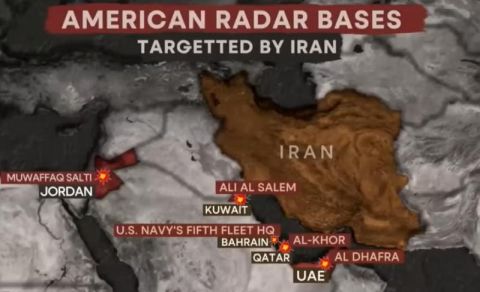
At
least eight injured in missile attacks as cluster munitions cause
widespread damage; IRGC threatens to ‘pursue and kill’ Netanyahu; US orders
evacuations from Oman, Iraq.
Earlier,
Japan’s strategy was to leave geopolitics to the United States so that
Tokyo could focus on economic growth and improving diplomatic ties with
partners around the world. Every Japanese government since World War II had
interpreted the peace clause of Japan’s constitution, which renounces the
right to wage war to resolve international disputes, to mean that Japanese
forces could not participate in coalition military activities with the
United States or other regional allies except for the purpose of defending
Japan (the so-called ban on collective self-defense). This clause was the
perfect excuse to keep Japan out of wars in Vietnam and the Middle East.
But for Abe, facing a rising China, it was a liability. Japanese leaders
could no longer step aside while the United States led the way; the
Japanese archipelago, after all, would now be on the frontlines of any
future conflict. Instead of avoiding entanglement in American wars, Japan
now needed to help shore up U.S.-led deterrence in Asia. How Takaichi Can Triumph.
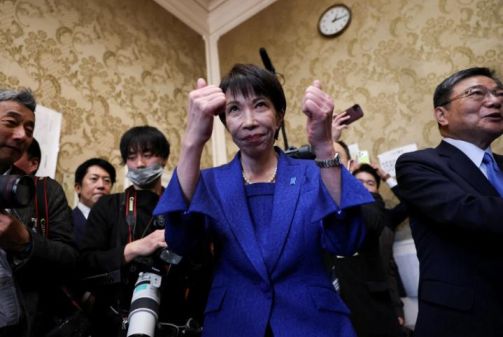
External
Affairs Minister Subrahmanyam Jaishankar said India’s direct talks with Iran
helped reopen shipping through the Strait of Hormuz, allowing Indian LPG
carriers to pass safely. He stressed there is no blanket deal for Indian
vessels amid tensions linked to the Iran–Israel war. Special Coverage.
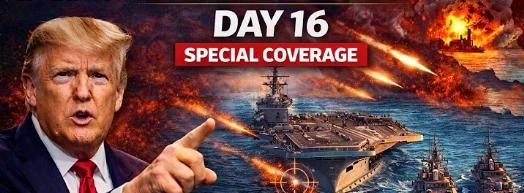
Even
if Trump’s successor resumes praising voluntary ESG standards and
reinstates key environmental regulations, it will be harder than ever for the
public to believe that companies can really be motivated by the desire to
make the world cleaner and fairer. Moderation in politics is undergirded by
broadly shared economic growth. For years now, public anti-system sentiment
has led to electoral wins for “outsider” or extremist parties. The source
of such sentiments is not difficult to understand: contemporary capitalism
is not working for most people. To avoid a deepening spiral into political extremism
and dysfunction, governments everywhere will need to ditch the Friedman
doctrine for good. The realization that corporate ESG was a fiction creates
a true opportunity for the actions that will change the world for the
better. Good Riddance to Corporate Social Responsibility: The End of an Unnecessary Fiction.

The
Trump administration is right that the transatlantic relationship needs to
be restructured. The universalist, legalistic approach to international
trade pursued in the 1990s is not appropriate in an era of great-power
competition. The new trade deals that Washington signed with the European
Union and the United Kingdom in 2025, with their focus on economic security
and tackling Chinese overcapacity, are a step in the right direction. Yet
Washington’s other actions have undermined these achievements. Trump’s
repeated willingness to accept Putin’s manipulations at face value has
baffled and frustrated Ukraine and its close European partners. The
president’s chaotic approach to negotiation has undermined the very trade
deals his administration has negotiated. Worst
of all, Trump’s push to acquire Greenland has forced NATO partners to
question the fundamental assumptions on which the alliance is based.
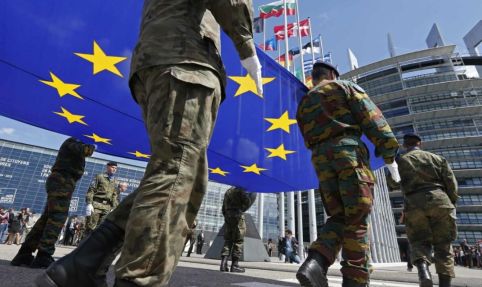
Underneath man shopping in Tehran March 15.

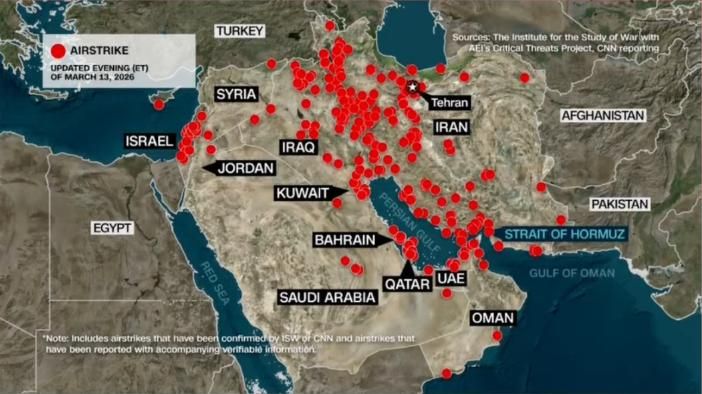
|
Trump
could continue to prosecute the war in Iran by persisting with his devastating
aerial campaign. But this is already yielding diminishing returns, given
that the U.S. military has already struck most of its targets. The
alternative is to put American boots on the ground. That comes with awful
risks and is precisely what Trump, as a presidential candidate, repeatedly
pledged never to do. But it may be the only way to ensure an Iranian regime
more amenable to his demands. Trump may also consider smaller, more
targeted operations related to maritime security or Iran’s nuclear program.
But these, too, would pose significant risks to American soldiers and
likely prompt retaliation, and there is little chance that they would lead
to Iran’s capitulation. How the US’s War on Iran Backfired. Will Tehran Now Set the Terms for Peace?
Trump
seeks Help to reopen Hormuz. Europe Says No. After months of bashing allies,
the White House finds itself fighting largely alone. In addition, a 30-hour
blaze, 600 sailors without beds: Massive fire
engulfs USS Gerald R Ford. While China said on March 17 that it
will provide humanitarian assistance to Middle Eastern countries, including
Iran.
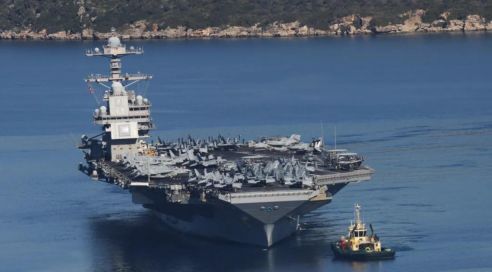
Proof
of life or final message? Ali Larijani's X post fuels speculation after Israel
claims Iran's top official is dead:
Israel's
defence minister says its military has killed Iran's security chief Ali
Larijani in a strike - read more about him. Larijani was last seen in
public at a Quds Day march in Tehran on Friday. Iran has not confirmed
whether he has been killed or injured.
Drones and rockets were launched at the US embassy in Iraq's capital
Baghdad overnight, in the second such attack of the war, BBC Verify
examines videos of interceptions. The UAE's defence ministry says it is
intercepting drones and missiles from Iran, with Qatar saying it has also
been targeted by missiles. One Iranian tells BBC Persian the war is
"really destroying my nerves", while Tehran's Ministry of
Intelligence says it has confiscated "hundreds of Starlink
devices", which are used by some Iranians to access the internet. In
the US, a top counterterrorism official resigns over the ongoing conflict,
saying "Iran posed no imminent threat to our nation."
The
Middle East now appears to be moving away from a recent period of cautious
de-escalation, marked by an uptick in multilateral diplomacy and greater
consideration of regional frameworks grounded in the principles of
collective security. In its place, a more confrontational geopolitical environment
is taking shape - one defined by renewed military competition, hardened
alliances, and diminished prospects for diplomatic accommodation and
security coexistence between Gulf states and Iran. In this sense, the
Middle East may be returning to an earlier era, one in which security
dilemmas dominated regional politics and cooperation became increasingly
difficult to sustain. Unless a major diplomatic breakthrough halts the
current escalation, the Gulf and the broader Middle East may be entering a prolonged
period of instability marked by persistent military confrontation, rising
economic uncertainty, and the steady narrowing of any space for regional
cooperation. The clock, in many ways, seems to be turning backward. How the Iran War Is Returning the Region to a More
Insular, Conflict-Prone Era.
The
U.S.-Israeli strategy is likely to produce one of four possible end states
for Iran. The most likely among them is that the regime survives. It
crushes any revolt that follows the end of the air campaign. It appoints a
new leadership and begins rebuilding everything that it lost. It will be an
Iran without former Supreme Leader Ali Khamenei, who, for all his monstrous
behavior toward his own people and the rest of the world, took care to avoid
actions that would provoke a major U.S. response. The next version of the
regime, with his son, Mojtaba Khamenei, at the helm, is likely to be more
reckless, aggressive, anti-American, and anti-Israeli than its predecessor.
It is likely to be far more committed to developing nuclear weapons - to
deter another U.S. or Israeli attack, at least, and possibly to enable Iran
to attack other countries. This version of Iran could well be worse for the
United States and Israel than the prior one. How to Raise the Odds of
Regime Change in Iran: The U.S. Can Make
It Easier for Iranians to Revolt.
|
|
|
|
A
report claims Trump’s advisers urged him to outline an exit plan for the
Iran war and adopt stronger messaging to maintain public support. The White
House dismissed the report as false, saying Operation Epic Fury will
continue until the president decides the war’s objectives are being met.
The
U.S. military cannot afford to wait until the 2030s for its stockpiles to
be restored and increased. And the United States cannot afford these
expensive systems in this new age of war. Firing a multimillion-dollar missile
at a projectile that costs $35,000 is as unwise as it is unsustainable.
LUCAS shows that there is another way. Just as Roosevelt recognized that
World War II required mass production, so, too, must policymakers recognize
that, in the age of precision mass, the U.S. military requires more than
just exquisite capabilities. It needs drones, it needs them in droves, and
it needs them now. Iran’s Drone Advantage: The
Pentagon Copied Tehran’s Technology but Is Still Struggling to Keep Up.
During
his time as chairman of the Joint Chiefs of Staff in the early post-Cold
War era, Colin Powell, who later served as U.S. Secretary of State, argued
that the United States should not commit to a war unless it has
overwhelming force, an exit strategy, a vital national interest, a clear
objective, and broad support. This idea, which became known as the Powell Doctrine,
has been sidelined in recent years. Yet it remains relevant. Perhaps the
ultimate objective of the Powell Doctrine was not to avoid defeat, per se,
but to avoid mid-sized wars. And for great powers such as the United
States, avoiding middle-sized wars means being very careful about the small
wars it gets involved in. The Curse of
Middle-Sized Wars In Iran, Trump Risks Falling Into a Familiar Trap.
US
Senator Chris Murphy said a briefing on the
Iran war revealed unclear goals and an “incoherent” strategy by the Trump
administration. He warned that the conflict could become an endless war.
His remarks come as Trump and his team issue conflicting statements on the
war’s endgame.
Prime
Minister Narendra Modi emphasized that the ongoing crisis underlines the
importance of India becoming energy secure and economically independent. He
said the Middle East crisis and the resulting energy shortage show how
important it is for a nation to be self-reliant.
A
banner is displayed at Valiasr Square in central Tehran on March 10, 2026,
depicting Iran's late supreme leader Ayatollah Ruhollah Khomeini (L)
watching as his successor, the late Ayatollah Ali Khamenei (C), hands over
a national flag to his son and new supreme leader Mojtaba
Khamenei (R).
Three
commercial ships have been damaged by "unknown projectiles" in
the Strait of Hormuz. Here's why the shipping channel
is so important: 23 crew members on board
one ship are being rescued.
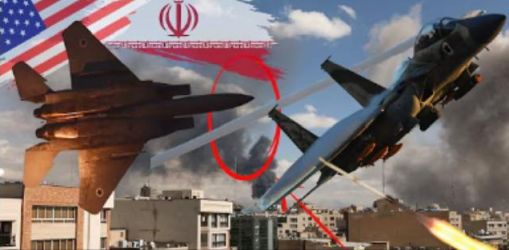
|
Should
the regime in Iran outlast the U.S.-led campaign, it will likely declare
victory. It will make this declaration on moral grounds, claiming that it
had successfully withstood a war conducted by two of the world’s most
powerful militaries and aimed at ending the Islamic system. Such claims are
what held the regime together during its nearly eight-year war with Iraq in
the 1980s and allowed it to deem that disastrous conflict, which killed
hundreds of thousands of Iranians, a win for the 1979 Islamic Revolution.
The Dangers of a Weak Iran: How a Wounded
Islamic Republic Can Still Threaten the World.
The second on the
left is Prince Reza Pahlavi, the former crown
prince of Iran.

Oil prices soar
past $100 as tankers are attacked in the Gulf and Strait of Hormuz.

Even
if the United States and Israel pursue a maximalist strategy of
decapitation, hoping that the regime eventually runs out of replacements,
detailed succession planning and the IRGC’s decentralized structure provide
enough redundancy to prevent the collapse of the Iranian state. A scenario
in which the IRGC decides to dispense with velayat-e faqih. The New
Khamenei: How America and Israel Solved
Iran’s Succession Problem.
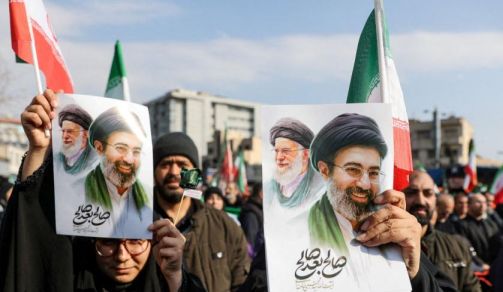

Faced
with the unappealing task of trying to defend the strait in the middle of a
shooting war, the United States might try to respond to Iran’s escalation
with escalation of its own. But those choices present problems, too. For
example, the United States might decide that it needs to control the
Iranian coast by inserting Marines or special operations forces, but the
entry of ground forces would raise the risk of casualties and a quagmire.
Or the United States could try to escalate its bombing campaign to coerce
an end to the war, but the United States and Israel may be running out of
targets with which to bring about such pressure on the regime. Indeed, this
is likely why the regime now seems much more willing to close the strait
than ever before. The Hormuz Minefield In the
Strait, Iran Holds the Advantage, and the U.S. Has No Good Options.

A
dramatic anime-style video of the Iran war has gone viral on social media.
The video depicts the US and Israeli strikes on Iran that killed Iran’s supreme
leader, Ali Khamenei. Following Khamenei’s death, his son Mojtaba Khamenei has been chosen as the new
supreme leader of the Islamic Republic. As the tensions escalate, the war
has expanded to Iran’s neighboring Gulf nations, which Tehran has accused
of aiding the US and Israel in the strikes.
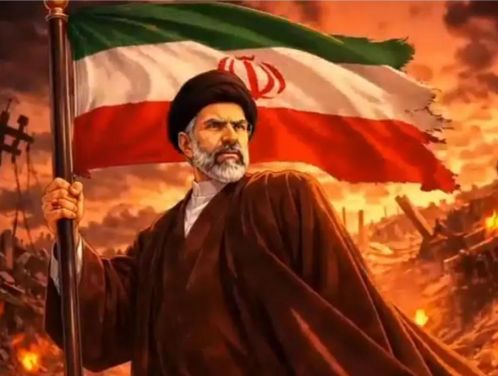
Successive
US presidents have talked about the need to “pivot” to Asia and concentrate
US efforts on meeting the economic and military challenges posed by a
rising China. The war in Iran demonstrates, yet again, that the wider
Middle East has a way of sucking America back in. Trump’s National Security
Strategy, published just last November, said Iran had already been
significantly weakened and that the Middle East was consequently a less
troublesome region. How the bombing of Iran sent shockwaves around the
world. Two weeks in, and the consequences of
Operation Epic Fury are being felt around the world.
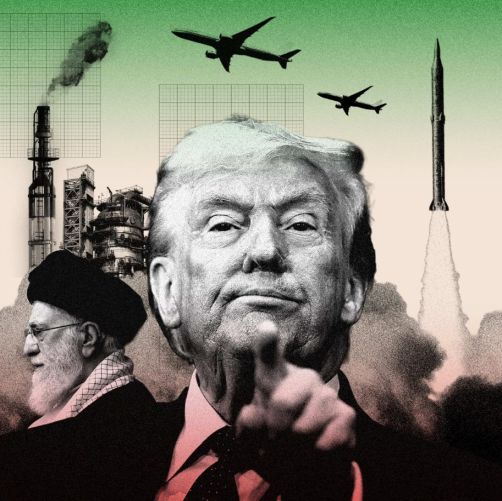
|
|
|
|
Israel
carries out attacks on Lebanon and Iran, saying
it hit a missile launcher in Qom and an “aerial defence system” in
Isfahan, while blasts are also reported in Tehran. Iranian attacks were
reported in Israel, with air raid sirens in Tel Aviv and Jerusalem, and explosions
seen in the sky as strikes were intercepted.
Iran's
army said Saturday its navy had launched a wave of drone attacks targeting
Israel as well as US bases in the UAE and Kuwait, as the regional war raged
into its second week. ~~ "The Iranian Navy targeted American bases and
occupied territories with a massive wave of drone attacks," the army
said in a statement carried by the official IRNA news agency. ~~ It said
the targets included the UAE's Al Minhad base and another in Kuwait, as
well as a "strategic facility" in Israel.
Iran's
President Masoud Pezeshkian said today that his
country will not surrender to the United States and Israel after the US
President’s latest warning that there will be “no deal” with Tehran unless
it agrees to an “unconditional surrender”.
Israel
announced a new wave of “broad-scale” strikes on Tehran on March 7 as the
escalating war in the Middle East entered its second week. White House Press
Secretary Karoline Leavitt said when the President determines Iran no
longer poses a threat to the US and the operation’s goals are realized,
“Iran will essentially be in a place of unconditional surrender, whether
they say it themselves or not.”
President
Trump has vowed to hit Iran "very hard" today, and says the US
military is considering new targets in the country.
Trump’s
warning: US President Donald Trump says Iran “will be hit very hard”, with
new areas of the country under consideration for “destruction and certain
death.” Whereby the Islamic Revolutionary Guard Corps (IRGC) announced that
‘Iran is capable of a 6-month intense war.’ Trump
accuses UK PM of seeking to 'join wars after we've already won.'
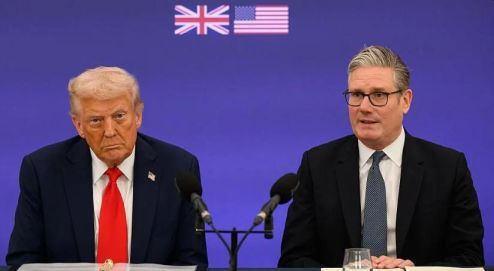
Reza Pahlavi 'Accepts' Transitional Leadership
of Iran:
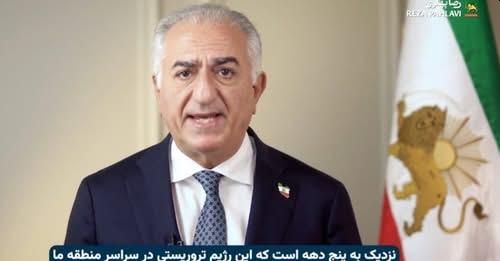
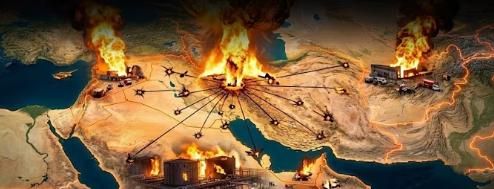
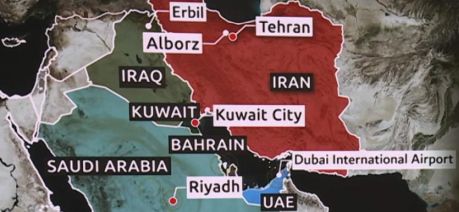
Bombing of
Tehran:
|
Mojtaba
Hosseini Khamenei (born 8 September 1969) is an Iranian politician and Shia
cleric who, following the death of his father,
has served as the third supreme leader of Iran since 8 March 2026. A member of the Khamenei family, he is the second son
and successor of Ali Khamenei.
A
foreign policy approach that bashes allies for “civilizational erasure” and
treats alliances as encumbrances is unlikely to prevail in great-power
competition over time. The twenty-first century is already being defined by
the global competition between liberal democracies that emphasize
individual freedoms and illiberal autocracies that emphasize collective
goods. In this global contest, the United States cannot succeed
economically, diplomatically, or militarily without cooperating with its
closest allies. For decades, U.S. alliances have been rooted in a shared
devotion to the principles of liberal democracy, and American strength has
been determined by how closely it hews to these ideals at home and abroad.
A postliberal foreign policy risks squandering this source of enduring
strength and leaving the United States weaker as a consequence. The
Postliberal Superpower: What Abandoning
Democratic Allies Will Cost America.
If
Iran’s strategy is to widen and politicize the conflict, the United States
faces a choice. One path is doubling down: the United States could ramp up
its airpower campaign by bringing additional air assets into the fight to
suppress Iranian launch capabilities and create the conditions for
extending aerial control over the skies and surveillance on the ground. As
with the imposition of no-fly zones against Iraq in the 1990s, doubling
down to reestablish escalation dominance and control can be tantamount to a
strategy of permanent aggressive military containment and control over
Iranian airspace, one that could last for years. The adoption of precisely
this extended aerial control and surveillance approach with Iraq in the
1990s only set the stage for the 2003 U.S. ground invasion. Permanent
aerial occupation does not lead to political control, and without greater
political control, Iran will continue to pose a plausible threat to U.S.
interests - especially since its nuclear program persists in some form or
another. In this way, an ostensibly restrained policy could actually
precipitate greater commitment. Why
Escalation Favors Iran, America, and Israel may have bitten off more than
they can chew.
Wars
are not judged by how well they start. They are judged by how they end, and
by whether the country that started the fight is stronger or weaker when
the guns finally go quiet. The U.S. troops executing these operations are
serving with extraordinary professionalism, but that cannot substitute for
clarity of purpose. The questions being asked too quietly right now are the
ones that will ultimately determine whether this war is worth
fighting. What Is the Endgame in
Iran? Trump Needs to Figure Out What He Wants,
and Quickly.
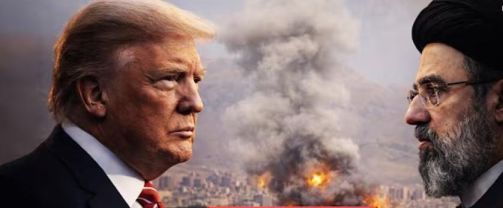
The
Trump administration is currently trapped between the specter of a global
economic recession and a naval catastrophe. As the conflict with Iran
intensifies, the world’s energy arteries are constricting to a point of
“nonlinearity,” where every day the Strait of Hormuz remains closed doesn’t
just double the economic pain, it multiplies it exponentially. The Trump administration is working to resolve the
oil crisis on several fronts.
|
|
|
|
Eric
Vandenbroeck, seen here after crossing Iran, arrives at the border of
Afghanistan:
Pentagon
briefing: US Defense Secretary Pete Hegseth said the goal of the strikes on
Iran was not regime change, “but the regime sure did change and the world
is better off for it.” Joint Chiefs of Staff Chairman Gen. Dan Caine said
the war against Iran would not be a “single, overnight operation.”
Expanding war with Iran: Iran’s top official said Tehran “will not
negotiate” with the US. Israel and Hezbollah are trading blows as the
conflict widens, while explosions have been heard in Gulf cities, including
Dubai, Abu Dhabi, and Doha.
Trump
flags potential escalation in Iran assault. He also said it was the “last,
best chance” to hit the US's arch-foe in his first public comments since
launching the operation.
Taiwan
should better maintain its position as an indispensable player in the
global economy and work to enhance its value to the world. This means
continuing to embrace Taiwan’s democratic institutions, civil society, and
human rights record, which remain critical sources of international
legitimacy and soft power. The fact that international assessments have
repeatedly ranked Taiwan as one of Asia’s most robust democracies, and in
many cases one of the world’s, is a point of pride. Taiwan’s democracy is
nonnegotiable. Taiwan Doesn’t Have to
Choose Cross-Strait Peace Requires Working with Both Beijing and Washington.
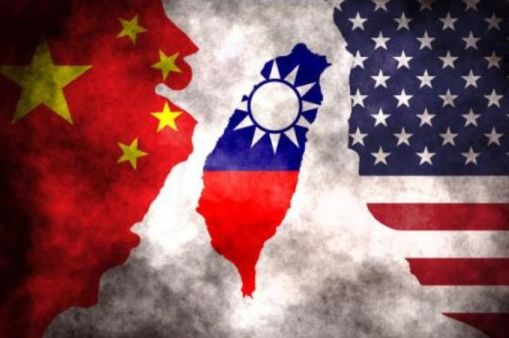
Following
the limited use of force against the Houthis, a bilateral agreement
produced a better outcome than ignoring the attacks on U.S. shipping. It
was also better than using pure military force, as Saudi Arabia and the
United Arab Emirates attempted for years. Likewise, the world is better off
without Iran’s nuclear sites at Fordow and Natanz, and without Soleimani
running the Islamic Revolutionary Guard Corps. The jury remains out on
Venezuela, but it is still possible that a democratic transition occurs and
the country avoids a descent into domestic chaos. Short, sharp uses of
force that preserve flexibility in decision-making, leverage ambiguity and
surprise, minimize the chances of quagmire, and end with a “good enough”
outcome might be the best approach to many cases. Trump’s Way of War: Iran, Venezuela, and the End of the Powell
Doctrine.
Although
the United States probably can’t unseat the regime with airstrikes, it has
a rare chance to influence Iran’s next political order through diplomacy.
Trump may be inclined to deal directly with whoever is left standing after
the war, but he must avoid any deal that cements the power of the current
elite. There are already reports that some historically pragmatic regime
officials, such as Larijani, have tried to restart nuclear negotiations
through Omani mediators. A bad agreement could be a lifeline for the
vestiges of the revolutionary state. Now that U.S. and Israeli strikes have
taken out some of Tehran’s most menacing leaders, Washington and its partners
should set a high bar for deciding with whom they will negotiate. How Long Can the Iranian Regime Hold On? Change Is
Coming, but It Won’t Be Fast.
Thousands
of ships stuck in the Strait of Hormuz:
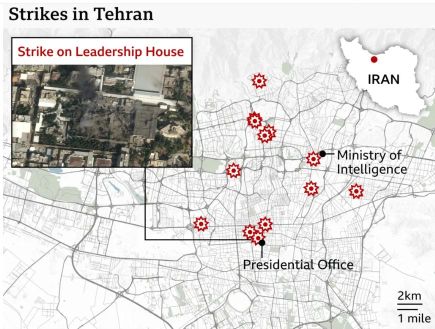
|
Australian
Prime Minister Anthony Albanese said on Wednesday there was “no
justification” for Iran’s attacks on civilian areas in the Middle East in
retaliation for US and Israeli strikes.
Beijing
is an unentangled superpower, but one with key interests at stake. How China Sees the War in Iran.
Is
Hezbollah Still a Threat? Iran’s Favorite
Proxy Is Not What It Once Was.
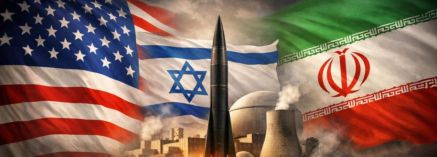
The Gulf Dilemma
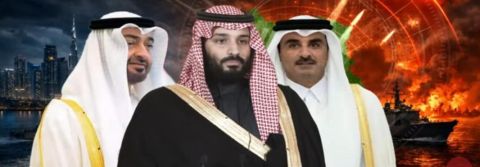
As
the United States considers how best to protect its interests across an
array of theaters, Israel should be a security partner of choice. But if
questions about the value of the partnership continue to mount, that will
make it increasingly difficult for U.S. military leaders to turn to Israel
for help in times of both crisis and peace, America and Israel’s War to
Remake the Middle East: The Perils for the
Region, and the Alliance.
The
U.S. and Israel’s attack on Iran is the most consequential military
operation in the Middle East in more than two decades. The killing of Supreme Leader Ayatollah Ali
Khamenei has plunged the Islamic Republic into its gravest crisis since the
1979 Revolution.
Fundamental
questions remain unresolved: How long will the war last? Does the U.S. want
a transfer of power to a new government in Tehran or full-blown regime
change - and if so, how? Will the Islamic Revolutionary Guard Corps
collapse or harden? And what is the economic cost of this war? (Already,
oil prices have surged and shares have slid.)
President
Trump embarked the United States on a risky path in his first
administration when he rejected a nuclear deal that, although imperfect,
had been working to limit Iran’s enrichment capabilities. Over the
following eight years, sanctions and negotiations failed to bring about a
new agreement. Last June’s U.S.-Israeli strikes set back Iran’s nuclear
program but did not end it, and Trump’s inconsistent focus on and
assessment of the issue since then have only made it harder to reach a
successful outcome. He must now take responsibility for the nuclear risk
the world is facing and lay out a clear plan for fixing a problem that, in
his two terms as president, he has made manifestly worse. The Abiding
Question of the Iranian Bomb: America Needs a
Plan for Tehran’s Nuclear Program.

On
February 28, U.S. President Donald Trump authorized a massive military
campaign against Iran. Working in concert with the Israel Defense Forces,
the U.S. military undertook strikes that first targeted the regime
leadership, killing Supreme Leader Ali Khamenei and others, and then
expanded to a broader assault on Iranian security forces. In the last few days, strikes have been launched
against the Islamic Revolutionary Guard Corps, the Iranian missile program,
the Iranian navy, and even local police buildings.
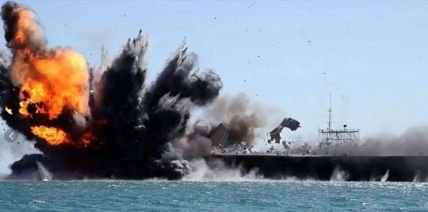
|
|
|
|
Iranian
students stage first large anti-government protests since deadly crackdown.

The
United States and its allies should start by getting their relationship on
a firmer footing. This will not be easy. Tensions between the Trump
administration and European governments have nearly boiled over on multiple
occasions, including because of U.S. designs on Greenland. A full break
between the United States and its allies would leave the continent much
more vulnerable to Russian aggression. Moscow has been careful to avoid a
direct conflict with NATO thanks, in large part, to Washington’s military
presence in Europe and its clear commitment to the continent’s defense.
Without that, Putin might become less cautious. Open fractures must
therefore be avoided. The Tragedy of Great-Power Foreign Policy: Do Realists Hold the Solution to a World in Crisis?
'Not
for terrorism': Canada to revoke 26/11
mastermind Tahawwur Hussain Rana's citizenship.
The
United States’ aggressive trade policies have presented an additional
challenge, especially as they arrive amid a weakening of the multilateral
trade system. In July 2025, Japan and the United States agreed to a 15
percent tariff rate on U.S. imports from Japan-a reduction from Trump’s
original proposal of 25 percent-in exchange for Tokyo’s commitment to
invest in the United States and purchase U.S. defense equipment. But this
arrangement did not take the traditional form of an international agreement
with a dispute-settlement mechanism. In the absence of such legal
assurance, either party may be tempted to depart from the deal if it judges
that the other party has not implemented its terms to a satisfactory
degree. With such arrangements, Tokyo and many other capitals are forced to
navigate an increasingly delicate balance of interests, relying on
subjective judgments rather than predictable rules. Japan’s National
Security Reckoning: How Tokyo Is Adjusting
to a More Dangerous World.
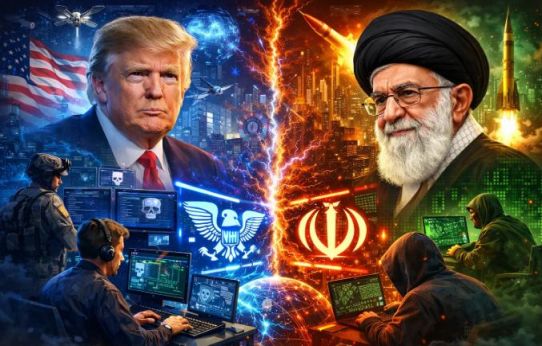
In
December 2025, newspapers in India carried an arresting, dystopian image:
scores of young people sitting obediently in rows on an airstrip in the
eastern state of Odisha to take an exam. Over 8,000 test takers had lined
up under the sun to compete for 187 posts in the police service. That so
many people were willing to take an exam in such inhumane conditions is
revealing. In India, government jobs have long been coveted because they
bring financial security and a measure of social prestige. But the
candidates in Odisha were vying for the lowest rung of the police service.
Such a large volume of candidates for such a poorly paid post reflects
widespread desperation among educated youth. India’s economy has failed to
generate opportunities for the country’s many young people, even as it has
recorded an average annual GDP growth rate of six to seven percent over the
past three decades. The US Needs an Alliance Audit. Not All Partnerships Are Worth Sustaining.
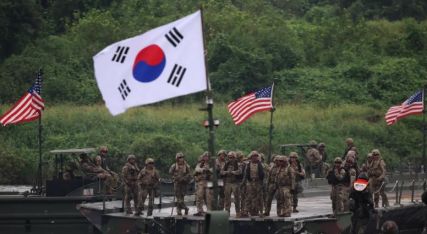
Activity
is not continuing...': Canada makes U-turn on terror
accusations against India ahead of Carney’s visit.
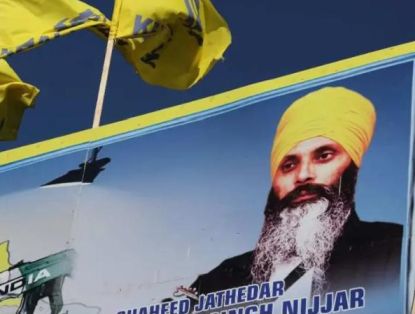
Strategically
speaking, Trump has no great reason to attack Iran. Tehran is a threat to
Washington’s Middle East interests, yes, but it poses no immediate menace
to the United States. In the aftermath of Iranians’ widespread protests and
their subsequent brutal massacre, sustained economic and diplomatic
pressure would have further weakened the regime without risking open
conflict. But this president is rarely satisfied with quiet victories. As a
result, he has made a major, flashier demand. Either the Iranian government
agrees to a grand nuclear deal in which it gives up all nuclear enrichment
and its missile program, or Washington
attacks.
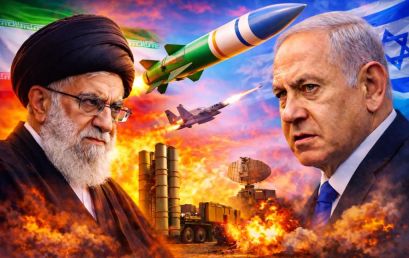
The
convergence of Israeli despair, political paralysis, and Trump’s savior
appeal creates a rare opportunity for the United States, as well as for
Israelis and Palestinians. Israelis want to change the status quo but do
not currently trust their political leaders to do so. They do, however,
trust Trump to do it for them. In this sense, Trump is Israel’s best hope
for overcoming the country’s missing strategic doctrine, eroding democratic
foundations, and failed political leadership. The task for U.S. policymakers is now to build a
diplomatic architecture around this reality.

|
Donald
Trump has ordered the deployment of Task Force Scorpion, America's first
Kamikaze drone unit, against Iran following the collapse of nuclear
negotiations, Bloomberg reported. The experimental military drone unit is
capable of self-detonation and is the latest addition to the military
build-up in the Middle East. This comes as the latest round of talks
between American and Iranian officials collapsed in Geneva over Tehran's
nuclear program. The two sides failed to reach a consensus on ending
uranium enrichment and dismantling Iran's nuclear facilities, the Wall
Street Journal reported. Special Envoy Steve Witkoff and Trump’s
son-in-law, Jared Kushner, have been leading the American delegation,
seeking to resolve tensions through diplomacy before they escalate
militarily. US Central Command spokesman Tim Hawkins said, "We
established the squadron last year to rapidly equip our warfighters with
new combat drone capabilities that continue to evolve." Hence, Ali
Khamenei faces the gravest crisis of his
36-year tenure, with the economy struggling under tightened sanctions and renewed protests following major unrest and a
bloody crackdown in January.
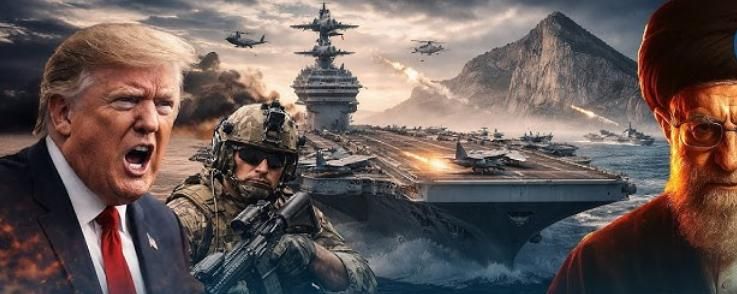
Beijing
is not scrambling to take advantage of Trump’s chaos because it does not
need to. It can take the same tack it always has: cooperating when possible
and retaliating when necessary, always with an eye to its own national
interests. It is ultimately Trump who is doing the heavy lifting of
shattering trust in the United States and pushing the world into China’s
arms. The United States needs to work hard to regain the trust of its
allies or risk forfeiting its most powerful advantage, soft power, over
China. China Is Winning by Waiting: How
Beijing Turns Predictability Into Power.
Shortly
before 3 am New York time, explosions have been reported in multiple
Iranian cities, including the capital Tehran, after Israel and the US
launched strikes Saturday morning. The US military is planning for several
days of attacks. Part One: Introduction.
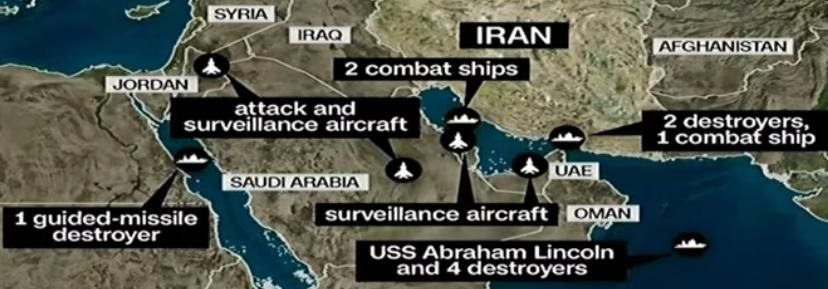
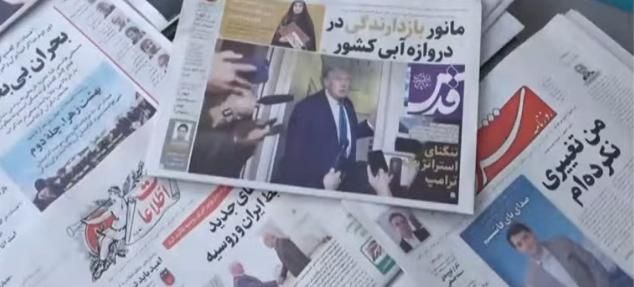
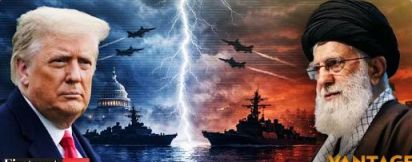
Is Iran targeting US bases across the Middle
East after joint strikes? From Bahrain and Qatar to Kuwait and the UAE, key
American installations are on alert. Which
American military bases could be in Tehran’s sights?
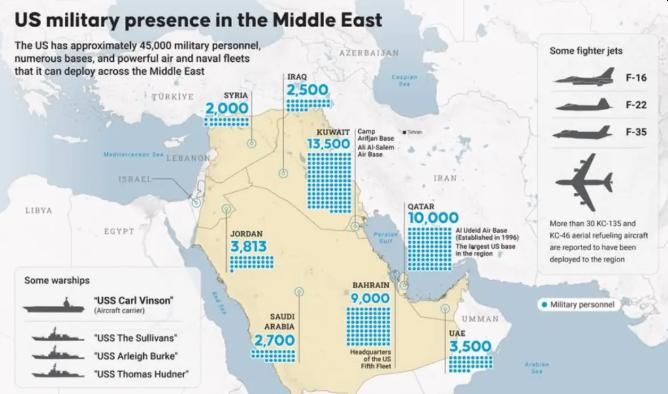
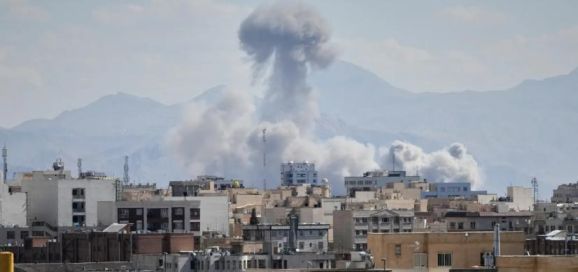
Israeli Prime Minister Benjamin Netanyahu on
Sunday (1 March) warned Iran of striking “thousands of targets” in the
coming days. He also called on Iranians to “overthrow
the regime of terror”. This comes after the US and Israel launched strikes
on Iran a day earlier, attacking over 30 targets and killing Iran’s supreme
leader, Ali Khamenei. The operation was named ‘Epic Fury’ by the US and
‘Lion’s Roar’ by Israel. The attacks came amid heightened tensions between
Washington and Tehran over its nuclear program. In retaliation, Iran
launched attacks on Israel and US military bases in the region, including
in Bahrain, Kuwait, the UAE, Qatar, Saudi Arabia, and Jordan.
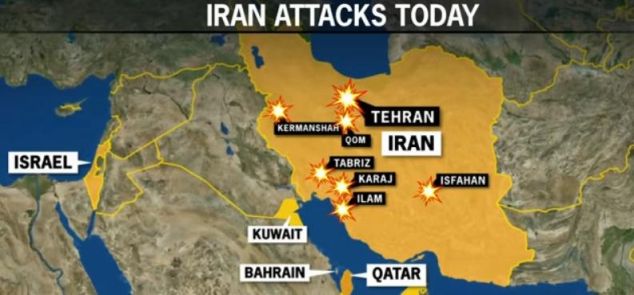
Any
strike that costs the United States lives and treasure could be a
potentially significant political blow to Trump, particularly given that he
ran for office based in part on avoiding military entanglements. Iran also
seems to believe that Trump’s preference is for limited and spectacular
rather than sustained and open-ended campaigns. Tehran may be hoping that
if it demonstrates the potential for unlimited escalation, Iran may be able
to dissuade Trump from pursuing his campaign further, just as he pulled the
plug on a costly and unwinnable war against the Houthis in Yemen last year.
Trump’s Iran Gamble: How the Latest
Strikes Risk Opening a Pandora’s Box in the Gulf.
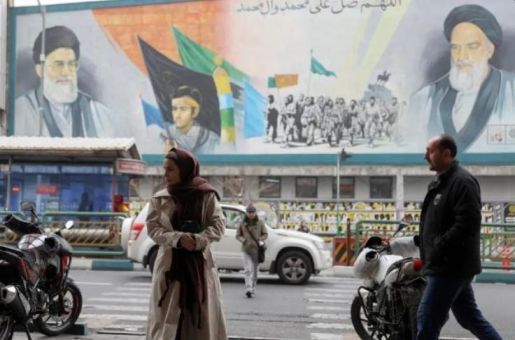
There
is an urgent need to better educate military operators on the strengths and
potential shortfalls of AI, especially AI-assisted decision-making tools.
Beyond education, operators need training and guidance on how to
effectively use new AI systems, which will be a challenge considering how
quickly these systems evolve. At the same time, important work still needs
to be done on the systems’ reliability, transparency, and cybersecurity
before commanders can trust and implement them consistently. These needs should
drive the Pentagon to embrace closer relationships with frontier AI labs,
the world’s leading experts on the technology, and contract not only for
technology licenses but also for field engineers and data scientists to
help expedite safe and effective AI adoption. This is, at least in part,
why the failure of negotiations with Anthropic is so concerning: ensuring
U.S. national security will require bolstering such partnerships, rather
than dramatic public spats. China’s AI Arsenal: The
PLA’s Tech Strategy Is Working.
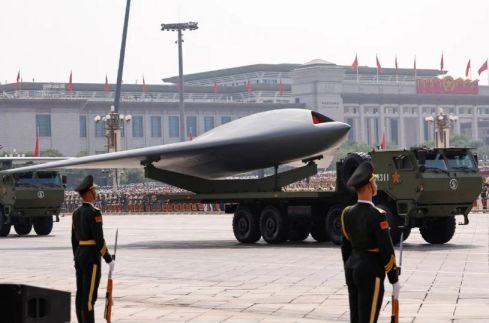
|
|
|
|
The
US military is preparing for Iran operations. Iranian politicians were seen
chanting "death to America, death to Israel" while wearing
military uniforms after the European Union designated Iran's paramilitary,
the Islamic Revolutionary Guard Corps, a "terrorist
organization". A second US carrier heads
to the Middle East.
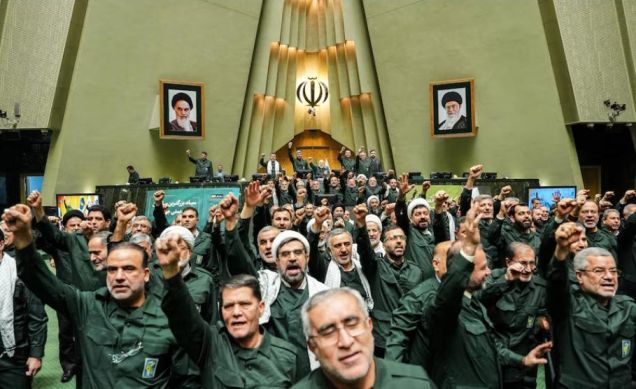
Wars
are contests of will and endurance as much as they are contests of systems.
Washington is visibly impatient, seeking a settlement by the summer, but an
artificial timetable cannot easily be imposed on this conflict. This is
not, and was never, simply about land. Moscow aims to impose its will on
Ukraine and destroy it as an independent state with a distinct national identity.
Ukraine suffers from exhaustion, but not desperation. Although Ukraine
faces challenges, time is less and less on Russia’s side, however much
Moscow portrays the situation otherwise. Moscow cannot wish away the
fundamental mismatch between the military means it has available and the
political aims it seeks to achieve. Ukraine’s War of Endurance: The Fight for Advantage in the Conflict’s Fifth Year.
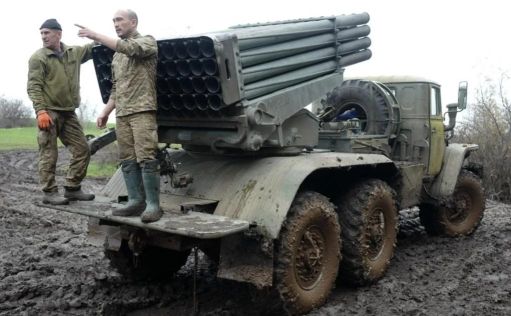
February
15-16, 2026, hundreds of thousands of people in the Iranian diaspora held
major solidarity rallies globally, including in Toronto (approx. 350,000)
and Munich (approx. 250,000) to support anti-regime protests following
intense security crackdowns in Iran. Protests
featured flags, chants for freedom, and addresses from exiled leaders.
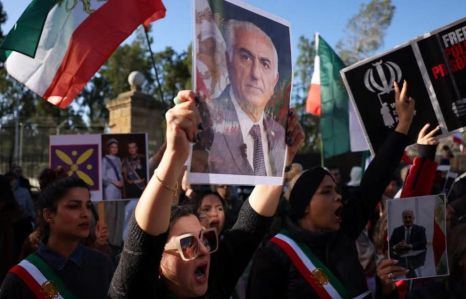
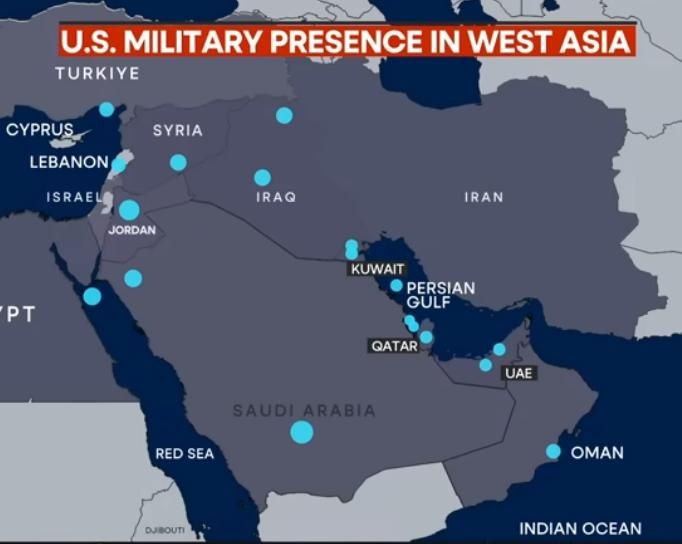
Trump's
new world order has become real. Europe is having
to adjust fast.
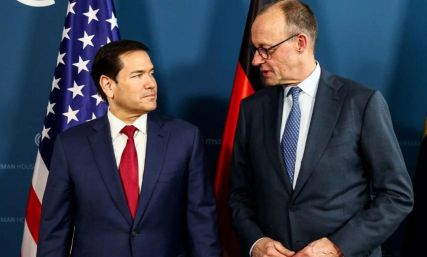
US
and Iranian officials are set to meet in Switzerland on Tuesday for a
second round of talks. Iran says the meeting will focus on its nuclear
programed the potential lifting of economic sanctions imposed by the US.
Washington has previously indicated it wants to discuss other issues as
well. The US build-up of warships and fighter
jets tracked near Iran. Location of the US aircraft carrier, the USS
Abraham Lincoln, near Iran.
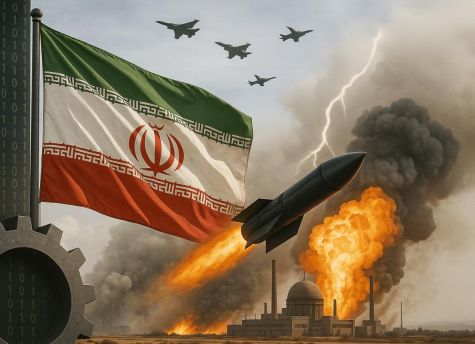
One
thing all Chinese in the world have in common is the Chinese New Year
today:

Global
frameworks have proved insufficient for many of the defining challenges of
the twenty-first century. Progress is more likely to come from persuasion,
coalitions of the willing, and direct cooperation among governments. This
concrete action will not just produce tangible and positive results; it
will also uphold democratic values-and in a more convincing way than the
lofty bureaucratic architecture of global institutions ever could. The
United States and other democratic states must stop deferring to the
sclerotic global order and find their own solutions to the major problems
of the age. The Globalist Delusion.
|
US NAVAL ASSETS
IN THE MIDDLE EAST
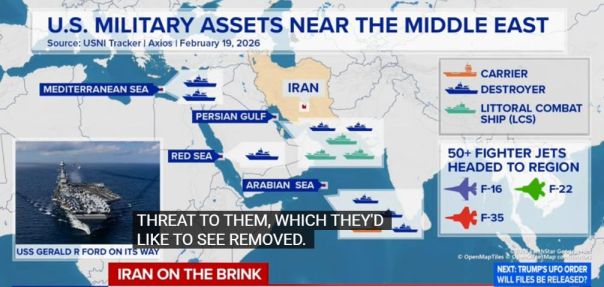
The
reason why the US has not taken any steps to attack Iran yet is that they
are currently taking measures that the various bases in the region (which
Iran threatens to strike) are safe in case of an attack. The intention is
to complete what the 12-day war failed
to do.
In
2024, Fumio Kishida, then Japan’s prime minister, told the U.S. Congress
that he detected “an undercurrent of self-doubt among some Americans about
what [the United States’] role in the world should be.” Today, that
undercurrent looks more like a tsunami, and countries in the Asia-Pacific
region are already seeking higher ground. What is left in its wake - where
the United States maintains its commitments, and where it pulls back-will affect
the lives of hundreds of millions of people in Asia. It is therefore time
for Americans to discuss not what would make for an ideal strategy, but how
to enact a realistic one. Even that may not be enough to contain China’s
growing influence. But after falling short of its grand ambitions in Asia,
the United States has left itself no other option. Asia After America: How U.S. Strategy Failed and Ceded the Advantage to China.

As
outlined in its most recent five-year plan, Beijing is extending the same
state-coordinated industrial strategy that propelled its rise in clean
energy manufacturing into emerging sectors such as autonomous vehicles,
artificial intelligence, and robotics. The objective is not simply
participation but leadership by anchoring next-generation technologies in
domestic supply chains and scaling them before global competitors can catch
up. The United States will benefit from its role as an oil and gas supplier
for decades to come, but China will erode its competitor’s technological
edge. U.S. firms still dominate AI models and chip design, but scaling
those operations depends on U.S. grids that remain fragmented, aging, and
contested. The United States has the resources, capital, and innovative
capacity to compete, yet political disagreements have prevented it from
adopting a workable strategy. Before it is too late, U.S. energy and
critical-mineral policies must be redefined to prioritize integration and
innovation over raw extraction. Washington will have far more success
embracing opportunities across oil, natural gas, nuclear, renewables, and
batteries than by focusing strictly on fossil fuels. Energy Dominance With
Chinese Characteristics: Why Beijing Holds the
Power in the Century Ahead.
US
prepared to strike Iran as early as this weekend, but Trump hasn't made a
final call.
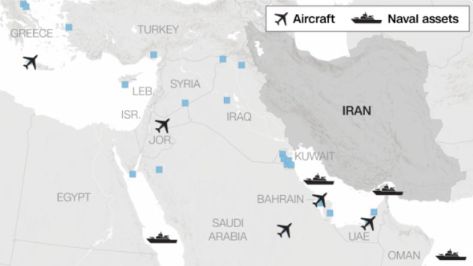
For
U.S. policymakers and planners, this lesson should prompt a reassessment of
the prevailing assumptions about future wars with Russia or China. Although
short, decisive conflicts remain possible-a rapid Chinese attempt to seize
Taiwan or a Russian thrust into the Baltic states, for example-and early
nuclear escalation cannot be ruled out, the war in Ukraine undercuts the
idea that great-power wars would necessarily be brief or quickly escalate
to nuclear use. A desire to keep the conflict geographically or militarily
contained, the fear of nuclear use, and the difficulty of either winning
outright or finding an acceptable off-ramp may instead push adversaries to
fight prolonged wars of attrition while attempting to contain escalation.
Ukraine and the New Way of War; Learning the
Right Lessons for the Conflicts of the Future.
Over
the past few days, one of the largest numbers of US bombers, fighter jets, transport
planes, and mid-air refueling tankers in modern history made its way
towards Iran US military moves into place for possible strikes on Iran.
|
|
|
|
China's
President Xi launched his anticorruption campaign around 2012, following
the downfall of Bo Xilai, who had been his rival to succeed Hu Jintao. In
its lurid details, that case evoked an airport novel: Bo’s wife had
murdered a British businessman who had been a fixer for the family.
Although we do not yet know what operatic feuds or basic miscalculations
led to Zhang Youxia’s demise, his ouster is a reminder of the folly of
applying algebraic logic to the dramatis personae of China’s political
hierarchy. There are likely to be many more acts in this unfolding play.
The real question for Xi is whether he can write the denouement that has so
far eluded him: a military that lives up to his unforgiving standards of
party loyalty and operational proficiency. President
Xi's Latest Military Purge Signals China’s Leader Is Entering a New Era.
As
US warships and aircraft have amassed in the region for a potential strike
on Iran, the country’s foreign minister, Abbas Araghchi, suggested that
talks could take place imminently. Donald Trump on Saturday said Iranians
were “seriously talking to us” as he hinted at a deal to avert military
strikes against Tehran. Iran has destabilized
the Middle East for too long.

The
immediate effect of China’s seeking to manipulate trade ties for leverage
would be an increase in the price of strategic products for the United
States, which would last for the duration of the crisis. Although such
costs are real, they need to be weighed against the economic burden of
subsidizing several domestic industries indefinitely, a burden that
decoupling or de-risking policies would impose even in peacetime. Without a
corresponding security benefit, these economic costs do not appear to be
justified. The Paradox of Wartime Commerce: Why
States Keep Trading Even in the Midst of Conflict.
What
Trump wants from Iran talks, and what Tehran is prepared to give. Iran’s nuclear program, missile arsenal, militia
network, and crackdown on protesters could all feature in upcoming
negotiations in Turkey.
When
the world asks, “Why is Taiwan so important?” we have a clear answer: by
working with Taiwan, allies and like-minded democratic countries will not
only find common ground. They will also stand to gain things they cannot
access elsewhere: added security, more prosperity, and vital knowledge
about democratic resilience. Whether Taiwan’s allies and partners are more
focused on values or interests, Taiwan can help. The Free World Needs
Taiwan: Solidarity Will Protect Prosperity.
Whereas
Russia is threatened by the success of states that slipped its grasp, China
is threatened by the structure of a one-sphere world. Lacking a sphere of
its own, Beijing’s late-twentieth-century ascent depended on integration
into the U.S.-led order. That strategy delivered extraordinary growth, but
at a price: it bound China to an international system designed to prevent
the emergence of new regional hegemons and to entrench open markets, open
information, and enduring U.S. military primacy. What enabled China’s rise
also constrained its expansion and threatened its political foundations. The U.S. Can Project Power with Little Constraint,
and Its Rivals Cannot.
As
Russia struggles to assert itself globally, Putin has become even more
obsessed with Ukraine. The situation on the battlefield is sustainable for
Moscow. Russia’s frontlines are holding, and its forces are making gradual
territorial progress, but Moscow is far from winning. Despite the flurry of
Ukraine-related diplomacy, peace talks have gone nowhere. Trump’s position
on the war continues to oscillate. Meanwhile, Europe is discovering its
agency and will not tolerate a peace plan tantamount to a Ukrainian
surrender. Assisted by Europe, Kyiv will refuse to yield preemptively to
Russia. The Limits of Russian Power: Why
Putin Isn’t Thriving in Trump’s Anarchic World.
Because
the United States has been pulling back, Europe will need to find military
formats and structures outside NATO with which to defend itself. And
although a European army remains unlikely for the foreseeable future, the
continent’s countries will have to create larger multinational military
formations to deter Russia. (There are already small examples of such
attempts, including a French-German brigade and some EU battlegroups,
although they have yet to be deployed.) In addition, the continent should
establish European command structures that tightly integrate the Bundeswehr
with other armed forces and offer an alternative to NATO structures at
times of transatlantic tensions. Deeper European military integration would
constrain German power by subjecting Germany to collective decision-making.
It would even hedge against an AfD-led government by making it virtually
impossible to extricate the Bundeswehr from joint initiatives without
taking drastic and unpopular measures, such as leaving the EU or other
cooperative European institutions. Europe’s Next Hegemon: The Perils of German Power.

|
The
decision to publish this deep dive and extensive article, into the modern
history of authoritarianism, going as far back as Mussolini and Hitler, was
initially inspired by a February 6 publication in Le Monde pointing to
metrics by which democracy is seriously declining. What History Reveals About Authoritarianism’s
Animating Force.

The
Hay'at Tahrir al-Sham (HTS) has transformed from an Islamist militia into
an authoritarian statelet, with its leadership seeking to consolidate power
and exert greater control over northern Idlib. The group's public
appearance of moderation has been used to appeal for its removal from the
U.S.-designated foreign terrorist organizations list, but this has not been
met with genuine ideological change. HTS is
supporting foreign terrorist groups such as Hamas and Palestinian Islamic
Jihad.
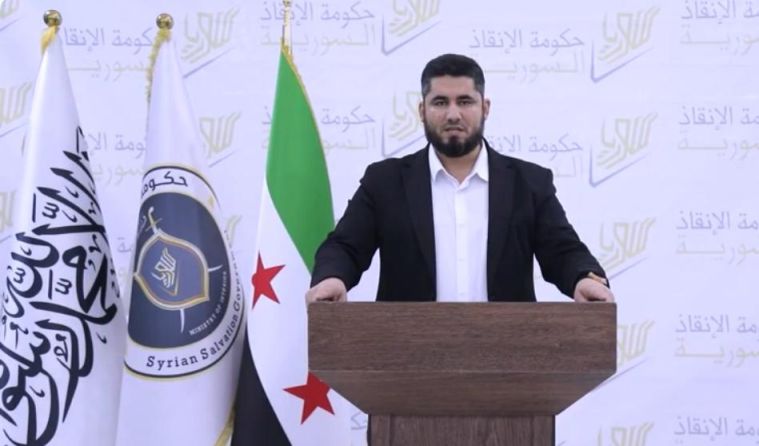
China
has embraced what it calls “new quality productive forces.” In this model,
productivity gains are the core of growth, and Chinese leaders intend to
use innovation and industrial upgrading to concentrate these gains in manufacturing.
The hope is that by developing their own proprietary technology, Chinese
firms will be able to lead emerging industries as varied as biotechnology
and electric vertical takeoff and landing vehicles (better known as flying
cars), which will, in turn, allow them to generate higher profit margins
than when they were merely producing low-cost knockoffs of existing
technologies. Beijing’s Growth Model Is
Still Broken and It’s Hurting China and the Rest of the World.
If
navigated well, middle powers can turn their strategic predicament into an
efficient division of labor backed by hard mutual leverage. On their
current trajectory, however, they are headed for a trap in which they will
bear the brunt of AI-driven disruption while capturing few of the benefits.
The outcome would be dire: two great AI powers barreling toward a technological
revolution with most of the world’s computing power and talent, leaving
most of the world’s citizens behind. The AI Divide: How U.S.-Chinese Competition Could Leave Most
Countries Behind.

Other
countries cannot simply expect that China and its authoritarian regime will
follow the Soviets into history’s dustbin. Indeed, contrary to Western hubris,
smart authoritarians have shown themselves to be adaptable and competent.
To meet the challenge of an innovative China, then, they must lean into the
strengths that have made it a technological powerhouse: world-class
educational institutions (and the overseas talent they attract),
well-regulated and deep financial markets, global financial leadership, a
robust culture of entrepreneurship, a vibrant civil society, and a unique
position at the center of innovation networks in both Europe and Asia.
China has shown that, through adaptation, authoritarian regimes can
innovate effectively and compete with democracies. How well other countries
deal with the rise of smart authoritarianism depends on whether they can
adapt, too. China’s Smart
Authoritarianism: How the CCP Balances Control and Innovation.
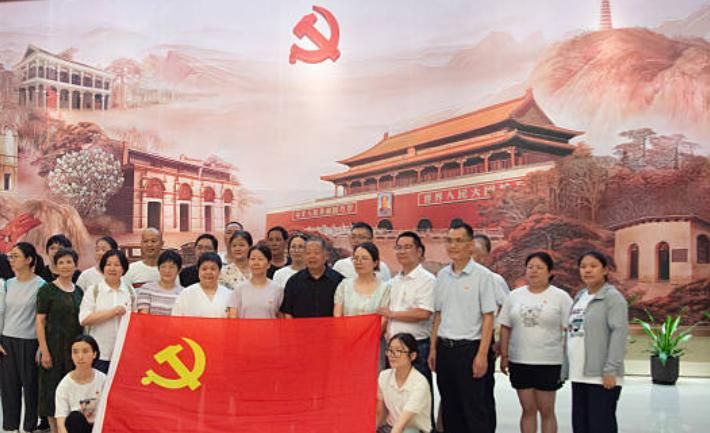
Today,
Iran celebrates the 46th anniversary of the 1979
Islamic Revolution with nationwide rallies, marking the final day of
the "Ten-Day Dawn" celebrations. The events featured mass public
gatherings in Tehran's Azadi Square, military displays, and speeches
emphasizing regime resilience, national unity, and achievements in science
and technology despite economic sanctions. The celebrations marked the
overthrow of the Pahlavi dynasty and the establishment
of the Islamic Republic, with ceremonies also held by Iranian embassies
abroad. The Pentagon reported that a second aircraft carrier strike group
is preparing to deploy to the Middle East as the U.S. military readies for
a potential attack on Iran. This happens in the background of a possible
strike by the United States, along with Israel, to
strike Iran.
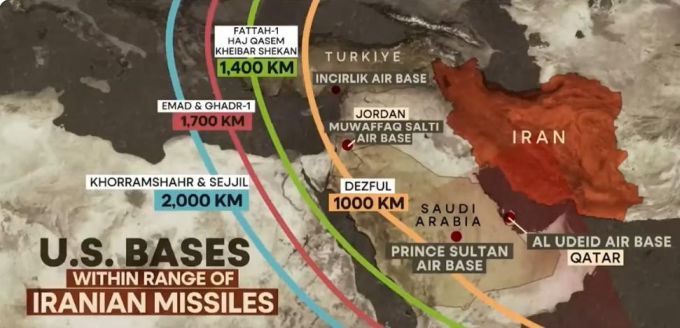
If
China and the US lose this chance for a new normalization, it will be
impossible for them to protect their strategic interests in the future.
There is but a fleeting moment for the two countries to recalibrate their
goals and approaches toward each other. As Mao put it in a January 1963
poem urging revolutionary action, and as Nixon famously quoted during his
historic 1972 visit to China, highlighting the urgent need for U.S.-Chinese
engagement, “Ten thousand years are too long. Seize the day, seize the
hour!” America and China at the Edge of Ruin: A Last Chance to Step Back From the Brink.
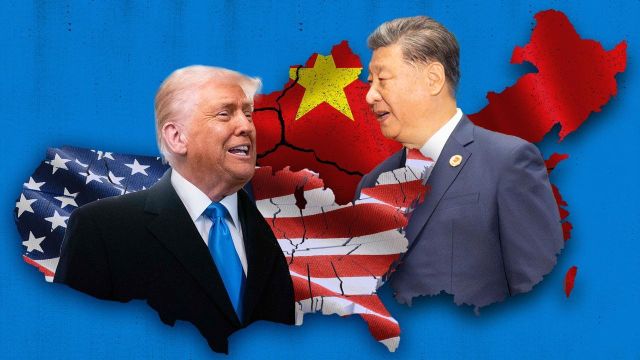
Iran’s
opposition cannot operate purely at the theoretical level. Its members will
need to agree on some kind of tangible program for what happens immediately
after the regime falls to avoid state collapse. But it should be
nonideological and technocratic, focused on stabilizing the country’s
currency, keeping basic services running, and preventing looting and
violence. The opposition should have a clear timeline for elections and
forholding a constitutional convention. Without such planning, fear of
chaos will continue to be the regime’s strongest weapon. Many insiders who
might otherwise defect will stay on to avoid civil war, cycles of revenge, and
territorial fragmentation. Iran’s Divided Opposition: Only a Unified Movement Can Threaten the Regime.
|
|
|
|
Israel hit a missile defense site near an
international airport, and an air base is seen in Isfahan, Iran. The summer
war stripped Iran of many of its air defenses and destroyed roughly half of
its surface-to-surface missile launchers. While Iran took to rebuilding its
air defenses soon after the conclusion of the war, it still has not fully
recovered from this loss. As former Iranian President Hassan Rouhani
remarked in early December, “The skies over Iran have become completely
safe for the enemy.” From an operational
standpoint, it looked likely that Israel would prefer to strike while the
current window remained open.
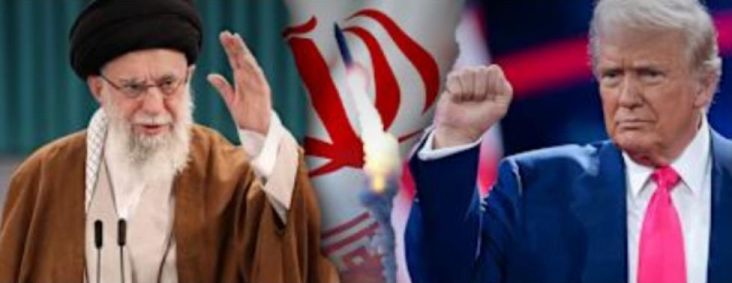
Addressing trade imbalances and other
twenty-first-century problems, such as climate change, will demand agility
from Trump and the presidents who succeed him. These leaders will have to
wield a mix of tariffs, capital restrictions, threats, and interventions in
currency markets. If Washington policymakers and U.S. trade partners recoil
from the aspects of Trump’s trade policy that reflect a well-considered and
historically American pragmatism just because Trump pursued them, and
insist on a return to a principle-bound trading order that cannot secure
global prosperity, they will miss a valuable opportunity. The Case for Upending World Trade.

Geopolitics in the age of AI will not be simple.
But without a disciplined way of thinking, strategy will collapse under the
weight of hidden assumptions and agendas. By mapping possible worlds and
the choices they demand, this framework offers a way to see through the
fog. The task for policymakers now is clear: treat AI not as a single story
but as a shifting landscape. If American leaders learn to think this way,
they will define whatever AI age emerges. If not, others will do it for
them. Geopolitics in the Age of Artificial Intelligence: Strategy and Power in an Uncertain AI Future.
At the World Economic Forum in Davos this
month, Ukrainian President Volodymyr Zelensky urged Europeans to “stand up
for themselves” and break what he described as the continent’s dependence
on Washington’s lead. Many leaders felt unjustly admonished. Already, the coalition
of the willing is beginning to adopt the habits of a more formidable
security apparatus: regular, detailed military exchanges among Europeans,
the construction of a new command and control framework outside NATO, and
early efforts to coordinate force generation and sustainment among a core
group of willing states. But Europe’s broader rearmament drive is still
largely unfolding within NATO frameworks. To become truly strategically
self-reliant, the continent will need to develop the capacity to plan,
command, and sustain operations at scale and to anchor Ukraine’s security
in a long-term rearmament strategy that does not rely on the shifting
preferences of Washington. Europe has begun to organize itself for a new
era. Whether that effort succeeds will depend on its capacity to sustain
Ukraine’s defense. Fortress Ukraine: How a
Coalition of the Willing Can Rearm Kyiv Without Washington.

|
In Southeast Asia, China has cultivated ties
with Cambodia, which now acts as Beijing’s proxy to undermine regional
responses to Chinese encroachments on disputed islands and other features
in the South China Sea. In Europe, Hungary, the recipient of 44 percent of
Chinese foreign direct investment in the EU in 2023, has vetoed EU statements
critical of China, endorsed Beijing’s peace plan for Ukraine, and
established a security partnership with China. China’s Economic Statecraft
Is Working: Why China Can Succeed
Even With an Imperfect Strategy.
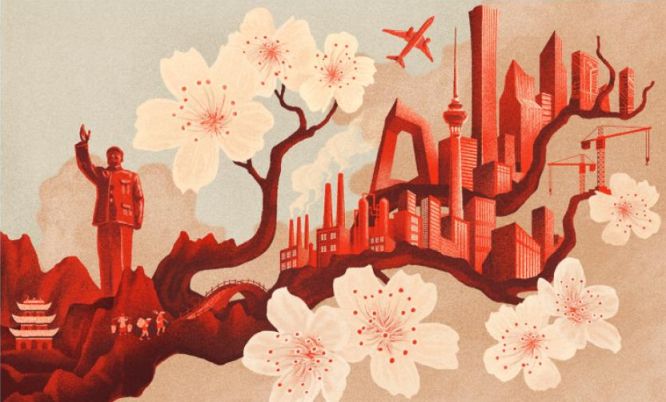
Threat of US-Iran war escalates as Trump
warns time running out for deal. US president
says armada heading towards Iran is ‘prepared to fulfil its missions with
violence if necessary.’
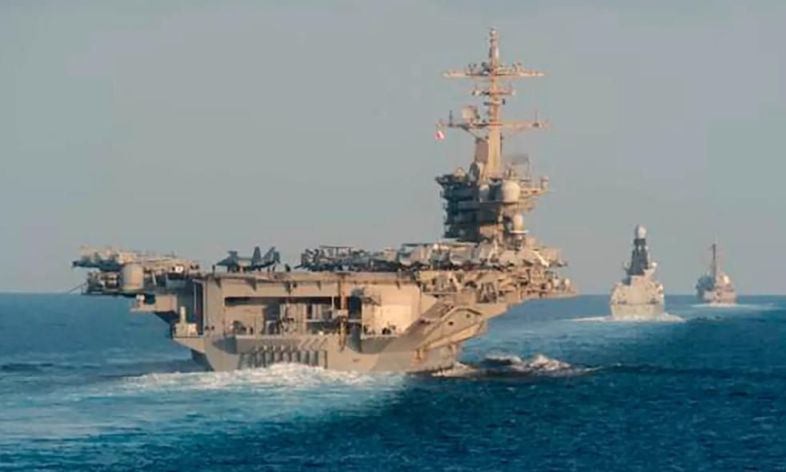
The United States and Japan stand at a
pivotal juncture. As Tokyo continues to take bold steps to prepare for an
era of prolonged confrontation with China, Washington’s commitment is
wavering. Tokyo has done the hard part. Now it is time for Washington to step
up. If it doesn't, it will prove Beijing right that the United States’
alliances are temporary, its promises are hollow, and its power is in
decline. Japan Can’t Go It Alone. Tokyo Has Stepped Up on China. Now It’s Washington’s Turn.
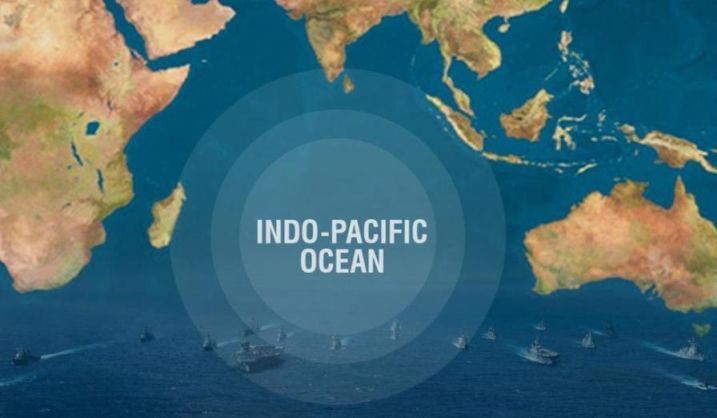
President Donald Trump predicted on Jan 30
that Iran would seek to negotiate a deal rather than face American military
action, “I can say this, they do want to make a deal,” Trump told reporters in the Oval Office.
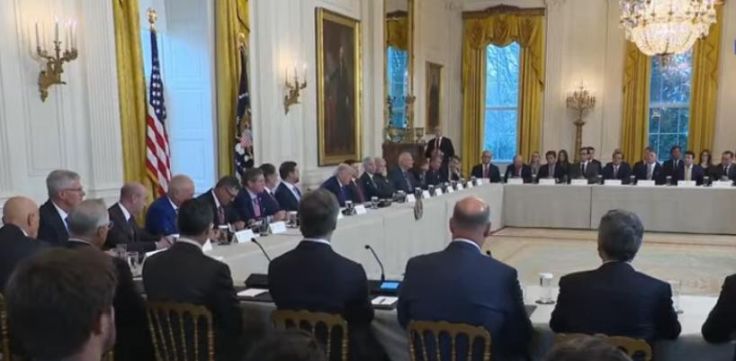
After years of deliberation, the European
Union recently decided to designate the Islamic Revolutionary Guard Corps a
terrorist organization, placing the organization alongside groups such as
al-Qaeda. Europe’s move can serve as a model of the types of decisive
action Washington should now rally allies to take. Tehran’s brutal
repression of the protests has dramatically reduced the prospect of gradual
reform through engagement with the regime. That possibility may have
existed a decade ago, when many Iranian people were still clamoring for
regime reform and celebrating the Joint Comprehensive Plan of Action, the
2015 nuclear deal. But after the first Trump administration’s withdrawal
from the JCPOA, years of escalation, and the regime’s decision to slaughter
its own people, that path has narrowed. The Islamic Republic is a pariah
state, most likely in a death spiral. America’s Best Chance to Transform
Iran: The Right Way to Deploy Military
Threats, Pressure, and Support for the Opposition.
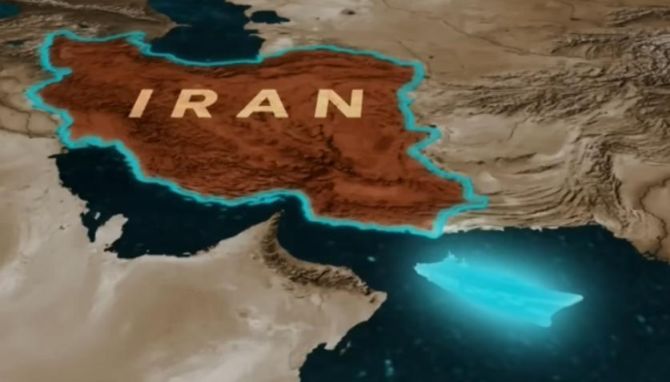
|
|
|
|
Iran’s supreme leader blamed former President
Trump for inciting the deadly protests that have killed over 3,000 people,
according to a US‑based rights group. The European aviation authority
warned airlines to avoid Iranian airspace amid heightened tensions and the
risk of misidentification following threats of a US strike. Meanwhile, the
Kremlin said President Putin was mediating to de‑escalate the situation
after speaking with both Israeli and Iranian leaders. What next for Iran's supreme leader?
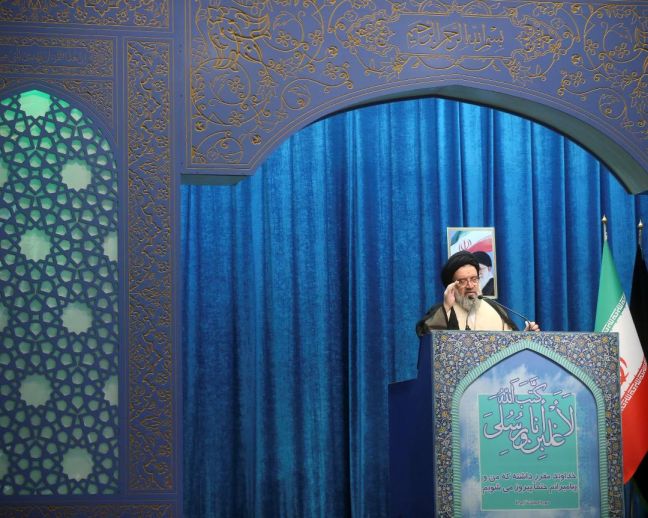
European Union leaders will hold an
emergency meeting in the coming days to discuss US President Donald Trump’s
latest tariff threat as they explore possible retaliatory measures. EU leaders to meet on US tariff threat over
Greenland and potential retaliation.

Green innovation is accelerating fast: in
2025, green patent filings increased by around 20 percent worldwide. Most
patents, however, are held in a handful of advanced economies. Diffusion
channels are therefore critical: the UN’s Climate Technology Center and
Network has funded nearly 400 technical assistance projects in more than
100 developing countries, and the World Intellectual Property
Organization’s GREEN program connects providers of sustainability technologies
with customers seeking to adopt them. After
Paris Environmental Policy in an Interdependent World.

The task for international organizations and
coalitions is to ensure that autonomy remains cooperative rather than
isolated: to align incentives, mobilize capital, diffuse technologies, and sustain
confidence that diverse actions lead to collective outcomes. Today, success
will be defined less by grand bargains than by whether different global
centers of action can move in concert toward shared prosperity. Breaking Beijing’s Hold on the Global Economy.
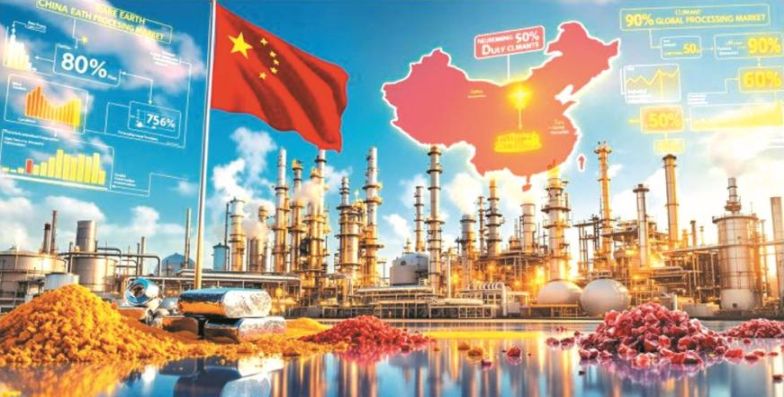
In the years to come, Europe’s success vis-à-vis
Russia will not be measured by how forcefully it condemns shadow attacks,
or even by how effectively it punishes them, but by how consistently it
deters them. The task, then, is to make plain to the Kremlin that any act
of shadow warfare will be met not with mild rebuke, as in the past, but
with a strong response. Moscow must understand that there are escalating
costs to its aggression. How to Win the Shadow War with Russia: NATO
Must Escalate to De-escalate.
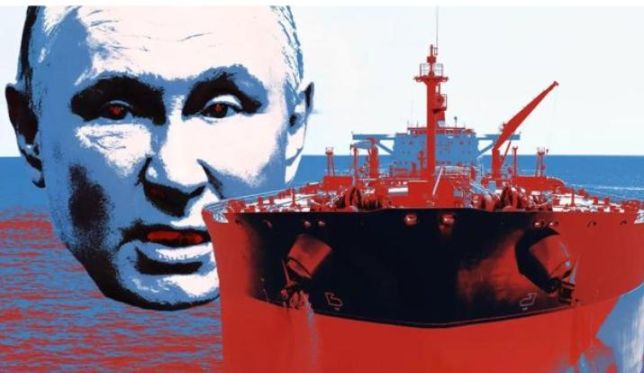
|
Should Pakistan
actually be four different countries? As illustrated below, its name itself
provides hints of such. Back in
2019, we presented an introduction to how the world was becoming more
unanchored compared to earlier years. Leading to what it was like by 2023.
Since World War II, the global order had an anchor, a system of two
great powers, the U.S. and the Soviet Union, around which the rest of the world was organized. Today, China has effectively replaced Russia as a global
power. To this, we can also add that while one understands the importance
of Greenland, it is hard to see why it cannot remain in Danish hands,
especially when there is already a U.S.
base there.
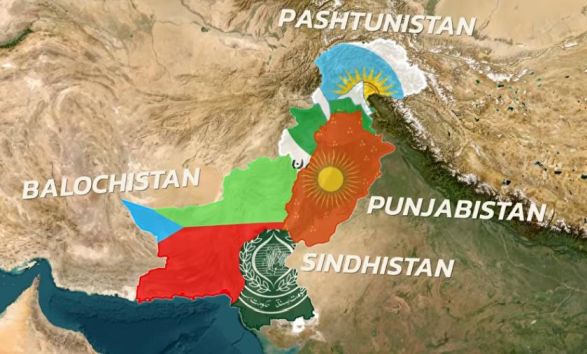
Confronted over Greenland, Europe is
ditching its softly-softly approach to Trump. Something in Europe has snapped.
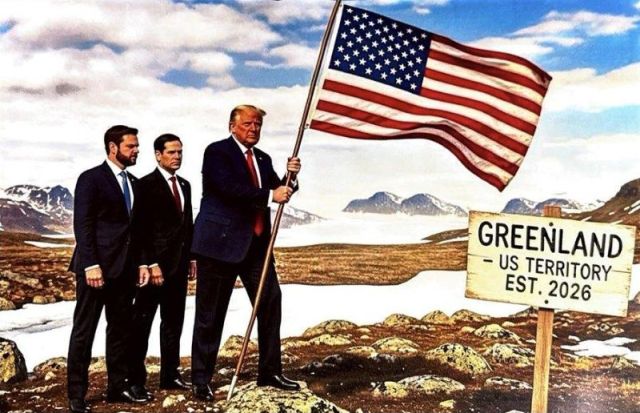
If Trump wants 2026 to be a year of critical
minerals collaboration, he must stop imperialist rhetoric on Greenland.
Europe condemns Trump’s ‘new colonialism’ as Greenland crisis grows. French President Emmanuel Macron gave a thinly
veiled critique of Trump’s foreign policy, warning of a world “where
international law is trampled underfoot.”

As we reported, Iran's supreme leader,
Ayatollah Ali Khamenei, in his secret hideout these days, knows he is now a
marked man. He will not be sitting on his veranda anytime soon. When
discussing what the United States might do next to help the protesters in
Iran, US President Trump has mentioned Qassem Soleimani and Abu Bakr
al-Baghdadi. Hence, over the last few weeks, the Iranian regime has faced
remarkable challenges. How the Iranian
Regime Break Will Come Gradually and then Suddenly.

In the past, Beijing has delayed action on
Taiwan because it knew it could not risk action that would fail. It was
confident in its strategy for “peaceful reunification,” believing that the
rise of China would eventually make Taiwan want to unify with it. That
calculation is now changing, both because the past several years of
great-power competition have shaken Beijing’s timeline about its ascent and
because its confidence about a forceful bid for Taiwan is growing.
Washington must realize that the current combination of factors offers what
Beijing could perceive as its best opportunity to take Taiwan. A Perfect
Storm for Taiwan in 2026? How a Convergence of Factors Could Tempt Beijing to
Act.
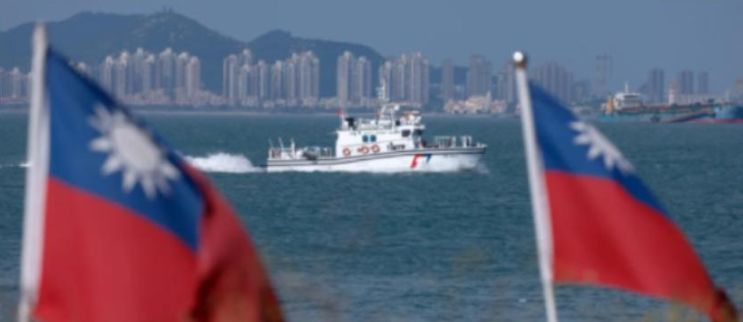
|
|
|
|
What
can Trump offer Big Oil to bring US capital back to Venezuela? The Fate of
“America First”: How the Assault on Venezuela
Threatens Trump’s Promise.
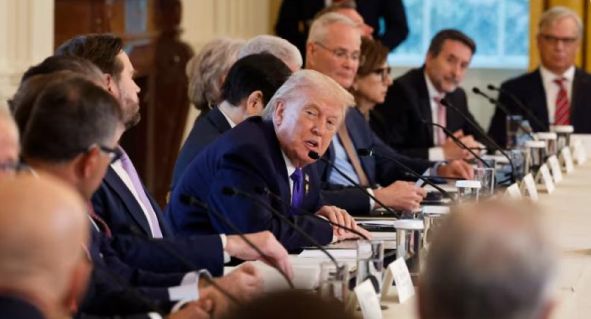
More
than 2,300 have been arrested in Iran, according to a US-based human rights
group, as the internet blackout enters another day. Many demonstrators in Iran have been calling for the
return of Reza Pahlavi.
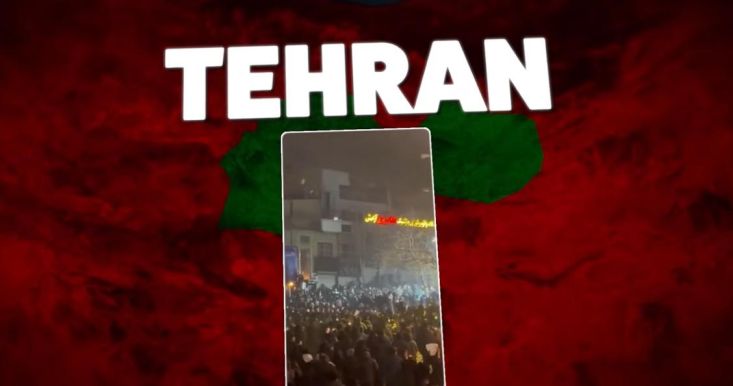
Iran’s
leaders are facing a perfect storm of crises. Bloody crackdown could spell the end.
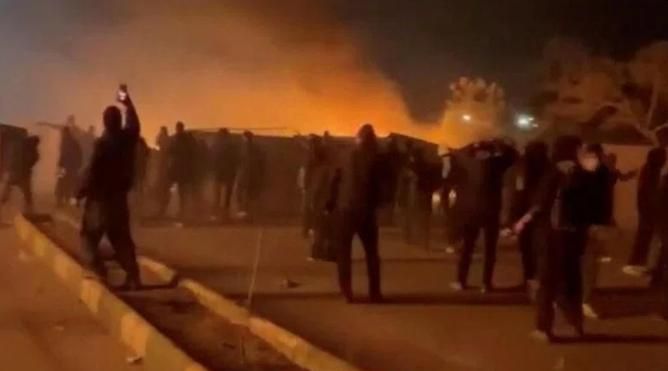
Denmark
challenged the United States with its move to acquire Greenland at the
International Court of Justice, but the case languished in procedural
purgatory, and U.S. Secretary of State Marco Rubio dismissed it as
“nonsense.” Indigenous Greenlandic voices remained split: although some
elites embraced U.S. investments, most residents warned of coming
environmental degradation and cultural erasure. None of that mattered. U.S.
contractors continued to deliver services. Washington concluded its association compact with
Nuuk, assumed full authority over Greenland’s defense and security affairs,
and asserted a claim that Greenland represented a U.S. “special economic
zone.” Trump declared victory.

Whatever
the pressure of this moment, there's no sign Iran's leaders are changing
course. Iran's rulers face the biggest
challenge since the 1979 revolution.

The
plain fact is that the Khamenei regime’s days are numbered, at least in its
present form. Even with brutality, the ayatollah and his cohort are
struggling to drive protesters off the streets. Missiles are not needed.
Iran’s citizens can topple the theocrats on their own. Many thousands of Iranians are again risking their
lives to protest their authoritarian, theocratic regime.
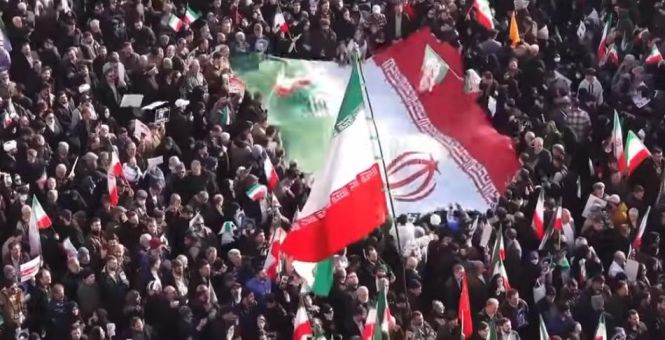
In
the months ahead, Washington must make a crucial distinction between
reacting to a change in regime that is underway and a policy of proactively
pursuing regime change. Going forward, the United States might need to
react to the internally generated collapse of regimes in Iran and Cuba, as
it did in Iran in 1979 and the Soviet Union in 1991. When this happens, the
question is how best to use traditional foreign policy tools to influence
the outcome. The best approach is to offer substantial economic help if
specified conditions are met, although in Iran, the United States should
also be prepared to provide support to the opposition and weaken the
government, given the many threats posed by Iran to U.S. interests. The
Trouble with Regime Change: What History
Teaches About When and How to Pursue It.
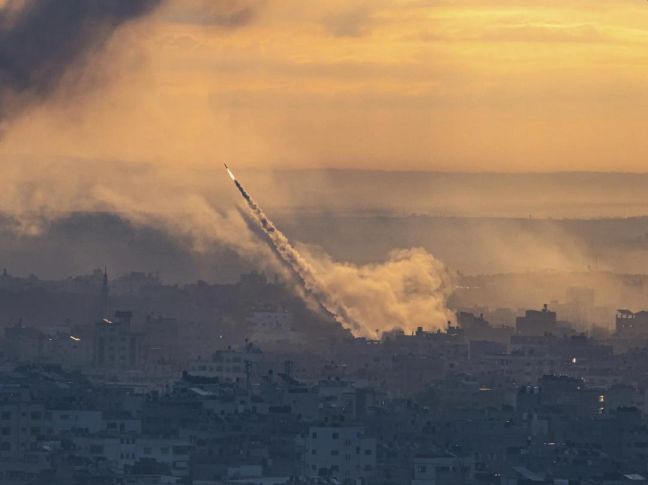
|
The
United States is a superpower, but that does not make it omnipotent. There
are many situations in which, no matter the effort invested, success will
be elusive. There are also situations in which the United States might have
a chance of success, but where unilateral action is still not warranted,
given the risks and who is most likely to suffer should something go wrong.
Both cautions apply to any conceivable U.S. military operation in Iran,
creating a prohibitively high risk-to-reward ratio. Trump has no credible
option to directly defend Iranian protesters, while indirect means to
protect the Iranian people through deterrence or disruption of regime
forces are unlikely to buy much time. The costs of failure (Iranian
retaliation against protesters or the United States) are real; the costs of
success (another failed democratic transition produced by military
intervention) would be tragic. Iran and the Limits of American Power: What a U.S. Military Strike Would and Would Not Achieve.

Washington
isn’t solely to blame for its deteriorating relations with India. Some of
the United States’ grievances, such as New Delhi’s close ties to Moscow,
are legitimate. Before the invasion of Ukraine, Russian oil amounted to
less than one percent of Indian imports. Now that Trump has endorsed
bipartisan legislation that would increase tariffs on India and other
countries that import Russian oil; Pressure
is building on New Delhi to finally halt energy imports from Russia.

The
Trump administration believes that American power is at an apex. But more
than twenty years ago, when the United States was indisputably the world’s
only superpower, the Bush administration overestimated its own power and
erred badly by neglecting to bring other countries into decisions about
Iraq’s fate. It believed its power was so supreme that when its efforts to
gain regional support for its invasion failed, it assumed it could deliver
a positive outcome without it. Instead, Iraq’s neighbors, particularly Iran
and Syria, saw incentives for undermining the U.S.-led transition. And far-flung powers, including China and
Russia, took advantage of the United States’ quagmire in Iraq to advance
their own interests, profiting from diminished scrutiny from Washington.
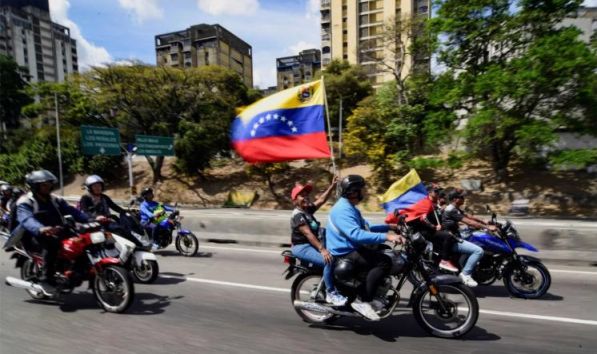
Son of Iran’s last shah confident rulers
will fall, as Trump holds off on intervening in unrest. He also said he is ‘uniquely positioned’ to lead Iran
as he predicts the end of the regime.
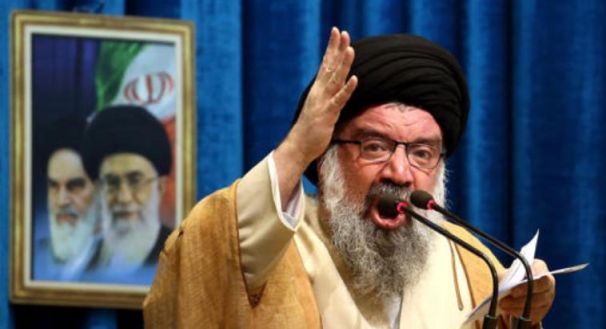
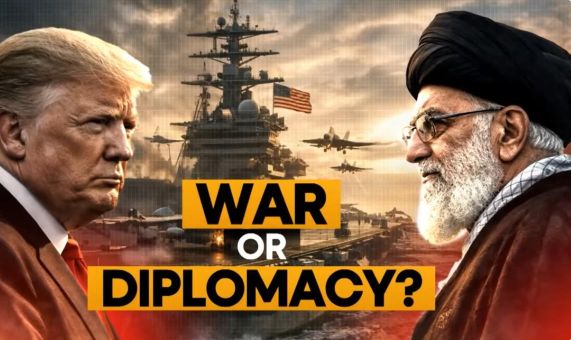
While Europe focuses on the war in Ukraine
and the prospect of pared-back American security assistance, trouble is
brewing in the southeast corner of the continent. Three decades ago, in
November 1995, the U.S.-brokered Dayton Accords ended the Bosnian war, a
three-and-a-half-year ethnic conflict that killed roughly 100,000 people
and displaced two million. The settlement imposed a complex power-sharing
structure on a divided country, promising the state of Bosnia and
Herzegovina a new start. Bosnia’s Unfinished Peace: Growing Turmoil in the Balkans Threatens European
Security.

|
|
|
|
Cuba
has only one choice: liberalize its economy. This includes permitting
private business to operate in more industries, opening the private sector
to foreign investment, and letting these firms trade free of state
intermediaries. It also means cutting fiscal deficits and actually unifying
exchange rates for government-owned and private businesses at levels that
reflect real economic conditions. Just as important, the state must
increase legal guarantees and tax incentives for domestic and foreign
companies that build productive capacity. Even with U.S. sanctions, such
steps would at least give Cuba the chance to begin rebuilding its economy
and attract greater foreign investment. Cuba on the Brink: Where Will the
Island’s Crisis End? Cuba seems poised to slide
further into economic decline.

Regional
governance remains the best antidote for weakening multilateralism. It is
an essential building block of global governance and has a long history of
supporting international cooperation. Since the end of the Cold War,
regional institutions have expanded, and their role in facilitating trade,
resolving conflicts, and developing shared standards has grown. Now they
must support weakened global institutions and take on more responsibilities
themselves. This shift will not only help sustain multilateralism but could
also improve on it, by harnessing regional strengths and facilitating
innovative, bottom-up solutions to the world’s most intractable problems. How Multilateralism Can Survive Global
Institutions Are Declining, but Regional Cooperation Can Fill the Gap.
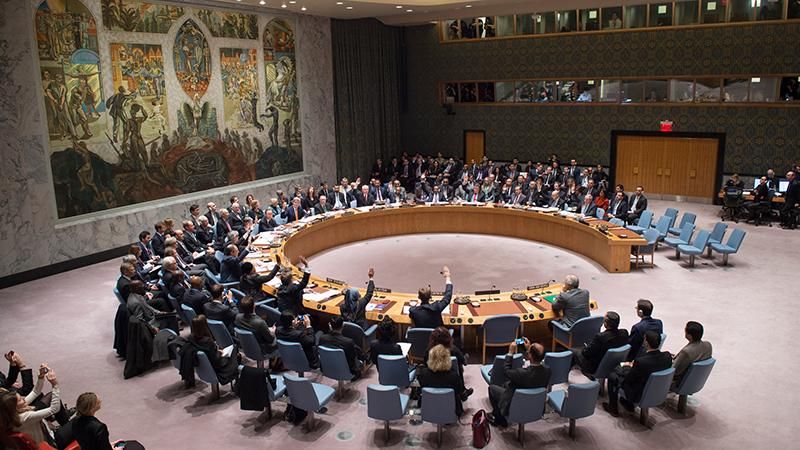
Following
the capture of Maduro, Trump said that the US will run Venezuela as
captured Maduro lands in New York. He added that US forces were ready to
conduct a second, “much bigger” wave of strikes if necessary. The US plan to “run” Venezuela will be a
complicated task, says former ambassador.

Denmark
PM urges Trump to stop ‘threatening’ Greenland. The US president’s latest
threat comes a day after Washington bombed Venezuela and abducted its
president. The wife of Trump’s
deputy chief of staff posted a contentious image of the Danish autonomous
territory, featuring the colors of the US flag, on her X feed, with a
single word above it: SOON.
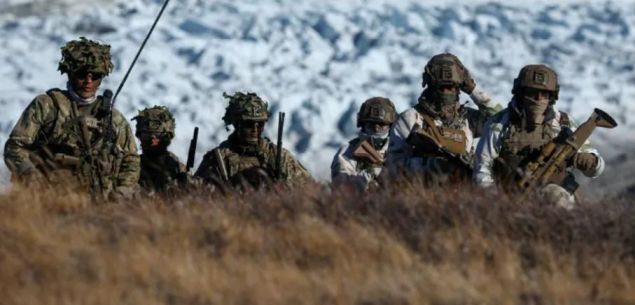
If
President Trump and Marco Rubio, Secretary of State, succeed, they will
reshape hemispheric politics and validate a hard-edged vision of U.S.
leadership. If they fail, the costs will echo for years - fueling
migration, empowering adversaries, and reinforcing skepticism about
American intervention. Venezuela’s future will be decided not by Maduro’s
removal, but by the discipline, restraint, and economic imagination applied
in its aftermath. The End of the Beginning in Venezuela: The Real Challenges and Risks for U.S. Policy
Are Still to Come.

Trump’s
internationalism, and the similarity in his thinking to that of former
presidents such as Jackson, Polk, McKinley, and Roosevelt, does not mean
that his often impulsive and idiosyncratic decision-making style is a
positive thing for U.S. foreign policy. But in his approach to national
security, Trump is not nearly as unprecedented a figure in American history
as is sometimes alleged. His philosophy centers on the pursuit of national
power, not simply as the main priority but as the overwhelming fixation.
Yet if not leavened with a more inclusive vision that takes the legitimate
interests of other countries into account, such a simplistic pursuit of
national interest can fail catastrophically. What may have worked for the
first half of the country’s history, ethics aside, did not work thereafter,
and it is unlikely to begin working now. The Illusion of Isolationism: Why No One Should Have Expected Trump to Retreat.
|
Trump’s
Venezuela raid plunges Greenland and the Western military alliance into
uncertainty. US attack on Greenland
would mean the end of Nato, says Danish PM.
In
the AI era, deterrence can no longer rest on capabilities and resolve. It
will require leaders, defense strategists, and other decision-makers to be
able to preserve the reliability of their information environment - even
amid widespread digital distortion. The Fog of AI: What the Technology Means for Deterrence and War.
Trump’s
deployment of a massive naval flotilla in the Caribbean naturally evoked
memories of gunboat diplomacy, when the United States routinely sent naval
forces to the region as an instrument of coercive diplomacy or a prelude to
intervention. A hundred years ago, gunboat diplomacy was closely associated
with President Theodore Roosevelt and rationalized by the Roosevelt
Corollary to the Monroe Doctrine, in which Washington
claimed the right to intervene in Latin American countries to maintain
stability.
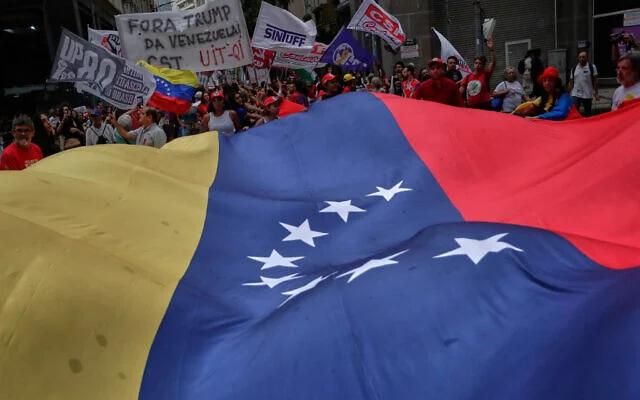
The
new, twenty-first-century challenges will demand international frameworks.
The diffusion of resources in a multipolar world presents policymakers with
the potential to reframe a world order around the concerns of weaker states
that are also vital economic partners. And they must do so: the truth is
that today, the absence of any international order, even if imperfect,
would be a problem for global stability. A world premised on one-off
transactions between nations will prevent the development of the kind of
long-term, grand strategic thinking required to ensure that the
exploitation, imperialism, and violence of the nineteenth century does not
simply resurface - or even reemerge in a worse form. The Transactional
Trap: How Foreign Policy Dealmaking Can Sow
Violence.
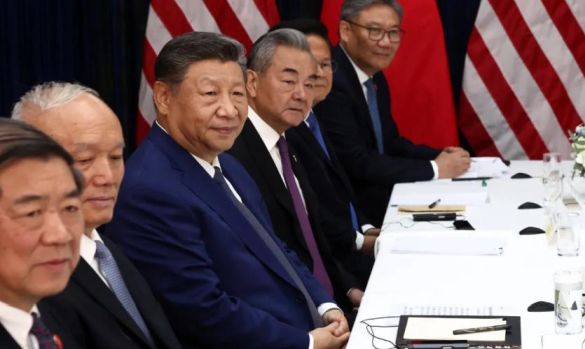
It
is uncertain, however, whether Trump’s intervention in Venezuela will
become a testament to American power or expose its limits, and eventually
contribute to its erosion. Many countries are already responding to Trump’s
punitive use of tariffs by hurrying to strengthen diplomatic and trade ties
with Asia and Europe. Some states, including Brazil and Colombia, are
experimenting with building closer defense and tech ties, respectively,
with China. The Shock Waves of Venezuela: How Maduro’s Capture Could Transform Latin
America.
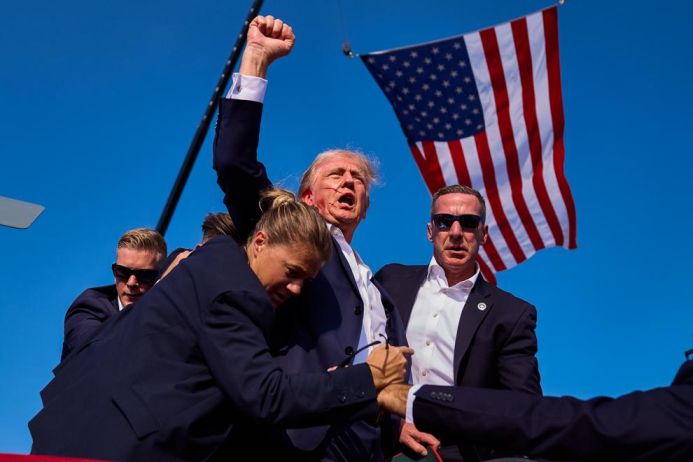
Defense
tech leaders often speak about “unleashing” the power of the market by cutting
regulations. But the defense sector is an inherently distorted and flawed
marketplace. It is defined by a single dominant buyer, significant barriers
to access, and large capital requirements; no amount of deregulation or
deference to Silicon Valley can correct for that. Rather than cede yet more
ground to the private sector or design policy around an unachievable vision
of self-administering contracts available to flashy but untested firms,
Washington must grab the regulatory and institutional reins to create and
manage competition within the limits of a monopsony market. It must
negotiate and oversee contracts that extract the best performance from the
private sector, encouraging the competition that Silicon Valley rightly
claims is currently lacking. And it must decide when public in-house
research, development, or production is the better investment for the
future. What Silicon Valley Gets Wrong About National Security: Defense Tech Innovation Requires Government
Intervention.
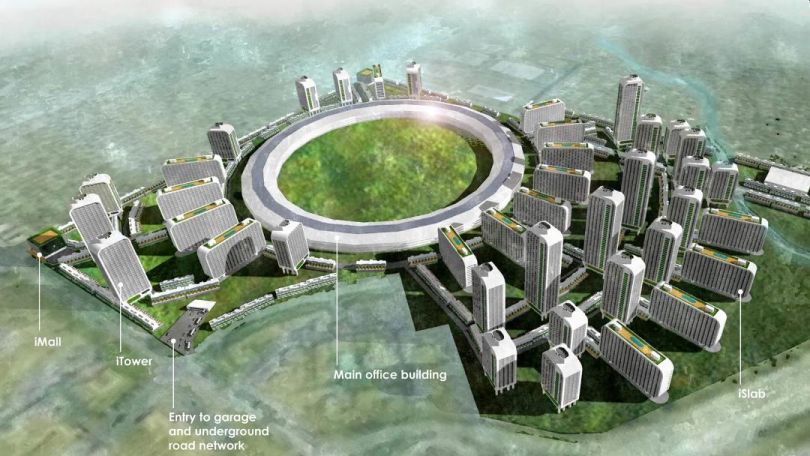
As
countries grow stronger, they often feel more insecure. When the United
States annexed the Philippines, greater power led to a feeling of greater
vulnerability. As Roosevelt admitted to William Howard Taft in 1907, “The
Philippines is our heel of Achilles.” If Trump starts running Venezuela, he
will not simply find Venezuela impossible to control; he, and his
successors, will find it impossible to let go. The New Imperial Age: Trump, Venezuela, and a Century-Old Vision of American
Power.
|
|
|
|
Chinese
reach creates room for other regional and international actors to play
a role in Myanmar and balance China’s outsized influence. India and Thailand
are deeply involved in Myanmar’s west and south because they coordinate
border security with both the central government and rebel groups operating
along their borders, facilitate cross-border trade, and manage humanitarian
access points for refugees fleeing Myanmar. In addition to Thailand,
members of the Association of Southeast Asian Nations can promote quiet
political dialogue among opposition groups and then collectively with the
junta without aligning with any side. The United States and its allies,
meanwhile, can help build local administrative capacity, deliver emergency
medical services and food aid, and reinforce safe humanitarian channels
beyond China’s primary zones of engagement. How China Carved Up Myanmar Beijing’s Strategy
to Create Stability Through Dependence.
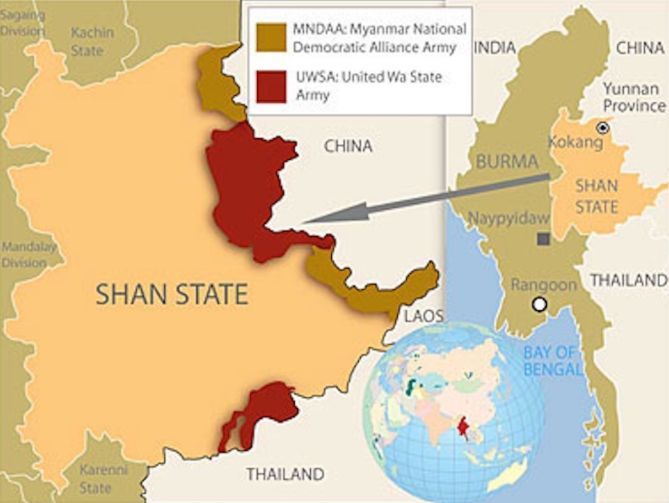
Trump
has confirmed that he spoke to Maduro on the phone on 21 November. While he
did not reveal what was said in the call, Reuters news agency reported that
Trump gave Maduro a one-week ultimatum to leave Venezuela along with his
close family. It said that Maduro did not take him up on the offer of safe
passage. Gunboat diplomacy on steroids’: Trump
Strikes Security Deals to Surround Venezuela.
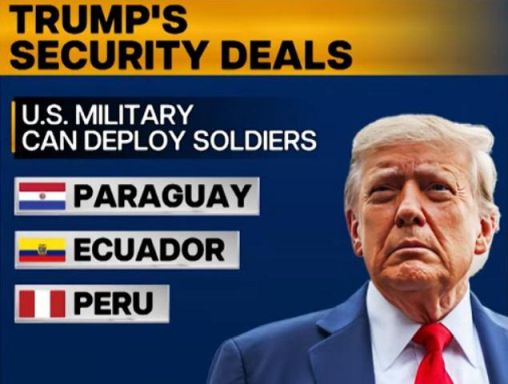
In
December 2025, the legacy and memory of former Chinese leader Hu Yaobang were prominent due to the recent
November 2025 commemoration of his 110th birth anniversary, with President
Xi Jinping attending and giving a speech that strategically reframed Hu's
reformist image to support current Party goals, sparking analysis on political
narrative, loyalty, and memory management within China's elite circles.
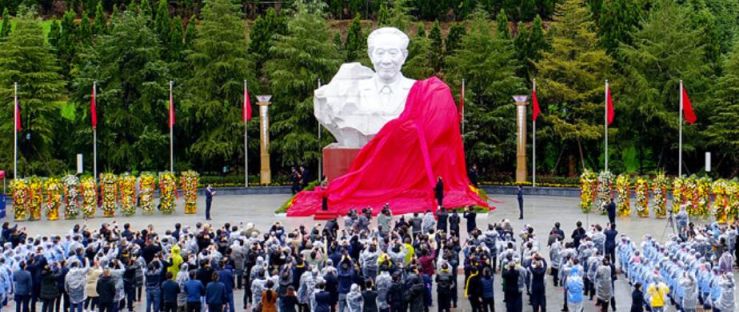
A
coup d'état in Myanmar began on the morning of 1 February 2021, when
democratically elected members of the country's ruling party, the National
League for Democracy (NLD), were deposed by the Tatmadaw. Myanmar’s election is derided as fake, but the
nation’s suffering is all too real.
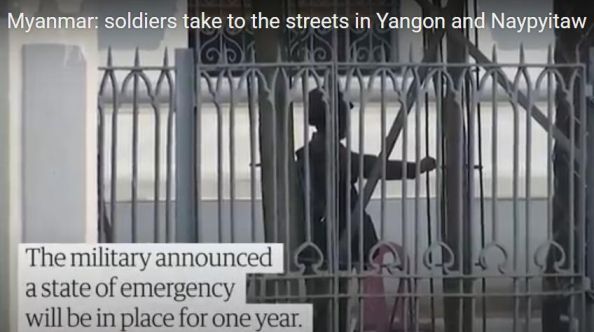
Today,
Somaliland has been recognized as an independent country by Israel.
Somaliland, home to roughly six million people, enjoys relative peace and
stability. Its proponents argue that it should not be shackled to Somalia,
which has long been wracked by Islamist militant attacks. History of Somaliland.
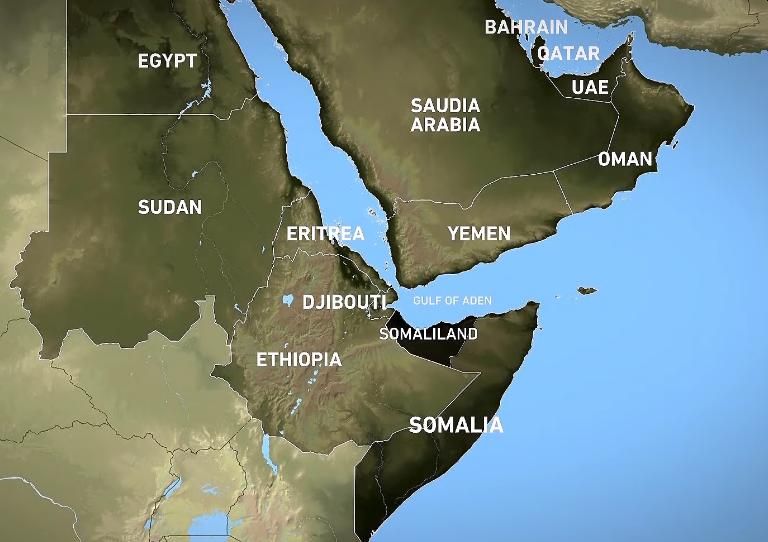
Clashes
broke out on Syria’s coast between protesters from the Alawite religious
minority and counterdemonstrators on Sunday, killing at least three people
and injuring dozens of others, health officials said. In many cases, the attacks appear to be by Sunni
extremists and jihadis motivated by sectarian hate.
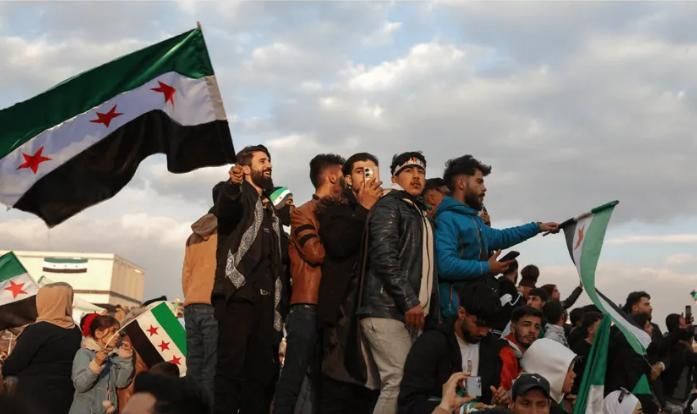
AI
already has the potential to deceive key decision-makers and members of the
nuclear chain of command into seeing an attack that isn’t there. In the
past, only authentic dialogue and diplomacy averted misunderstandings among
nuclear-armed states. Policies and practices should protect against the
pernicious information risks that could ultimately lead to doomsday. How
Deepfakes Could Lead to Doomsday: America’s
Nuclear Warning Systems Aren’t Ready for AI.
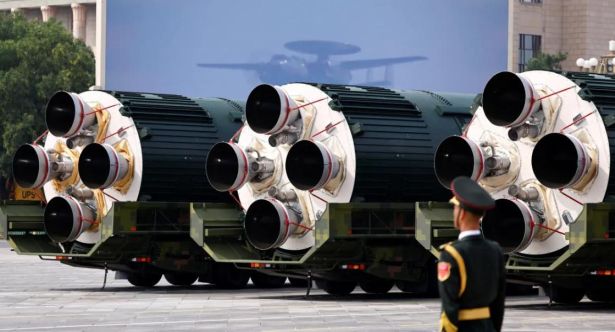
|
Iranian
President Masoud Pezeshkian said in an interview that the current war with
the West is worse than Iran’s deadly war with Iraq in the 1980s. Iran’s president says his country is in a full-scale
war with the West.
For
Ukraine and its European supporters, they
might already feel that they are at war with Russia. Nevertheless, Europe
will have to take on a far greater share of supporting Ukraine, but if
the United States were to turn its back on Ukraine, as it sometimes
threatens to do, that would be a colossal burden.
China
conducted a second day of live-fire military drills around Taiwan on
Tuesday, staging rocket launches and naval-air exercises it said were aimed
at simulating a blockade of the self-ruled island. China mobilised army, naval, air force, and
artillery units around Taiwan on Monday for its "Justice Mission
2025" exercises.
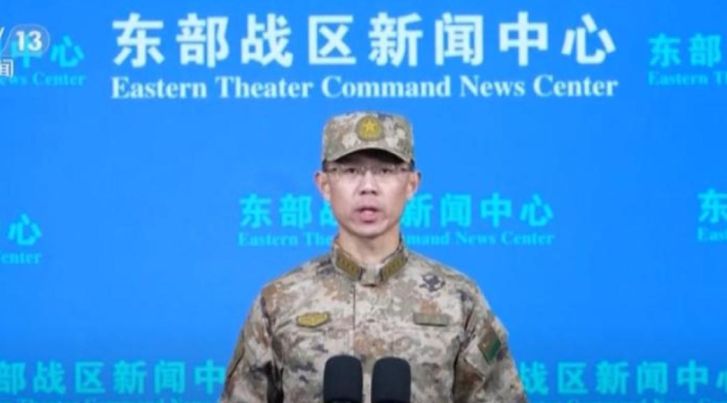
While
on Monday, authorities attempted to shift blame for the unrest to enemy
nations, the regime has redirected its strategy toward the protesters. Tear gas and arrests: Iranian regime
continues crackdown on protesters amid economic unrest.
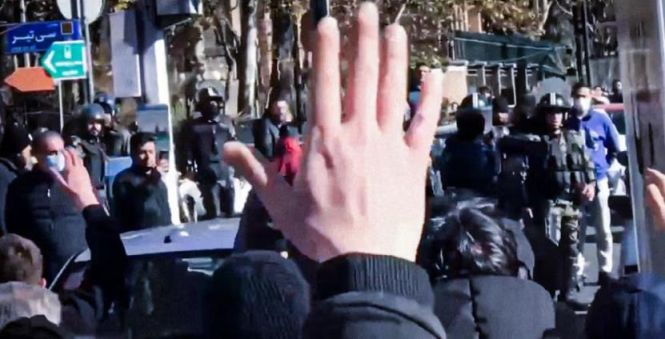
The
attack last week, on a dock purportedly used for shipping narcotics, did not
kill anyone, people briefed on the operation said. But it was the first
known U.S. operation inside Venezuela. The
CIA Was Behind Venezuela Drone Strike.
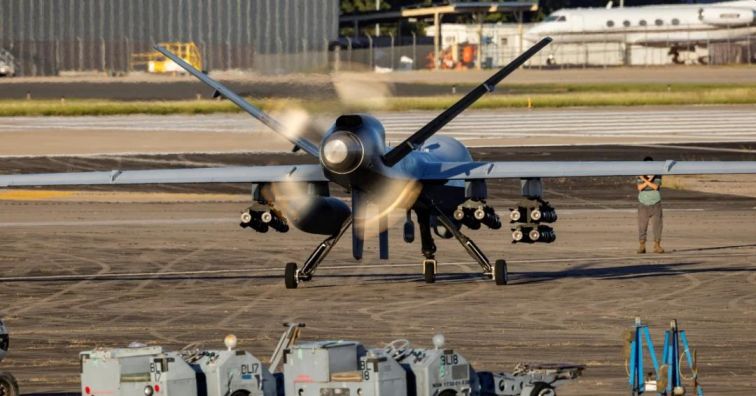
In
2026, Trump is scheduled to visit Xi in China, Xi is likely to visit Trump
in the United States, China will host the Asia-Pacific Economic Cooperation
forum, and the United States will host the G-20 summit. These events
provide vital occasions for the two leaders, as well as Chinese and U.S.
policymakers more broadly, to make deals, build relationships, and begin
shaping a grand bargain. If Washington and Beijing can use this moment to
bridge their divide, it will not only reset relations between the two
leading powers but also provide stability and opportunity for the rest of
the world. The Case for a Grand Bargain Between America and China: How Trump and Xi Can Reset Relations.
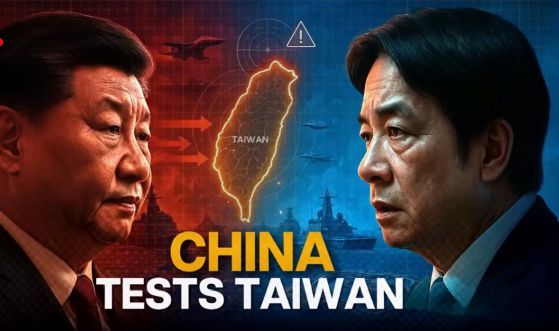
China
took its feud with Tokyo over Japanese Prime Minister Sanae Taikachi’s
recent comments on Taiwan to the United Nations, as tensions between the
East Asian neighbors deepened and ties plunged to their lowest since 2023. If Japan dares to attempt an intervention in the cross-Strait
situation, it would be an act of aggression.
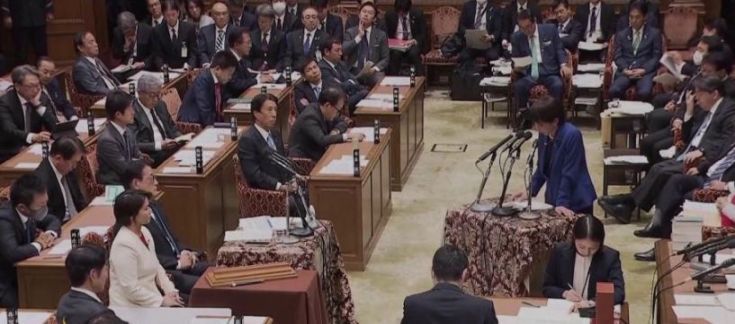
Finland
seizes a ship sailing from Russia after suspected cable sabotage. Russian
ship suspected of sabotaging undersea cables. Soviets
At Sea.

The
Venezuelan oil tanker with a Russian flag on its ship, following which
Putin filed a complaint with the US State Department. Although securing Russian protection may be a long
shot for the Bella 1 under international law, Russia’s diplomatic
intervention could complicate the attempt to seize the tanker, which stems
from the United States’ continuing conflict with Venezuela.
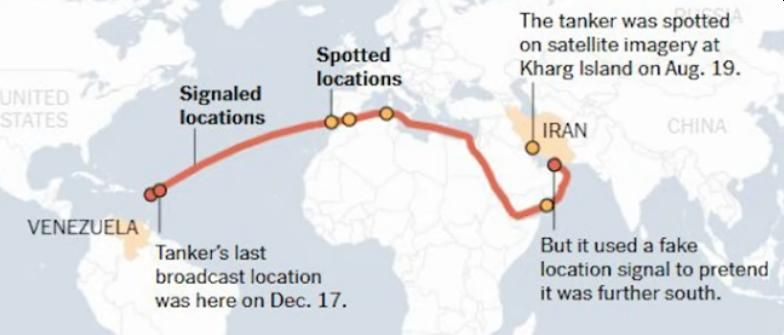
With
the current unrest in Iran, Reza
Pahlavi, Crown Prince of Iran, is now, all of a sudden wanted:
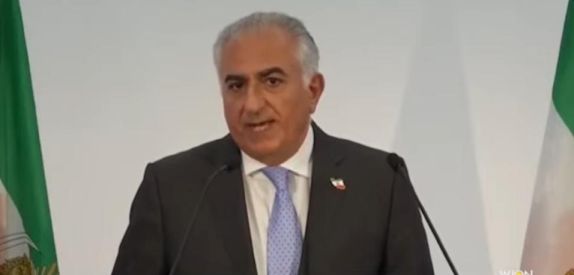
|
|
|
|
How
Chinese Weapons Transformed a War Between Two Neighbors. China urged
Cambodia and Thailand to end their border war in July. But weeks earlier,
it had sent rockets and artillery shells to Cambodia, Thai intelligence
documents show. Thailand’s leader vowed on Saturday to continue fighting,
as fighter jets struck targets just hours after US President Donald Trump
said he had brokered a new ceasefire. Whereby today Thailand declares curfew along the coast as the
Cambodia border fighting spreads.

A
mass shooting in which 15 people were killed during a Hanukkah celebration
at Sydney’s Bondi Beach was a terrorist attack inspired by the Islamic
State, Australia’s federal police said Tuesday. How
It Unfolded.
More
than 120 Belarusian political prisoners have been let go by Lukashenko in exchange for the lifting of
sanctions.

Today,
at least 11 people have been killed and 29 injured in a shooting on
Australia’s Bondi Beach, which targeted the Jewish community, police say.
The attack, which took place as hundreds gathered to celebrate the first
day of Hanukkah, has been declared a terrorist incident. Police have
confirmed that there are two known suspects, one is dead, while the other
is in a life-threatening condition in the hospital. Officers have secured
and removed explosive devices found in a nearby vehicle. Antisemitism Alive and Well.

The
next Colombian administration would be unwise to advocate for a mere return
to the status quo ante, which Trump clearly views as having benefited
Colombia more than the United States. Rather, it should focus on the
critical interests that Trump has identified in the region, drugs,
migration, Venezuela, and Chinese influence- and determine how best to
collaborate with the United States in one or more of those areas. As the
successes of Plan Colombia demonstrate, a fruitful partnership between
Bogotá and Washington is not just possible but desirable as well. The
Needless Rift Between America and Colombia: How
to Rescue Washington’s Most Important Partnership in Latin America.

Unless
the United States can maintain air and maritime superiority over key
contested areas, it will find that the rest of its military force structure
will struggle to produce relevant combat power against China in any
Indo-Pacific clash. America’s Drone Delusion: Why the Lessons of Ukraine Don’t Apply to a
Conflict with China.
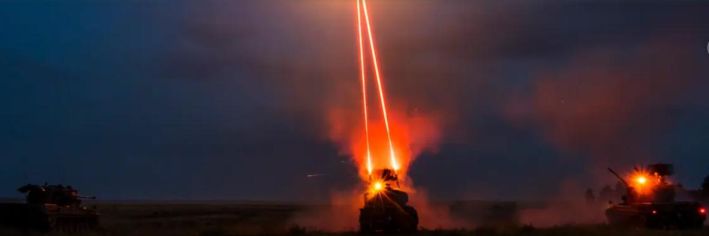
Australian
Prime Minister Anthony Albanese says his government will crack down on hate
speech following Sunday's deadly shooting at Bondi Beach that targeted a
Jewish festival. A task force will be set up to properly respond to
antisemitism. The Fallout of the Bondi
shooting.

Countries
that want to diversify their foreign policy strategies will likely find
themselves in a situation like India’s. Rather than decoupling from the
United States, whose power and influence remain significant, these
countries can reduce risk and improve their resilience by developing closer
relations with a variety of partners and speeding up efforts to build their
own economic and security capabilities. But countries that adopt this
strategy not only face the promises and downsides of a diversified
approach; they also make the whole web of international relationships
exponentially more intertwined. Any geopolitical change could set off a
chain reaction of consequences as countries simultaneously rebalance their
own carefully calibrated portfolios of partners. How to Survive in a
Multialigned World: The Indian Way of
Strategic Diversification.

The
Chinese nation and the Russian nation were, in fact, great imperial
civilizations, and few inhabitants of those places dispute that they
deserve to be great again. The centrality of narrative in the operation,
legitimacy, and survival of authoritarian regimes makes them vulnerable.
They are especially exposed where they are most active: in wielding
history. China drills home stories of what it calls its “century of
humiliation” beginning in the 1800s, and these resonate with large numbers
of Chinese people. The Weakness of the Strongmen: What Really Threatens Authoritarians?

What
Europe has lacked so far is the political will to act until events force
its hand. This reluctance is precisely what has left Europe in the position
it is in now, where neither its traditional ally in Washington nor its adversaries
and competitors, including Moscow and Beijing. A delay is too risky when
the United States is becoming an unreliable partner, and Russia is not
hiding its revanchist, aggressive aims. The continent needs to step up now
to strengthen its defenses and regain its competitiveness. Otherwise,
Europe risks reinforcing the perception that it can be divided and managed
rather than treated as a global economic and strategic player. Europe Is
Missing Its Moment. It’s Time to Finally
Reform, or Risk Irrelevance.

For
now, many U.S. allies feel threatened by China and Russia, making it
unlikely that they would go so far as to team up with Beijing or Moscow to
balance against the United States. And most Asian and European partners
probably won’t join alternative geopolitical groupings such as the BRICS - a
ten-country bloc named for its first five members, Brazil, Russia, India,
China, and South Africa - given their differences with those countries and
their desire to avoid a major crisis with Washington. But an “America
first” strategy taken to its logical extreme could force U.S. allies to
distance themselves from the United States to a degree that would have been
virtually unthinkable during the past 80 years. The Allies After America In Search of Plan B.
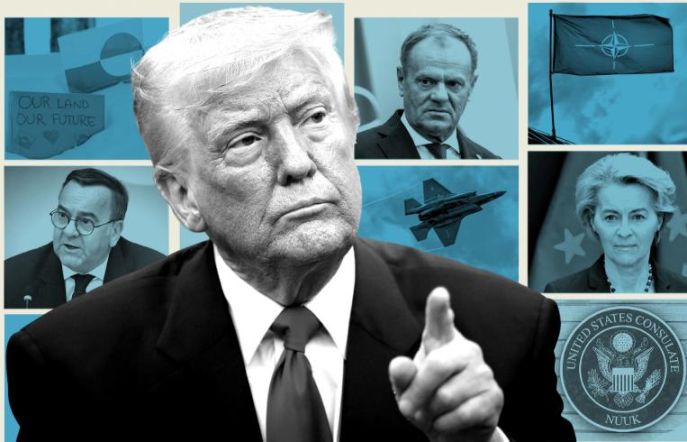
Restoring
calm to Yemen will not be easy, and the effort will need to include
security guarantees for the Red Sea and for Gulf neighbors as well as
address the STC’s demands for southern independence. It will ultimately
require bringing the Houthis into a political process and refocusing their
attention domestically by giving them a stake in a better future. A deal
may well stall in the face of many competing interests. But doing nothing
will be far worse, all but ensuring that Yemen’s problems continue to spill
out into one of the world’s most vital shipping lanes and the greater
Middle East. The Middle East’s Most
Overlooked Threat.
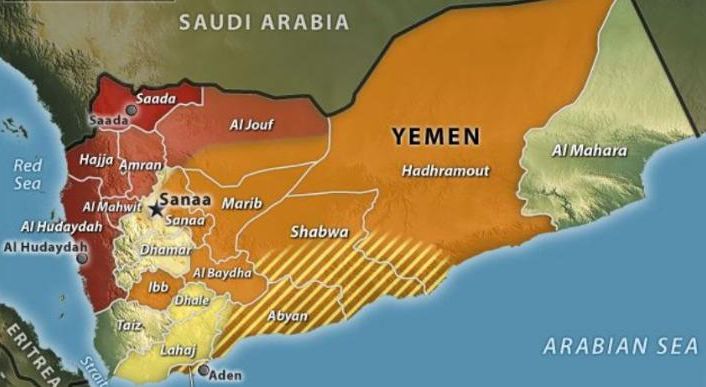
|
The
US has built its military presence in the area and carried out at least 21
strikes on boats it said were carrying drugs, killing more than 80, without
providing evidence. Venezuela's President Nicolás Maduro has said the US
actions are an attempt to oust him. Why is Trump threatening Venezuela's
Maduro? America’s Revolution of the Right: The Forces Remaking the Region
in the Age of Trump. The US is
preparing to carry out strikes on Venezuela.
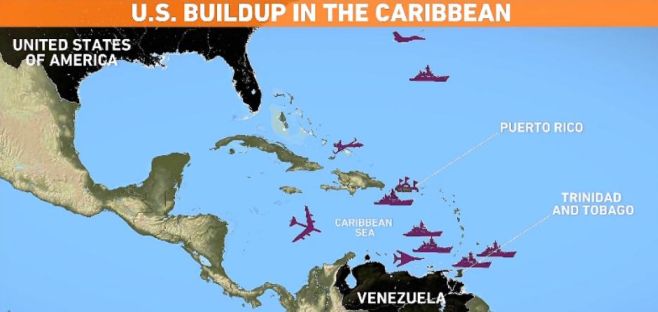
Researchers
know that the expense of raising a family is a downward pressure on
fertility rates, so they should ask why housing costs have skyrocketed as a
proportion of income in the United States, Europe, and elsewhere.
Regulations for childcare, particularly in the United States, could be
responsible for an undersupply of daycare facilities. The adoption of new
norms for both maternity and paternity leave remains fitful, so researchers
could probe how work cultures disincentivize taking leave - and therefore
having children. The policies that may help raise birthrates should not, in
the short term at least, be evaluated purely in terms of their effect on
fertility levels but in the ways they, for instance, ease financial burdens
for families, improve educational and health outcomes, and make it easier
for people to reconcile the demands of work and family. The Depopulation Panic What Demographic Decline
Really Means for the World.

When
world leaders met for sideline meetings at the Asia-Pacific Economic
Cooperation forum in October, Sanae Takaichi and Lee surprised their
domestic audiences with an overwhelmingly positive encounter. The Japanese
prime minister, who had expressed fondness for South Korean cosmetics, seaweed,
and television dramas days earlier, bowed to the South Korean flag - a move
considered respectful that was widely covered in the South Korean press.
After the summit, the South Korean president, for his part, told a domestic
audience that he was “no longer worried” about having Takaichi as his
counterpart, a statement embraced by Japanese media. Lee is reportedly
considering traveling to Tokyo to visit Takaichi in January 2026. By deepening
cooperation across ideological lines and managing expectations, Tokyo and
Seoul have a rare opportunity to construct an alignment resilient enough to
withstand the political winds of the future. Are Japan and South Korea
Poised for a Historic Breakthrough? An Unlikely
Partnership Could Allow Tokyo and Seoul to Counter...
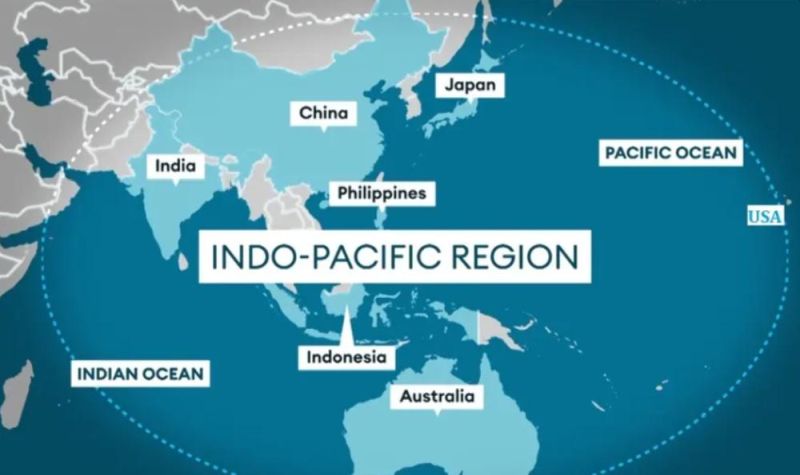
A
century ago, America refused to shoulder its burden, and the international
system collapsed, leading to World War II. Today, there are many other
stabilizing forces in the world, but an America that looks mainly after its
backyard will leave the world rudderless, unstable, and chaotic. Let’s hope
we will not have to learn that lesson again. Trump’s Doctrine Is ‘Make
America Small Again.’ A hemispheric
focus makes little sense for a global economic and military giant.
In
contemporary international relations, security is not just something
countries seek for themselves. It is also a concept they use to justify
controlling, constraining, and directing others’ behavior. When political
scientists speak of “securitization,” they refer to a process through which
a particular issue is portrayed as an existential threat, justifying
extraordinary measures instead of something that governments can address
through normal politics. How America and
Iran Can Break the Nuclear Deadlock: Ending the Cycle of Hostility and
Threats.
Democrats
are playing by the rules of a game that no longer exists. They are relying
on sterile communiqués, predictable conferences, and cautious diplomacy
while their opponents have become more ruthless, more imaginative, and
better networked. Halting the expansion of the illiberal international will
require democracy’s defenders to rethink their approach. The Illiberal International Authoritarian Cooperation
Is Reshaping the Global Order.
According
to President Trump, striking boats, seizing oil tankers, and threatening to
attack Caracas are all necessary to stop the flow of illegal fentanyl into
the United States. But this is based on faulty reasoning. Fentanyl is
perhaps the primary cause of American overdose deaths, yet there is no evidence
that Venezuela produces fentanyl at any significant level. These operations
thus do not bolster U.S. security. Instead, they risk starting a major new
conflict that would consume massive amounts of American resources, easily
pushing spending beyond what the recently passed, nearly $1 trillion
defense budget provides for. And that enormous budget is itself unlikely to
bring Washington a sense of peace. To people across party lines, the
dollars devoted to the Pentagon are meant to shore up U.S. security. With
Great Power Comes Great Insecurity: Why
Stronger States Are More Fearful Than Weaker Ones.
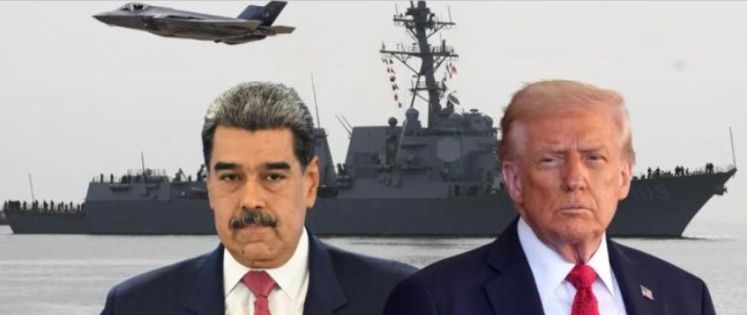
Ukraine's
President Volodymyr Zelensky has given details of an updated peace plan
that offers Russia the potential withdrawal of Ukrainian troops from the
east that Moscow has demanded. Zelensky moves
towards demilitarized zones in the latest peace plan for Ukraine.

Erdogan’s
desire for a Turkish-led order, a Pax Turkica, endures, but the foundations
of that order remain brittle. If he cannot deliver on this grand vision, Erdogan
risks a self-reinforcing cycle of domestic decline, with public
disillusionment and dwindling legitimacy further straining an already weak economy.
A regional project meant to showcase Turkish resurgence could instead
become a reminder of the gap between ambition and ability. Erdogan might be
able to escape this cycle by broadening his domestic political tent,
rebuilding Turkey’s institutions, and appealing to the country’s
professional elites and business community. But all that would risk
exposing his rule to criticism and weakening his strong hold on power.
Erdogan may harbor the dreams of an Ottoman sultan, but modern Turkey remains
hobbled in its own backyard and mired in domestic problems. Although Ankara
will remain a major player in the regional order and a dominant one in
Syria, it will not be able to turn back the clock to the time when it was
the single dominant force in the Middle East. Erdogan’s Imperial Delusions:
Turkish Power Does Not Match President
Trump’s Ambitions.
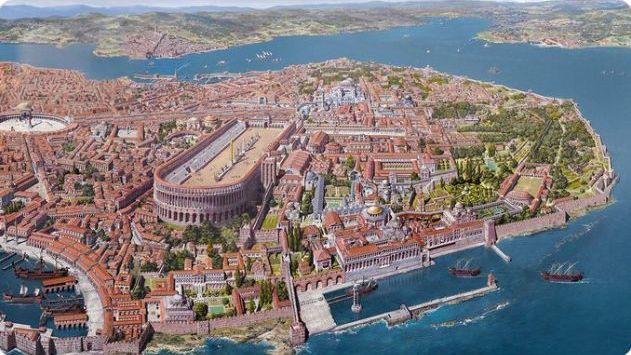
Turkish security
forces have detained 115 individuals suspected of membership in the Islamic
State (ISIS) and planning attacks during Christmas and New Year
celebrations.

The
drone threat is no longer theoretical. It is here, it is accelerating, and
it will only grow more challenging. The United States still has the means to
shape the environment before a crisis forces its hand, but the window is
closing. How to Secure the Sky.
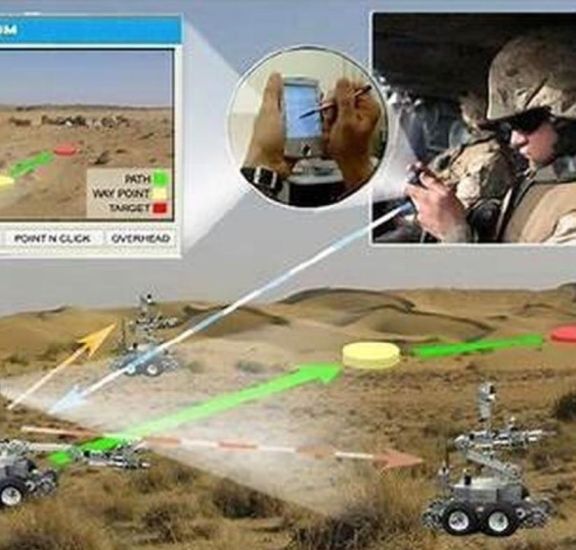
|
|
|
|
If
international AI deals are to help the United States in the long term, they
should be designed to complement, rather than cut into, the domestic AI
industry. That means Saudi Arabia and the UAE will need to quickly deliver on
their promised investments in AI infrastructure within the United States.
It also means the United States needs to act with urgency to build AI
infrastructure at home, in part by removing permitting bottlenecks and
increasing domestic power capacity. Projects in the Gulf already benefit
from looser regulations and cheaper energy. The United States’ ability to
generate gigawatts of new electricity for AI will set the ceiling for how
much global demand can be served from U.S. territory. Compute Is the New Oil:
America and the Gulf Must Work Together on
Artificial Intelligence.
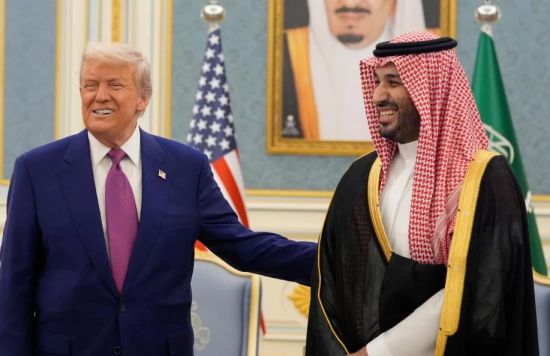
Despite
Trump’s erratic behavior, Washington remains a more desirable partner for
most governments. But the administration will need to reconcile its
“America first” orientation with the reality of an increasingly multipolar
world by combining transactional deal-making with a broader strategic framework
that delivers real benefits to other countries. The first Trump
administration’s creation of the Artemis Accords offers a useful model. It
framed the accords as rules-based, transparent, cooperative, and inclusive
while also providing capacity-building programs in areas such as space law,
resource governance, and satellite data. Initiatives that embody this same
type of innovation, openness, and true partnership distinguish American
leadership from Chinese leadership, and they provide the best chance for
sustaining U.S. influence across the uncharted frontiers of the
international system. How China Wins
the Future: Beijing’s Strategy to Seize the New Frontiers of Power.
Despite
much speculation to the contrary, Trump has neither abandoned Ukraine to
Russia’s will nor walked away from the problem as one that is too hard to
solve. And the U.S. national security apparatus has the expertise and skill
needed to manage a complex diplomatic undertaking, if only the
administration could find a way to reliably control its own bureaucracy,
which it does not trust. The Time to End the War
in Ukraine Is Now.
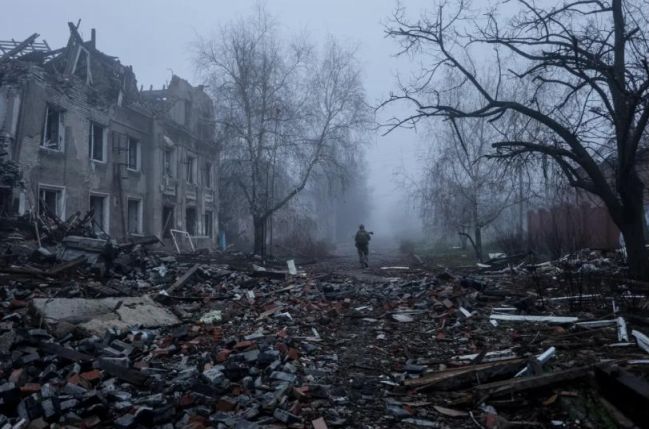
Keeping
the Levant fractured will not bring stability to the Middle East. The
Shiite communities that once undergirded the axis of resistance must be
incorporated into the region’s political and social life. And Iran must see
that it can reap more benefit from diplomatic and economic engagement than
from resuming its disruptive military efforts. Shiite groups have been
weakened, but trying to keep them subdued by excluding them from politics
will only make them prey for future Iranian efforts to rebuild its proxy network
- and imperil any broader vision of regional peace. What Comes After the
Axis of Resistance? The Abiding Power of
Sectarianism in the Middle East.
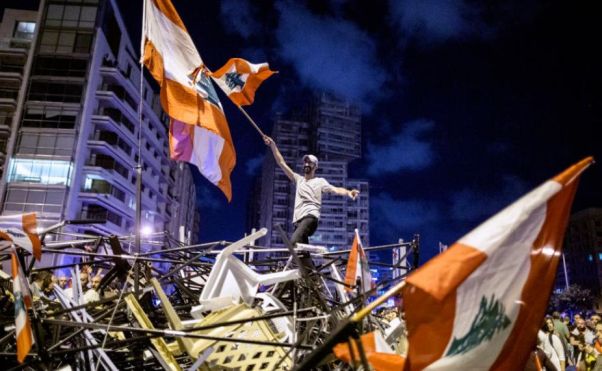
More than 1,900 flights from China to Japan
scheduled for this month have now been cancelled, the figure
representing more than 40% of the flights from mainland China to Japan
scheduled for December, Chinese state broadcaster CCTV reported on Monday,
citing data from online platforms.
China
has released more details about a mid-air stand-off between Chinese and
Japanese fighter jets that occurred on December 6, 2025. The incident, in
which Japan’s Defence Ministry claimed the Chinese ship-based J-15 fighters
from aircraft carrier Liaoning had locked fire-control radars on Japan’s
F-15 jets in international airspace near Okinawa, has further raised
tensions between the two nations. An audio recording, purportedly of the
radio communication between the two navies before the Liaoning began its
flight exercises that day, was also published on December 9 by
Yuyuantantian, a social media account run by state broadcaster CCTV.
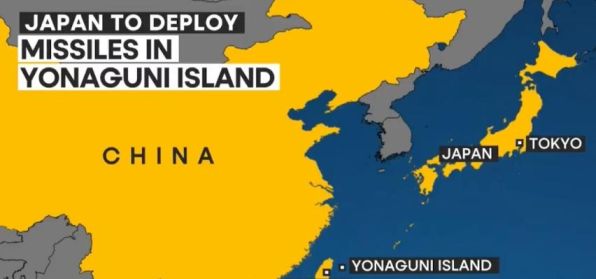
Syria
feels lighter without the Assads' crushing weight. But now there are new problems.
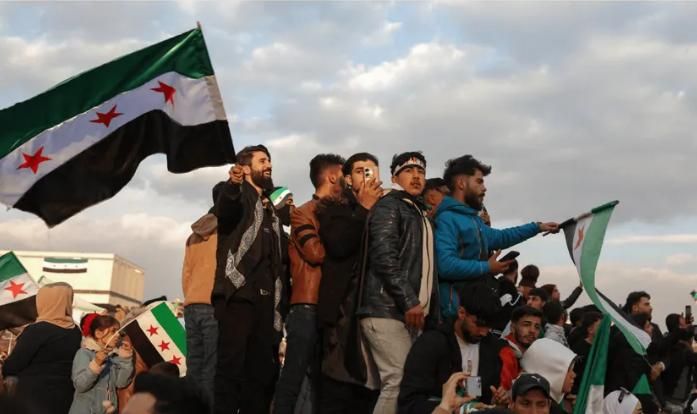
|
What
we did not anticipate a year ago was the Trump administration’s routine
subversion of the law, and even the U.S. Constitution. Although the
Constitution gives Congress, not the executive branch, the authority to
appropriate funds and set tariffs, Trump has usurped that authority,
freezing or canceling spending appropriated by legislators and dismantling entire
agencies established by Congress. He has also repeatedly imposed tariffs
without legislative approval, usually by declaring national emergencies
that did not exist (neither Canada nor Brazil posed an “unusual and
extraordinary threat” to U.S. security). The Price of American
Authoritarianism: What Can Reverse Democratic
Decline?
History
does not Repeat Itself, But It Rhymes. Deserving a recap is 'the war
of all wars', the First World War, no doubt, is what led to the
Second World War, in which Japan participated, hence drawing in the whole Pacific Region.
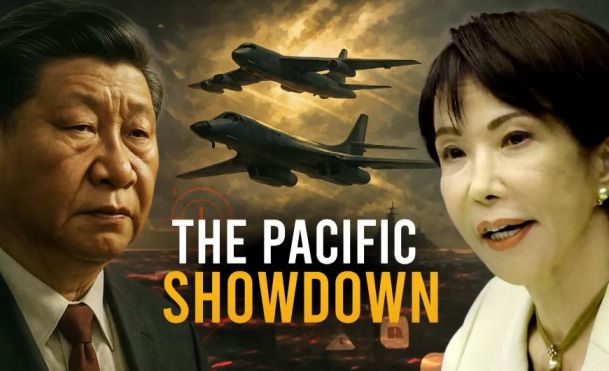
US
Sends B‑52s as China–Russia Military Pressure Mounts Over
Japan
In
the Middle East, the eastern Mediterranean, and the Caucasus, Turkey has
too often resorted to confrontation or empty gestures, such as suspending
diplomatic contacts, issuing highly charged public statements, and
announcing new initiatives but not following through. The way Turkey’s
influence will grow is instead through sustained dialogue and
confidence-building. It is crucial to maintain positions consistent with
international law to play a constructive role in these regions. The full normalization
of relations with Armenia and the opening of the Turkish-Armenian border,
for example, would be an important step in this direction. Turkey’s Second
Act: What a Democratic Restoration Offers
the Country’s Citizens, and the World.
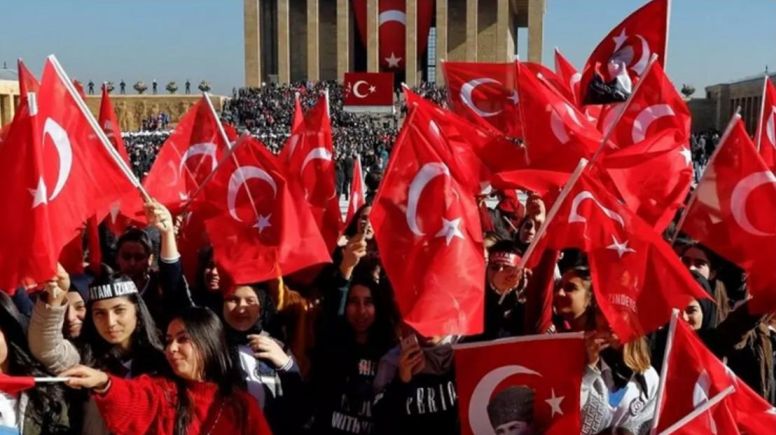
Beijing
will continue to use incremental tactics and economic coercion against neighbors
to pressure them to decouple or distance themselves from Washington. In the
coming years, the extent to which Beijing attempts to eject the United
States from its region politically and militarily will likely define the
principal arena of U.S.–Chinese strategic rivalry. “Don’t make us choose”
has been the mantra of many East Asian countries, including some U.S.
treaty allies. But under bipolarity, the luxury of choice is not one afforded
to small countries in a superpower’s backyard. Countries will be forced to
choose, and choose correctly according to their neighbor, or risk the
consequences. The Multipolar Mirage: Why
America and China Are the World’s Only Great Powers.

Nuclear
deterrence is almost a taboo subject in Europe, since there is no good
alternative to the American umbrella: the French and British nuclear
deterrents are ill-equipped to counter Russia’s vast nuclear arsenal. But
Europeanizing such a deterrent opens countless dilemmas, such as financing
an expanded French-British nuclear capability, determining how decisions
would be reached on its use, and providing the conventional military
support needed to enable a nuclear deterrent and strike force. Europe’s global role and what must be done to escape a
lost decade.
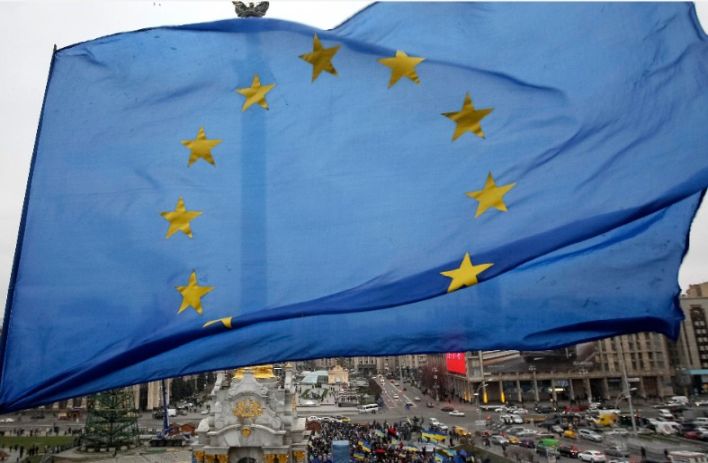
Deadly
Clashes Upend Thailand-Cambodia Cease-Fire. Pictured underneath, the Thai
Prime Minister dismisses Trump's calling him as just asking how things are
going. The Thai Prime Minister announces the results of discussions with
"Trump" on the Thailand-Cambodia situation. He explained today
why the war has been continuing. Thai
Military Launches Coordinated Strikes Targeting Cambodia's Financial and
Drone Warfare Capabilities.

The
suspected gunmen in the Bondi Beach attack threw explosives at the start of
the deadly incident and had practiced shooting weeks before. The pair
"meticulously" planned the attack for several months and, two
days before the shooting, visited Bondi for reconnaissance. We mentioned
the Bondi situation as soon as the initial arrests
were made.
|
|
|
|
For
decades, Pakistan’s invisible state allowed the generals to rule without
responsibility while civilians absorbed the costs of failure. The Field
Marshal Asim Munir model reverses that bargain. By making Pakistan’s
military power public, putting the army chief at the center of tariff
policy and oil exploration, and at the negotiating table with miners and tech
firms, the generals promise efficiency and speed. The bargain also
collapses the distance between the uniform and the republic. This is not a
creeping coup. It is something slicker: strategic integration. The military
has institutionalized its dominance rather than disguised it - Pakistan’s
Quiet Coup: The Making of a New Model of
Military Rule.
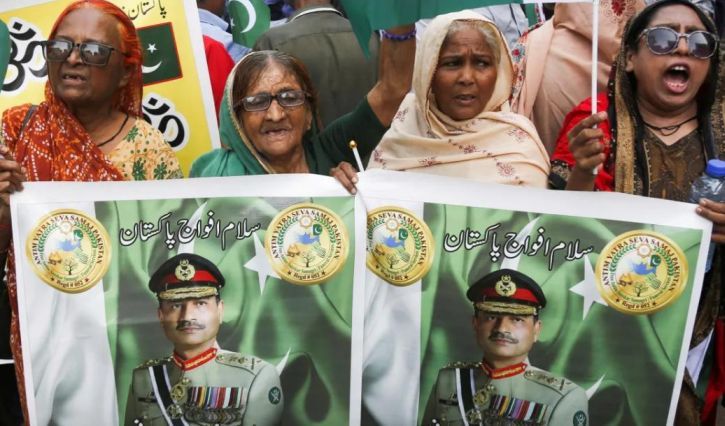
The
Pope visits Istanbul's Blue Mosque (the former Hagia Sophia).
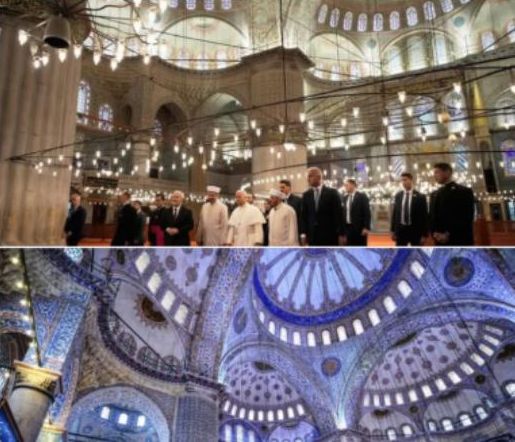
China
has its own problems, with deflation, slowing growth, and an industrial
glut, but President Trump’s “America First” policy opens up new
opportunities for China to boost its global
influence. It will present itself as a more reliable partner, particularly
in the global south, where it is striking a string of trade agreements. It
is happy to do tactical deals with President Trump on soybeans or chips.
The trick will be to keep relations with America transactional, not
confrontational.
Japanese
Prime Minister Sanae Takaichi’s active presence on social media has
captured the public’s interest. While her honest and humorous posts draw
people in, they pose the risk of online backlash. Japan's PM Takaichi’s personal touch on social media
draws bouquets and brickbats.
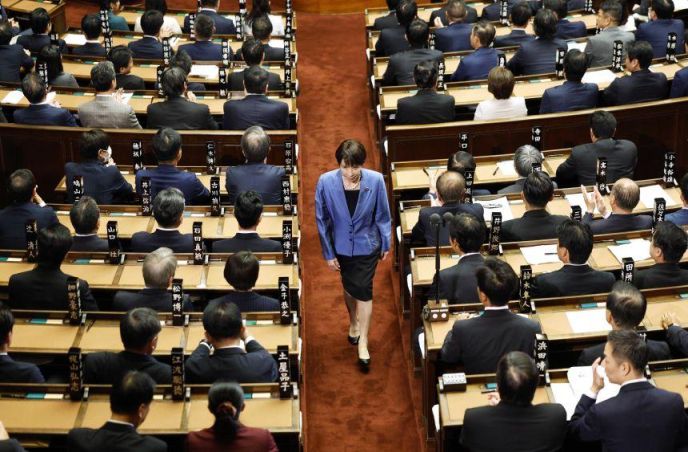
Although
Hamas won support initially, as the costs of conflict rose and the
realities of what future governance would require grew clearer, that
support diminished, and the public’s appetite for a negotiated settlement
by a Palestinian-led, internationally backed administration grew. A cease-fire
that exists mostly on paper, however, would push opinion back the other
way. Where popular attitudes go next depends on whether Palestinians are
given a real chance to imagine a future that is not just war by other
means. Are Palestinians Ready to Shed Hamas? How
Other Factions Might Gain Ground.
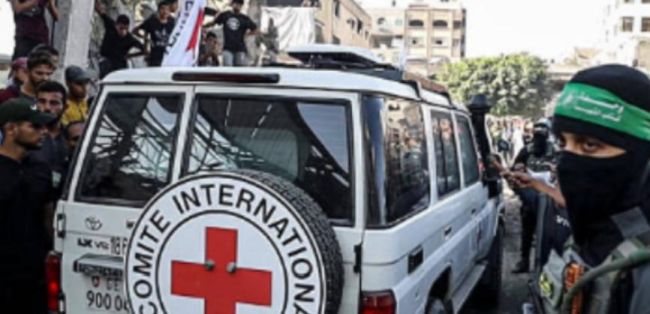
US
lawmakers demand answers over Hegseth's Venezuela boat strike claims. The US military carried out a second strike, killing
survivors on a suspected drug boat that had already been attacked.
The
1975 convening of the Conference on Security and Cooperation in Europe
offers a stark contrast to Yalta. Thirty-two European countries, plus Canada,
the Soviet Union, and the United States, met in Helsinki to create a
European security structure based on rules and norms applicable to all.
They agreed on fundamental principles governing states’ behavior toward
their citizens and one another. It was a remarkable feat of multilateralism
at a time of major tensions, and it became instrumental in precipitating
the end of the Cold War. The West’s Last Chance: Build a New Global Order Before It’s Too Late.

The
post-Cold War era of unchallenged American primacy is over, and a new
period of global competition has taken its place. As the United States
withdraws its foreign aid, understanding the subtleties of China’s economic
statecraft is more important than ever. Policymakers must analyze where and
how Chinese money flows. Doing so will allow the United States and its
allies to gain valuable insights into Beijing’s strategic focus, and
perhaps even begin building a more targeted and effective response. Foreign Aid With Chinese Characteristics Where
Beijing Is, and Isn’t, Seeking Influence.
Both
Europe and India face similar predicaments that could bring them closer
together. Neither side feels able to rely on the United States as they once
did. Both seek new partnerships to help protect themselves from a more
capricious Washington. Until only six months ago, India seemed destined to
align ever more closely with the United States, in part to fend off future
Chinese aggression. Now, Trump’s pressure campaign means that India will
pursue a renewed multialignment, not out of ideological conviction but as a
practical necessity. The ultimate irony of Trump’s approach is that it is
producing precisely the outcome it sought to prevent: a more multialigned
India, invested in multiple partnerships and less susceptible to
bludgeoning pressure from the United States. The
India Trump Made Where American Bullying Is Leading New Delhi.
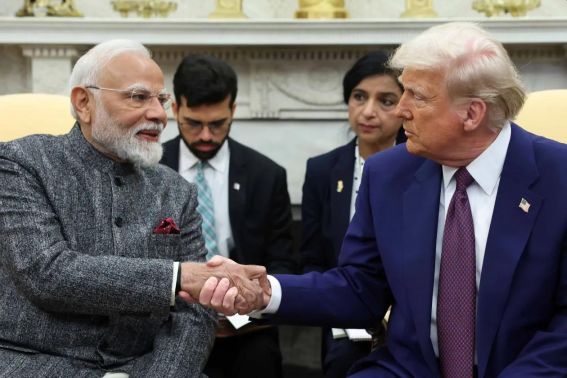
The
best thing that can happen to Russia is that it discovers the limits of its
imperialism the hard way - by getting bogged down in Ukraine. By contrast,
winning the war (and this is what Putin clearly hopes to accomplish,
whether on the battlefield or through peace negotiations) would only
further inflame Putin’s hubris and encourage more aggression. Russia should
face the consequences of its misguided policies, not reap the rewards of
territorial enlargement. It should be made to realize that there are better
ways to achieve greatness than invading one’s neighbors. For the sake of
peace, Trump should not place further obstacles in the way of this belated
realization. America’s Magical Thinking About Ukraine: A Bad Deal Is Worse Than No Deal.
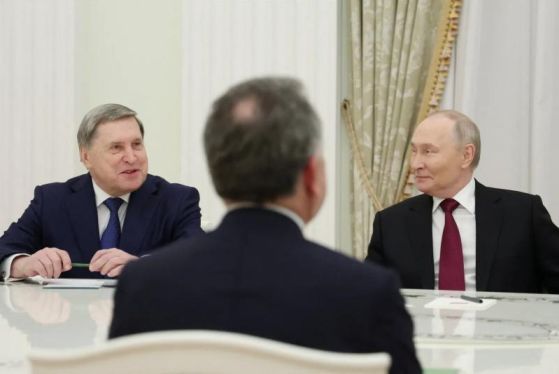
|
The
Middle East is no place for idealism and lofty ambitions. It is, instead, a
place for power and realism, which makes it perfect for this U.S.
president. For now, oil continues to flow, the Iranian threat has been
diminished, the fighting in Gaza has subsided, and there are no major
upheavals. In a region known mostly for chaos, these are consequential
achievements. Trump’s Middle East Order:
The President’s Transactional Style Is Well Suited to the Region.
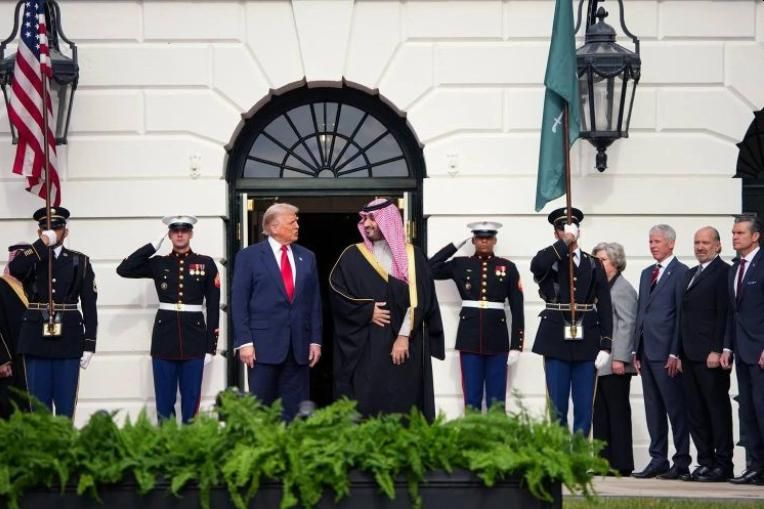
How
did the first cities form at all, when it makes no sense for farmers to
leave the land and congregate, and what happened to the Mayan cities? New Model of Urbanization Challenges the Paradigm
of the Mayan Collapse.

Israel’s
international isolation as a result of the war in Gaza represents a clear
and present danger for the country. Leaders of the Netherlands, Spain, and
Switzerland have said publicly that they would arrest Netanyahu if he set
foot on their territory. Germany and the United Kingdom, which have armed
Israel for decades, are restricting weapons sales. Changing attitudes in
the United States are particularly alarming for Israel. Americans under the
age of 45 are more than twice as likely to sympathize primarily with the
Palestinians as they are to sympathize primarily with Israel. Although
these changes in public opinion have not yet translated to changes in
policy, Israel cannot expect the disconnect to persist indefinitely. The End of the Israel Exception.
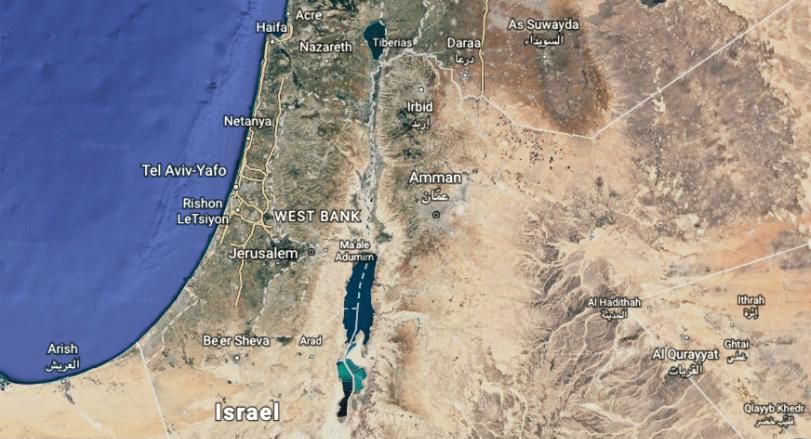
The
findings suggest that Trump should drop his quixotic push, which risks
placing Syria’s current government in direct opposition to the preferences
of the vast majority of its citizens. Instead, the United States and its
allies will have more success if they continue to provide Syria with the
financial and technical assistance it needs to rebuild and address its
internal social challenges. By doing so, they can help the state become a stable
U.S. partner in a critical region for American interests. What Syrians
Want: A New Survey Shows the Promises and
Perils Facing the Country’s New Government.
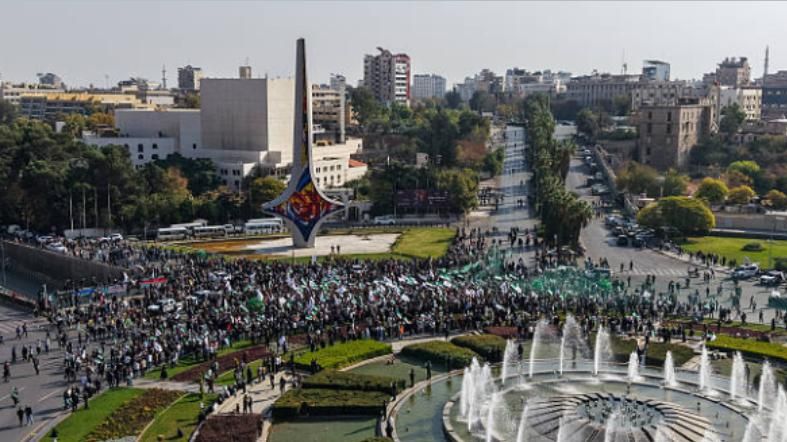
Putin
arrived on Thursday evening, 4 December, in Delhi and was greeted with a
hug and handshake by PM Modi at the airport, followed by a private dinner. Russian
newspapers say the leaders spoke for 2.5 hours last night, but details
haven't been released yet. Delhi has turned into a fortress, and security
is tight at the venue of the joint business forum Bharat Mandapam, one of
India's largest convention centers that hosts important global events,
including the 2023 G20 Summit. Security officials are conducting sweeping
checks with sniffer dogs, handheld scanners, and metal detectors. More than
100 business leaders and ministers from India and Russia will be meeting
here to work out crucial trade agreements. Putin
in India and why Delhi needs Moscow.
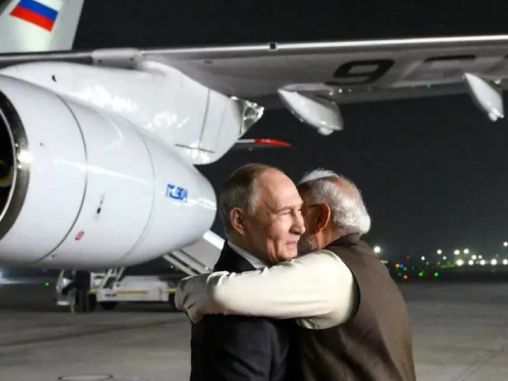
Sweeping
Trump strategy document seeks to reframe the US’s role in the world, slams
Europe. The US National Security Strategy aims to reassert influence in the
Western Hemisphere via a "Trump Corollary", increasing its
military presence. It also warned that
Europe faces “civilizational erasure.”
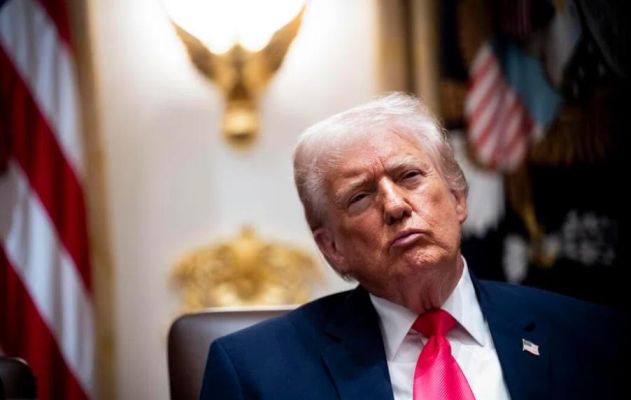
How
Venezuelan leader Nicolás Maduro defied all predictions. The leader mocked by some is now the longest-serving
president in power in Latin America.
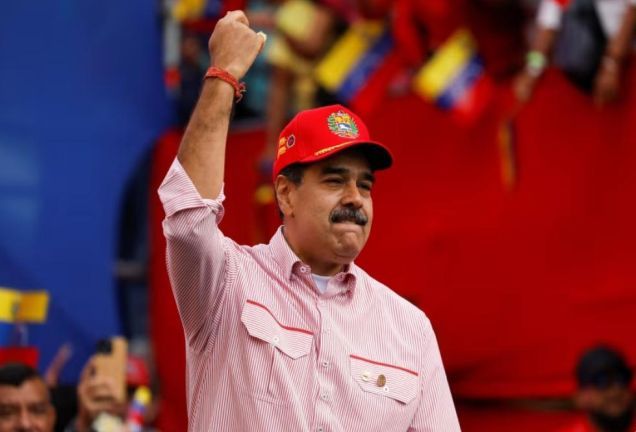
In
an ideal world, the United States would still be the best security provider
for U.S. allies. But these allies do not find themselves in an ideal world,
and the possibility that the United States under Trump or one of his
followers will ultimately do the right thing by its allies is more in doubt
than perhaps at any time in the nearly 80 years since the modern U.S. alliance
system took shape. Hoping that the United States eventually does the right
thing or rediscovers the benefits of strong alliances is not a viable
long-term strategy. The prudent step is hedging. America’s allies remain
committed to Washington for now, but they are anxious enough to start
looking elsewhere for support. How Much
Abuse Can America’s Allies Take? Longtime Partners Will Soon Start to Drift
Away.
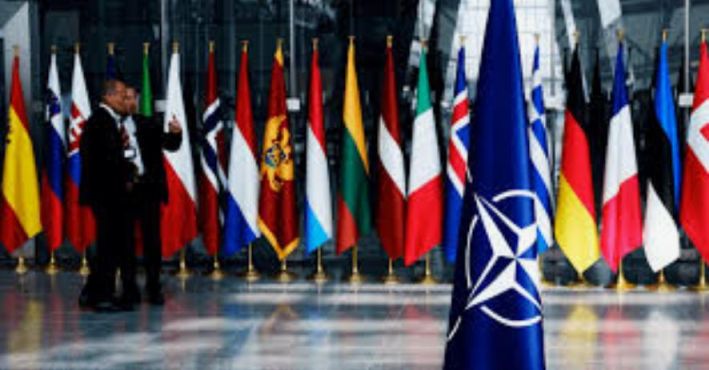
Resolving
the conflict in Ukraine would demand not just flexibility but close
coordination with allies and carefully plotted incentives to curb Russian
aggression. This is incompatible with the project of imposing
American-style conservatism on Europe. Contending with China’s reach in the
Indo-Pacific and beyond will benefit from Washington’s talent for persuasion
rather than for imposing tariffs. And if the United States is to minimize
its military footprint, it will have to look past civilizational patterns
and affinities, whatever these may be, and establish global partnerships
that are based on mutual respect. Having campaigned on moderating American
power, Trump has shown himself to be enamored of it and the world-changing
options it creates. Trump’s Power Paradox: What
Kind of World Order Does His National Security Strategy Seek?
The
Royal Thai Army says it has launched air attacks along its disputed border
with Cambodia, following deadly clashes. Thailand says one of its soldiers
was killed and eight others injured after troops came under Cambodian fire
on Monday morning, 8 December. The New War
Between Thailand and Cambodia.
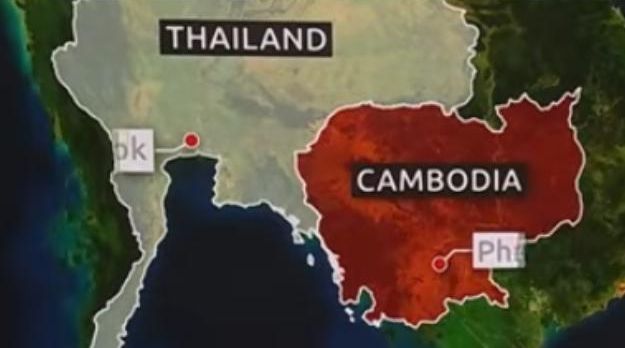
|
|
|
|
One
summer evening last year, a couple’s therapist, Henrik Lenkeit, 49, was
watching a TV documentary about German Nazi SS master Heinrich Himmler,
architect of the Holocaust. After the show ended, Lenkeit poked around the
Internet for information about Hedwig Potthast, Himmler’s rather gruesome
mistress featured in the documentary. Suddenly, Lenkeit saw his grandmother’s face in an image of
Potthast posing with Himmler.

Underneath
Rafah, southern Gaza, the war is not over. Scores of Hamas militants, split
up into independent cells, are behind Israeli lines. Now mediators try to find a solution that
doesn’t collapse the month-old ceasefire in Gaza.

First
comes the warning, that disembodied voice over the tannoy: "Your
attention please. Air siren in the city. Please move to the shelter on the
minus second floor." Then comes the mosquito-like whine of the
incoming Russian drones, massing in their hundreds just above the clouds. Russian Drone Terror Tests Europe.
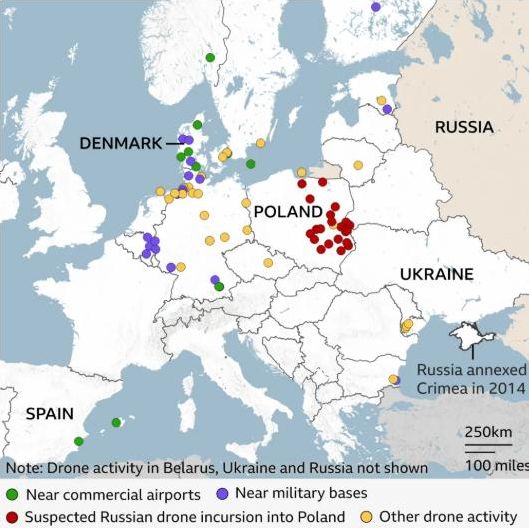
Debates
over “free trade” cannot be separated from questions of sovereignty. To
sustain a stable and fair global system, policymakers must recognize that
integration entails shared constraints. Countries cannot insist on the
freedom to engineer domestic imbalances while also insisting that other
countries absorb them. Unless major economies accept equivalent limits on their
ability to manage credit, currencies, and external accounts, the world will
see recurring beggar-thy-neighbor tensions, protectionist backlashes, and a
fragmented trading order. The arithmetic of global accounts guarantees it.
How to Fix Free Trade: A Global Customs Union
Could Solve the Problem of Imbalances.

Venezuela
will be unable to carry out a free and fair contest until its new
institutional framework is consolidated and the economy is clearly
rebounding, a process that is likely to take three to five years. Even
then, elections must proceed under a predetermined schedule: first local,
then regional, then parliamentary, and finally presidential. The transitory
judiciary, electoral, and oversight bodies that embody the power-sharing
arrangements will have to remain in place, with the same split membership, through
at least the first post-transition presidential term. A Grand Bargain With Venezuela American Force Won’t
Dislodge Maduro, but American Diplomacy Might.
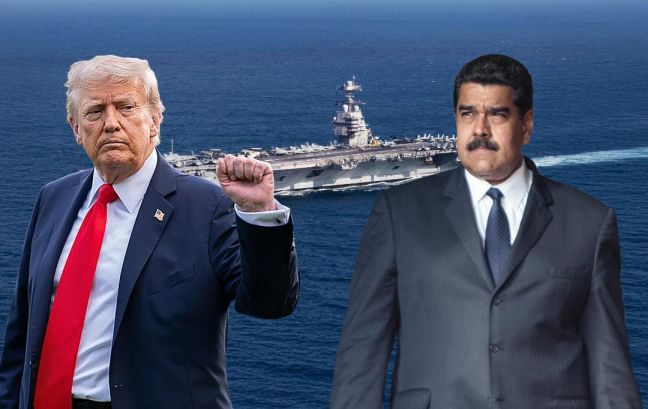
Former
inspector general of police Chowdhury Abdullah Al-Mamun is the only accused
person who is present in court today. Chowdhury pleaded guilty in July for his
involvement in the uprising last year and has given testimony as the
state's witness. Bangladesh's former Prime Minister Sheikh Hasina and
another co-accused, ex-interior minister Asaduzzaman Khan Kamal, have both
gone into hiding. Stun grenades were fired at
the Dhaka protest as soldiers deployed.

For
the foreseeable future, the BRICS are likely to continue muddling through,
attracting new members, producing grand declarations, and occasionally
coordinating positions, but falling well short of becoming the basis of a
new model of global governance. Trump has reminded BRICS members why the
bloc matters, while simultaneously exposing why it cannot rise to the
occasion. BRICS Is Missing Its Chance, United
by Trump’s Hostility but Too Divided to Seize the Moment.
Google
boss warns 'no company is going to be immune' if AI bubble bursts. Every company would be affected if the AI bubble were
to burst, the head of Google's parent firm, Alphabet, has said.
In
an age in which many nations face the dual, often competing imperatives of
population decline and anti-immigrant populism, Japan’s approach is a case
to watch. If it succeeds, it could offer a pragmatic blueprint for how to
grow and integrate a migrant labor force without fracturing social trust.
If it fails, it may reinforce the perception, both in and outside of Japan,
that the promotion of even carefully managed immigration is politically
unsustainable. Japan’s Stalled Immigration Experiment: The Uncertain Future of a Promising Approach.
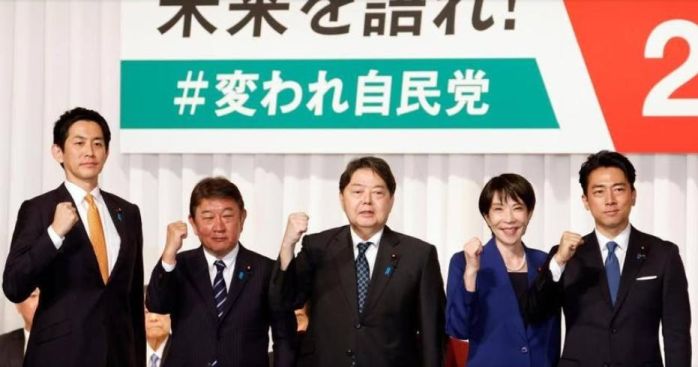
Selective
nuclear proliferation requires careful management to fulfill its potential,
but it offers genuine ground for optimism. The case for it remains as
controversial as ever, but it doesn't matter greatly which countries get
the bomb. If the proliferators are allied, stable governments and responsible
members of the international community, then more nuclear weapons might
indeed be better. America’s Allies Should Go Nuclear: Selective Proliferation Will Strengthen
the Global Order, Not End It.
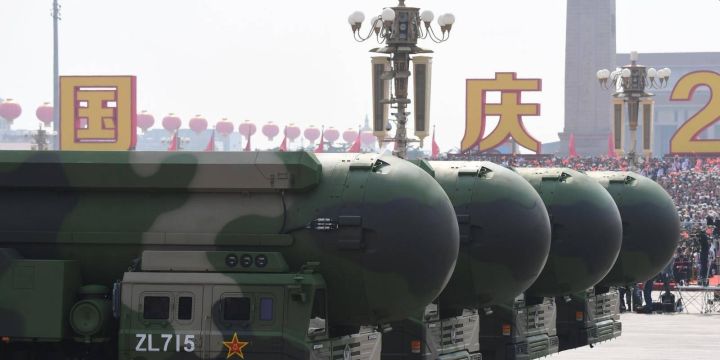
Defending
against information warfare will require partnership between the public and
private sectors, organized by the White House Office of Science and
Technology Policy. The creation of formal channels for collaboration with
social media platforms, leading AI research labs, and cybersecurity firms
would enable the U.S. government to share intelligence about particular
threats, codevelop advanced technologies to help detect AI-generated
content, and establish industry-wide best practices to counteract AI’s
magnification of disinformation. Through the White House’s involvement, the
fight against information warfare, now a niche policy concern, would become
a central organizing principle of U.S. national defense. AI Is Supercharging Disinformation
Warfare, And America’s Defenses Aren’t Ready.

Britain’s
domestic spy service, MI5, warned lawmakers on Tuesday that China’s
intelligence services are posing as recruiters to target people who work in
Parliament, just weeks after the collapse of a case against two British
nationals accused of spying for Beijing. Chinese Spies Using LinkedIn to Target British
Lawmakers, MI5 Warns.
It
would be premature to declare the relative improvement in China’s
soft-power position a definitive victory for the country. For now, Beijing
seems to be holding back rather than fully taking advantage of the United
States’ decline. It presents itself as a reliable and accessible
developmental partner, as it did before the second Trump administration,
but it has also been cautious about expending more resources abroad.
China’s ideological message still draws largely on resentment toward the West,
rather than presenting a compelling alternate international vision or
offering concrete, replicable policy lessons. Many foreign publics remain
wary of China, especially when it comes to global leadership. The New
Soft-Power Imbalance: China’s Cautious
Response to America’s Retreat.
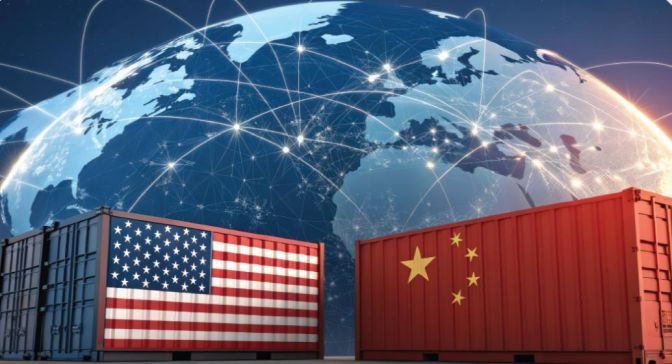
U.S.-Saudi
Bonhomie Masks Divide Over Nuclear Technology. The Saudi crown prince’s flashy trip to Washington
was not enough to secure a formal atomic cooperation accord.
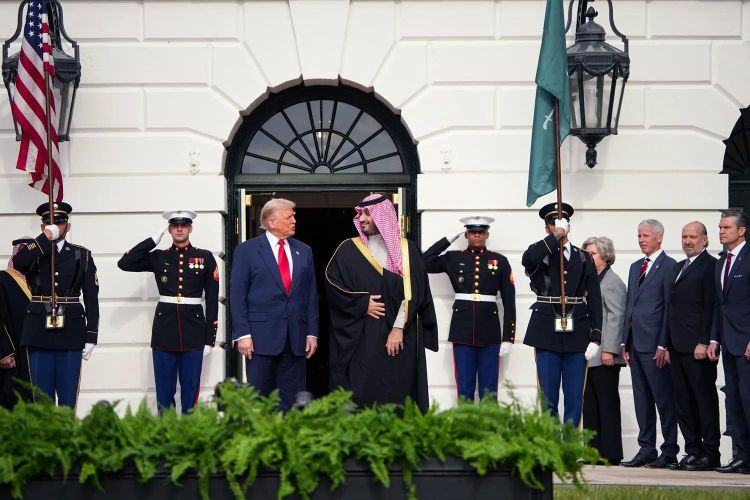
|
The
only way for Trump to be able to declare victory credibly is for Maduro to
go. Trump is obviously reluctant to launch strikes inside Venezuela. It’s a
fair guess that it isn’t the problem of how to legally justify and defend such
strikes that is deterring him, but his own doubts about the chances of
success. And if Trump backs down, he would not acknowledge defeat; he would
instead claim that his only goal had been to depress drug trafficking. He
would declare victory and cite statistics showing that the number of drug
shipments on boats in the Caribbean had gone down, which it would have. How to Topple Maduro and Why Regime Change Is the
Only Way Forward in Venezuela.
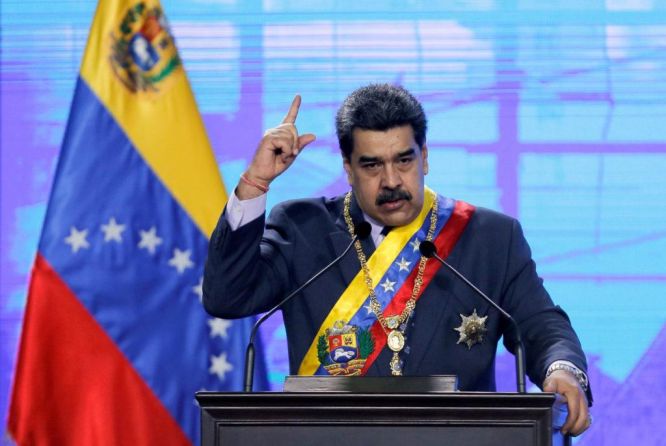
Trump’s
New Ukraine Policy Is Old Hat. The White
House may soon preside over the first negotiated defeat of a modern
democracy.

China
spat with Japan on Taiwan deepens, reaches UN: What’s it all about? The spat has rapidly escalated into a trade and
diplomatic war set to affect businesses on both sides.

Senators
claim Rubio told them the 28-point proposal was a Russian plan, not an
American one. We must do everything to strengthen defense against Russian
attacks, says Zelensky. Ukraine's Western
allies say 28-point plan would 'leave Ukraine vulnerable'.
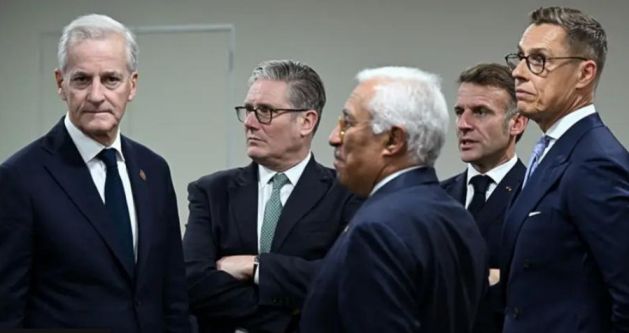
Borders cannot be
changed by force, says von der Leyen:
Top
US and Ukrainian officials said Sunday they were making progress toward
ending Russia's war in Ukraine, yet they didn't elaborate on how the US plan
to achieve peace was evolving after talks in Geneva. Many of Washington's
European allies have expressed concerns that the plan is far too
conciliatory to Moscow.
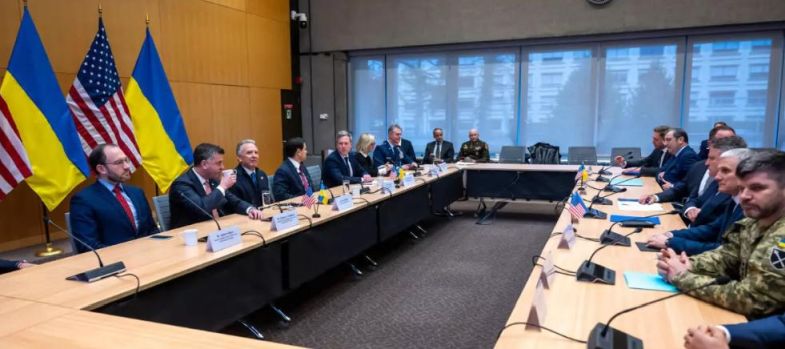
Long-wave
geopolitical cycles do not last forever. The most important question facing
Americans and the divided U.S. polity is whether the nation can gather
itself to recognize the perils of the moment, find the wisdom required to navigate
it, and take collective action to prevent - or more accurately, postpone -
the next global convulsion. Unfortunately, as Hegel observed, we learn from
history that too often we do not learn from history. When American
strategists crafted the Cold War strategy that was the foundation of the
long peace, their vision lay far beyond the conventional wisdom of earlier
eras. To sustain the exception that has allowed the world to experience an unprecedented
period without a great-power war will require a similar surge of strategic
imagination and national determination today. The End of the Longest Peace?
One of History’s Greatest Achievements Is
Under Threat.

Japan’s
Defence Minister, visiting a military base close to Taiwan, said plans to deploy
missiles to the post were on track as tensions smolder between Tokyo and
Beijing over the East Asian island. Japanese stocks related to tourism and
retail declined on Monday after China issued a warning to its citizens not
to travel to the country. Japan to
deploy missiles to island near Taiwan, Defense Minister says.
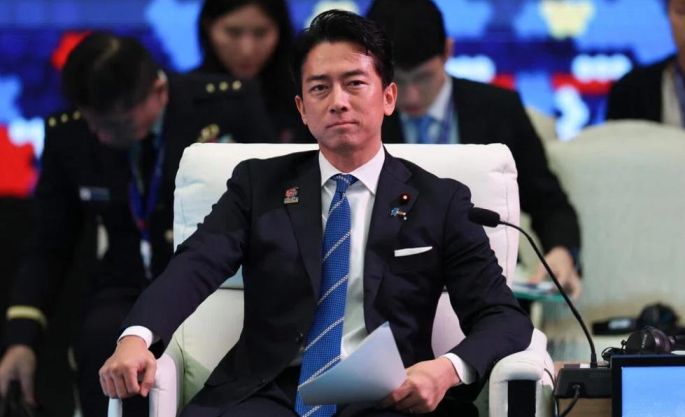
Traditionally,
Russian intelligence has suffered from poor coordination between separate
agencies. But because sea operations are based on joint
military-intelligence operations, they appear to have largely escaped this
problem. Since Soviet times, Moscow’s different intelligence services,
including the military intelligence and the FSB, have cooperated closely at
sea. Moreover, the presence of official military boats, as the surveillance
ship observed near the UK this fall, alongside shadow fleet ships, suggests
the extent to which shadow tankers may be coordinating with the military
and intelligence apparatus. Over the past six months, Russian warships have
also been observed escorting shadow fleet vessels in the Baltic Sea and
even the English Channel. Moscow’s Offshore Menace: How the Shadow Fleet Enables Russia’s Hybrid Warfare in
Europe.
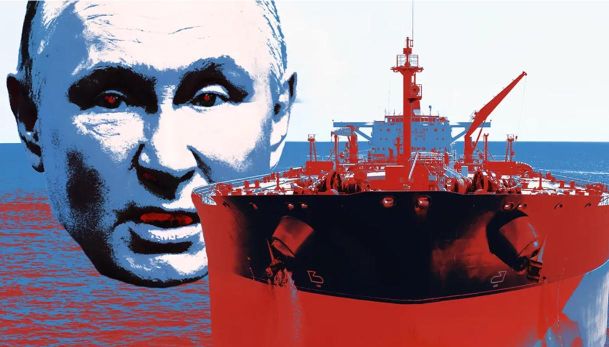
The
US still has points of leverage it can use against China. But the strategic
incoherence of Liberation Day, the subsequent de-escalation of the trade
war, and the administration’s efforts to mollify Beijing ahead of the South
Korean meeting have led China to conclude that Washington is not prepared
to escalate. To the extent China does want a stable equilibrium, it wants
to get the United States accustomed to a new one, on Beijing’s, rather than
Washington’s, terms. A year into the second Trump administration, it has
made startling progress toward that objective. How
Xi Played Trump, Beijing Gambled and Is Now Reaping the Rewards.
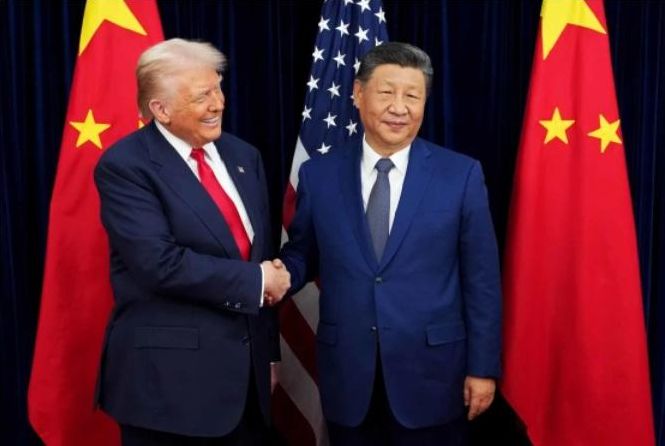
Whereas
resumption of full-scale nuclear testing would allow the United States to
answer some pressing questions about the fitness of its stockpile, it would
provide even greater benefit to China and Russia. When Trump posted on
social media that China and Russia were already testing nuclear weapons, he
was likely referring to hydro-nuclear experiments with ultralow yields,
which are not detectable without an onsite presence. (If China or Russia
were doing nuclear tests in the multi-kiloton range, it would almost
certainly be detected by the elaborate international test-monitoring system
established by the Comprehensive Test Ban Treaty Organization.) Lessons From
Los Alamos: America Has the Most To
Lose From Restarting Nuclear Testing.

If
the world’s most powerful country is seen to be disregarding both
international law and its own domestic statutes, it risks further
undermining the very legal order it built and encouraging transgressive
behavior by others. The impetus to imitate the United States’ rule-breaking
may arise not only in illiberal states but also potentially among other
Western democracies. The Real Costs of
Washington’s Use of Force.
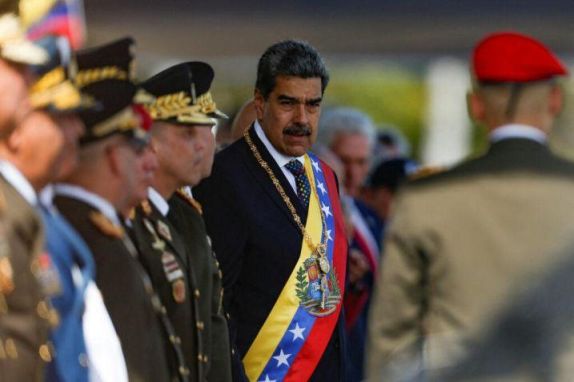
Colombian
president says oil is ‘at the heart of’ US pressure campaign on Venezuela. Venezuela has what are considered the largest oil
reserves in the world.
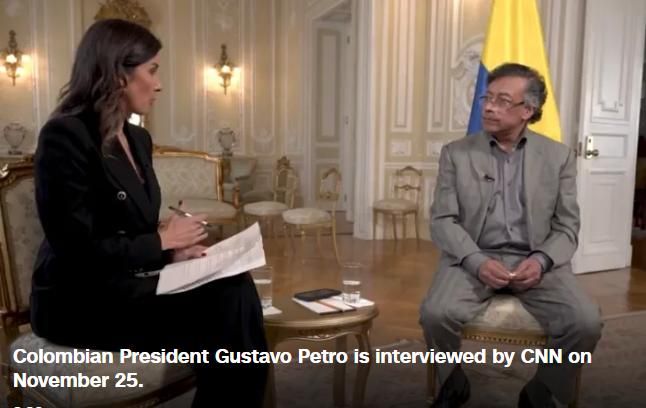
Right-wing
parties, no less than their centrist and liberal counterparts, are aware
that in an increasingly unstable geopolitical landscape, their countries
may have to fend for themselves. Confronted with a hostile world, Europe’s
right may rediscover, perhaps reluctantly, the practicality of Europe’s
decoupling from an unreliable United States. Ultimately, Trump’s impact on Europe
bears many similarities to Mikhail Gorbachev’s influence on the Eastern
Bloc in the 1980s. Gorbachev-mania dramatically reshaped the communist
regimes of Eastern Europe, and in the process helped Moscow lose its sphere
of influence. The Paradox of Europe’s Trumpian Right: How America’s Weaponization of Ideology Could Backfire.
|
|
|
|
China’s president, Xi Jinping, has met with his American counterpart, Donald Trump,
for their first face-to-face talks in six years. Trump emerged from the
meeting in South Korea in a buoyant mood, describing it as a 12 on a scale
of one to ten. He is now saying the US
will lower tariffs on Chinese imports, with Beijing giving the US better
access to rare earths in return.
Trump
has authorized a CIA covert operation against Venezuela. His administration
has already targeted “drug boats” in the Caribbean. Trump calls Maduro a
“narcoterrorist” and has declined to answer if the goal is regime change in Venezuela. Is it just about
drugs? Or is something bigger going on that might affect the entire region?
And how will Venezuela’s backers, Russia and China, react? The pink part on
the map is the Orinoco Belt, a vast oil reservoir in eastern Venezuela,
home to the world’s largest petroleum deposits.
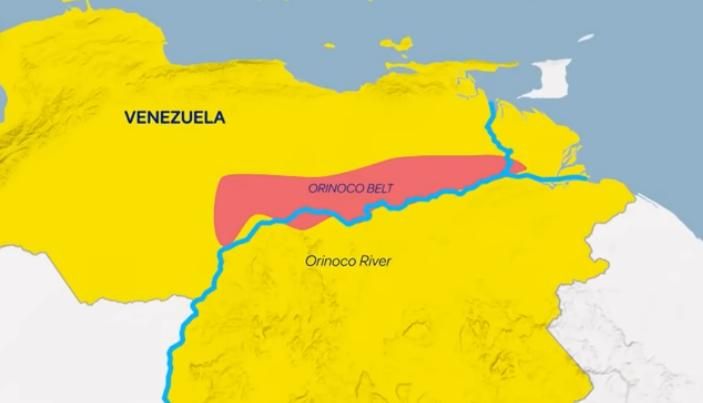
Former
US Vice-President Dick Cheney has died at the age of 84 - ex-President
George W Bush calls it "a loss to the nation and a sorrow to his
friends." Cheney, VP under President Bush
from 2001 to 2009.
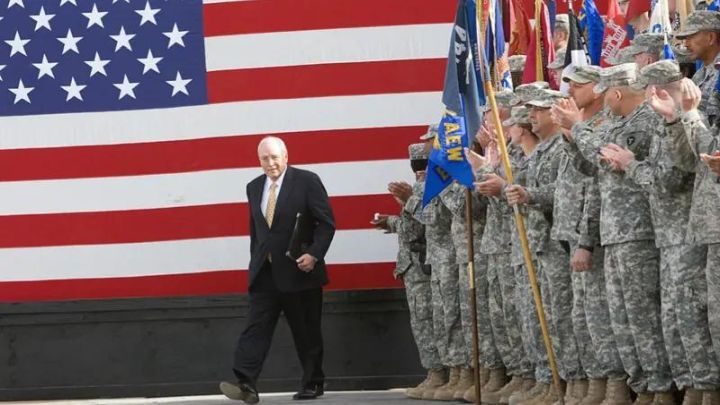
The
United States can build a better model of engagement that recognizes the
American and Pacific Island interests are already aligned in seeking to
deter aggression and coercion in the Pacific. But to sustain that deterrent
capacity, the United States and its partners must recognize the political, economic,
environmental, and social concerns of the islands themselves. Supporting
the islands’ sovereignty and democratic institutions, and sincerely
addressing their interests, is not only good for Pacific peoples. It is a
cost-effective way for Washington and its allies to preserve the fragile
balance that keeps the Pacific as peaceful as its name. The Pacific Islands Challenge in
America’s Tug of War With China, Oceanic Democracy Is Caught in the Middle.
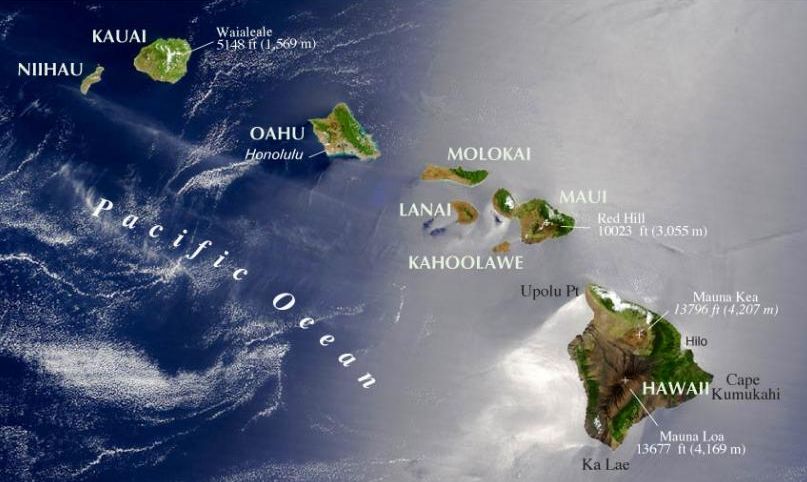
Even
as the Trump administration makes positive moves to rebalance its security
commitments, it is undermining the United States’ economic and diplomatic
standing. From imposing draconian tariffs and sanctions to conducting
seemingly random military strikes in Iran and off the coast of Venezuela,
the administration has approached friends and foes alike with self-serving
aggression - even though successfully navigating a more multipolar world
will require strong, lean global partnerships. Ultimately, this half-baked
strategy for multipolarity may be just as bad as no strategy at all. Making
Multipolarity Work: How America Should
Navigate a New Global Order.
A
strong United States, backed by partners that want to share the burden of
the defense of freedom, will prevail against the autocrats, tyrants,
communists, and terrorists wishing to do Americans and their friends harm.
A stronger country will allow Americans to find opportunities to bring an
end to conflicts around the world that were otherwise thought to be
insurmountable. The Case for Trump’s Second-Term Foreign Policy: Peace Through Strength Is Delivering Stability
and Security.
Japan’s
biggest obstacle to revitalizing a free and open Indo-Pacific strategy is
its own political reality. Although public support for the newly formed
Takaichi government is high, because the Liberal Democratic Party is not in
the majority, it will have to deal with a fragile coalition in which it cannot
call all the shots. Takaichi will also have to address numerous domestic
challenges, including how to manage a continually aging population, a
shrinking workforce, and one of the highest debt-to-GDP ratios in the
world, as well as how to implement social and financial changes - including
updating tax structures to reward innovation and attract talent - that
Japan needs to remain competitive in a borderless digital economy. Japan
Can Keep the Indo-Pacific Open and Free With America Stepping Back. Tokyo Should Step Up.
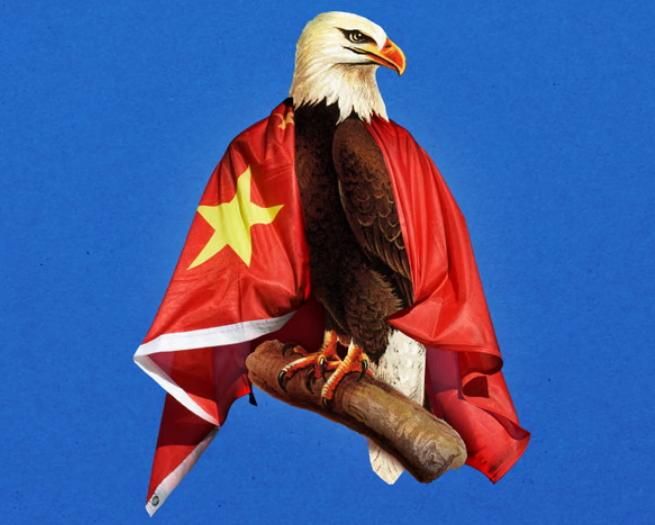
Kyiv
cannot break Russia’s oil industry overnight. But by forcing Moscow into
constant firefighting - whether putting out actual refinery fires or
preventing a second-order economic conflagration - these attacks ensure
that Russia will have to pay an ever higher cost to maintain stability. For
now, the refineries will keep operating, the pumps will keep running, and
exports will continue - but with rising costs, shrinking margins, and a
reduced capacity to recover from attack. The Slow Death of Russian Oil: Why Ukraine’s Campaign Against Moscow’s Energy
Sector Is Working.
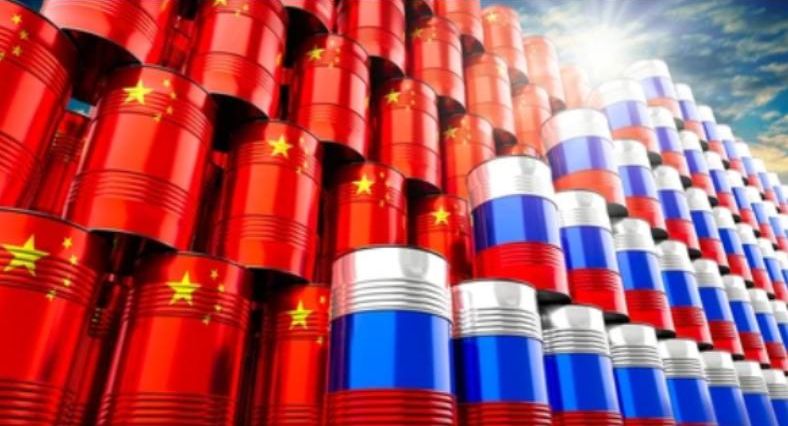
Each
generation of Republicans turns out to be more radical than the last. Ronald
Reagan was more right-wing than Richard Nixon, and Trump is more right-wing
than Reagan. By the 1980s, Barry Goldwater, once the avatar of the
Republican far right, was seen as a libertarian critic of the party’s
social conservatism. So, too, Cheney, who in a previous generation served
as a champion of the hard right, ended up as a symbol of resistance to the
MAGA movement. But even if Cheney never intended to give rise to the Trump movement,
many of its actions are rooted in his legacy. The Cheney Effect: How Dick Cheney Became the Accidental Architect of
Trump’s Power.
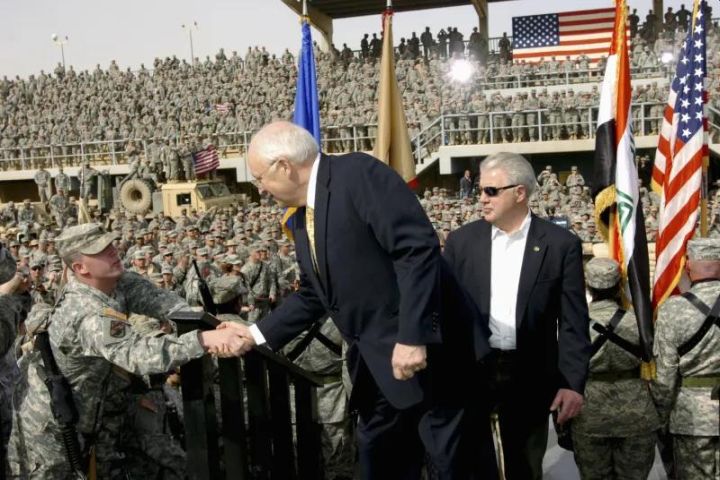
It
will be important to try to keep an initial fight over Taiwan limited to
provide Chinese leaders a pathway for de-escalation. Chinese leaders might
back down after claiming to have taught Taiwan a lesson or taken some contested
territory. Yet China’s own messaging before a conflict could set a higher
bar: Chinese leaders might demonize Taiwan and the United States to rally
public support, while trumpeting the PLA’s military superiority and China’s
great rejuvenation. An invasion of Taiwan might start with Beijing
metaphorically burning its ships, so there would be no turning back. How
War in Taiwan Ends If Deterrence Fails: Could
America Thwart China?

Before
Argentina’s midterm legislative elections last month, many believed that
President Javier Milei’s party, La Libertad Avanza (LLA), was bound for
electoral defeat. After nearly two years in office, Milei faced a shortage
of the foreign currency reserves needed to halt a run on the Argentine
peso, raising fears of yet another debt crisis in a country that has repeatedly
defaulted. His economic adjustment program, which entailed massive spending
cuts and layoffs, had brought hardship to many Argentines. And in
September, his party had lost by a 13-point margin in the provincial
election for mayors and legislators in Buenos Aires, the country’s largest
electoral district. Milei’s Tightrope Act: Why the Argentine President Will Struggle to
Exploit His New Mandate.

The
current approach to climate policy simply isn’t built for success - and
maintaining the status quo amid an intensifying climate crisis will be
especially harmful for the developing countries that suffer most from its
effects. With countries struggling to meet even their most basic
obligations under the Paris agreement, the treaty is at risk of becoming a dead
letter. Sticking with a process that has not yielded results will only
cause more damage and death. Global Climate Policy Is Broken. Fixating on Emissions Won’t Decarbonize the World’s
Economy.

The
battle over Gaza's future: Why no one can agree on the rebuild. In the midst of a still shaky ceasefire, Gazans are
taking the first tentative steps along the long road to recovery.
China
has undertaken a massive expansion of sites linked to missile production.
More than 60% of 136 facilities connected to missile production or the
Chinese military’s rocket force, which controls China’s nuclear arsenal,
showed signs of expansion in satellite images. The
historic build-up stands in stark contrast to the United States’ own supply
struggles.
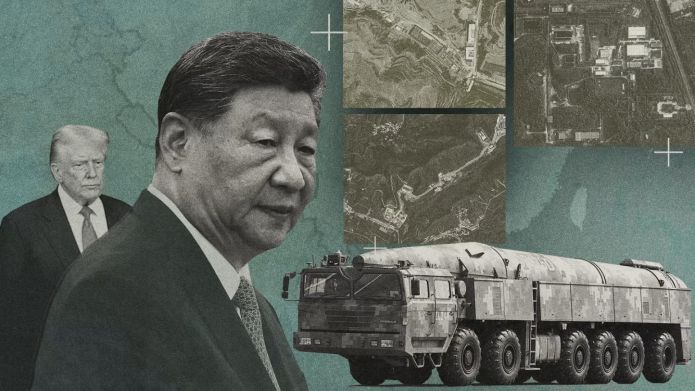
The
current approach to climate policy simply isn’t built for success - and
maintaining the status quo amid an intensifying climate crisis will be
especially harmful for the developing countries that suffer most from its
effects. With countries struggling to meet even their most basic
obligations under the Paris agreement, the treaty is at risk of becoming a
dead letter. Sticking with a process that has not yielded results will only
cause more damage and death. Global Climate Policy Is Broken. Fixating on Emissions Won’t Decarbonize the World’s
Economy.

|
With
pressure from Iran easing, the appetite for a treaty requiring two-thirds congressional
approval has diminished, especially in the absence of normalization with
Israel. Trump and Crown Prince to seal defense
pact.
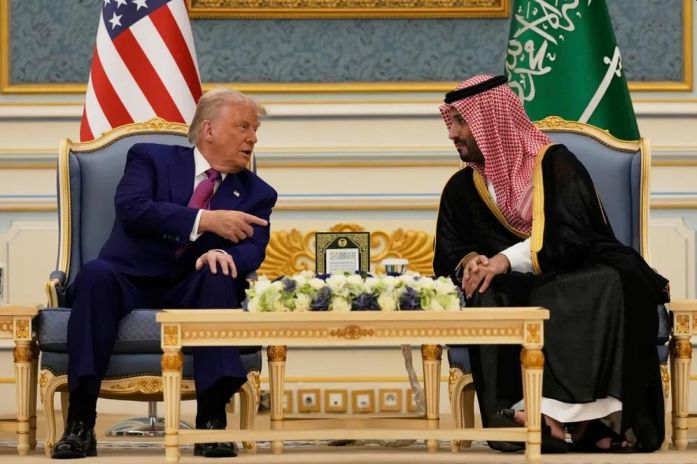
As
Trump ramps up pressure on Maduro, massing U.S. forces and strikes against
alleged drug boats, María Corina Machado’s opposition has embraced his
approach. Venezuela’s opposition pins its hopes
on Trump, despite perils.

The
competition with China will hinge not on mimicking Beijing’s methods but on
buttressing the core strengths of the United States. To sustain preeminence, Washington must reinforce
its institutions, alliances, and incumbency advantages, not erode them.
The
Israel Defense Force’s top-tier investigations into its failures on and
ahead of Hamas’s October 7, 2023, terror onslaught are considered to be
unacceptable, a panel of former senior military officers has determined. October Seven Revisited.
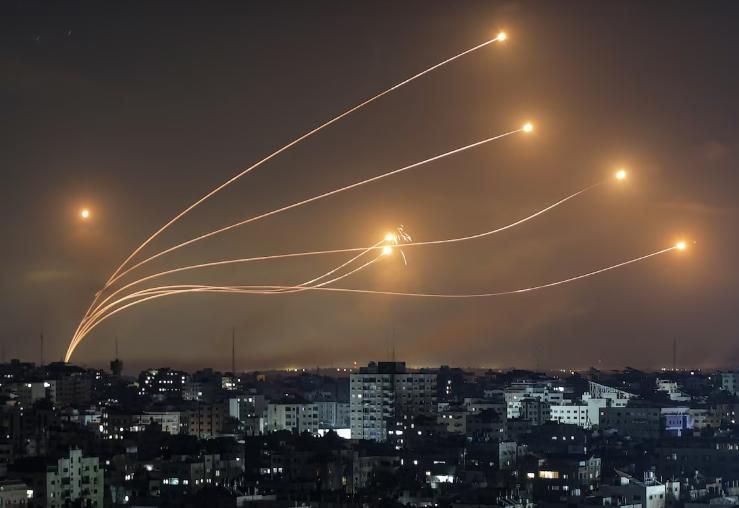
The
great famines of the twentieth century were often driven by droughts. Now,
the reasons people go hungry are more likely to be structural, related to
violent conflict, enduring climate change, and economic marginalization.
According to the Uppsala Conflict Data Program, the number of active
conflicts worldwide has risen from 46 in 2014 to 61 in 2024. And the
proportion of active conflicts that are resolved in a given year has
reached its lowest point in half a century. Violent conflict has always increased
food insecurity, and nearly 70 percent of people currently facing acute
food insecurity live in countries affected by it. In Gaza and Sudan alone,
war has driven a million people into famine. A Hidden Hunger Crisis Is
Destabilizing the World: How Food Insecurity
Provokes Violence, and Weakens Even Wealthy States.

Finding
a compromise that will satisfy both ultra-Orthodox rabbis and the law of
the land has proved impossible so far, creating headaches for Netanyahu.
The prime minister’s coalition is built on his alliance with both
ultra-Orthodox and nationalist Orthodox parties. The ultra-Orthodox parties
left the Netanyahu government in July to push the prime minister into
finding a workaround to the court’s decision. But the ultra-Orthodox still
clearly prefer Netanyahu to Bennett and his secular partners, and so they have
not brought his government down. Religious nationalist voters are more
likely to jump ship, and Bennett has tempted them by promising “an alliance
of the serving.” Still, many of them also prefer the current prime
minister’s raw nationalism over his competitor’s cooperation with the
center left, who are less enthusiastic about West Bank settlements. Netanyahu Survives Divide and Conquer in Gaza and at
Home.

Beyond
reinforcing the message to the Kremlin that prolonging the war will only
further harm Russia’s interests, such moves by European powers would also
go a long way to making their postwar security guarantees tangible. This
would boost Ukraine’s will to resist today and give it confidence to reach
a settlement when the conditions are right. Ukraine’s home front needs causes
for optimism as it heads into what is likely to be the harshest part of the
war to date. Ukraine’s Hardest Winter: With
the Donbas in Peril, Europe Must Pressure Russia Now.

Ultimately,
Trump and his supporters are right when they boast about the extraordinary
impact the second administration has had since taking office. It is as consequential
a first year as any president since Roosevelt. Much of Trump’s approach was
predictable, including his general unpredictability. But the true surprises
are those that are likely to reverberate for years to come. They are also
the ones that make the long-term forecast harder to discern. Trump’s Year
of Living Dangerously: How His Second Term Is
Reshaping America and the World.
This
is a prime moment for Washington to reassess its approach to South Asia.
The U.S.-Indian partnership has been shaken in Trump’s second term, with
Washington slapping high tariffs on New Delhi ostensibly because of the
latter’s purchases of oil from Moscow. As U.S. officials determine what
kind of partnership they want with India, they should change the way they look
at the broader region. It is not simply India’s backyard, but a series of
independent partners home to hundreds of millions of people. Listening to
local voices, setting clear standards for transparency and human rights,
and responding firmly to breaches of those standards - including by India -
will be key to making deals in South Asia that can last. If Washington does
not want to see Chinese influence expand irrevocably in the region, it must
stop deferring to India. Instead, it should take seriously the democratic
aspirations of all South Asian states and remember that their citizens will
not countenance repression and bad governance - especially when it is
sponsored by the world’s largest democracy. The Folly of India’s Illiberal
Hegemony: China Gains From New Delhi’s
Support for South Asian Autocrats.
Madeleine
Albright believed that supporting democracy is not just a moral imperative
but a strategic one. Authoritarian regimes do not simply repress their own
people; they export corruption, weaponize information, and erode the norms
that underpin global stability. Democracies make better partners. They
uphold the rule of law, respect borders, and are far less likely to provoke
conflict. And in the long-term competition with China, the United States’ greatest
advantage is the attractiveness of its ideals, which help it build
international coalitions, attract talent and investment, and confer
legitimacy on the U.S. government that coercion cannot buy. Can Democracy Still Make a Comeback? Hope for a Freer
Future Is Dimmed but Not Lost.
France on Thursday commemorated the 10th
anniversary of the November 13, 2015, terror
attacks in Paris. There were 130
people killed and over 400 injured when militants loyal to the
"Islamic State" (IS) group attacked several sites almost
simultaneously on a Friday night in Paris.
Shock,
disbelief as Delhi blast in India linked to doctors in ‘white-collar’
terror cell. When Medical Doctors become
terrorists.
For
the first time in a generation, the United States has an opportunity to
build a durable security architecture for one of the world’s most violent
regions. But the Trump administration must act quickly to take advantage of
this rare moment by aligning expectations with its partners, solidifying
the emerging security framework, and reinvigorating diplomacy. As Saudi
Crown Prince Mohammed bin Salman prepares to meet with Trump in Washington on
November 18, the United States has a crucial opportunity to extend its new
security pledge to Qatar to Saudi Arabia and the entire Gulf region. If the
president and his team lose their focus, however, it could all crumble. A
New Path to Middle East Security: How American
Commitments in the Gulf Can Rebuild the Regional Order.
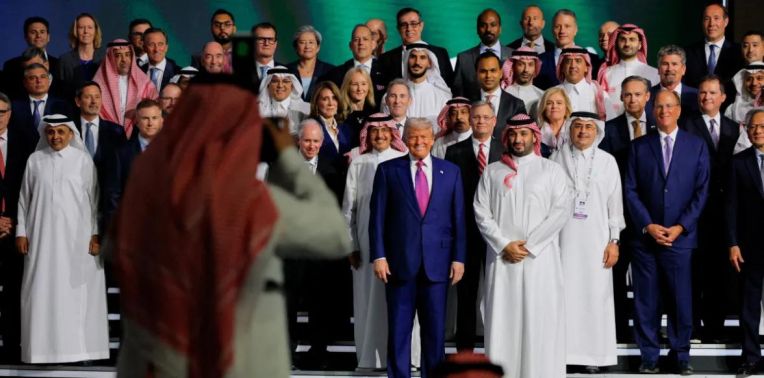
Leaders
cannot wish away close friends such as Israel, Taiwan, and Ukraine that
straddle combustible geopolitical fault lines - nor would it benefit the
United States to do so. But to advance U.S. interests, Washington needs
better answers to the strategic dilemmas inherent in managing
quasi-alliances. Only by grappling with recent successes and failures can
policymakers develop a better playbook. America’s
Quasi Alliances: How Washington Should Manage Its Most Complicated Relationships.

Aggressive
tariffs and export controls have forced Xi to adapt his economic approach
by diversifying China’s trade partners and even embracing some domestic
private-sector companies that can contribute to Xi’s goal of technological
self-reliance. Internal stressors, such as high unemployment and financial
fragility, may also constrain Xi’s options to pursue his goals, but so far
they have merely slowed, rather than stalled, his agenda. The End of
China’s Old Guard: Why Party Elders Can’t
Save the Country From Xi.

China
warns citizens against Japan as Taiwan spat escalates. China urges citizens not to visit Japan.

|
|
|
|
The
case for maintaining the dollar’s privilege is stronger than ever, as
ballooning deficits make it imperative to keep debt service costs low.
Washington’s strategy of using sanctions to further its national security
interests, moreover, requires access to the financial tools that the
dollar’s position affords. If the current administration carries on with its
attacks on the independence of the Federal Reserve and official statistical
agencies and continues to undermine the credibility of the United States’
international commitments, it could erode the dollar dominance on which so
much of U.S. domestic and foreign policy depends. The dollar is not
invulnerable, and now is not the time to make bad choices and count on good
luck alone. If their currency falls from its pedestal, Americans will pay
the price. Exorbitant Pillage: Can the
U.S. Dollar Survive the U.S. Government?
President
Xi proposed the idea of a “dual circulation” strategy: China would
structure more of its economy around domestic markets, he “internal
circulation” of goods, services, and technology, while promoting the
“external circulation” of international trade and investment. By taking
advantage of China’s colossal domestic market, Xi’s strategy seeks to
minimize reliance on the outside world while enhancing international
dependence on China’s economy. The brief trade war in April and May 2025,
at the beginning of U.S. President Donald Trump’s second term, suggests
that China has successfully hardened itself against U.S. tariffs. Xi has
been able to refrain from offering costly stimulus packages, instead
providing the minimum support needed to stave off the worst effects on the
economy and the export-oriented industries that have borne the brunt of the
tariffs. Moreover, Beijing has figured out how to weaponize Washington’s
dependence on China for important materials, such as rare-earth magnets,
which many American manufacturers require for their products. China Against
China: Xi Jinping Confronts the Downsides of
Success.
President
Xi Jinping's father, Zhang Youxia, represented the old, princeling elite of
the PLA. His father was a Red Army hero of the 1920s and 1930s and was
equal in stature to Xi Jinping’s father. Zhang Youxia built his military
career on being a hero during the 1979 border war against the Vietnamese. Despite the amazing military equipment
modernization of the recent Chinese Victory Day parade, several anomalies
caught our eye, showing that the PLA is hiding its problems.
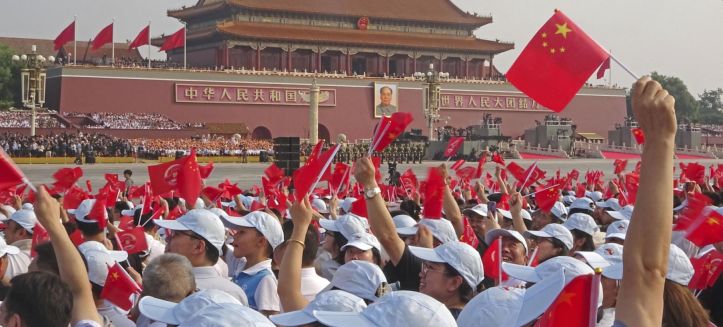
For
two months, the US military has been building up a force of warships,
fighter jets, bombers, marines, drones, and spy planes in the Caribbean
Sea. It is the largest deployment there for decades. Why this probably
isn't just about the drugs. It's about
regime Change.
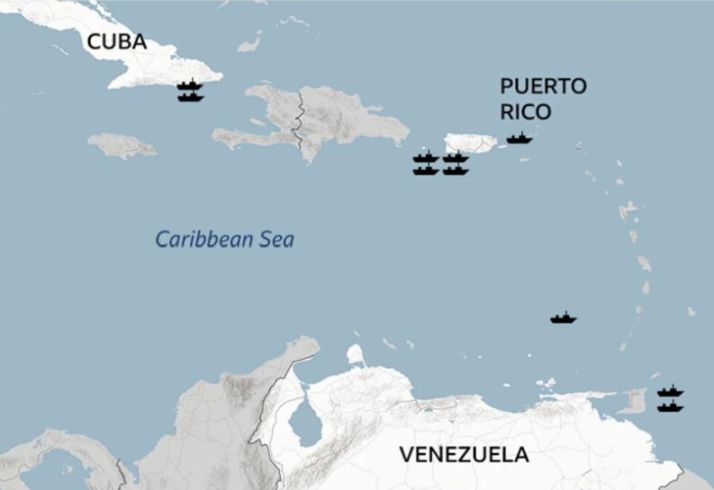
India's
most powerful Hindu nationalist organization marks centenary. Strategy to deal with dual threats.
Rebel
group claims capture of key city in Sudan. War
Is Likely to tear the Country Once Again Apart.
Today’s
crisis of free speech in America is not the legacy of John Stuart Mill or
First Amendment fetishism. It has arisen because too many Americans have
lost their faith in free-speech exceptionalism - at the very moment when
the First Amendment remains the strongest constitutional barrier to Trump’s
censorious agenda. Yet the First Amendment’s text alone cannot guarantee
robust debate. Time and again, unpopular and persecuted groups - political,
racial, and religious - have fought to strengthen their practical force.
Americans must work again to secure that inheritance. Who Has Free Speech? The Global Fight Over a Powerful Idea.

Shifting
dynamics in global gas markets suggest that new dangers may lie ahead. In
the coming years, supplies will be more concentrated among a handful of
producers, even if Russia’s plan to triple its LNG export capacity by 2030
does not materialize. The sharp growth in LNG exports from Qatar and the
United States, in combination with growing European and Asian dependence on
LNG, means that more gas will travel through the Strait of Hormuz and from
the U.S. Gulf Coast, creating new geopolitical targets. Moreover, although
the rise of the United States as an LNG superpower was once seen as a salve
for geopolitical risk, the Trump administration’s use of economic coercion
against allies and adversaries has stirred fear among energy importers that
the United States may no longer be a reliable, apolitical supplier. The Return of the Energy Weapon: An Old Tool
Creating New Dangers.

It
has been dubbed the “heist of the century”, the theft in broad daylight of
Napoleonic-era artefacts from the renowned Louvre Museum in Paris. French
President Emmanuel Macron called the robbery “an attack on a heritage we
cherish,” and vowed to bring the perpetrators to justice. Investigators are
in a race against time to track down four suspects and recover the
treasures. Known as France’s crown jewels, amid
fears they may be lost forever.
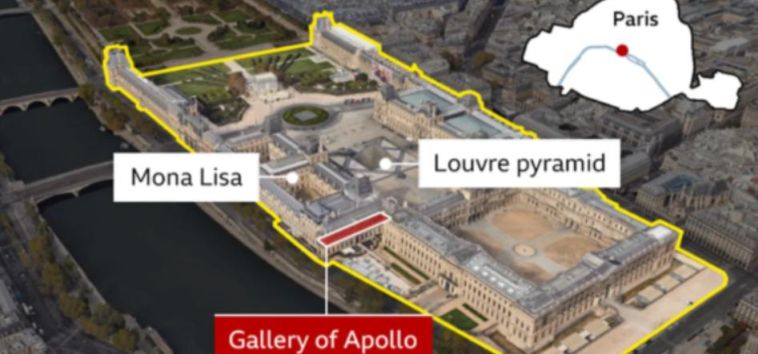
Eric
Rosenbach, who served as a former assistant Defense Secretary and Chief of
Staff at the Defense Department, said that he believes the U.S.-China
conflict is at a tipping point as President Trump prepares to meet with
Chinese President Xi. Imagery captured by the European Space Agency's
Sentinel-2 satellites on October 8, 2025, shows the Zhurihe Training Base in
China's northern region of Inner Mongolia, where the Chinese military has
constructed a mock-up of key Taiwan government buildings found in Taipei. How Trump and Xi Can Pull Back From the Brink.
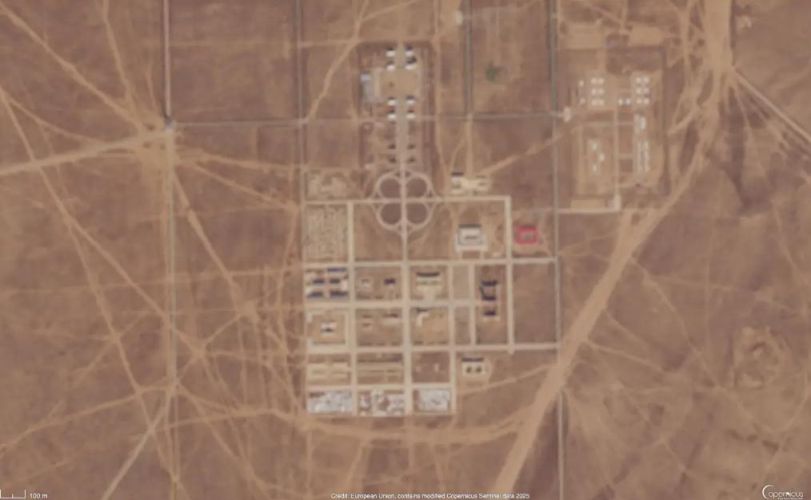
China
and Russia are making themselves more capable of sustaining regional
conflicts for a longer time. The United States and its allies will not be
prepared to manage this challenge unless they also collaborate militarily.
Fortunately, Washington’s friends are already doing so. Just as Russia has
relied on Chinese and North Korean assistance to keep up its assault on
Ukraine, NATO has been able to sustain Ukrainian defenses because
Australia, Japan, and South Korea have been quietly backfilling U.S. stocks
of 155-millimeter artillery rounds and Patriot missiles. Similarly,
European deployments to the Indo-Pacific theater, although limited, have
helped maintain allied presence around the South China Sea and in the
Taiwan Strait, especially as U.S. ships have been redeployed to the Middle
East and elsewhere. The New Eurasian Order: The U.S. Should Link Its Atlantic and Pacific
Strategies.
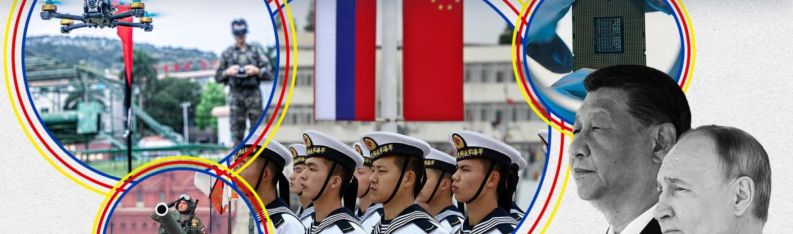
Trump:
‘Nothing’ will jeopardize Gaza ceasefire, Israel should hit back’ if troops
killed. Israel strikes Gaza after
accusing Hamas of violating US-brokered ceasefire.

Trump
and Xi Reach a Trade Truce. Beijing appears
to be the bigger winner, leveraging Washington’s reliance on China to lower
steep U.S. duties.
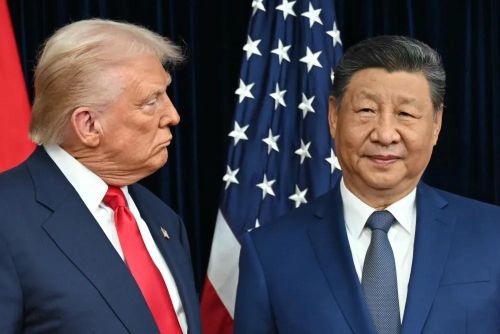
|
As
soon as a battle or a war has been fought, victors and losers alike begin
to tell different stories. Official stories have a deliberate, not
necessarily sinister, design. The rise of the PowerPoint “storyboard” in
the U.S. military during the global “war on terror,” for example, helped
ensure that every engagement would be recorded a particular way. One need
only search the web for a “U.S. Army storyboard template” to see how institutionalized
narratives can homogenize experience by molding episodes into a particular
form or genre until all content starts to look and sound alike. The
Military-Narrational Complex: What Stories Do
in an Age of Conflict.

By
the time Biden left office, the China consensus seemed so strong that it resembled
something of a ratchet. With Xi’s China continuing to press its advantage
around the world, the pressure for the United States to compete could only
increase. Structure Trumps Agency in the U.S.-China Relationship: Why Competition With China Is Here to Stay.
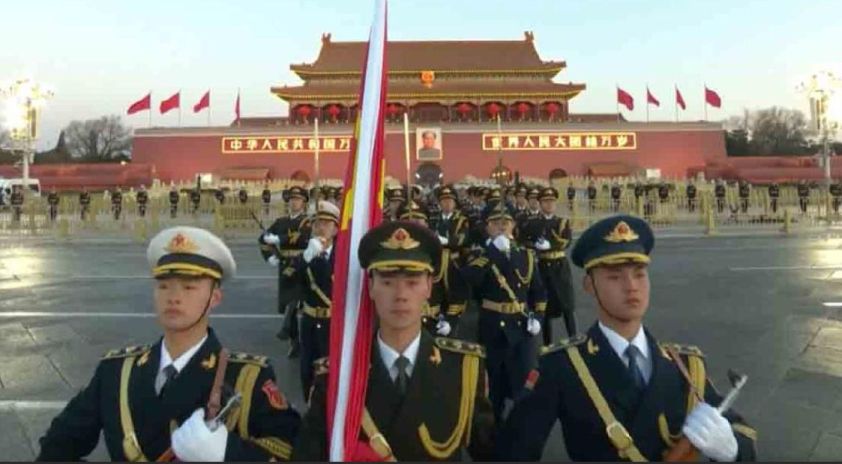
Two
suspects arrested in connection with the theft of France’s crown jewels from
the Louvre museum have admitted involvement in the heist and have been
remanded in custody, the Paris prosecutor’s office said on Wednesday.
Louvre heist suspects have admitted involvement in jewel theft.

The
Louvre has transferred some of its most precious jewels to the Bank of
France following the heist. They will now be stored in the Bank's most secure
vault, 26m (85ft) below the ground floor of its elegant headquarters in
central Paris.
World
leaders should expect the ISF to remain in Gaza for years to come. Only an
international force under strong U.S. leadership can provide the security
needed for effective governance, the smooth flow of humanitarian aid, rapid
reconstruction, and the assurance that any groups in the territory remain a
minimal threat to Israel. But the mission should also be carried out to set
the conditions for future success. To gain buy-in and commitment from
Palestinians, the deal’s guarantors must make clear that the mission is
laying the foundation for Palestinians to take over. For Trump’s cease-fire
to withstand the growing pressures it faces, U.S., Arab, European, and
other leaders will quickly need to agree on a unified approach for
disarming Hamas and setting up the ISF. Any delay risks squandering this
rare chance for long-term peace and stability. How to Solve Gaza’s Hamas
Problem: Disarming the Group Will Require
Arab and Muslim Forces.
Neither
the United States nor China can fully hobble each other’s economy, but each
side has economic tools that can inflict real damage if adversarial
competition continues unchecked. As Trump and Xi head to the negotiating
table, the conditions are ripe for an inflection point in U.S.-Chinese relations
that could set a path toward a more stable and effective relationship. Such
a course correction is far from guaranteed. But it is a possible and worthy
goal. America and China Can Have a Normal Relationship: How to Move Past Strategic Competition.
Analysts
whose arguments rest on unacknowledged paradigms can easily miss important
facts or bend reality. Asking ahead of time which events would disprove
their predictions can correct this bias. If China and the United States
reach a trade deal, and if the Trump administration is willing to let other
great powers claim “spheres of influence,” that would seem inconsistent
with realist theory. If democracies continue to backslide and protectionism
rises, liberals must reevaluate whether there really are universally
desired public goods. How to Put IR Theory into Practice: American Strategists Should Think More Like Social
Scientists.

In
the repeated cycles of confrontation and détente that define U.S.-Chinese
relations, a paradox has emerged. Economic relations between the two
countries are more fraught than ever: in early October, for the second time
in just six months, the United States and China launched a trade war,
imposing prohibitive export restrictions and threatening to raise tariffs
to previously unthinkable levels. America and China Can Have a Normal
Relationship: How to Move Past
Strategic Competition.
Israel
may view itself as the region’s new hegemon, but in fact, it has made
itself both less necessary and less useful. After the attack on Qatar, leaders
of the Gulf states are unlikely to continue pointing all their air defense
systems toward Iran and Yemen. Perhaps they could accept Israel’s
obliteration of Gaza, but now Israel has made itself a threat to their own
security. That Israel has avoided paying any serious price thus far for its
military expansionism in the region and for the devastation of Gaza has fed
the sense in Israel that it never will. But that is as misguided as the
Israeli belief in 1973 that no Arab state would ever dare attack it again
after its sweeping victory six years earlier or its notion, before October
7, 2023, that Hamas would remain forever contained in Gaza. The Fantasy of a New Middle East.
A
recent investigation found that the CIA allegedly tried to recruit the
trusted pilot of Venezuelan President Nicolas Maduro
to help overthrow him. The revelations were published shortly after US
President Donald Trump authorized the CIA to conduct new covert operations
inside Venezuela as he ramps up US activity in Latin America.
What
is truly unique about the above escalation of tensions between Washington
and Caracas is that everything is being done out in the open.
A
U.S.-engineered effort to topple Maduro would potentially entangle the
United States in another open-ended conflict, alienate regional partners
amid a broader competition with China for influence in the region, and defy
the desires of the American public. A YouGov poll conducted in September
found that 62 percent of adult U.S. citizens “strongly or somewhat oppose
the U.S. using military force to invade Venezuela,” and 53 percent strongly
or somewhat oppose “the U.S. using military force to overthrow Venezuelan
President Nicolás Maduro.” (The support for U.S. Navy deployments was more
mixed, with 36 percent strongly or somewhat approving “the U.S. sending
Navy ships to the sea around Venezuela” and 38 percent strongly or somewhat
disapproving.) A poll from early October found that even in Florida’s
Miami-Dade County, home to the largest Venezuelan diaspora in the United States,
more residents oppose than support the U.S. military being used to oust
Maduro, 42 percent to 35 percent. The Regime Change Temptation in
Venezuela: If Past Is Prologue, a U.S.
Attempt to Overthrow Maduro Would Not End Well.
The
early Zionists hoped for Arab acceptance. But a brief period of amity soon
gave rise, inevitably, no doubt, to a persistent and often violent conflict
between two national claims, each backed by religion. Balfour would not
have been surprised. As chief secretary for Ireland in the 1880s, he had
been accused of being unjust to Irish nationalists. “Justice,” he mused,
“there is not enough to go round". And
indeed in the Middle East there isn’t.
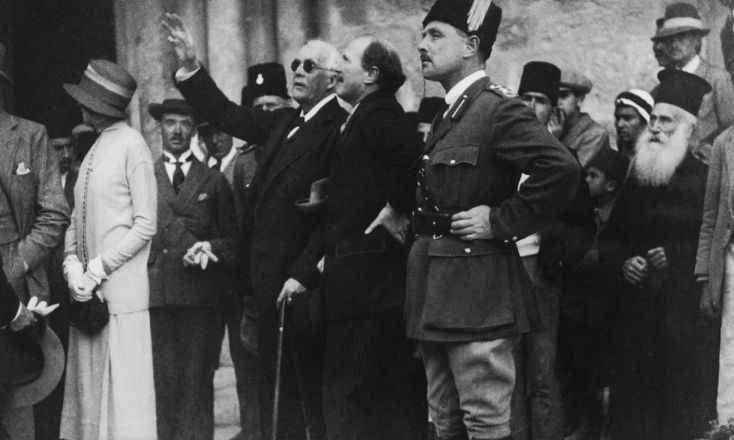
|
|
|
|
Chinese global ambitions are not merely
about gaining technological superiority in the fields of AI, Quantum
computing, and semiconductors; rather, it is a struggle for asserting
competing values, rules, and institutions that will govern the global technological
landscape for decades to come. The neo-liberal values of free market,
inclusivity, economic interdependence, and multilateralism are being
affected by the rise of exclusionist tech alliances, fragmentation, and the
bifurcation of the tech market. As this competition intensifies, the global
tech divide will deepen further. Consequently,
states in the global South are bound to get caught in the middle with the
complex task of not only navigating this fragmented digital space but also
ensuring their own autonomy and development.
How China tightens the screws in the trade
war with the US. Beijing is standing firm in its trade dispute. The higher
the tariffs, with Washington finds new partners along the way. The higher the tariffs, the more China's confidence
seems to grow.
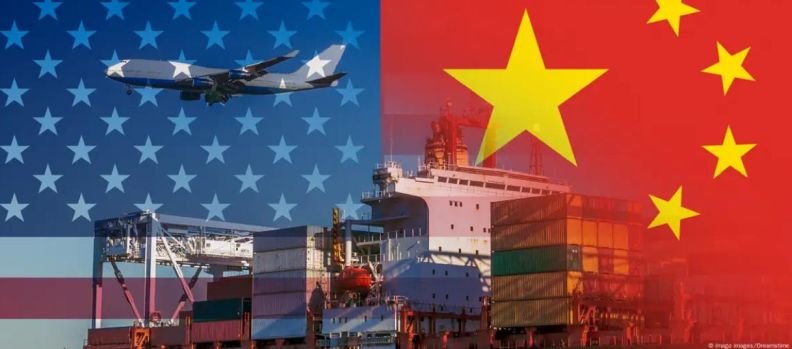
Newly elected KMT chair Cheng Li-wun urges
DPP to drop the anti-China card. And is
instead vowing reconciliation with China ahead of the Oct. 18 chairperson
election.

The Israeli military has launched an attack
on Gaza, as Israel continued to trade blame with Palestinian militant group
Hamas over violations of the US-brokered ceasefire aiming to end the war in
the enclave, Israeli media reported on October 19. Most media outlets described the attack as an air
strike.
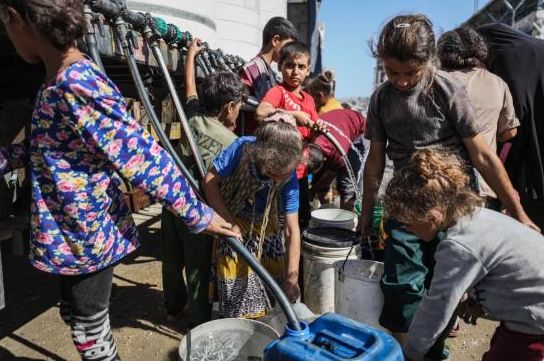
When it comes to thwarting Putin’s ambitions
to confront NATO, timing is everything. Russia can make up for its losses
over the next two to three years, but fully restoring its military will
take much longer. The paradox of Russia’s war economy is that it is
simultaneously strong and brittle. The United States and Europe must act
with urgency: pressing their advantages while Russia remains constrained
rather than waiting for the Kremlin to get back on its feet. The Cracks in
Russia’s War Economy: How Europe and the US
Can Exploit Moscow’s Vulnerabilities.
For Xi Jinping or other party successors to
similarly reckon with their country’s past, they would, in effect, have to
take down the portrait of Chairman Mao that hangs on the Gate of Heavenly
Peace in Tiananmen Square. Such an act would betray the legacy of all those
who, like Xi’s father, devoted their lives to the sacred cause of Mao’s
revolution. Xi Jinping continues to venerate the party and views criticism
of its record as “historical nihilism.” Indeed, it’s unlikely he will ever
admit to the magnitude of crimes it committed against him or his country, much
less abandon the rationalizations he inherited from his father that the
revolution’s travails may have involved excesses but are excusable because
they helped forge a better future for China. Miseducation of Xi Jinping: How a Father’s
Struggle Revealed the Price of Power.
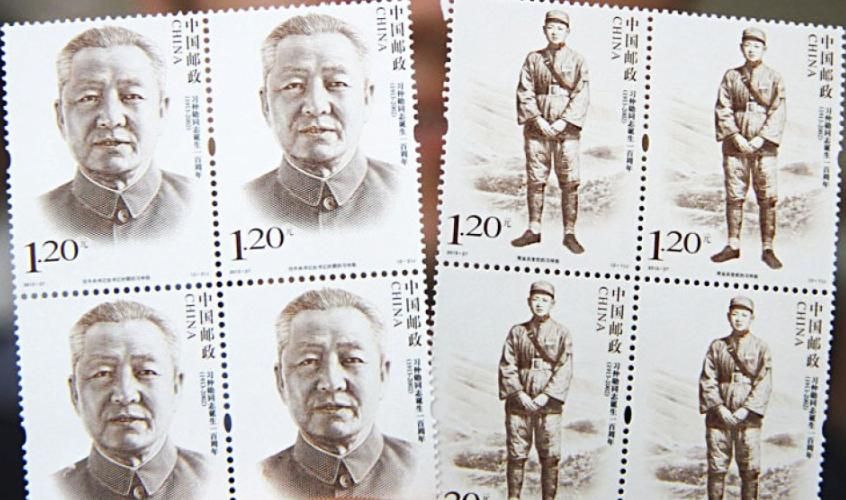
A country like the U.S. needs secure supply
chains, and for that it needs to encourage cross-border manufacturing with
countries it can count on, not blanket tariffs that drive domestic prices
up and foreign partners away. Separating the country from global commerce
is a path to increased inflation and slowing innovation and growth that
will result in U.S. manufacturers struggling to compete for global
consumers. Such a path will ultimately leave the United States less
wealthy. The security costs of protectionism are just as dire. U.S. defense
suppliers will lose many of their current market advantages as foreign
contracts unravel and competitors abroad begin to look like safer
geopolitical bets. A shrinking American defense industry is not just an
economic blow; it also undermines the United States’ ability to field and
equip a world-class military. In the Trump administration’s wishful
thinking, building a “Fortress America” may seem like a way to protect the
country’s wealth and raise its defenses. But in reality, dismissing the United
States’ partners degrades its sources of strength. The New Supply Chain Insecurity Fortress America Is
Not a Safer America.
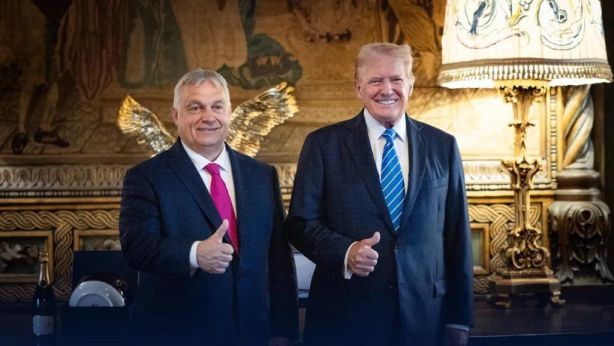
Forecasting is a perilous business.
Demography can be measured, but technology and politics often surprise, and
today’s certainties may look naive a generation or even a few years from
now. What can be said with confidence is that for two and a half centuries,
global politics was driven by the rapid rise of great powers, and the
forces that made such ascents possible are now receding. That does not
guarantee stability, but it does mark a profound shift: the familiar
struggle between living and dying powers is winding down, and another
story, its outlines still obscure, is beginning to unfold. The Stagnant Order and the End of Rising Powers.
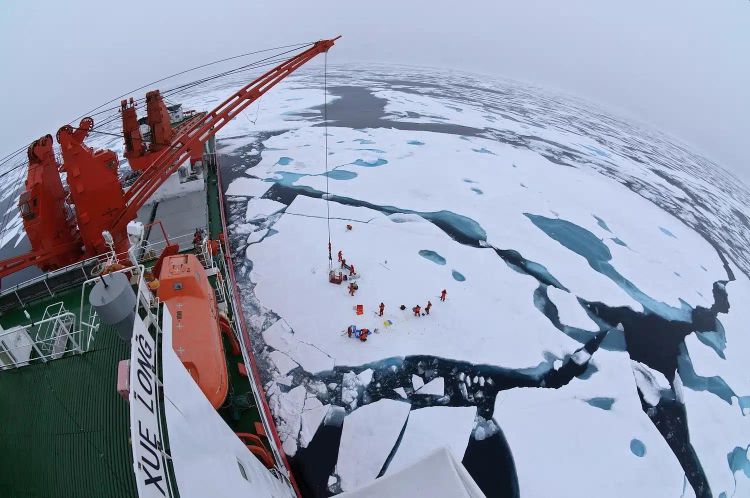
|
Prime Minister Benjamin Netanyahu warned
that Israel's war on Gaza would not end until Hamas disarms in a Saturday
night TV interview. It came as the US
State Department said it had "credible reports" that Hamas was
planning an attack against Gaza civilians, warning that it would be a
"ceasefire violation."
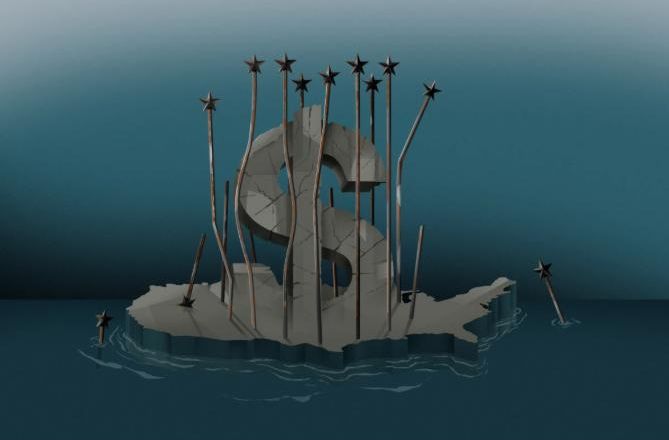
Taiwan’s citizens have, among others, soured
on Beijing when they elected Lai Ching-te, Tsai’s former vice president, as
president in January 2024. Beijing made clear that it would not work with
him, labeling him a “dangerous separatist” intent on destroying
cross-strait peace. China’s military called Lai a “parasite” and depicted him
in a propaganda video as a bug hovering over a Taiwan engulfed in flames.
Although Lai has adopted a more defiant stance on Taiwan’s relations with
China than Tsai did, for instance, by labeling China a “hostile foreign
force,” Beijing’s preemptive rejection of Lai has removed any incentive for
him to take a more accommodating approach. Beijing is not looking for a way
to break this impasse; instead, it is seeking external validation for its
efforts to undermine Taiwan’s leadership. Taiwan Is Not for Sale: America Can Make a Good Deal With China Without
Abandoning the Island.
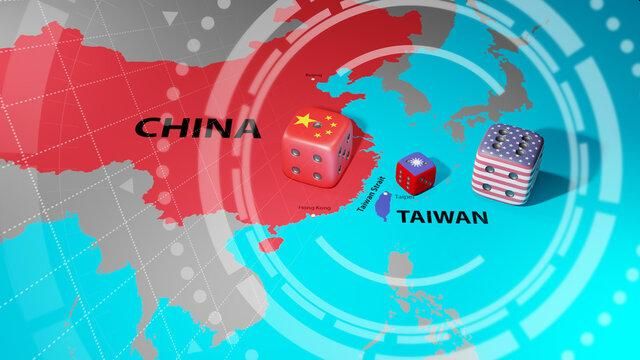
Eventually, Russia’s war with Ukraine will
end. But as to whether that could lead the country toward a second
perestroika, a renewed flourishing of liberal thought. Across society,
including among the elite, the romantic political ideal of the West as a model
is gone and cannot be easily resurrected. War supporters clearly view the
Western order, its military and geopolitical power, and its embodiment of
liberal values, with hostility; but even quiet war skeptics or outright
opponents feel embittered and let down by the United States and its
European allies, which look, from Russia’s vantage point, feckless and
hypocritical. First, they failed to stop the war and its resulting
suffering. Then they tried to punish and isolate
the Russian government with sanctions and travel bans, leaving ordinary
citizens, including those against the war, as collateral damage.
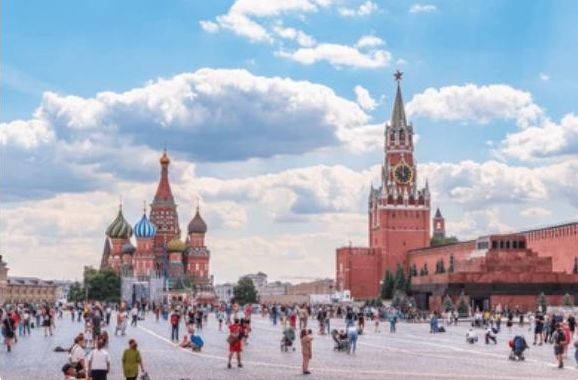
To create a more sustainable model - one
that encourages innovation but doesn’t spiral into overcapacity, China will
have to undergo an institutional reckoning. The logic of speed over quality,
of scale over innovation, and of investment volume over returns is deeply
embedded in the system. Reversing that logic means making long-deferred
tradeoffs and moving past the structures that once powered China’s
incredible rise. The China Model’s Fatal Flaw: Why Beijing Can’t Overcome Overcapacity.
Grand bargains often work better as tag lines
than as policy, and getting the right kind of deal when it comes to AI is
easier said than done. The technology, after all, is rapidly progressing
along an unpredictable path. As AI improves, ever-larger amounts of
infrastructure, power, and money will be required; the need for improved
security from foreign intelligence threats will increase; and the urgency
of collaboration with the defense apparatus will grow. So will the risks of
misuse, prompting new policy tradeoffs. More startups will arrive on the
scene, and legacy companies that today look unstoppable may fall by the
wayside. Everyone involved in the AI world should prepare for constant
renegotiation and rebalancing. U.S. officials, for their part, will almost
certainly have to remain agile, experimenting with different AI policies as
time goes on. The AI Grand Bargain: What
America Needs to Win the Innovation Race.
US President Donald Trump has held off on
new sanctions for months, saying he hoped to persuade Russian President
Putin to make peace. US slaps ‘tremendous
sanctions’ on Russian oil for Ukraine war, says Putin wasn’t ‘honest.’
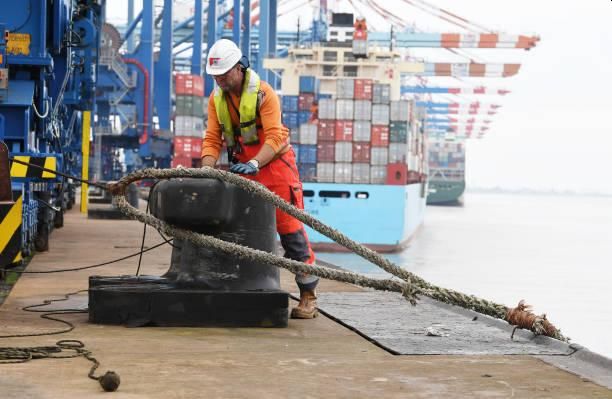
Among the many aims of the October 8 ceasefire
deal between Israel and Hamas, flooding Gaza with humanitarian assistance
ought to be one of the most achievable. According to U.S. President Donald
Trump’s 20-point plan, “full aid” would be “immediately sent into the Gaza
Strip” through neutral international institutions “without interference
from the two parties.” The very first phase of the agreement called for 600
aid trucks per day to enter the territory unimpeded; in contrast to disarming
Hamas or determining Gaza’s long-term security and governance arrangements,
implementing such a measure is theoretically straightforward. The Biggest Threat to the Gaza Deal: Only UN
Infrastructure - and American Leverage - Can Prevent a Humanitarian
Collapse.
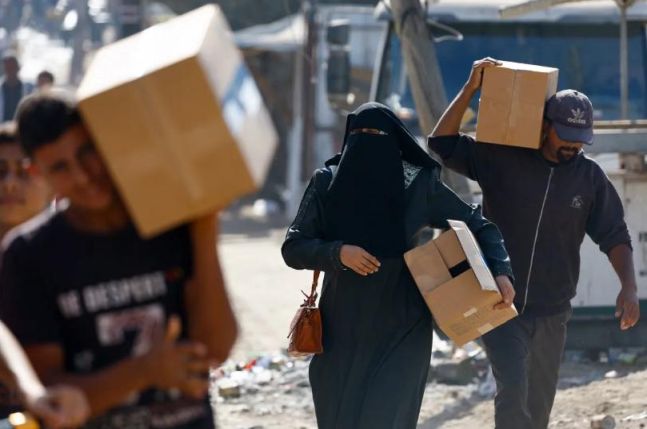
|
|
|
|
How the trade war unfolded. China criticizes
the US for ‘double standards’ over new tariffs. China has accused
Washington of “double standards” on Sunday, October 12, after US President
Donald Trump Announced an Additional 100%
Tariff on the World’s Second-Largest Economy.
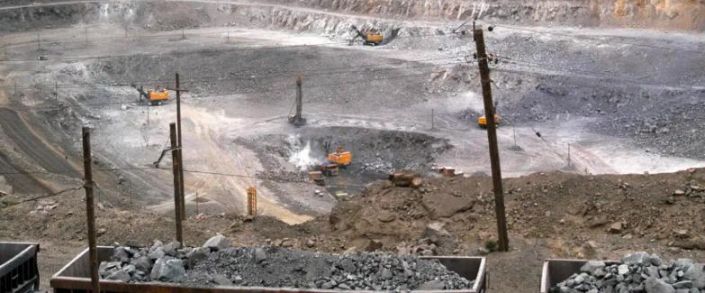
The government needs to support an overhaul
of the enclave’s educational system and, critically, endorse a reformed Palestinian
Authority that will eventually assume control over Gaza. Right now,
Netanyahu is opposed to such measures, but he must realize that the Arab
commitment to remaking Gaza will be to Israel’s advantage. Arab countries,
in turn, must remain willing to work with the Israeli government. That, in
turn, requires repairing relations between Israel and many of these states,
which have soured. How to End the War in Gaza for Good: American and Arab Pressure Can Ensure Israel and Hamas
Reach a Durable Settlement.
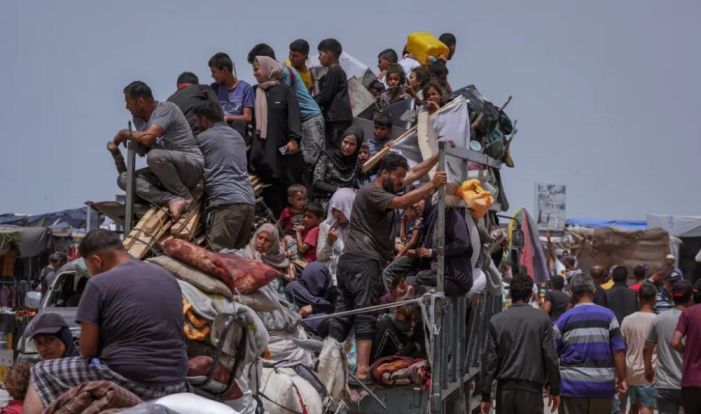
The plan calls for Palestinian
self-governance, an objective that Netanyahu has, for many years,
explicitly ruled out. Israeli leaders may simply believe that what the plan
calls a “pathway to Palestinian self-determination and statehood” will
never come to fruition, judging it to be conditioned on reforms that the PA
will not enact. But the Arab countries on the hook to underwrite Gaza’s
stabilization, a project that the UN has estimated will cost over $53
billion, expect that Trump will deliver on this pathway. In welcoming the
cease-fire, the Saudi Foreign Ministry released a statement pointedly
emphasizing its belief that the plan must “initiate practical steps to
achieve a comprehensive and just peace based on the two-state solution” and
move toward establishing an independent Palestinian state “with East Jerusalem
as its capital.” The Tenuous Cease-Fire
Between Israel and Hamas.
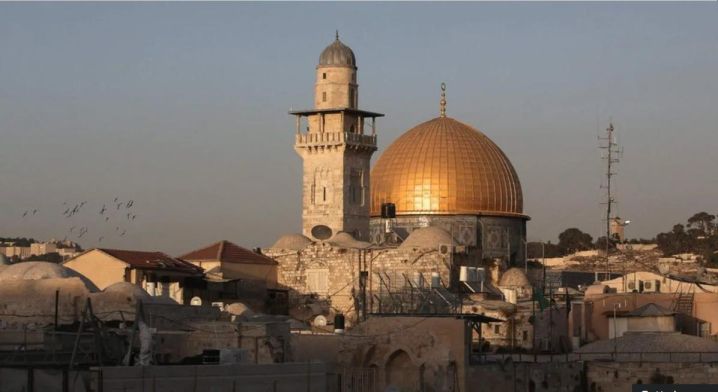
AI adoption is accelerating, and its
deleterious effects on employment are no longer a speculative problem. They
are already widespread, and they will only accelerate in the months to
come. Adaptive policies, meanwhile, will take years to yield results. If governments
want to protect their economies – and themselves – they must act now. The Coming AI Backlash: How the Anger Economy Will
Supercharge Populis.

The 20-point plan insists that Hamas and
other militant factions play no role in the future governance of
Palestinian territories “directly, indirectly, or in any form”; that Hamas and
other militant groups be fully disarmed and weapons decommissioned; and
that regional partners “ensure that Hamas, and the factions, comply with
their obligations and that New Gaza poses no threat to its neighbors or its
people.” But Hamas will do whatever it takes to avoid being sidelined in
this way. Hamas Is Not Done Fighting. As It
Has in the Past, the Group Will Retrench and re-arm.
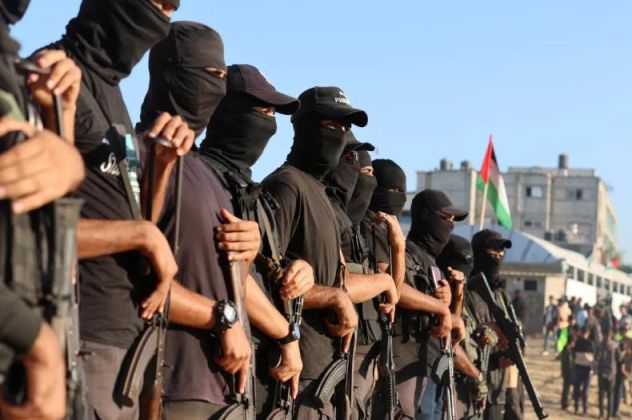
In a poignant conclusion to a long conflict,
20 Israeli hostages were reunited with their families, while 24 bodies
remain unaccounted for, with Hamas facing difficulties in their return.
Meanwhile, Political maneuvering continues as Netanyahu balances diplomatic
opportunities against his coalition’s hardline stance. End of Gaza War
Could Open Door to Major Diplomatic Shifts in the Middle East. Uncertainty Over Gaza’s Next Steps as Israeli
Families Are Angry at Waiting for the Return of the dec’ased Hostages.

World
leaders gathered in Egypt’s Sharm El-Sheik on Monday for a summit aimed at
supporting the Gaza ceasefire and developing a long-term plan for
rebuilding the devastated enclave. Earlier in the day, Hamas freed the 20 surviving
hostages while Israel released more than 1,900 Palestinian prisoners under
the US-brokered deal.
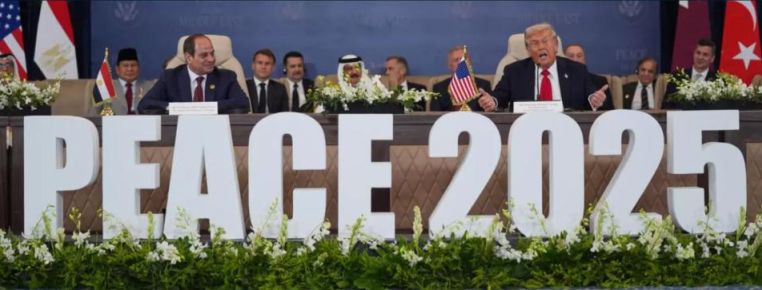
A conflict as entrenched and violent as the
one in the Middle East naturally breeds skepticism and cynicism. Yet there
are real reasons for cautious optimism. Regional and international actors
are assiduously pursuing avenues to reduce violence and lay the groundwork for
lasting peace: Qatar, in coordination with Egypt and the United States, has
helped shepherd parties toward a Gaza cease-fire; Egypt continues to lead
Arab efforts in collaboration with neighboring states, particularly Jordan;
and Saudi Arabia, along with France and Norway, has marshaled global
diplomatic and financial support for a viable two-state solution. Increasingly, countries around the world are recognizing
Palestinian statehood, signaling growing international concern and
engagement.
While its Persian Gulf neighbors became
global hubs of finance, transport, and technology, Iran squandered its
wealth on failed regional adventures and a nuclear program that brought
only isolation, all while repressing and wasting its greatest source of wealth:
its people. The country still has the natural resources and human capital
to rank among the world’s leading economies. But unless Tehran learns from
its mistakes and reorders its politics, its trajectory will remain one of
decline rather than renewal. The question is
not whether change will come, but whether it will finally deliver a
long-awaited spring – or merely another winter.
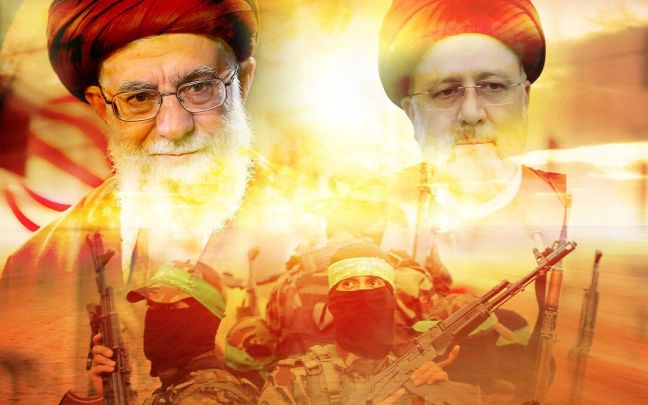
Why Hamas remains the greatest threat to
Trump’s Gaza plan. Gaza’s Map Today. As Gaza
Ceasefire Begins, Hamas Is Already Reasserting Control.
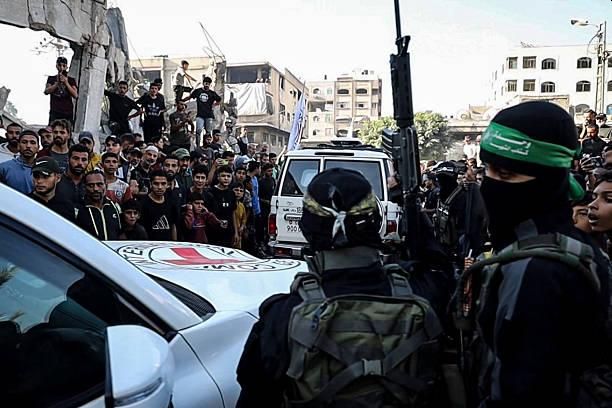
|
Since its creation in 2022, the bipartisan
National Security Commission on Emerging Biotechnology, on which I serve as
chairman, has searched for ways to advance U.S. leadership in
biotechnology. Most importantly, the United States needs a private-public
partnership to develop the domestic biotechnology industry so it can reach
its full potential. Such an alliance would remedy the market failures that
inhibit American innovators, investors, and entrepreneurs from achieving
breakthroughs in the field. Supply-side actions such as research prizes and
infrastructure investments can accelerate R&D, while targeted demand-side
policies can reduce financial risks and regulatory bottlenecks and make the
U.S. government a better customer for biotechnology products. How America Can Win the Biotech Race To Outcompete
China, Washington Must Unleash the Private Sector.

A conflict as entrenched and violent as the one
in the Middle East naturally breeds skepticism and cynicism. Yet there are
real reasons for cautious optimism. Regional and international actors are
assiduously pursuing avenues to reduce violence and lay the groundwork for
lasting peace: Qatar, in coordination with Egypt and the United States, has
helped shepherd parties toward a Gaza cease-fire; Egypt continues to lead
Arab efforts in collaboration with neighboring states, particularly Jordan;
and Saudi Arabia, along with France and Norway, has marshaled global
diplomatic and financial support for a viable two-state solution.
Increasingly, countries around the world are recognizing Palestinian
statehood, signaling growing international concern and engagement. Signaling Growing International Concern and
Engagement.
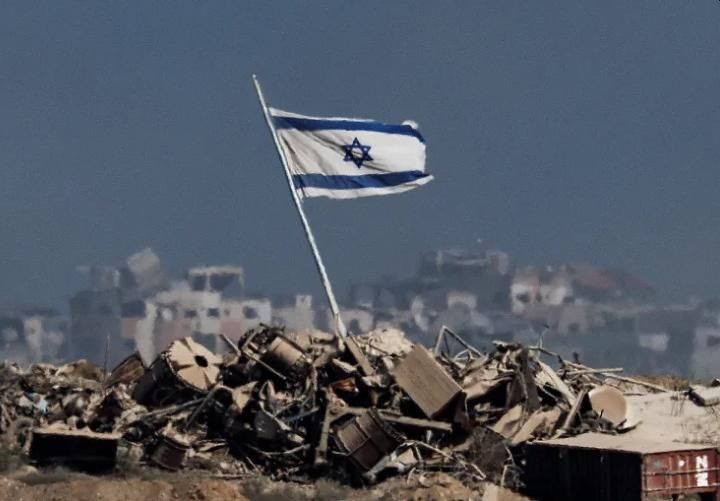
Video footage of two Israeli hostages being held in Gaza sent
shockwaves through Israel and around the world. Freed hostages tell
families of torture, starvation, and long periods of isolation. This now ended:
Some European politicians think that
strategic autonomy means going it alone, but to be competitive, the
continent’s chip makers need even deeper connections with firms from allied
countries. The United States has become a vexing partner for European
industries and political leaders, yet European industry needs access to the
American market and its leading U.S. AI technologies. The United States,
for its part, would benefit from European help to reduce reliance on Asia
for its technology supply chains. As Europe tries to revitalize its chip
sector and rebuild its defense base, the United States remains an
indispensable partner. Europe Is Losing the
Chips Race.

The consequences of America’s failure to
solve its software quality problem are becoming more severe. Power grids,
hospitals, pipelines, ports, and financial networks now run almost entirely
on software, leaving them exposed to escalating risks of corruption and
disruption. Companies and regulators can continue treating software insecurity
as a fact of nature, reacting to breaches, layering on patches, and blaming
users - or they can make security the default setting. The End of
Cybersecurity: America’s Digital Defenses Are Failing - But AI Can Save Them.

The second Trump administration is certainly
more difficult to manage, given the president’s love of tariffs and general
unpredictability, and no current Asian leader can claim a mandate at home
comparable to Abe’s. But although no Abe-like Trump whisperer currently
exists among Asia’s leaders, that absence cannot be allowed to remain.
Asian leaders have an even greater incentive to keep Washington in play
than they did in 2017 because of China’s ambitions, and only the United
States has the composite power Asia needs to maintain regional defenses and
deter Beijing’s aggression. Despite Trump’s unpredictability, key members of
his administration are ready to step up engagement with Asia. This time,
however, the initiative will likely come only from the top. Thus, personal
relationships with Trump are even more important for Asian powers than they
were during Trump’s first term. Whatever combination of flattery,
persuasion, and political alignment is required, Asian leaders should learn from their European
counterparts and ensure that the United States stays in the game.

The uncertainty over the details of the
U.S.-brokered cease-fire between Israel and Hamas that went into effect on
Monday is creating confusion among Israeli soldiers, commanders, and combat
soldiers. According to one officer whose combat troops withdrew from Gaza
over the past several days, the soldiers can see from observation posts
that armed Hamas members are shooting at Palestinians who have tried to
resist them – or who are suspected of assisting Israel – but they have been
instructed not to intervene. It's beginning to look like a massacre there,'
one IDF officer said: Hamas Shoots Opponents
in Gaza Unimpeded as IDF's Hands Tied by Lack of Gaza Cease-fire Details.
The gambler who responds to frustrating losses
by placing bigger and riskier bets is said to be “on tilt.” In the United
States, too many analysts are still assessing the hypothetical benefits of
a hyperpower status that does not exist; too many politicians are still
giving speeches about their affection for various forms of imagined empire.
With a humbler and more realistic strategy of reciprocity, Washington would
finally be placing a bet that the United States can win. A Grand Strategy
of Reciprocity: How to Build
an Economic and Security Order That Works for America.
|
|
|
|
The world looks at Israel and sees a country
in crisis. I look at it and see a country holding its breath. It is waiting
for a new leadership to lead it down a different path. Israel’s future
rests on the political decisions that Israelis will make in the coming year.
Should the current government stay in power, Israelis may instead find
themselves condemned to international isolation, poverty, and increasing
social rifts. If Israelis choose courage over cowardice, openness over
isolation, prosperity over religious zealotry, the country’s best days will
yet lie ahead. A Defining Choice for
Israel After Two Years of Growing Isolation and Endless War, an Alternative
Future Is Possible.

A security guarantee based on snapback of
sanctions, financing, and weapons may not have the grandeur of NATO’s
Article 5 or the bravado of deploying European forces to Ukraine. But for
Kyiv, those are illusions, not real options. Ukrainians should not rely on
the United States and Europe to do something in the future that they have
repeatedly refused to do for the last ten-plus years. A Snapback Solution for Ukraine: How to Craft Security
Guarantees That Kyiv and Moscow Will Find Credible.
What Australian security elites want is the
old American ally, the one to which they so often appealed as the guarantor
of the rules-based order. And they want, more than anything else, ironclad
guarantees that the transfer of the Virginia-class submarines will take
place and that the United States will not retreat from Asia. They worry,
however, that Australia’s much-prized access in Washington is slipping as
Trump prioritizes great-power politics. For now, Australia is experiencing
this loss as a trauma. The only way forward may be to accept that the
United States today is simply not the ally Canberra is used to. AUKUS Anxiety Unmet Expectations Could Fracture the
U.S.-Australian Alliance.
To avoid falling behind, the United States
and Europe need to start paying better attention - especially since Moscow
is passing its knowledge along to its autocratic partners. But that means
they must see the Russian military for what it is: flawed, but resilient in
its own way. Its structural problems are very real and would be particularly
acute in the event of a conflict with NATO. Yet its learning process is
relentless. The Russian armed forces will further modify tactics, introduce
new weapons, and expand as they begin a decade-long reconstitution effort.
Experts are fond of saying that armies shape war. But war shapes armies, as
well. How Russia Recovered: What the Kremlin
Is Learning From the War in Ukraine.
Research consistently shows that if the
public is exposed to rhetoric from their leaders that threatens violence or
characterizes their political opponents using dehumanizing metaphors, their
support for political violence rises. There is a good reason to think that
calming statements can encourage the opposite trend. Since Kirk’s assassination,
various Democratic and Republican governors have separately condemned
political violence. Assembling a group of leaders to do so jointly at the
same publicized event would send a strong signal that U.S. leaders can live
with each other - and so should all Americans. America’s New Age of
Political Violence: What Happens When the
Threat Comes From Both Left and Right.

|
By recognizing that the resilience of one
democracy strengthens the security of all, Taiwan and the United States
have bolstered their security cooperation in 2025 through military
procurement and arms deliveries, significantly accelerating Taiwan’s preparedness.
This should serve as a call to action for other democracies, as well.
Taiwan is doing its part with urgency and resolve and is committed to
achieving peace through strength by going beyond military readiness to strengthen
whole-of-society resilience. As Taiwan accelerates its preparations, there
should be no doubt about its determination to defend its future and its
freedom. Taiwan’s Plan for Peace Through Strength: How Investments in Resilience Can Deter Beijing.
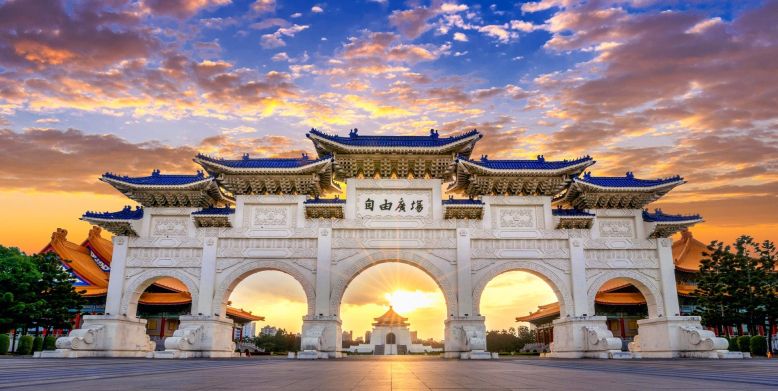
Trump has made the first step in reversing
course on this trend and has considerable, perhaps unique, political
protection to undertake such steps. But it will take consistent pressure
and courage to get to the “strong, durable, and everlasting peace” that the
president says he wants. For the hostage families and tens of thousands who
lost their lives, family members, and homes forever, it is tragic that the
United States has refrained from using its power to end the war for so
long. With myriad global security threats around the world, the United
States cannot afford to fail yet again. How
Israel’s Military Dominance Could Undermine America’s Quest for Regional
Peace.
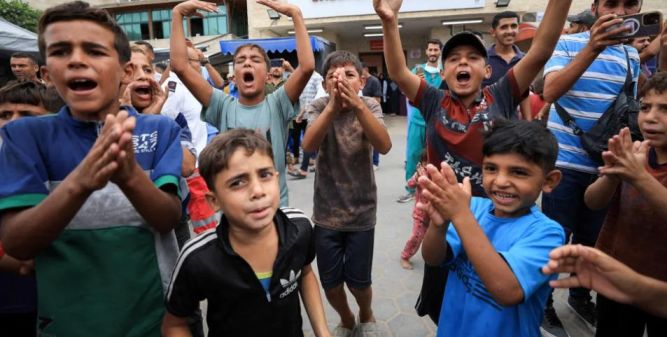
Deterrence depends not just on the number of
bombers, submarines, and destroyers but also on the ability to keep forces
supplied, even when conventional logistics breaks down. As on the beaches
of Normandy in 1944, logistics itself can be a decisive weapon in battle. Failing
to invest in these capabilities signals unpreparedness or dangerous
overconfidence that there will be time to adapt once war begins. Reliable
and effective logistics are crucial in any war, and especially so when that
war is half a world away. Fighting China, Fast and Slow: The Real Logistics Challenge in the Taiwan
Strait.
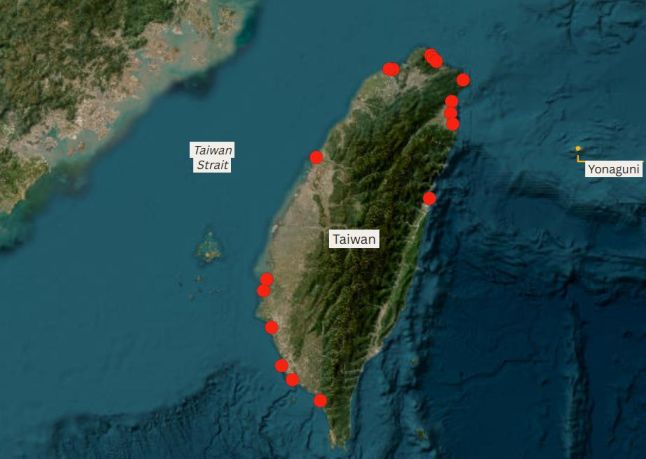
Thousands of Palestinians began the long,
dusty walk from the south of Gaza toward Gaza City after a ceasefire came
into effect in the enclave on Friday, October 10. While US troops begin
arriving in Israel to oversee the Gaza ceasefire. Hamas has until 12:00
local time (10:00 BST) on Monday to release the hostages, while Israel is
set to release around 250 Palestinian prisoners and 1,700 detainees from
Gaza.
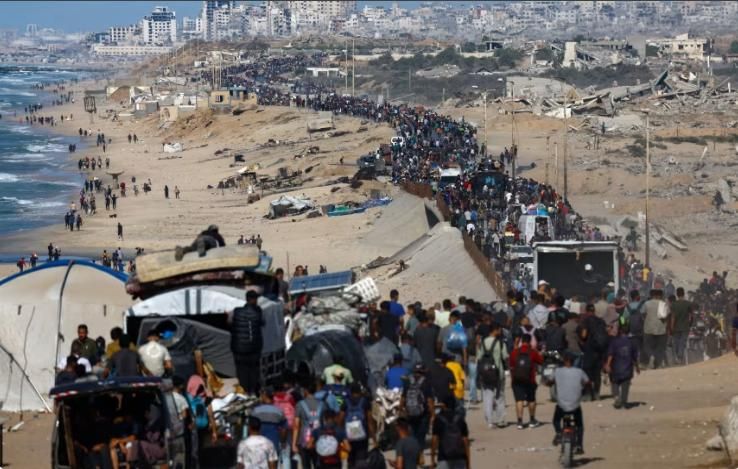
US-China trade tensions escalate as Trump
imposes 100% tariffs following China's rare earth export restrictions.
Experts warn of severe damage to both economies, particularly US industries
reliant on rare earth metals, potentially halting production within weeks. The Advantage of China in the Latest US-China Spat.
Brandenburg Gate in Berlin lights up with
Israeli flag in solidarity.

|
|
|
|
A politically illiberal India, much like
authoritarian China, is unlikely to have less success in its efforts at
regional political and economic engagement than a more liberal one might. That
said, growing hyper-nationalism in India – and its spread to diaspora
communities – does produce negative reactions in multi-religious,
multicultural Asia. Reining in hyper-nationalism and xenophobia at home
should therefore be a high priority for New Delhi in crafting a weightier
role in Asia and beyond. India and the Rebalancing of Asia: New Delhi still
faces many obstacles on its path to great-power status. One of the Unanticipated Features of Asia’s New Geopolitics
Has Been the Return of India to Center Stage.
Three ships with Russian links have emerged
as possibly playing a role in the mysterious drone flights that closed
several Danish airports several times this week. The vessels were spotted
off the Danish coast around the time of Wednesday’s incident and may have
served as launch pads for the drones. Troubling
Questions About the Scope of Russia’s Hybrid Warfare.
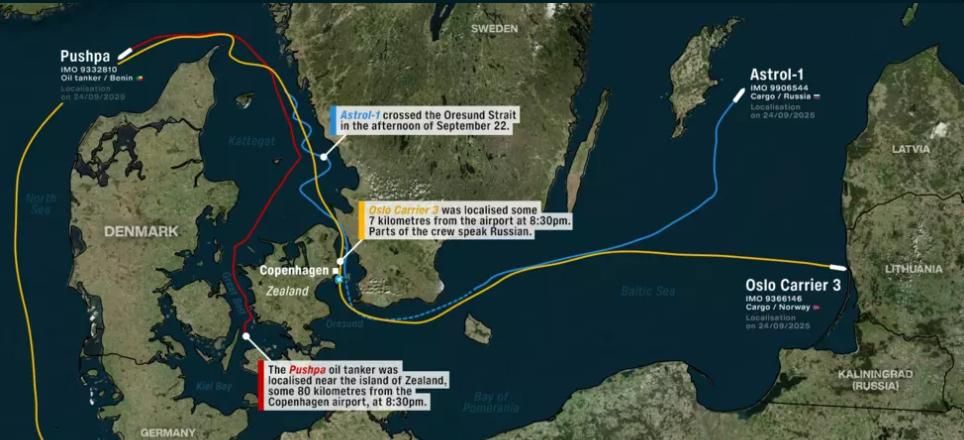
US President Donald Trump has promised
“something special” is coming on Gaza as Israeli officials say Prime
Minister Benjamin Netanyahu has reservations at about the White House’s
21-point ceasefire and post-war governance plan. Draft of Tony Blair’s Gaza
Plan Outlines. Remote Governance, Little Palestinian
Representation.
Missteps by China or resistance from other
countries could well thwart President Xi’s designs. For the United States,
such setbacks can buy time until different leadership in Washington once
again has a vision of the future built around more than looking out for
itself. China Goes on Offense: Beijing’s Plans to
Exploit American Retreat.
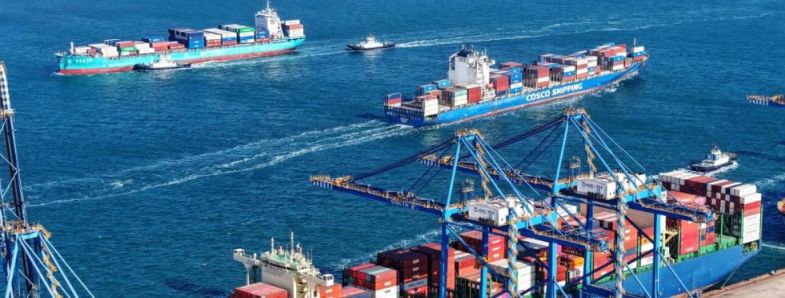
Indigenous survivors
recount past horrors at Canada’s residential schools. We extensively
covered this situation in Part 1,
Part 2, Part 3, Part 4, and Part 5.

Based on a proposal by President Donald
Trump, Gaza would be governed by a transitional “apolitical” committee made
up of Palestinians and overseas experts under a 20-point peace plan agreed
to by US President Donald Trump and Israeli Prime Minister Benjamin Netanyahu
that the pair said would lead to the immediate end of the war and the
release of all remaining hostages within 72 hours if Hamas accepts the
deal. Netanyahu Backs US Plan to End War,
Under Which Trump Would Initially Govern Gaza.
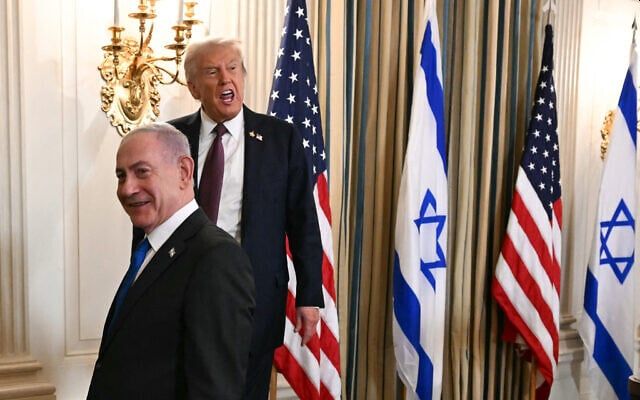
Although Beijing has outcompeted Washington
in Myanmar up to this point, the junta’s woefully incompetent management of
its currency and foreign reserves presents an opportunity for the United
States to recalibrate its approach to the country. The United States has
the financial tools to hobble the junta, push back on China’s influence in
the region, and improve the future for the people of Myanmar. If it fails
to do so, it risks further empowering the junta and solidifying China’s
powerful hold over the region. Such an outcome would be a moral and
strategic disaster for the United States. The
Chance to Save Myanmar: U.S. Economic Tools Can Counter Both the Junta and
China.
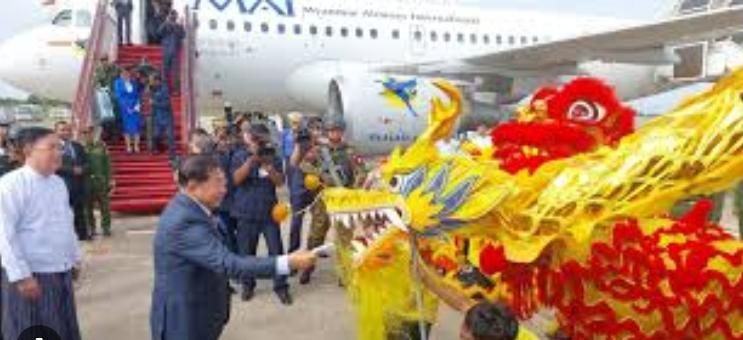
Washington must further anchor U.S. policy
in support of a just resolution of the Palestinian question. Ending
Israel’s crushing campaign in Gaza, preventing the depopulation of the
territory, stopping the manmade famine there, and halting the annexation of
the West Bank should be the starting point. The United States cannot skirt
the plight of the Palestinians and ignore Israeli revisionism if it wants
to foster a functional and credible regional order. The Middle East That Israel Has Made.
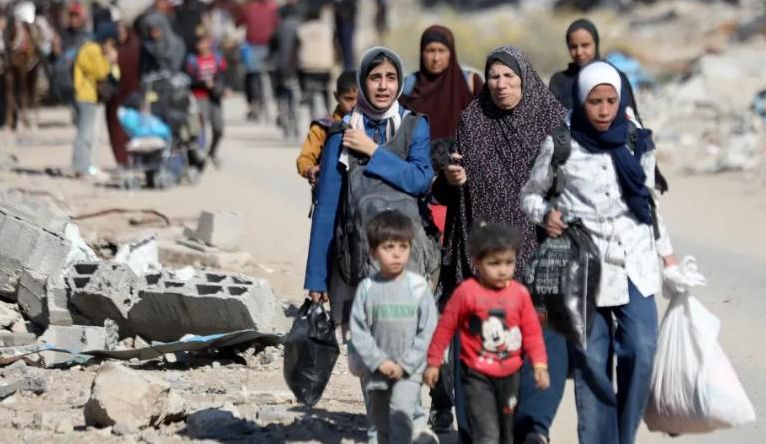
China is not Japan. Its market is larger and
its state support is heavier. And for the United States, the security
stakes of this competition are much higher. But the same rule holds: the
United States should resist fortress economics. Treat Beijing as a serious
competitor, not as a blueprint. How America Outcompeted Japan and Why That
Matters for the U.S. Rivalry With China. The U.S. Should Treat Beijing as a
Serious Competitor, Not as a Blueprint.
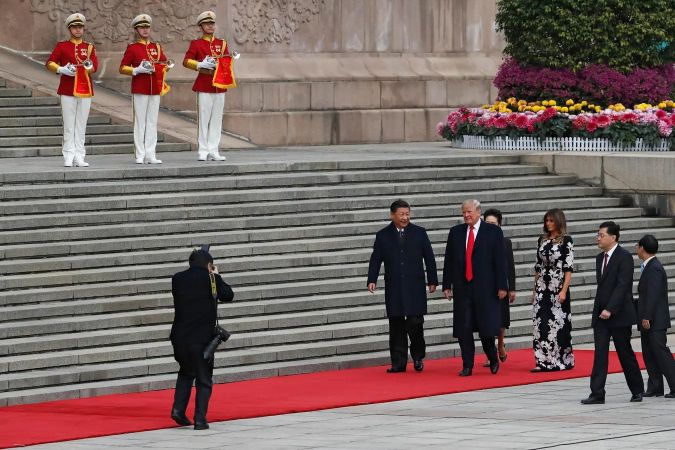
Sudan’s disaster could become a bitter but
valuable lesson on overreach for regional powers, prompting them to learn
how to manage their competition, ideally without relying so heavily on the
United States as a middleman. But the prospect of playing a smaller role
must not be an excuse for the United States to walk away. Some in
Washington argue that because influencing peacemaking in the Horn is harder
than it used to be, the U.S. government should pull back. But that will
only encourage even more instability. Washington will need to learn to
adapt and contribute to mediation processes in which it is one of various
players, not the decider. Otherwise, catastrophic wars like Sudan’s could
multiply. Sudan’s War Is the Shape of Things to Come: Why Mediators Struggle to End a New Kind of
Conflict.
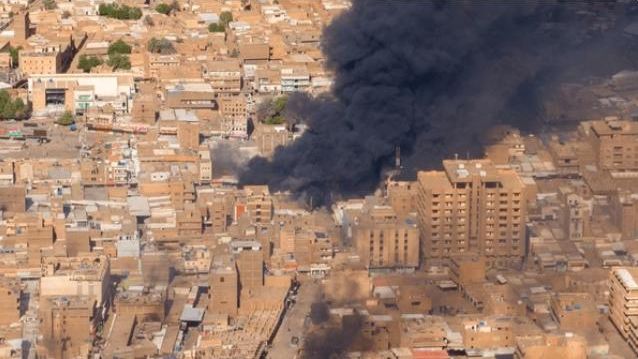
Remembrance of Oct. 7, 2023, in Paris:

|
The United States might find itself with
fewer close allies even without Trump, as the international system becomes
increasingly multipolar. But the current president’s unpredictability is
likely hastening this process. Trump may leave office convinced that his
unpredictability made Washington stronger and that Americans will benefit
from the resulting configurations of power and transactional deals. He may
think that by rejecting the need for credibility, he freed the United
States from constraints that tied the hands of previous presidents. But
history is likely to show otherwise: that Trump replaced credibility with
volatility, leaving behind a United States that is less trusted. The Price
of Unpredictability: How Trump’s
Foreign Policy Is Ruining American Credibility.
The Israeli invasion of Gaza has reached its most violent period
yet. Netanyahu, who has aligned with extremist factions that favor the
complete expulsion of Palestinians, is still clinging to his political
power. And with no conventional military threats, the Israeli’s can focus all
their efforts on Hamas. – Trump has
sidelined the American security apparatus, leaving Israel with few external
checks. With no one to intervene and both Hamas and Israel leaning further
into their stances…there really is no good solution here.
The global consensus against the starvation
weapon took decades to achieve. Now, international apathy risks letting it
collapse at the moment it is most needed. Political solutions in Sudan and
between Israel and Palestine may be hard to find, but keeping people from
starving is perfectly feasible. It should be something on which all can
agree. The Return of the Starvation
Weapon: The Collapse in Global Norms Fueling the Catastrophes in Gaza and
Sudan.
Anti-Semitism, in the UK today; on Yom
Kippur, the holiest day of the year in Judaism, there was a targeted attack
on a synagogue. Recently, Britain Has
Recorded a Marked Rise in Antisemitism.

As Syria’s authorities navigate formidable
challenges, it only seems prudent for them not to antagonize Russia. Rather
than panicking over Moscow’s maneuverings or conditioning their own support
on Syria’s total break with Russia, U.S. and European leaders should focus
on helping Syrians recover after a decade of civil war and a half-century
of despotism. The best way to ensure that Syria will not allow Russia to
exploit its territory in the future is to build good relations with
Damascus today. Russia Isn’t Done
with Syria: How Moscow Has Retained Influence in the Post-Assad Era.
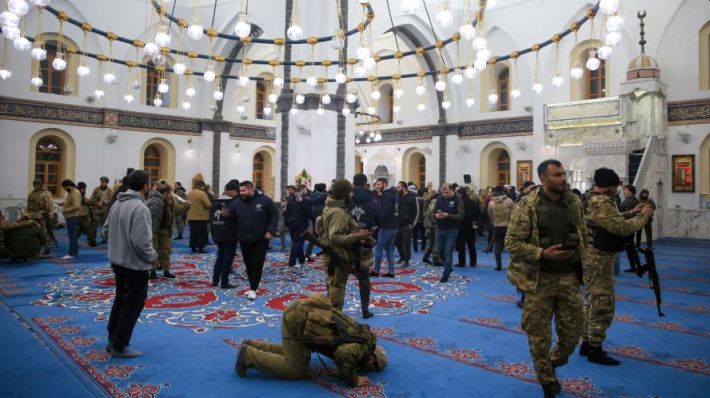
Trump asks Israel to stop bombing Gaza,
saying Hamas is ready for peace. Israel Is Preparing
To Implement the First Steps of Trump’s Deal.
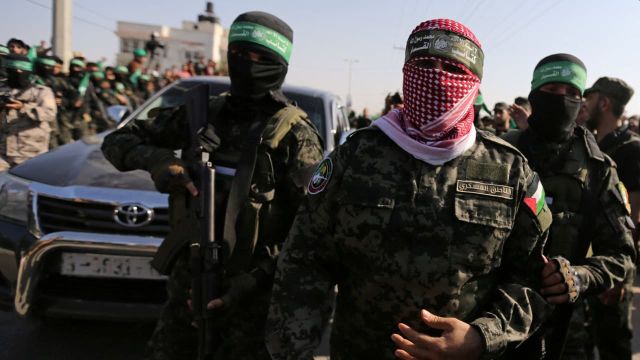
IDF shifts to solely defensive operations in
Gaza after demand from Trump, as the US president pushes to end the war.
Netanyahu says Israel ‘prepared
for immediate release of all hostages’ in the wake of Hamas’s response to
the US. Talks on implementing the deal are scheduled for Egypt
tomorrow; Witkoff is reportedly on the way, and the Israeli delegation is
preparing. Zamir tells IDF to gear up ‘for implementation of first stage of
Trump’s plan’.
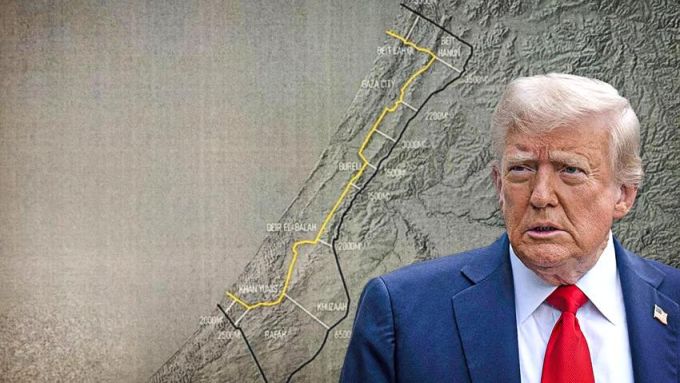
Brazil’s president Luiz Inacio Lula Da Silva
said in a UN speech that democracy can prevail over ‘would-be autocrats,’
and while this can be seen as a critique of Trump. It Certainly Was a Critique of Lula Da Silva's
Opponent, Jair Bolsonaro.

Steve Witkoff and
Trump's son-in-law, Jared Kushner, arrived in
Cairo for discussions to free the Hostages. On 6 October, Cairo will be
observing Armed Forces Day, a national holiday commemorating
the
1973 October War victory, with various celebrations. Additionally, a
Gaza ceasefire implementation meeting between Hamas and Israel is scheduled
to take place in Cairo on the same date, focusing on prisoner-hostage exchange
talks. President Donald Trump has said he thinks the hostages held in Gaza
will start to be freed "very soon"
as mediators are set to meet in Egypt on Monday for indirect peace talks
between Hamas and Israel.
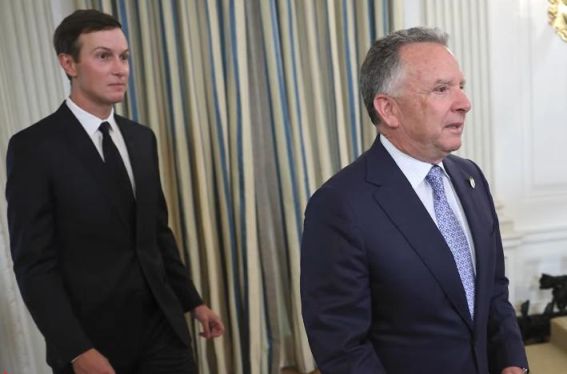
Conservation is China’s newest weapon in the
South China Sea. China’s plan to turn a destroyed
reef into a marine reserve exposes how green rhetoric is being used to mask
coercion in the South China Sea. Arc-shaped
gouges carved by steel propellers, entire coral beds smothered by sediment
plumes, and at least 1,900 acres of reef laid to waste, all within the ring
of Scarborough Shoal, once a thriving marine
ecosystem in the South China Sea.
Two great powers of the twenty-first century
must have the foresight to create such channels without first subjecting
the world to a Cuban missile–type crisis in the Indo-Pacific. The
U.S.-China Crisis Waiting to Happen: Beijing’s
Reluctance to Engage With the U.S. Military Has Never Been More Dangerous.
|
|
|
|
Neither Beijing’s nor Washington’s immediate
readouts on the call mentioned Taiwan, but China has stepped up its
pressure on the island in recent years through both diplomatic statements
and military provocations. Chinese Defense Minister Dong Jun said at a
security forum in Beijing on Thursday that China’s takeover of Taiwan, a
self-governing democracy that Beijing treats as a breakaway province, is
“an integral part of the post-war international order.” Taiwan’s Message to
Trump and the U.N.: ‘We’re Not a
Freeloader.’ The Island’s De Facto Ambassador to Washington on Trump,
China, Defense Spending, and More.
Trump’s backing gives Baku and Yerevan the
courage to stand up to Moscow. Having brokered a provisional agreement
between Baku and Yerevan – and lent his name to a crucial new transit
corridor -Trump now needs to understand that he cannot do this on his own.
Rather, he must invest in more old-fashioned American diplomacy to help
bring lasting peace to the region. An Unlikely Road to Peace in the South
Caucasus: How Common Cause Against
Russia Enabled an American Deal.
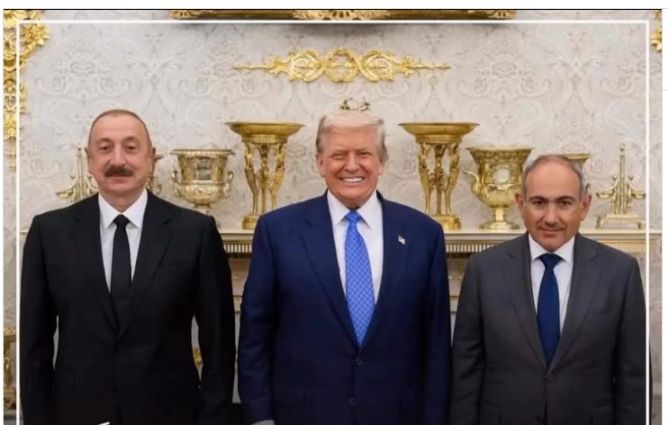
By increasing defense spending, investing in
the United States, and making a case that Taiwan is a steady partner in
sustaining peace and stability in a key global hotspot, Taiwan has strong
cards to play in managing relations with Trump. None of this, of course,
provides a foolproof hedge against the risk of Trump making concessions on Taiwan
in exchange for a trade deal or a better relationship with Xi. Successive
Chinese leaders have sought and failed to get American leaders to take such
a deal. Nobody Lost Taiwan. The Island
Remains Secure and Stable.

Venezuelan President Nicolas Maduro rejected
US allegations of being a drug trafficker and asked President Donald Trump
for dialogue, according to a letter released Sunday by Caracas, as tensions
soar between the two countries. He also sent a letter addressed to Trump,
dated September 6, and was sent days after the United States deployed
warships off the coast of Venezuela and carried out the first of several
attacks on Venezuela-based boats, as alleged by Trump. Maduro Offers To Engage in Direct Talks With Trump
Envoy Grenell.
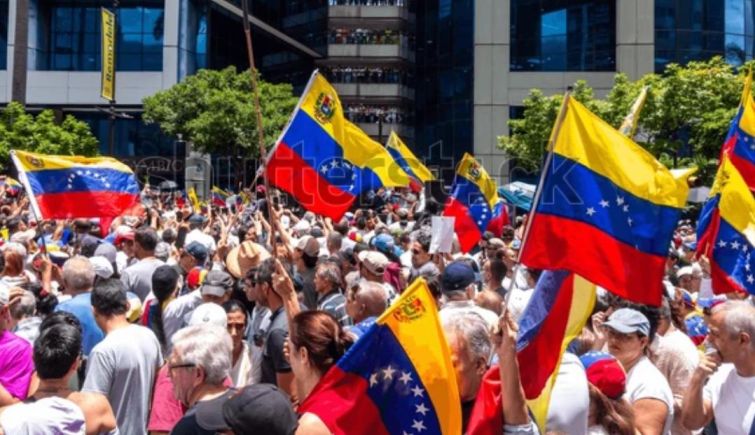
'Palestine' Doesn't Meet the Requirement
of a Defined Territory.
The EU and NATO should do more to help
Ukraine firmly prevail over Russia’s technologies and deny Moscow any
further battlefield victories. Its members need to plow more resources and
in-kind technology contributions into Ukraine’s defense industry. They must
help Kyiv quickly develop and massively scale up new systems. Then, and
only then, will Europe be able to breathe. The Only Security Guarantee Ukraine Can Trust
is that More Drones and Missiles Are All that Can Stop Russia.
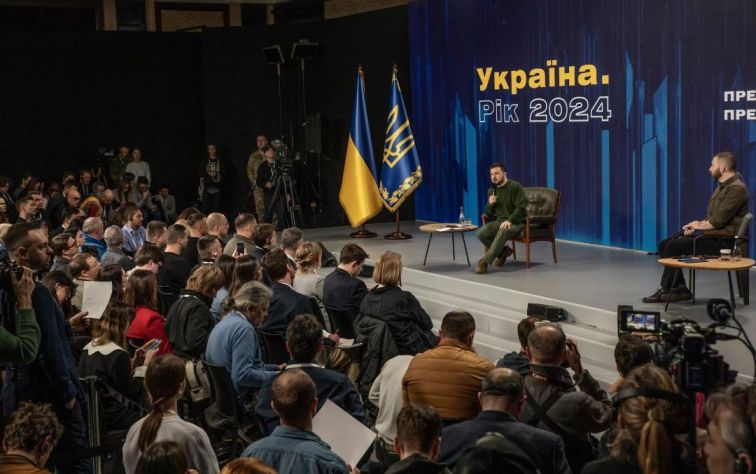
|
The United States’ security challenges are
becoming only more complex, and policymakers are still figuring out how
best to address them using the economic tools at their disposal. Yet one
guiding principle is clear: a democratic government does not exist to
enrich itself. National security policy, therefore, should not seek profits
or involve opportunistic bonus payments. The U.S. government’s national
security responsibility is to ensure national security. National Security
for Sale: How Profit Seeking Distorts
American Policymaking.
New Delhi realizes that it will have less
leverage with Beijing and a tougher time securing itself, growing
economically, innovating, and ensuring an Asia not dominated by China if
U.S.-Indian ties remain fraught. This is why it continues to seek an agreement
with the Trump administration. If Washington does not reciprocate and
instead persists in pressuring India, however, New Delhi over time will
find a different balance in its foreign policy, and that new balance will
invariably be less favorable to the United States. India Doesn’t Want to
Need China, But U.S. Policy Is Forcing
New Delhi to Turn to Its Rival.
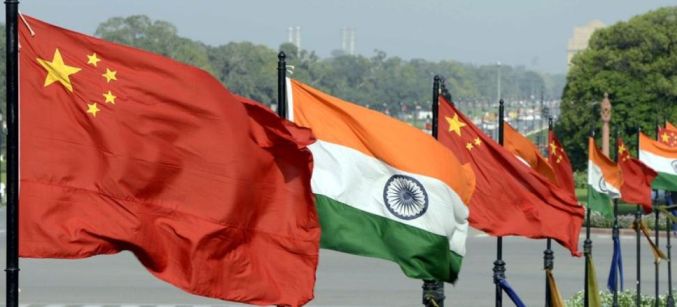
Averting proliferation in this geopolitical
moment may seem difficult, and it will indeed require strong, bipartisan
support to update U.S. strategy. But consensus is within reach when it
comes to halting the spread of nuclear weapons, if only because the
alternative would be far more costly. The Proliferation Problem Is Back: Washington Must Adapt Its Playbook for a New Era of
Nuclear Risk.
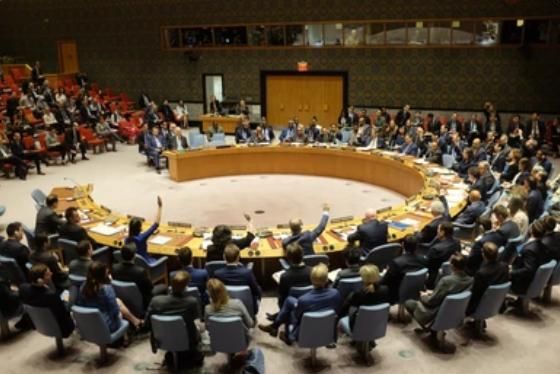
By shoring up its ties with Vietnam and
Thailand, the United States can help ensure that maritime Southeast Asia
remains open, imposing a natural limit on China’s ability to dominate Asia
and preserving U.S. interests in the wider Indo-Pacific region. The Two Southeast Asia's. A Divide Is Growing Between
the Region’s Continental and Maritime Countries.
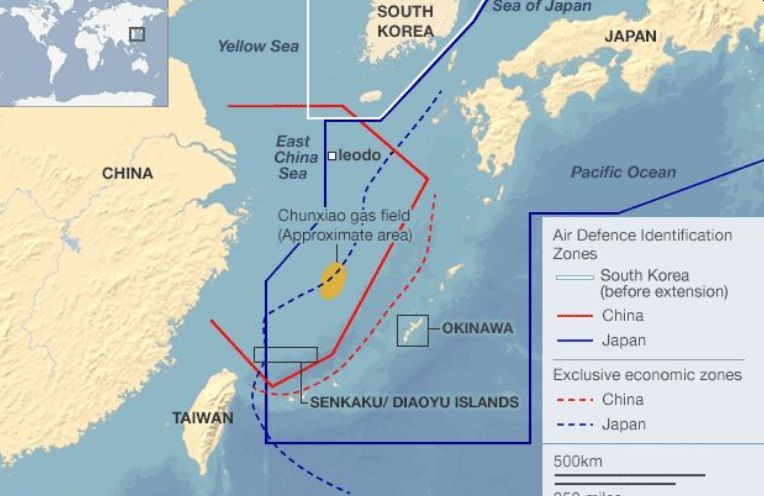
Racing toward a myth is not sound policy.
Instead, the country’s primary goal must be rapidly scaling practical AI
applications - improvements that meet government needs and deliver real
efficiencies today and tomorrow. Otherwise, the United States could keep
producing the world’s fanciest models. It could lead to algorithm creation.
But it will still fall behind countries that make better use of AI
innovations. The Cost of the AGI Delusion
By Chasing Superintelligence, America Is Falling Behind in the Real AI Race.

There is a lot the United States will not
need for a potential conflict with China, such as large numbers of surface
ships and aircraft carriers, which are vulnerable and highly exposed in a
war. The United States is also still investing in land systems, such as
tanks, that will not be necessary for this fight. An offset that focuses on
China. The Pentagon’s Missing China Strategy: Washington Still Lacks a Credible Military Plan
for Deterring Beijing.
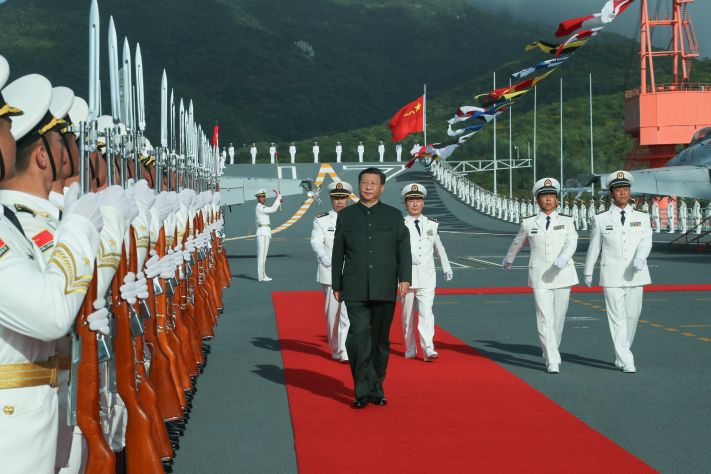
|
|
|
|
The United States and Taiwan will still need
to be prepared with a credible plan to prevent escalation if and when an
incident occurs. What is alarming is that almost all public wargames are
premised on an intentional use of force by Beijing, with little focus on
how the United States and Taiwan should respond to a crisis triggered by
accident. Improvisation, necessitated by a lack of preparation, would be
more than dangerous. It is thus encouraging that U.S. President Donald
Trump has declined to offer specific guarantees to Taiwan. The Greatest Danger in the Taiwan Strait: Even If
China Avoids a War of Choice, a Miscalculation Could Spark a War of Chance.
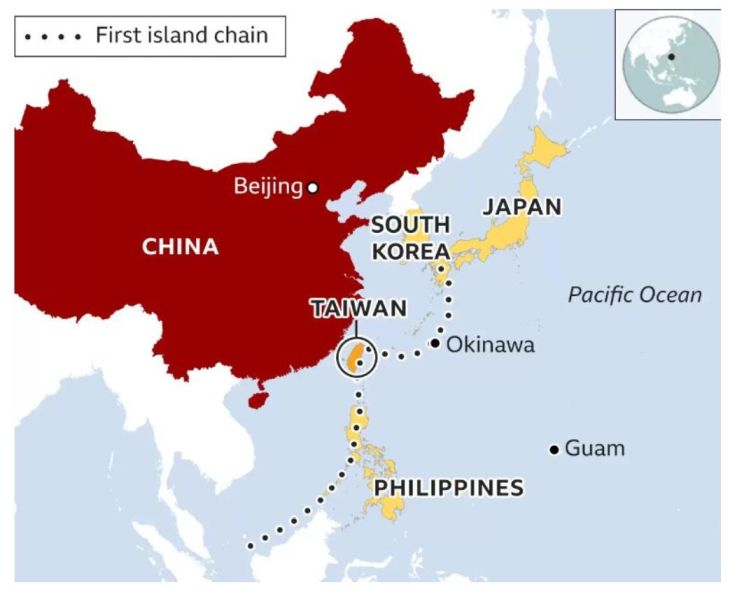
China is preparing for war to retake Taiwan,
the island's top China policymaker said in Washington on Friday, warning
that if Taiwan were to fall, It Would Cause
a Regional "Domino Effect" That Would Threaten the Security of
The United States.
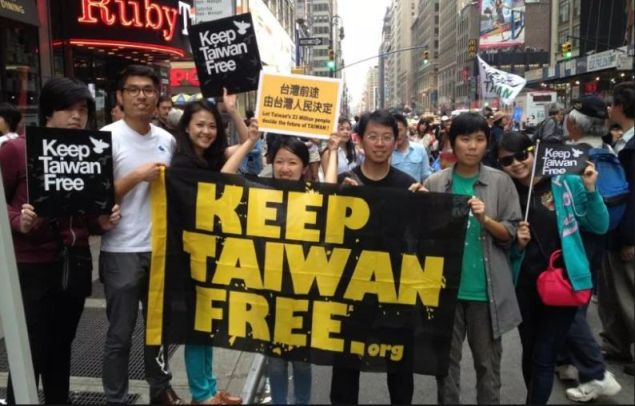
The events of October 7, 2023, shook Israel
to its core. Hamas’s brutal attack - which left some 1,200 dead and
hundreds more held captive - made clear to Israel’s leaders and citizens
alike that the country must change its approach to national security to
ensure its survival. For many Israelis, October 7 demonstrated that it is
impossible to contain groups such as Hamas or to accept their existence
along Israel’s borders without compromising the country’s safety. What
Israel Wants: The Post-October 7
Security Strategy Driving Israeli Actions.
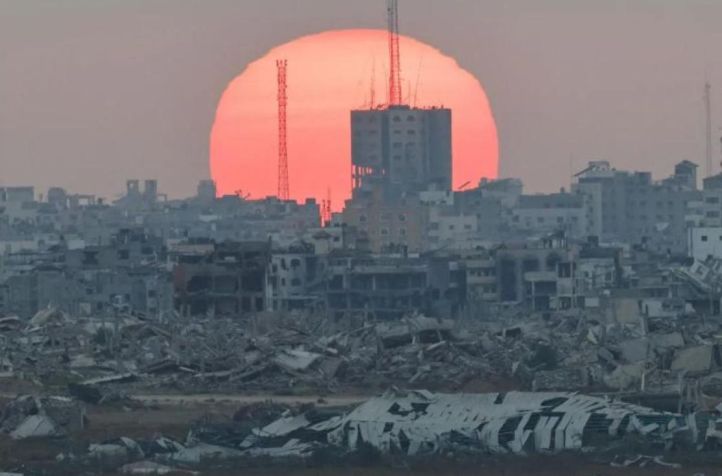
China, Russia, and North Korea each still have
reasons to deal with the United States. If Washington can resist the urge
for improvised, optics-driven diplomacy, recognize its sources of leverage,
and lean into its comparative strengths - its alliances, military power,
economic influence, and diplomatic reach - it can shape the strategic
environment instead of just reacting to it. Don’t Overestimate the Autocratic Alliance.
Washington Still Has Significant Leverage Over China, North Korea, and
Russia.
NATO allies rally round Poland in the face
of Russian incursion, as drone warfare takes center stage:
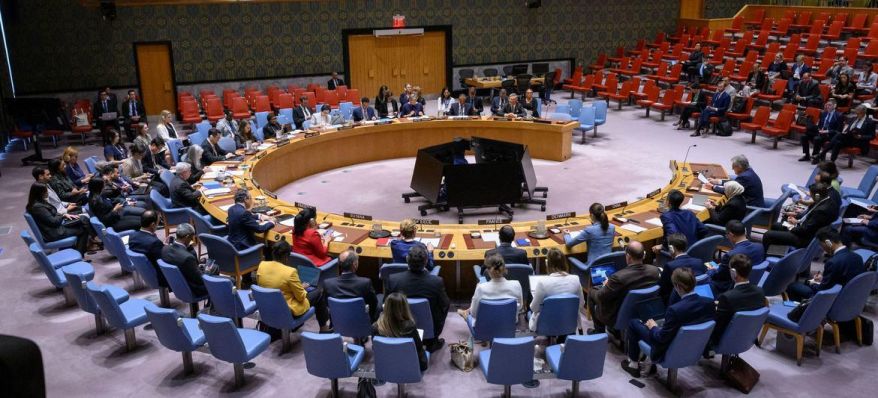
Trump has long criticized the United States’
forever wars in the Middle East. He is well aware of how U.S. interventions
in the name of counterterrorism can go wrong. Mining the long and often
sordid history of these efforts can provide the Trump administration with lessons
for the fight against transnational crime. But to embrace the entire U.S.
counterterrorism playbook without considering what may and may not work
against the cartels would be to court catastrophe. The Wrong Way to Fight the Cartels: Trump Risks
Repeating the Mistakes of the “War on Terror.”
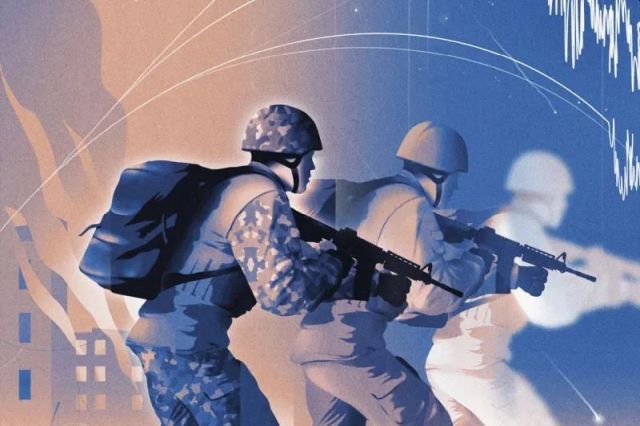
Over decades, the United States had gradually
built an alternate universe. A universe in which happy talk comes true and
actions produce promised consequences. Washington’s mission in Afghanistan
gives rise to a modern democracy, and U.S.-backed government forces can
stand up to the Taliban. In which economic sanctions yield desired
political change, domesticate the Houthis, and reverse Iran’s nuclear
advances. In which the United States is engaged in a decisive struggle of
democratic forces against autocratic regimes. A universe in which moderate
Palestinians represent their people will reform the Palestinian Authority
and curb its political demands; a reasonable Israeli center will take
charge, thanks to gentle American prodding, and agree to meaningful
territorial withdrawals and to a Palestinian state worthy of the name. The Lies America Tells Itself About the Middle East
As Its Influence Faded, Washington Dissembled and Denied Reality.
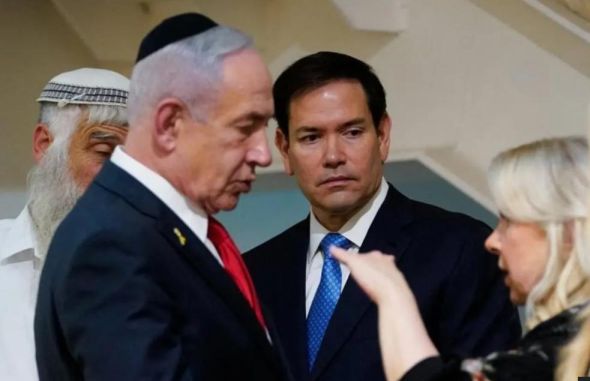
The
Highest Telescope In The World
|
Foreign policy is difficult, and pursuing a
principled foreign policy is even harder. Some hypocrisy is virtually
inescapable. But when two states with different biases and worldviews
collide - one enamored with a vision of its exceptionalism and another
clinging to its identity as moral authority - pragmatism is in order. The
United States does not gain from endorsing racist conspiracy theories that
amplify South Africa’s caricature of it. And South Africa does not gain by
gratuitously alienating the United States. The Costs of South Africa’s
Ideological Foreign Policy: Washington and Pretoria Were at Odds Long
Before Trump.
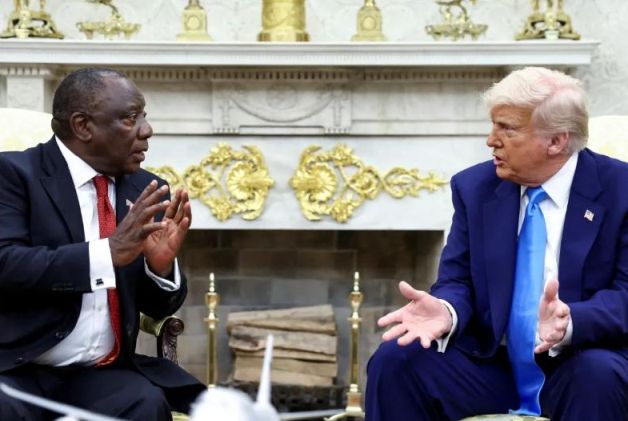
Gaza war: What is the history of the
Israel-Palestinian conflict? The
Conflict Between Israel and the Palestinian People is One of the
Longest-Running and Most Violent Disputes in the World. Its Origins Go Back
More Than a Century.

Instead of terminating U.S. participation in
the Global Coalition, Washington should expand the grouping to include
Syria itself—a move that would enable better joint training, intelligence
exchange, and operations. To that end, the United States and its partners
in the Global Coalition should stipulate the conditions that HTS must meet
to join. To be sure, existing members will have reservations about
welcoming former jihadists such as Shara. But if ISIS is to be defeated
once and for all, the new Syrian government must be involved and empowered
to succeed. The Return of ISIS: The Group Is
Rebuilding in Syria, Just as U.S. Forces Prepare to Leave.
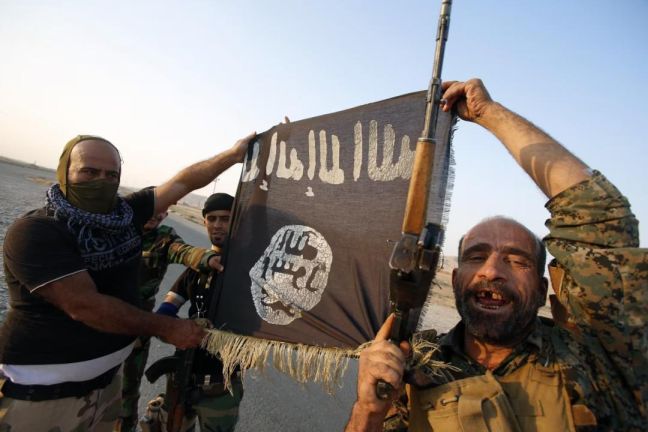
Emerging powers have long complained that
they have been excluded from the global high table. The current fluid
moment provides an opportunity for the likes of Brazil, India, Indonesia, and
South Africa to collaborate with advanced market democracy counterparts,
such as Australia, Canada, France, Germany, Japan, and the United Kingdom,
which may be looking for new partners in the post-Western world. What Happened to “the West”? As America Drifts Away
From Its Allies, a Less Peaceful World Awaits.

A common defense bond and reforms in Europe’s
banking and financial industries would allow for a rebuilding of the
continent’s defenses. For years, limited EU-level coordination of defense
policy and member states’ reluctance to increase defense budgets have held
the continent back. Now, European leaders must recognize that bold action
is the only way to keep Europe safe and united in the dangerous times that
lie ahead. Fixing Europe’s Firepower:
How the EU Can Funnel Its Wealth Into Its Defense.
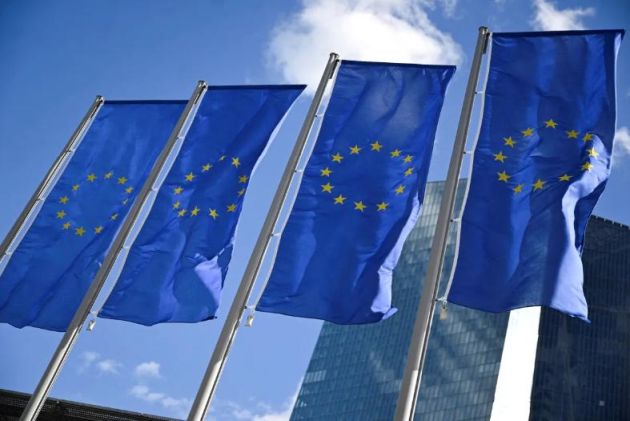
The way to end the war is to get regional
stakeholders to agree on principles for how Gaza will be governed afterward
in a manner that Hamas is not involved, and not armed and unable to regain
power. This can only happen if there is a new governing structure in Gaza
with a serious security force from the international community. This cannot
be the PA in the beginning. The PA will be a partner. They’ll be consulted
and coordinated with, but they won’t be the ones managing Gaza on day one. This Will Happen Later On After They Reform.
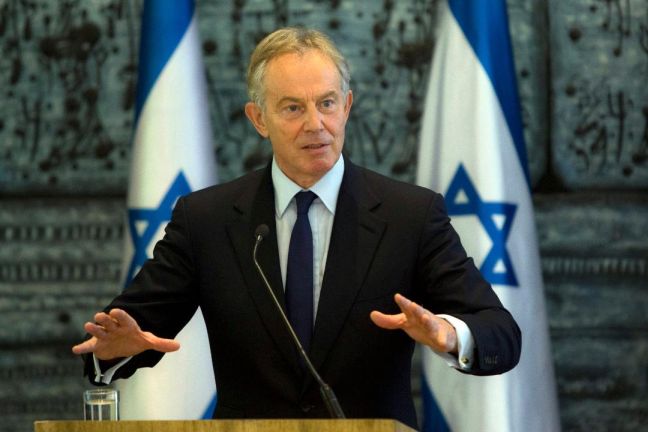
Dealing effectively with China requires
understanding China as it actually exists, not the China that U.S. policymakers
of both parties have imagined and come to accept as fact. It is neither
unrealistic nor unfairly sympathetic to China to examine what the country
wants and realize that its aims are far less expansionary, confrontational,
or threatening to U.S. interests than most policymakers believe. China is
telling the world, and itself, what it wants. What China Doesn’t Want: Beijing’s Core Aims Are
Clear and Limited.
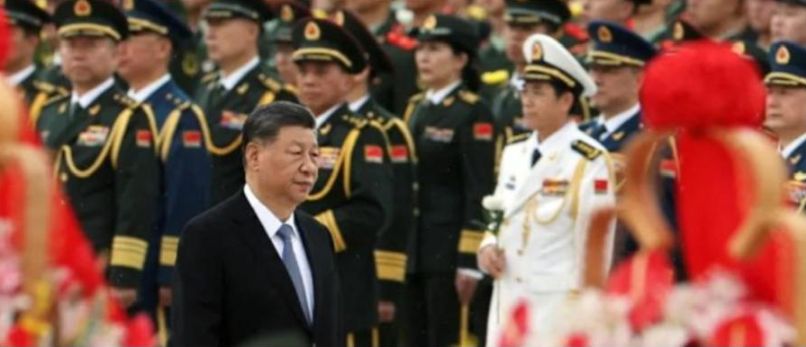
|
|
|
|
As China faces its own challenges at home,
where the ruling Communist Party is grappling with a slowing economy and
persistent unemployment, some observers wonder whether drumming up
nationalism as a distraction strategy could push China into an even more
aggressive stance. Xi Jinping Asks the
World To Choose ‘War or Peace.’ Which Direction Is China Headed?
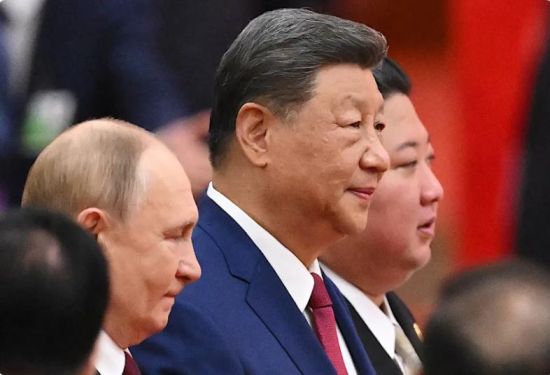
President Donald Trump said over the weekend
that his administration is engaged in “deep negotiations” with Hamas, and
he issued a new warning to the terror group: "If you don't let them
all out, it's going to be a tough situation, it's going to be nasty." There Are Three Competing Elements in
Dissecting the Palestine Question.
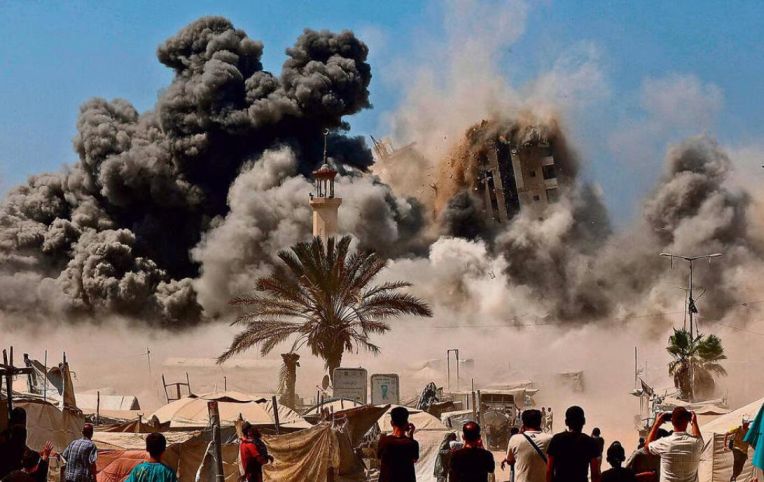
Many members of Putin’s aristocracy continue
to hold out hope that after the end of hostilities, everything will become,
if not different, then at least milder. They are counting on the repeal of
the laws on “foreign agents” and “undesirable organizations” and an end to
the encroaching nationalization of the private sector, among other things. But
the larger lesson of the recent purges is quite different: Putin lacks a
reverse gear. Russia’s New Fear Factor: How
the War Is Driving a Wave of Purges and Suicides Among the Country’s Elites.
Though Putin and Trump may join hands in an
aspirational Yalta order for Europe, the Europe of today is no longer the Europe
of the 1940s and 1950s. It is contesting Putin’s actions with military
force, and Ukraine is manifestly not a pawn on some Cold War chessboard.
Our world is and is not the world that the Cold War made: It is haunted by
an East-West contest for Europe that has no end, but it has also moved on,
inviting new forms of global power and inventing new kinds of global
agency. The Cold War Is Historically Anomalous.
It Was Awkwardly Long, With No Clear Origin or Conclusion.
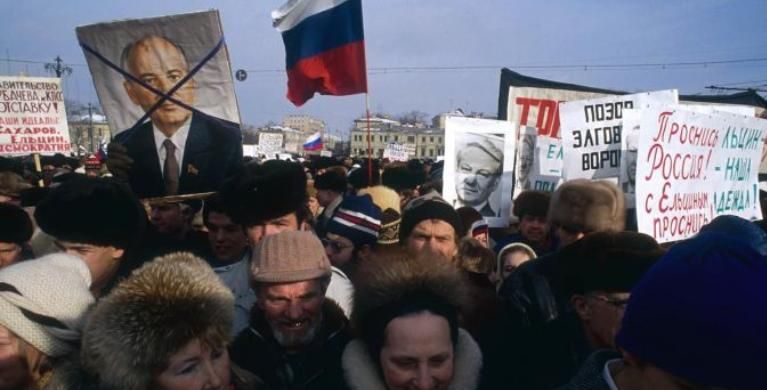
Putin's aim all along has been to bend the
international system to his will and to preserve his monopoly on power at
home. Since his first incursions into Ukraine in 2014, Putin has played the
long game. He has always believed that time is on his side. The Alaska
summit bought him even more time - and gave him a stronger hand for
achieving military victory. The Wrong
Way to Do Diplomacy With Russia What Trump Could Learn from Reagan.
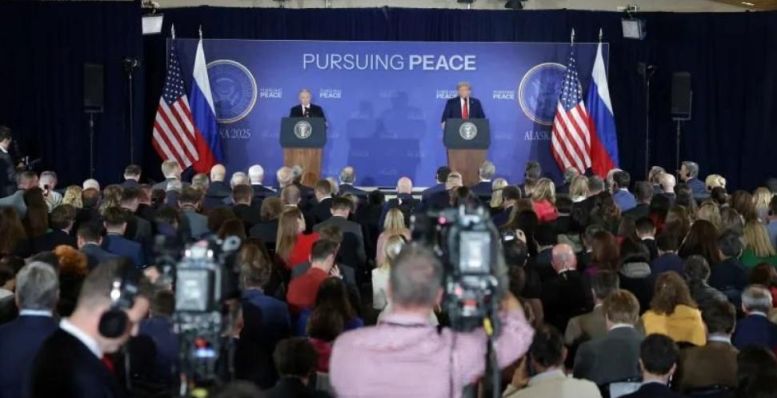
Russia’s war against Ukraine has much
broader aims than subjugating an independent country. It sees the war as a
first step toward unraveling the post–Cold War settlement that brought
security and prosperity to hundreds of millions of Europeans who had long
lived under the yoke of Moscow’s domination. Ukraine is therefore on the
front lines of a more existential fight. The peace and security of all
Europeans - and Americans, too - requires a secure, sovereign, and
independent Ukraine. But Today, It Is Up
To Europe As To Whether It Has the Wisdom and the Will To Make It So.
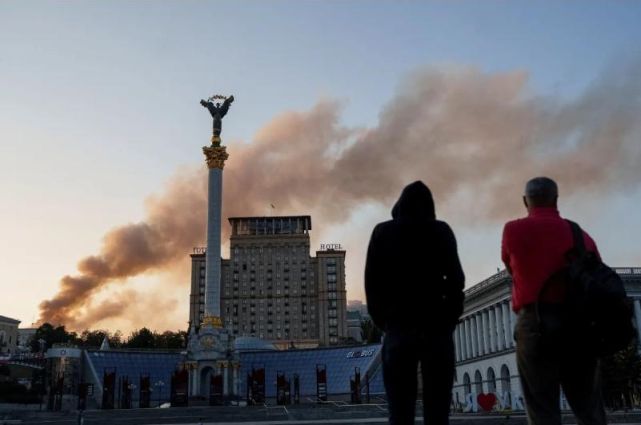
Israel faces growing backlash over Qatar strike.
Israel Targets Hamas Leadership.
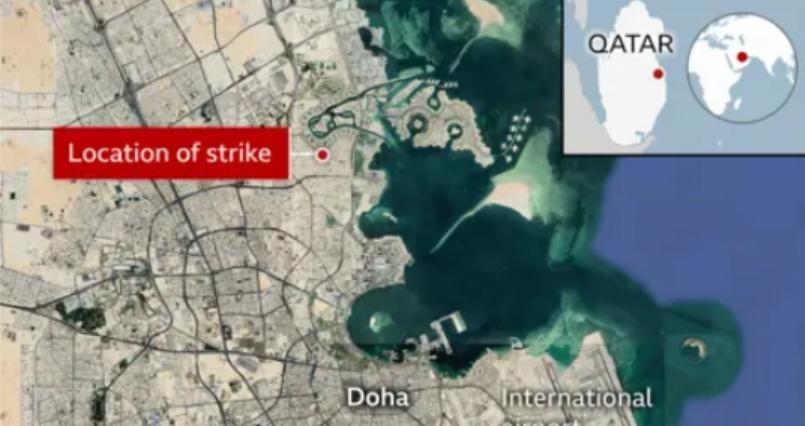
|
Israel’s attack on Hamas’s political
leadership in Qatar’s capital on Tuesday signaled that Prime Minister
Benjamin Netanyahu is making an all-out blitz To
Force the Group to Surrender in the Gaza War.
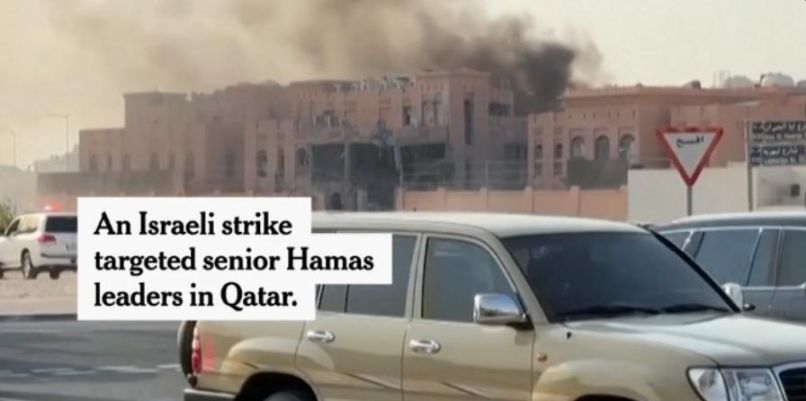
U.S.-Pakistani relations represent a
significant departure from Washington’s approach in recent years. But
Trump’s willingness to overturn the apple cart may, in this context, prove
useful. After all, if the United States chooses to stick with its current
India-focused policy, it could lose not just Pakistan but also South Asia
in the years ahead. Why America Should Bet on
Pakistan: A Better South Asia Policy Runs Through Islamabad.
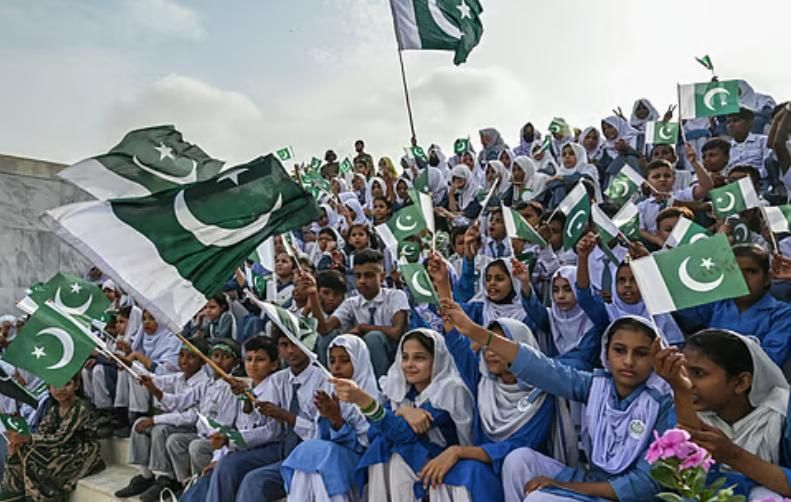
In the fourth year of the full-scale war,
and the 12th year since Russia’s initial invasion, Ukrainians consistently
remind the world what civic courage really means. They have shown that even
an enemy as large and menacing as Russia can be deterred, that governance reforms
can move forward during wartime, and that a committed public can encourage
leaders to stand their ground on the world stage while also keeping them
accountable for malpractice at home. Defeating Russia and building a strong
Ukrainian democracy go hand in hand. If Ukraine’s partners want to see the
country prevail, they must insist on the high standards of governance and
accountability that Ukrainian society itself demands. The Formation of NABU and SAPO.

Today, social media amplifies the allure of
such a draconian approach, allowing leaders to bypass media scrutiny,
showcase choreographed images of shackled prisoners, and portray themselves
as protectors of the people. But the Venezuelan example shows the fragility
of authoritarianism. Leaders who cannot sustain the material benefits that once
underpinned their popularity - whether from economic growth, social
programs, or restored public safety - tend to pivot toward repression as
their primary means of control. Does the
Bukele Model Have a Future? El Salvador’s Police State Will Soon Face a
Reckoning.
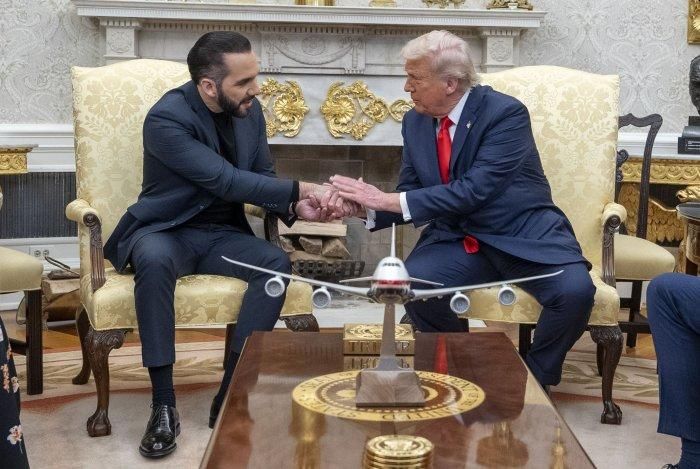
Accidental or deliberate? Russia's drone
incursion into Poland is a test for NATO. It’s
The First Time NATO Forces Have Directly Engaged With Russia Since It
Invaded Ukraine.
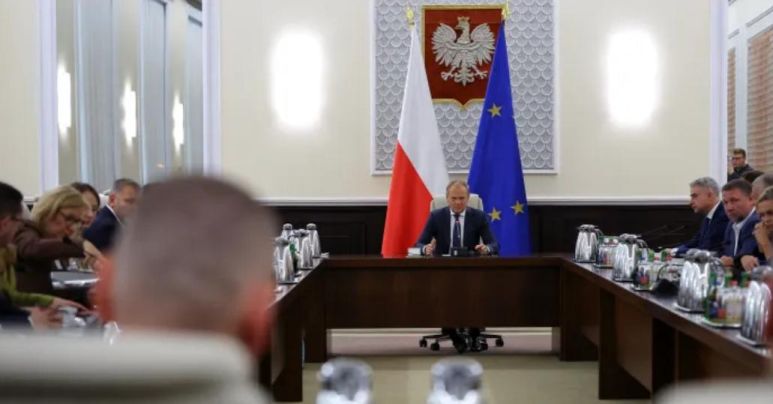
If the United States does eventually return
to its senses, it can help these states build on the progress they’ve made
by institutionalizing their cooperation. Washington will still be best
positioned to bring Asian and European democracies together and turn their loose
association into a more formal alliance, given its historical connections
to each. But the United States will never again, and should never again, be
trusted to lead the free world. It could convene this grouping, but it
could not helm it. After all, the world’s other democratic countries will
not only have saved freedom without the United States. They will have saved
democracy from it. How to Build a
Post-American Liberal Order: The World’s Democracies Must Work Together,
and Constrain Washington.
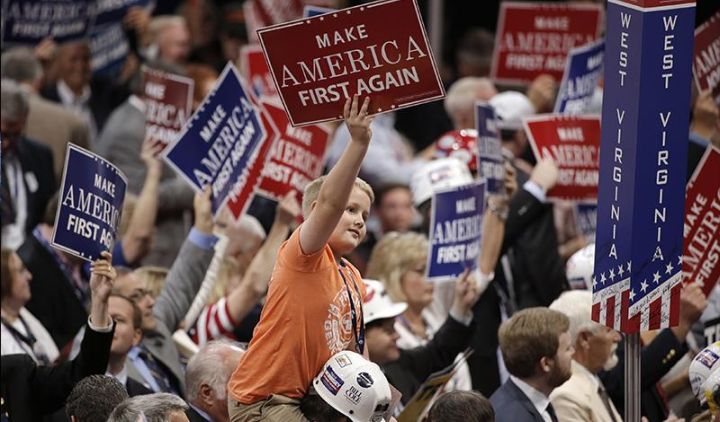
|
|
|
|
The upcoming summit of the Shanghai
Cooperation Organization (SCO) in Tianjin, China, from August 31 to
September 1, will be the organization’s largest gathering of heads of state
to date. It comes at a time when the existing liberal international order is
rapidly disintegrating. But rather than offering a concrete new order, the
SCO demonstrates the persistent difficulties that anti-liberal powers such
as China and Russia have in agreeing and implementing a credible
alternative. A First in Seven Years: Xi Jinping to Host Vladimir Putin and
Narendra Modi. India’s Modi to Meet Xi and
Putin on First China Trip in Seven Years.
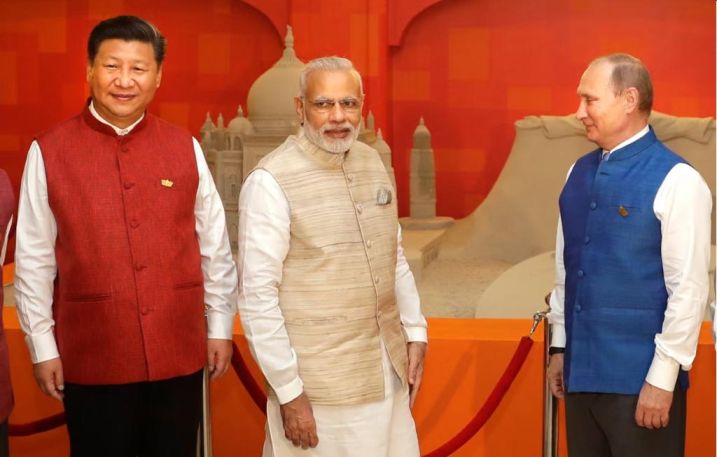
Japan’s contributions to a stable international
order are more valuable than ever as the United States becomes increasingly
protectionist and mercurial. To fix Japan’s leadership vacuum, mainstream
parties must restore voters’ trust through meaningful political reform,
articulate a compelling strategy to address the shift from a deflationary
to an inflationary economy, bridge generational divides in the electorate,
and avoid pandering to the far-right as it peddles the dubious benefits of
a closed Japan. Only by getting its own house in order can Japan sustain
its essential role as a global force for stability. Tokyo’s Leadership Vacuum: What a Divided Japan
Means for Asia and the World.
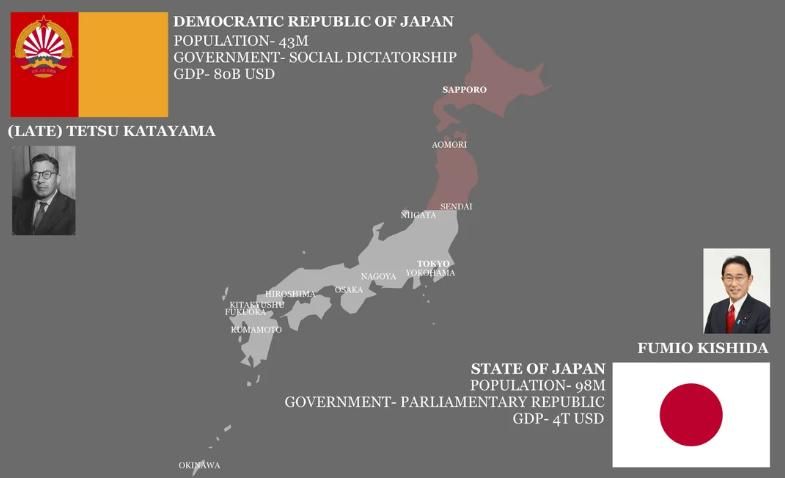
It is no surprise that Beijing fears
Tibetans led by the Dalai Lama: there are few groups more threatening to an
authoritarian regime than national movements for self-determination that
the regime cannot control and that are supported by a diaspora it cannot
silence. If Beijing continues to insist on a hard-line approach to the
Dalai Lama’s succession, global leaders can support Tibetan resistance
efforts by amplifying the international consequences to China through
economic sanctions, diplomatic pressure, and public support for pushing
back against further cultural and religious erasure. Such actions may not
change Beijing’s attitude in the near term, but they will keep alive the
legacy of the Dalai Lama and bolster Tibetans’ ongoing struggle for
self-determination. Beijing’s Dangerous Game
in Tibet: How Controlling the Dalai Lama’s Succession Could Backfire.

Economically, the deepening of trade and
investment ties would solidify China as Brazil’s primary external partner, firmly
embedding Chinese firms in strategic sectors. Geopolitically, it would make
it harder for Brazil to serve as a bridge between the global South and
Western countries, limiting its multipolar aspirations and narrowing its
diplomatic flexibility. These scenarios already feature in political
debates in the lead-up to the 2026 elections: opposition figures warn of
“excessive dependence” on China while government allies frame
diversification as essential to defending national sovereignty in an era of
great-power rivalry. Trump’s Collision Course
with Brazil, How U.S. Policy Is Playing Into China’s Hands - and Remaking
Latin America.

The scope of AUKUS, particularly regarding
dual-use emerging technology, means that the leadership of AUKUS should
come from a consortium of defense, foreign, and commerce departments or ministries.
The leader of each country’s delegation should be deemed an ambassador, or
have a title and organizational stature commensurate with the scope and
complexity of the endeavor. Such leaders must possess the authority
necessary to effectively coordinate and, when required, compel action. The Case for Recommitting to, and Revitalizing, the
Alliance.
North Korean leader Kim Jong Un entered
China aboard his armored train for his rare visit outside the country to
attend a military parade in Beijing.
Kim, his foreign minister Choe Son Hui, and other senior officials
left Pyongyang late Monday to attend the “Victory Day” parade on Wednesday,
the official Korean Central News Agency reported earlier Tuesday, citing a
statement from its foreign ministry. Kim
Arrives in China for Military Parade.
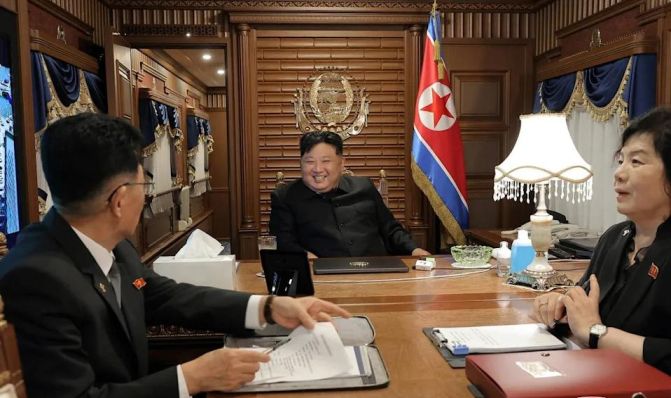
In what is almost like a new Cold War, the
battle is not just over emissions, energy markets, trading systems, and
technology. Nor is it just about sovereignty or identity. Rather, it is
about the metabolic basis of modern civilization in a warming world. This
reshuffling of alliances is ultimately about competing visions and
narratives of modernity, over what it takes to modernize, to survive, and to
flourish. Will the future be forward-looking, green and bravely planetary -
or will it be backward-looking, carbon-intensive and stridently
sovereigntist? The Coming Ecological
Cold War Decarbonization Isn’t Just About Technology and Markets - It’s a
Geopolitical Revolution.

By touting Beijing’s military and diplomatic
might, Chinese President Xi Jinping hopes to shift away from the U.S.-led
global system. Xi’s New World Order.
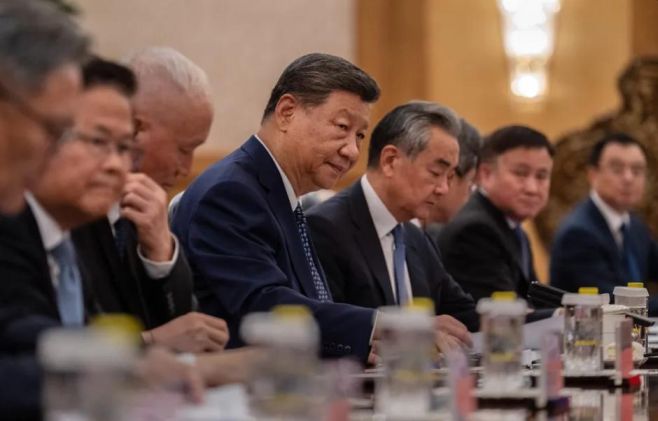
|
The United States should make good on its
legacy of being Israel’s closest friend. Policymakers and American citizens
should consider that what is deemed today to constitute a pro-Israel stance
could well be judged differently by history. It is in the interests of
Israel and the United States alike to try to bring about a Palestinian
state before the possibility disappears forever. It is literally now or
never. A Palestinian State Would Be Good for Israel. The Chance for a Two-State Solution Still Exists, but
Won’t for Long.

What the Victory Parade in China concerns it
was not the current Communist Party in China that won WWII, but the Nationalist Party under Chiang
Kai-shek.
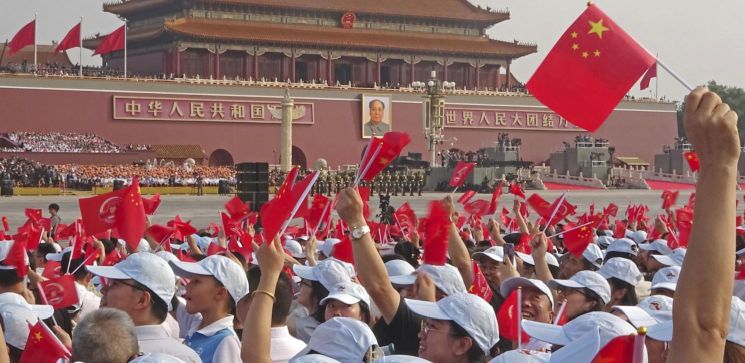
China has held a massive military parade to
commemorate 80 years since Japan surrendered at the end of World War II.
North Korea's Kim and Russia's Putin were at the event hosted by China's
Xi. As U.S. Adversaries Bond in Beijing, Trump
Grows Frustrated With Putin.
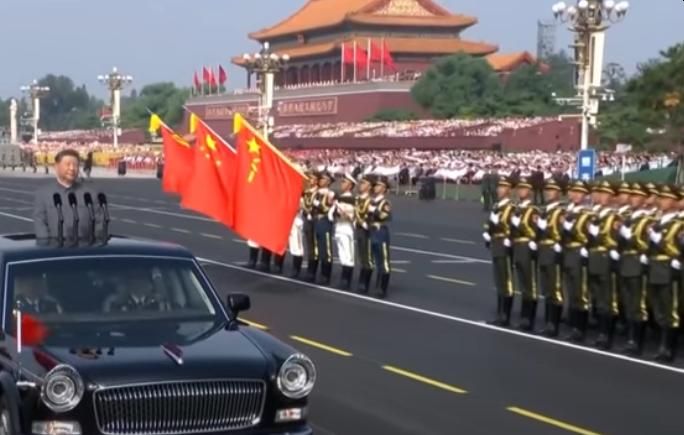
Whether that will happen with the current
occupant of the Oval Office is unpredictable, but the strategic aim should
be clear. The realities of the emerging era have elevated the value of new
shared security arrangements. And India has emerged as one of the United States’
most consequential partners. The only thing harder than building and
formalizing a deeply significant relationship with India is not having one.
So, with no illusions, the United States and India should get to work. The Case for a U.S. Alliance With India: Washington
Should Draw New Delhi Closer, Not Push It Away.
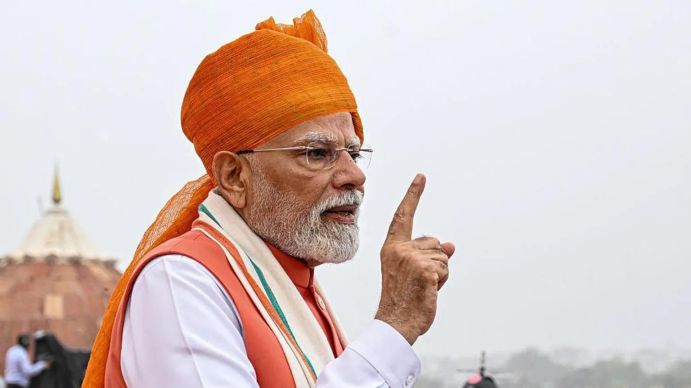
Thousands of US troops are on warships heading
to Venezuela’s coast. President Donald Trump says the move is part of his
administration’s fight against drug cartels that the United States has
labelled “terrorist organizations”. In response, Venezuelan President
Nicolas Maduro has ordered troops to the border and called on citizens to
mobilize to defend the country. Is Trump’s
Aggressive Move About Fighting Drugs or a Signal of Broader US
Intervention?
Unskilled leaders will not prove capable of
managing the economy, prudently steering policy, or generally delivering
results. To defeat them, however, opponents must offer more than mere
rejection and condemnation. They must offer a promise that inspires popular
faith in a government that can govern effectively. Ungoverning America: The Logic Behind Trump’s Assault
on the Administrative State.
Tehran may yet find itself with an
opportunity for a do-over, and if it does, it may well take the North
Korean approach and not stop until it gets to a bomb. In doing so, it may
find its own path to an insurance policy for a new, chaotic nuclear age. Paradoxically,
Washington’s military action against Iran’s nuclear program may have
hastened, hardened, and hidden the march of would-be proliferators toward
the bomb. The Real Winner of Israel’s
12-Day War: Aspiring Nuclear Powers Will Look to North Korea, Not Iran.
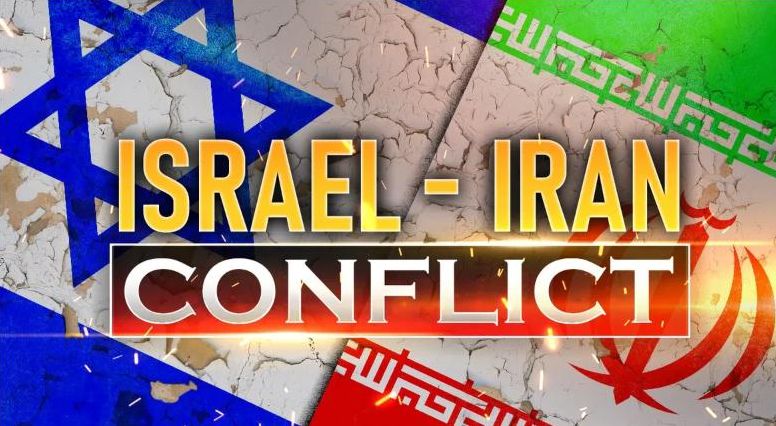
No one knows what Russian President Vladimir
Putin was hoping to achieve when he embarked on a nine-hour flight from
Moscow to Alaska to meet U.S. President Donald Trump last month. But it’s a
safe bet that he was looking to avoid the additional sanctions on the
Russian economy that Trump had vaguely threatened several times - and
perhaps get relief from existing sanctions or even some lucrative U.S.
investment deals. Russia-Ukraine War: Putin's
Fear of an Economic Crisis Offers Sanctions Leverage for the West.

Izz al-Din al-Haddad, the leader of Hamas’
military wing, said recently that if he cannot get what he described as an
honorable deal to end the war with Israel, then the conflict would become a
war of liberation or the group would face “martyrdom,” according to a
senior Middle Eastern intelligence official familiar with al-Haddad’s
thinking. A Deal They Can Live With: Why
Hamas Refuses To Give Up Fighting Israel in Gaza.
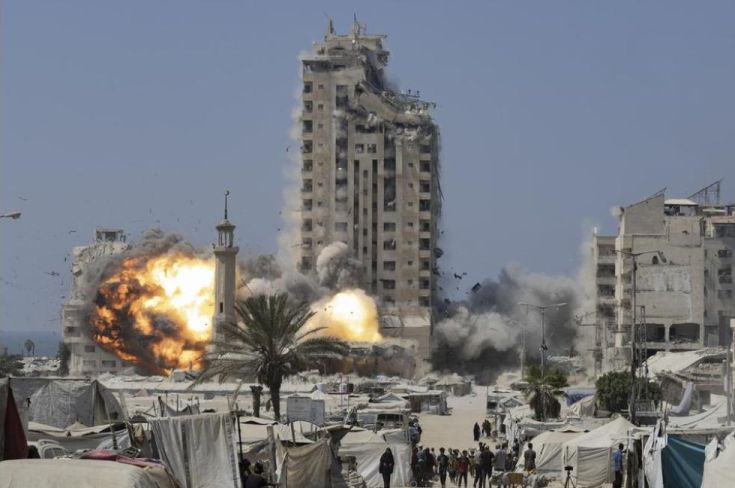
US Navy SEALs killed North Korean civilians
during a botched mission: US Navy SEALs
Killed Several North Korean Fishermen.
|
|
|
|
The system of nuclear deterrence that has been
in place since the end of World War II cannot be taken for granted. As
political rivalries and the growing competition for AI supremacy heat up
between the world’s great powers, it is more important than ever to
maintain channels of communication and pathways to reduce the risk of
inadvertent escalation and calamity. The End of Mutual Assured Destruction?
Nuclear Deterrence Is the
Existential Threat, Not the Nuclear Ban Treaty.

Ukraine must be part of the peace solution,
Zelensky says ahead of Trump-Putin meeting. Ukraine Will Not Give Up Land.
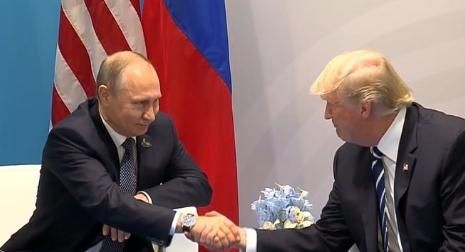
Xi Jinping Deepens Military Purge as Top PLA
Posts Remain Unfilled. The Vacant Positions Expose
Dangerous Institutional Instability and Concerning Leadership Purges Within
China's Military Hierarchy.
Airpower is a unique instrument of strategic
leverage. In the modern era, air superiority is not just a prerequisite for
joint success; it can be the decisive factor. In other words, Israel’s air
campaign did not just set back Iran’s nuclear program. It reaffirmed that
airpower can be the foundation of modern military success. U.S. defense
planners should pay attention. Investing in air superiority is not optional
for American security. It is essential. Israel
and the New Air Superiority: The Real Lessons of the Strikes on Iran.
Whatever the benefits of the postwar global
trading system - for growth, poverty alleviation, consumer welfare, and
more - there were, at the end of the day, losers as well as winners.
Neither the costs nor the benefits were equally shared, and the
distributional issues rarely got adequate attention from policymakers.
These downsides will remain even in the best-designed system, and it will
be essential to find better solutions for the harms. Any new system must
come with an accompanying set of domestic policies designed to ensure that
American workers and communities can thrive in a rapidly changing economy,
whether that change comes from trade, technology, or immigration. Past
administrations have made modest attempts at place-based economic
development and worker retraining, but never with the seriousness of
purpose or degree of prioritization that will be necessary. After the Trade War: Remaking Rules From the
Ruins of the Rules-Based System.
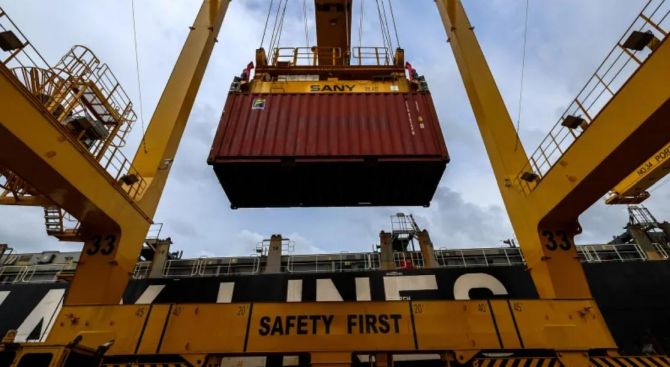
The fact that targeted, well-managed
immigration policies are more popular than purely humanitarian approaches
does not preclude helping those in need. But efforts to assist refugees and
displaced people must also demonstrate their benefits to society to avoid
backlash. Governments are more likely to gain public support when they
strictly enforce immigration rules, quickly provide accepted refugees with
the right to work, match them to open jobs, and expand the role of
communities and private companies in sponsoring new arrivals. When willing
citizens and employers share the costs, everyone - including politicians,
workers, and even asylum seekers - can also share in the benefits. How to Win on Immigration: Targeted Policies That
Benefit the Economy Can Counter Rising Populism.
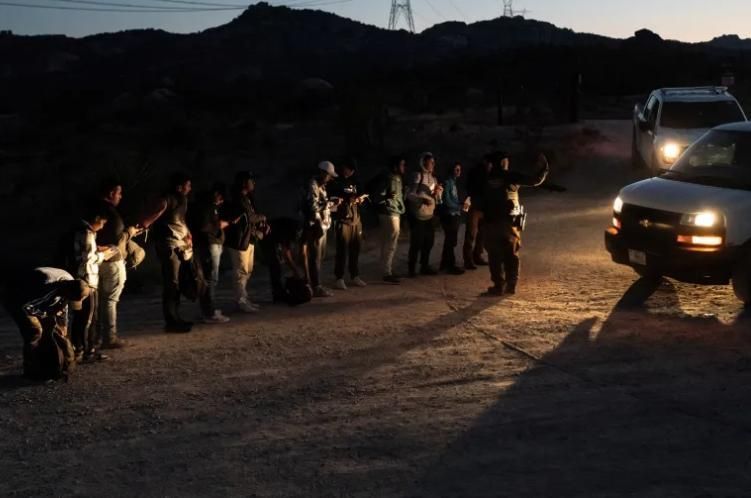
Historians often call World War II a “war of
factories.” The same is true for the war in Ukraine today. Ukraine produced
more than two million drones in 2024 and plans to make over four million by
the end of 2025. Its adversary is also getting better at drone production:
last year, Russia was building 300 Shahed drones a month. Now, it can produce
5,000 in the same time frame. The side that consistently builds the most
drones is the one most likely to prevail. And it is in the interest of the
West, and of the United States in particular, to support the Ukrainian
people in their dogged determination to win that fight - not only for
Ukraine’s sake, but also for its own, so it can learn to reckon with this
new reality of war. The Dawn of
Automated Warfare: Artificial Intelligence Will Be the Key to Victory in Ukraine,
and Elsewhere.
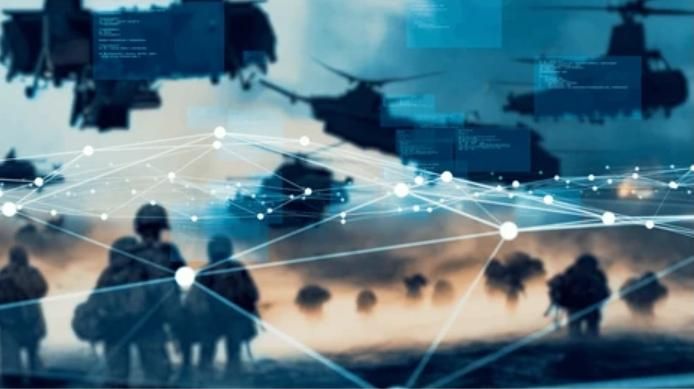
European leaders have warned against
Ukrainian borders being redrawn by force, two days before a US-Russia
summit on Ukraine is due to take place in Alaska. Ukraine's Borders Must Not Be Changed by Force, EU
Leaders Say.
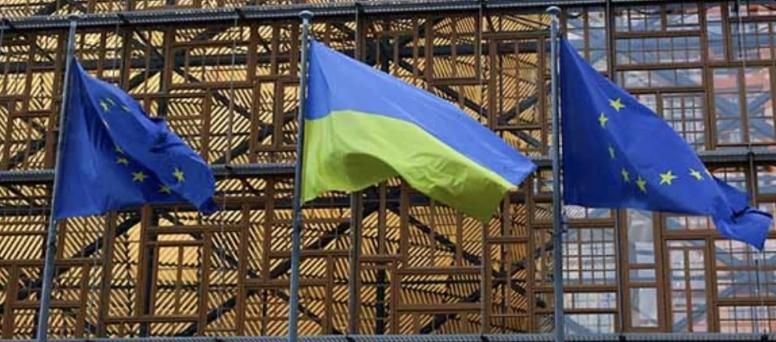
Since October 7, a growing political
consensus has emerged in Israel around the view that military might is the
exclusive basis for Israel’s survival. There were no dissenting voices
during Israel’s war with Iran in June. Israel’s Emerging Occupation Consensus
Despite Misgivings About Netanyahu’s Gaza Plans, Most Israelis Support His
Approach to the Palestinians.
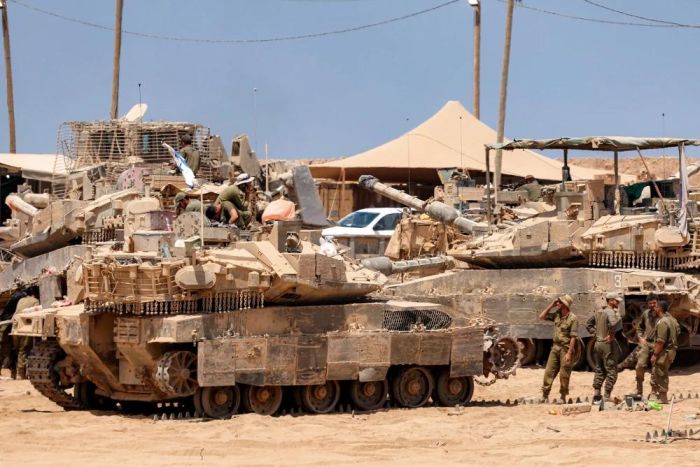
The very inadequacies of multi-alignment may
push India to become only more multi-aligned. If Washington is not a viable
or reliable partner, New Delhi will seek and cultivate other partnerships.
Trump’s outreach to Beijing and Moscow will now prompt New Delhi to follow
suit, reversing India’s earlier policy of gradually distancing itself from
China and Russia. The Shocking Rift Between
India and the United States: Can Progress in the Partnership Survive Trump?
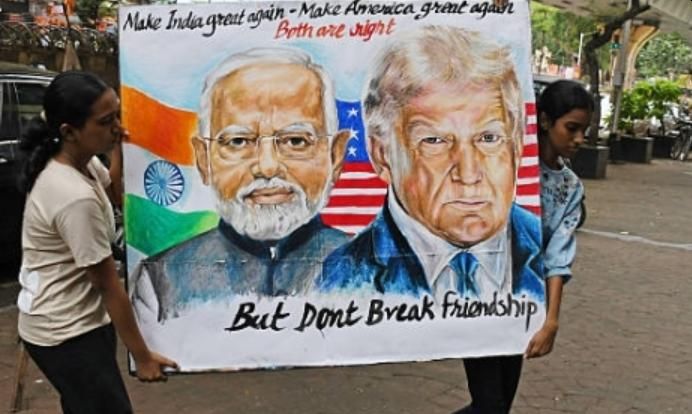
There are reasons the United States has
lagged in bolstering its cyberdefenses, including political obstacles as
well as technological ones. Congress has shown little appetite for
extending the legal authority and sustained investment that comprehensive cyberdefense
requires. Private companies resist mandated security requirements that
increase costs. China Is Winning the
Cyberwar. America Needs a New Strategy of Deterrence.
For the thousands of Ukrainian POWs and
civilians in Russian custody, each passing day brings more brutality,
torture, and indignity. For the thousands of Ukrainian children deported to
Russia, each day in exile erodes their connection to their Ukrainian
families and identity. And for imprisoned Russian war critics, each day
behind bars compounds the injustice they face. The fate of Russia’s war
captives is a humanitarian issue that can be resolved soon. The First Step in Negotiations With Russia,
Freeing Detained Ukrainians, Including Children, Can Smooth the Way for
More Difficult Talks.
As Beijing looks toward the next stage of
dealmaking, it remains on edge about which version of the Trump
administration will emerge. Beijing wants face-to-face negotiations with
Trump, focused on economic and trade issues, to tie his hands with a commitment
to positive and friendly U.S.-Chinese relations for the next three years at
least. But its plan could backfire. China’s inflated sense of empowerment
on trade could leave its policymakers too comfortable, which could provoke
a harsher U.S. response and send bilateral relations back into a tailspin
of mutual distrust and hostility. China
Is Enjoying Trump 2.0: How the Trade War Is Helping Beijing Prepare for
Long-Term Competition.
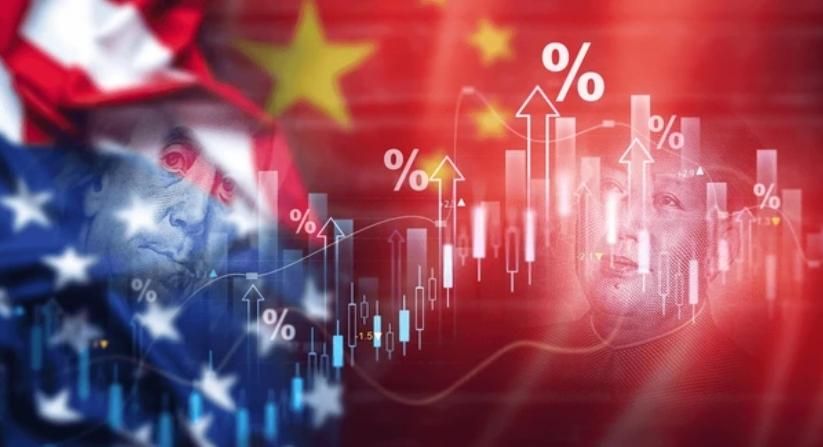
Concerning the meeting with President Trump
in Alaska. Putin does not agree to peace in Ukraine if his demands are not
being met, and has warned of economic sanctions if his meeting on Aug 15
proves fruitless. Hence, Russia is likely to resist Ukraine and Europe’s
demands and has previously said its stance had not changed since it was
first detailed by Putin in June 2024. Ukrainian
President Volodymyr Zelensky and His European Allies Have Intensified Their
Efforts This Week to Prevent Any Deal Between the US and Russia.

It
was the first time Putin was invited to a Western country since he ordered
the full-scale Russian invasion of Ukraine in 2022. Putin faces an arrest
warrant issued by the International Criminal Court for alleged war crimes.
It was also the first time that a Russian presidential visit to the United
States was held on a U.S. military property. The Aug 15 summit, the first
Russia-US summit since June 2021, comes at one of the
toughest moments the Ukraine in the war. The
Follow-Up to Our Comment Yesterday.
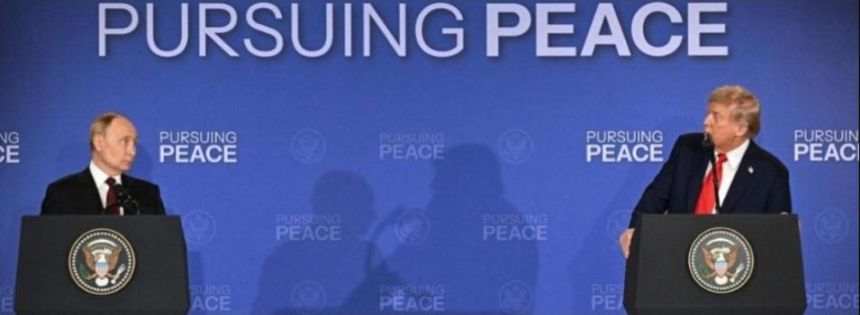
|
Despite Trump’s claim to have made “a lot of
progress” and that the summit was a “10 out of 10,” all signs point to a
huge win for the Russian autocrat. Putin’s
Wins Leave Trump With Hard Choices.
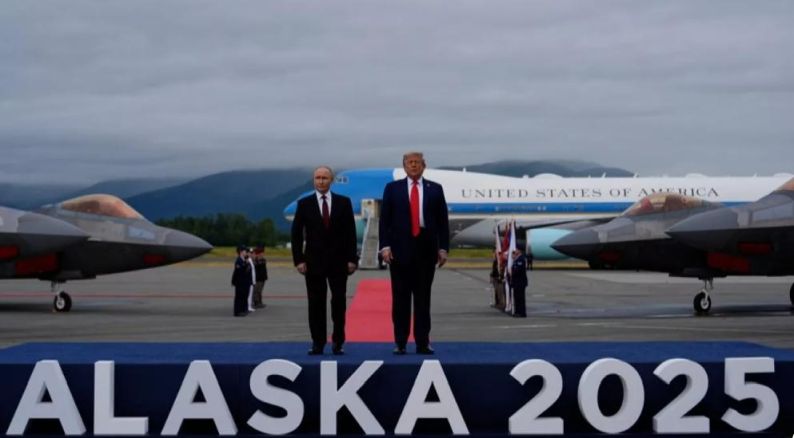
Myanmar is undergoing fragmentation: large
parts of the country, including most of Myanmar’s international borders,
are now under the dominion of various ethnic armed groups. Now Myanmar's Military Junta Is Rebranding Itself
to Hold Elections.

For more than 40 years, the PLA has been a
peacetime military unbloodied by actual conflict. Without challenges or
tests of loyalty, Xi knows it is at risk of growing complacent. He wants a
military that is inured to such trials and ready to take on the most
difficult missions, whether that is punishing its purported compatriots in Taiwan
and fending off a potential U.S. intervention, or even employing violence
to protect the party from its fellow citizens. Why Xi Still Doesn’t Have the Military He Wants
China’s Force Has Been Remade, but Can It Be Trusted?
The Kremlin is likely to persist in these
efforts until international actors understand that the fight for Ukraine is
also a fight for the future of the Black Sea. Efforts to end the war must
be paired with a robust strategy to prevent Moscow’s dominance in the
greater Black Sea region. North American and European policymakers should
prioritize initiatives designed to improve the region’s democratic
governance and economic development and ensure the secure production and
transit of commodities. Russia’s Imperial
Black Sea Strategy: Maritime Power and the Quest for Regional Dominance.
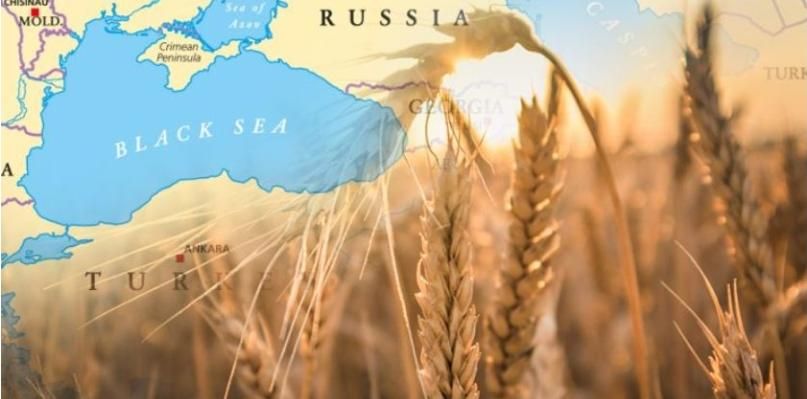
American officials and many intellectuals
perceived the age of weaponized interdependence and the age of American
hegemony as the same. Such assumptions now seem outdated, as other
countries gain these weapons, too. As during the nuclear era, the United States
needs to turn away from unilateralism, toward détente and arms control,
and, perhaps in the very long term, toward rebuilding an interdependent
global economy on more robust foundations. A failure to do so will put both
American security and American prosperity at risk. The Weaponized World Economy: Surviving the New
Age of Economic Coercion.

China’s model has worked because its
policymakers have gotten a lot of things right and have given Chinese
entrepreneurs the conditions for success. The country may have problems,
but it will continue to be effective. And the longer it succeeds, the more
the United States and its allies will deindustrialize under pressure from
Chinese firms in energy, industrial goods, and perhaps even artificial
intelligence. If the United States is to compete effectively, its
policymakers must spend less time worrying about how to weaken their rival
and more time figuring out how to make their country the best and most
vigorous version of itself. The Real China
Model: Beijing’s Enduring Formula for Wealth and Power.
Europe is helping Ukraine by increasing
military aid, although it must pick up the pace. But on the whole, the world
is not yet giving Kyiv the support it needs to contemplate a deal.
Diplomats can profess that they are making progress. Yet no statement,
summit, or social media post can substitute for actually understanding
Ukraine’s demands - and creating a strategy that meets them. Ukraine Will Not Be a Pawn. Any Deal to End the War
Must Respect the Country’s Independence.
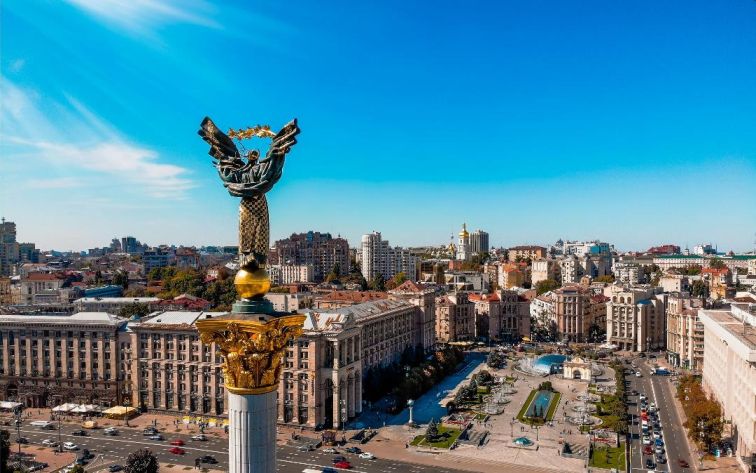
During the Alaskan summit, Putin matched
Trump’s performative diplomacy with performative negotiations, essentially
tricking the Trump administration into believing that he was making serious
concessions. According to Trump and various U.S. officials, such as
Witkoff, Secretary of State Marco Rubio, and Vice President JD Vance, Putin
signaled in Alaska that he was ready to climb down from some of his
maximalist demands - demands that were absurd to begin with. Putin’s Play for Time: How Trump’s Performative Diplomacy
Strengthens Russia’s Hand.
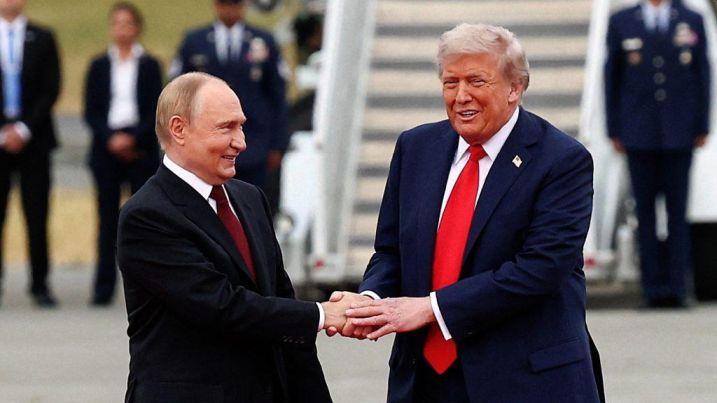
The collapse of the Weimar Republic was not
inevitable. The Nazi Party never garnered anywhere near a majority of the
German electorate’s support, winning just over 30 percent of the vote in
the republic’s last free and fair national elections. Mainstream political leaders
had many opportunities to push back. But Hugenberg believed he could use
Hitler to revitalize his conservative movement. Von Papen believed he could
control Hitler after making him the chancellor. Kaas believed that
capitulating to Hitler’s demands would protect his party and buy time for a
more significant resistance. They Were All
Wrong.
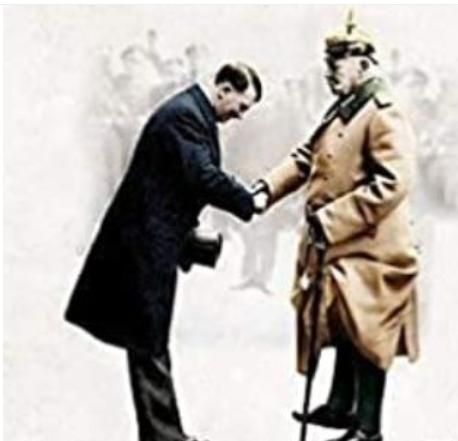
The Trump administration believes that the
12-day war has inflicted enough punishment on Iran to force true
soul-searching among Iranian leaders. But if Tehran is to arrive at the
right conclusions - and feel able to relinquish its nuclear ambitions and its
aggressive regional policy - then it must see diplomacy as a credible path
to realizing gains that have thus far eluded it. As unlikely as it may
seem, Trump’s bombing campaign could lead to a breakthrough, but only if
both countries can put their history of missteps behind them and approach
diplomacy with vision and patience. Iran’s
Roads Not Taken: Tehran, Washington, and the Failures That Led to War.
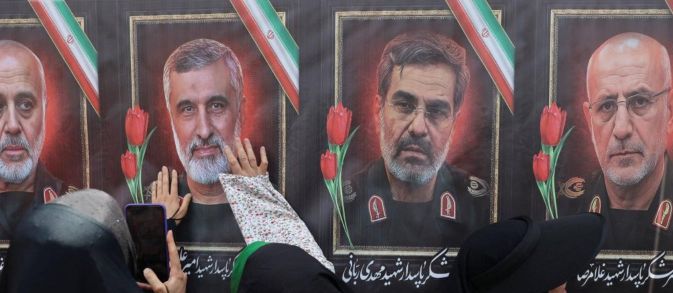
Negotiating an end to the war in Ukraine
remains a long shot. But if any diplomatic resolution brokered by the United
States and Europe is to have a chance, it will require an approach from
Trump more disciplined and creative than he has shown so far. He must not
only convene two separate negotiations; he must get the order right. How to Arm Ukraine for Negotiations for a Durable
Peace, Trump Must Get the Order of Talks Right.

It would be an extraordinary outcome if governments
and academic communities could collectively scan the horizon for
biosecurity hazards and identify risks before they materialize. Such
efforts offer a unique opportunity to chart the course of scientific
progress, steering the allocation of resources away from possibly dangerous
goals, improving countermeasures and preparedness for biological risks, and
in the process, laying the foundations for a better, safer future. What to Do About “Mirror Life”? The Promise and
Peril of a Startling New Technology.
It may not prove possible to negotiate an
agreement with the strict limits on enrichment and the rigorous monitoring,
inspection, and enforcement measures needed to reliably block Iran’s
pathways to acquiring nuclear weapons or to resuming its status as a
threshold nuclear-weapon state. In that case, the Trump administration will
have little choice but to leave the negotiating table and turn to military,
economic, and other coercive tools to eliminate the Iranian nuclear threat.
The Path to a Good-Enough Iran Deal: How
Washington and Tehran Can Bridge the Gap on Enrichment.
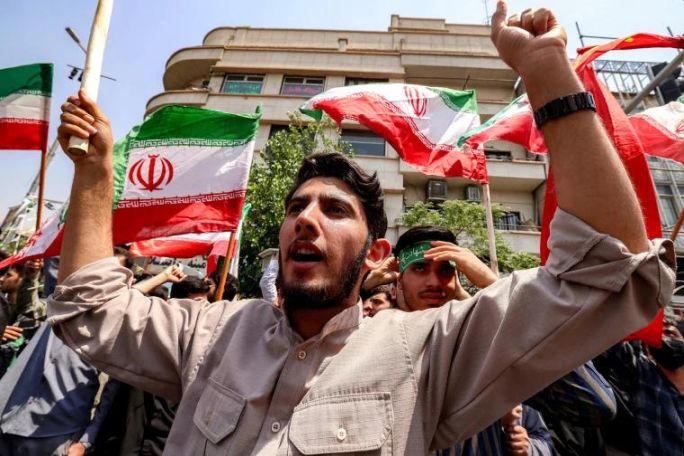
Thailand’s Prime Minister was dismissed. Here is the Background Why.

The
American-raised Pope has this to say:

Moscow still portrays Ukraine as surviving
only through Western aid, not as an independent state. But as Ukraine marks
34 years of independence, it is increasingly clear that it is its own resilience,
as a state, a society, and a military power, that has allowed it to
survive. The real lesson of the past six months is that no one is fighting
this war except Ukrainians themselves. The Real Limits of Ukrainian Power: How
Democratic Unity May Determine Military Survival.

European Union foreign policy chief Kaja Kallas
said on Saturday it was not possible to imagine giving back Russian assets
frozen inside the bloc due to the war in Ukraine. Moscow To Pay Reparations.

|
|
|
|
Shimon Peres was ridiculed for talking about
a new Middle East based on economic cooperation and regional integration
built on a foundation of peace with the Palestinians. But talk of a new, peaceful
Middle East today, one based on Israeli military dominance with no
political horizon for Palestinians, is no less fantastical. And worse, it
will be far more dangerous, bringing Israel right back to where it started.
Israel’s Squandered Victory Gains
Against Iran Won’t Translate Into Regional Peace.
Taiwan’s leaders might be able to heal the island.
Defending its current democratic system and way of life, after all, is the
one thing that most Taiwanese agree is essential. Finding some points of
consensus on this fundamental issue might thus be the first step toward
overcoming polarization. Taiwan’s
Democracy Is in Trouble: How Polarization Undermines Security.

The 17th BRICS summit was held in
Rio de Janeiro, Brazil, on July 6-7, 2025. But without President Xi, the
top leader of its most powerful member. The Question That was asked is will
President Xi Jinping resign. The
Succession Question Obscuring China’s Future.
Whatever the outcome of the current
tensions, Tigray has a long road to recovery. Ultimately, rebuilding the region
will require sustained effort to rebuild accountable institutions and civil
society, as well as the economic foundations needed to provide lasting
stability. None of this will be possible, however, if there is another war.
The most urgent task today is to prevent that from happening. Ethiopia’s Tigray Temptation: Only America Can Prevent
a New War in the Horn of Africa.

|
Brokering a new U.S.-Iranian deal would be a
herculean task. To do so, the Arab Gulf states must exercise every lever of
influence available to them in Washington, Tehran, and Tel Aviv to take the
region off its war footing. Their futures depend on it. The Middle East’s New Intermediaries: Can the Gulf
States Broker Peace Between America, Iran, and Israel?

Israel’s military deterrence has shown the
capacity to defend itself and to deter its enemies. But this alone cannot
dismantle Iran’s proxy network and deliver Israel lasting peace and
security for its future generations. Only a regional agreement with strong
international backing that ultimately yields a viable two-state solution
can preserve Israel’s security and Jewish-democratic identity, end the
cycle of violence, and transform the Middle East from a battlefield into a
zone of cooperation. This is not utopian idealism. It is in the interest of
regional and international actors. And for Israel, it has become a
strategic necessity. Israel is Fighting a
War It Cannot Win. Only a Path to a Palestinian State Can Stop Calamity in
Gaza.
With Iranian power and influence waning, and
with the challenges of an ascendant China and a recalcitrant Russia
necessarily dominating the American national security agenda, indifference
may appear to be the most appealing option for Washington. This would be a
mistake. The world stands on the precipice of a dangerous era of nuclear
proliferation that risks expanding the geography of catastrophic risk. It
is essential to devise a diplomatic pathway that reimposes transparency on Iran’s
nuclear enterprise and creates a way to escape the escalatory storm that
lurks just below the surface of the uneasy postwar calm. Iran’s Dangerous Desperation What Comes After
the 12-Day War.
Israeli media reports have suggested that
Prime Minister Benjamin Netanyahu was seeking to occupy all or parts of
Gaza not yet under Israeli control. The Current Devastation of Gaza.

|
|
|
|
The total blockade of merchant ships brings
the economy to a standstill in a country that exports most of the latest
generation of electronic chips. Financial
Markets Panic, Tech Prices Plummet, With Global Repercussions.
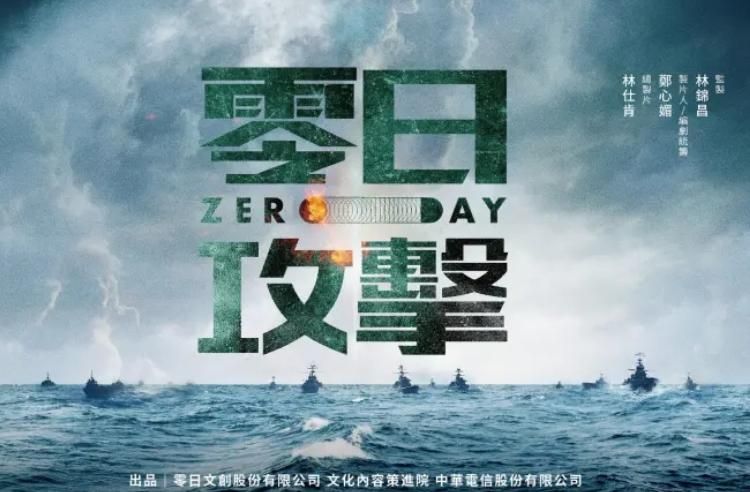
With no political solution in sight, Israel
will likely continue its “mow the grass” approach to Gaza and the wider
region. It will focus on reducing the capacities of its enemies,
acknowledging that any military campaign will have only temporary effects
and that Israel will eventually need to do it again and again to keep the
threat from growing back. Such a strategy may succeed in protecting Israelis
from terrorist violence. But it will invariably harm civilians and reduce
the chances of a political settlement in the long term. In seeking to
protect itself from terrorism, Israel will be creating costly occupations
and forever wars that will drain its economy, worsen social divisions, and
deepen the country’s international isolation. The Intifada That Hasn’t Arrived: Why Have
Israel’s Recent Wars Led to Little Terrorism and No Mass Uprising?
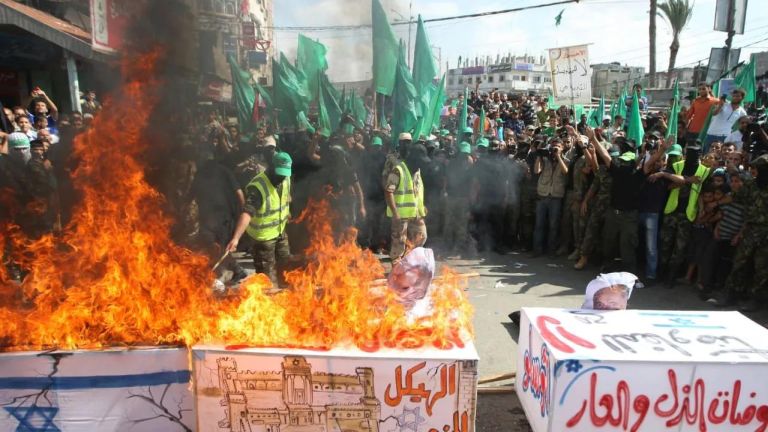
A pluralistic, multilateral global order
might not quite live up to liberal aspirations, but it would foster
transnational cooperation and would be more adaptable, responsive, and
resilient. By decreasing the chances of catastrophic conflict between major
powers and tackling a key set of global challenges, such an order would
help maintain a world in which liberal democracy could flourish. It is the
best we can hope for - and it would be quite enough. Liberalism Doomed the Liberal
International Order: A Less Legalistic System Would Help Protect
Democracies.

China investigates the head monk of the Daoist
Shaolin 'Kung Fu' temple. He has been stripped of his ordination
certificate amid the probe, China's Buddhist association said on Monday. A General Overview.
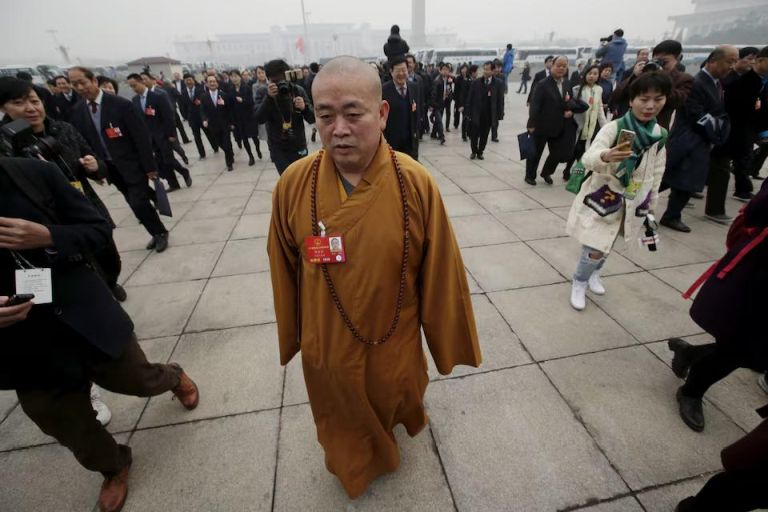
Further to
our comment from 25 July, Indonesian President Prabowo Subianto hailed
the ceasefire between Cambodia and Thailand as a “very significant” breakthrough
for Asean diplomacy. Countries With Similar
Backgrounds, Cultures, Religion, and Shared Roots.
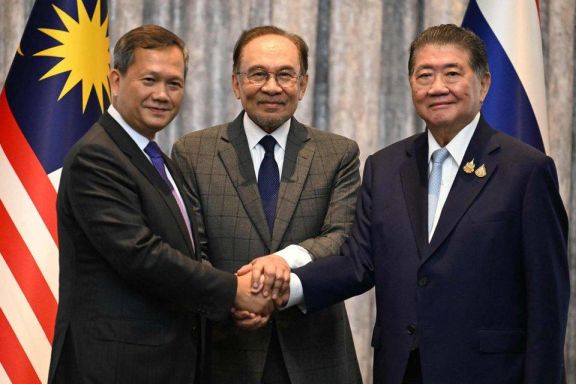
When it comes to Israel and the
Palestinians, Trump’s administration has already shown flexibility by
breaking with Washington orthodoxy to open channels of communication with
Hamas to secure the release of an American held in Gaza. Now, putting American
interests first requires brokering an immediate and permanent cease-fire in
Gaza. If Trump goes further, he might have a peace-prize-worthy
achievement, but not if Gaza starves. The US
Can Still Use Its Leverage to End the War in Gaza.
Indian policymakers must recognize that a
multipolar world order simply means the rise of China and Russia at the expense
of U.S. global influence and power. Rather than supporting this process, or
standing by as it unfolds, India should help the United States thwart it.
The best way for India to make up for its failure to keep pace with China’s
economic growth and military might is to commit more fully to a rules-based
order that it can help shape but is unlikely to lead. This means getting
closer to the United States and investing heavily in the Quad. What Kind of Great Power Will India Be?
|
When we earlier mentioned that Anwar
Ibrahim, the President of Malaysia,
following the most recent clashes between Cambodia and Thailand, was
able to create a 'truce' with a conflict that has gone on for decades is
only temporary as none of the causes that led to this renewed conflict has
been solved. The Thailand-Cambodia
Border Dispute.

China has tried to stay neutral or even
passive in a war it neither anticipated nor welcomed. But this approach has
not reduced tensions. Instead, and contrary to China’s wishes, the war has
further entrenched great-power antagonisms among China, Russia, the United
States, and Europe. No one has benefited from this outcome, least of all Ukraine.
But until the war ends, it remains unlikely that anyone can reverse course.
What Does China Want in Ukraine?
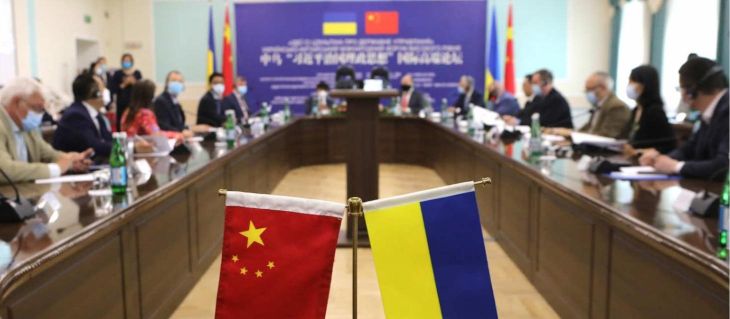
The fate of Taiwan’s democracy may well rest
in its ability to produce and store energy. If the island can stockpile
more of it and resurrect its nuclear reactors, it would be in a much better
position to withstand invasion or disruption. The United States should help
Taiwan improve its energy security, not just for the island’s sake but for
its own. Nuclear power could be key to keeping the lights on at the world’s
chip factory. Taiwan’s Achilles’ Heel:
Why the Island Should Shore Up its Energy Security and Resurrect its
Nuclear.
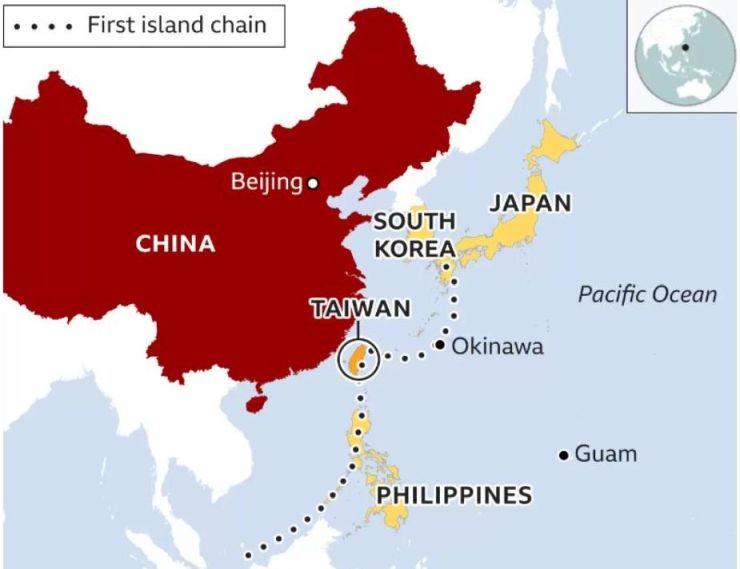
An 8.8 magnitude earthquake, one of the
strongest ever recorded, struck Russia’s Far East early Wednesday,
triggering tsunami waves in Japan and Alaska and prompting Pacific-wide
warnings. Tsunami Evacuations Ordered
Along the Pacific Rim.

The U.S. rollbacks were a disappointing setback
for climate advocates and many industries, and they will lead to higher
greenhouse gas emissions and weaken the United States’ technological and
competitive position in clean energy. But the strategy got many things
right, most notably its fracture of the traditional fossil fuel coalition
by giving major industrial players incentives to align with
decarbonization. That foundational principle will remain essential. Climate
policy is not just about environmental obligation: it can and should foster
investment, jobs, growth, and long-term competitiveness. Seizing this
economic opportunity is the way to build a political coalition that stands
a chance to sustain the green transition. Climate
Policy Is Still Good for Business: Why the Green Transition Will Survive
Cuts to U.S. Subsidies.
The American military has been seduced by its
operational and tactical successes but has fallen short of maintaining the
strategic edge it needs to succeed in the conflicts of the twenty-first
century. Without reevaluating the American way of war, no amount of new
drones will be able to defend the United States against wars it doesn’t
want to fight. How to Lose the Drone War:
American Military Doctrine Is Stifling Innovation.
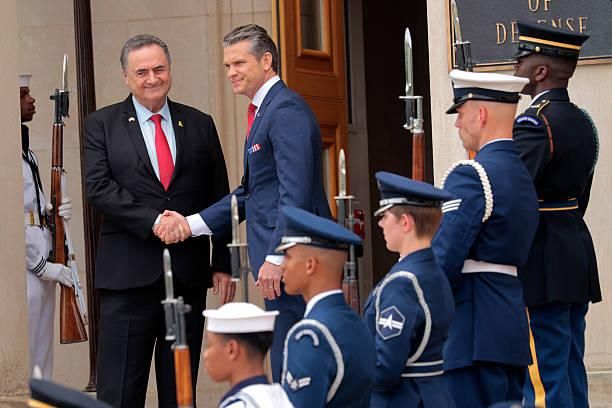
Hours before a deadline to strike trade
deals, the White House released new levies for dozens of countries, which
came into effect on 7 August. Donald Trump
Stunned the World By Announcing Sweeping New Tariffs on Imports.
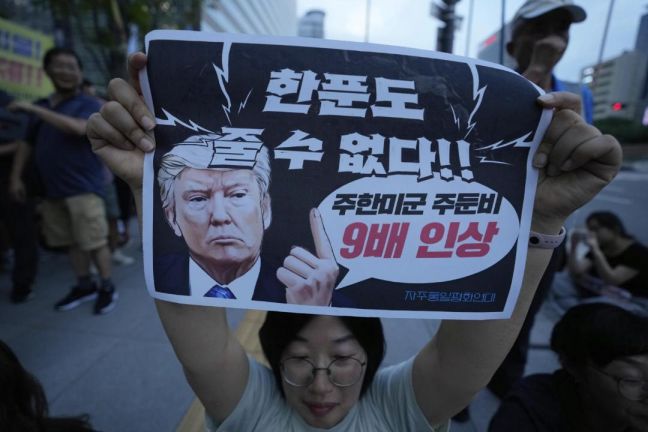
|
|
|
|
By promoting open-model development and
more carefully tailored export restrictions, Washington can also advance American
soft power. A stronger open model ecosystem in the United States, for
example, could provide U.S. allies and partners with attractive and
affordable alternatives to Chinese models, fostering innovation abroad and
reinforcing U.S. global influence. By taking steps to share AI’s benefits,
the United States can enhance its global image, even if this must be
carefully balanced with security concerns. If it fails to address China’s
growing soft-power lead quickly, however, the cost may be high: Chinese diffusion
of cheap, powerful AI capabilities - and the global clout that will
accompany it - could ultimately prove too hard to displace. China’s Overlooked AI
Strategy: Beijing Is Using Soft Power to Gain Global Dominance.

While Thailand has the numerical and
qualitative military advantage, Cambodia has at least one thing in its favor:
the actual land along the disputed border. Death Toll in Thailand-Cambodia Border Clashes
Hits 32, Over 130 Injured.
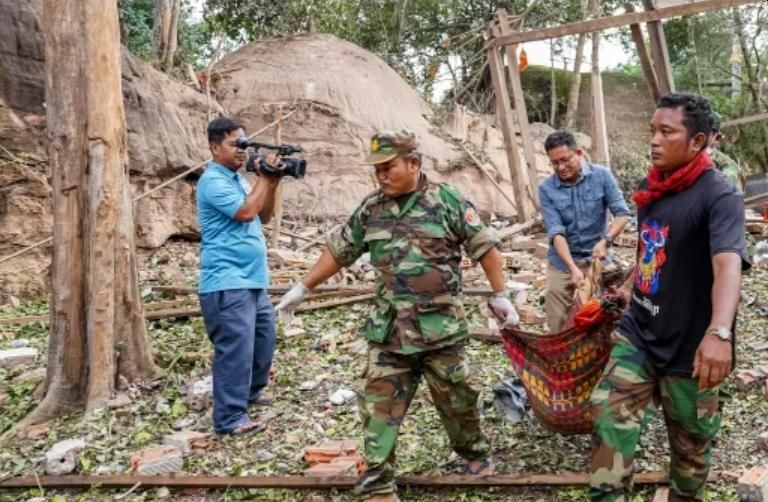

|
Malaysian Prime Minister Anwar Ibrahim said that he had been in direct
communication with his counterparts in Thailand and Cambodia. Cambodia and
Thailand. War In Process.

The initial success of Moscow’s Middle
East strategy once suggested that Russia could be a valuable geopolitical
partner. That it eventually failed so completely should dissuade Trump and
others from courting its architect. The Real Meaning of Putin’s Middle East
Failure: Russia’s Allies in the Region Couldn’t Count on Moscow, and
Neither Should China.
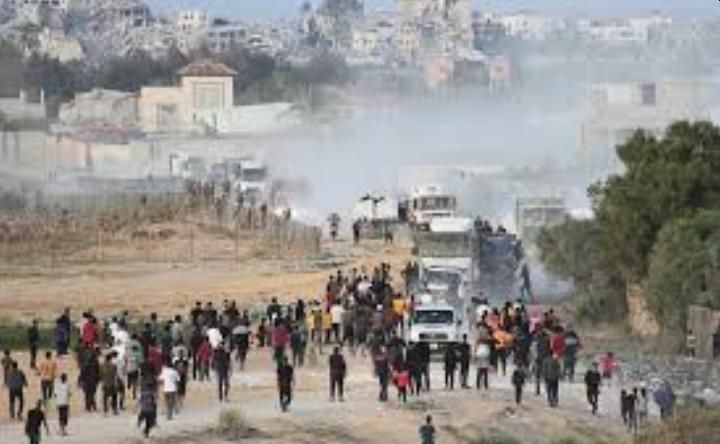
Cambodia and Thailand have traded
accusations of artillery attacks hours after United States President Donald
Trump said both countries had agreed to hash out a ceasefire. Cambodia Is Continuing
To Attack Thailand and Deploy More Weapons Near the Border Despite its
Claimed Intention To Cease Fire.
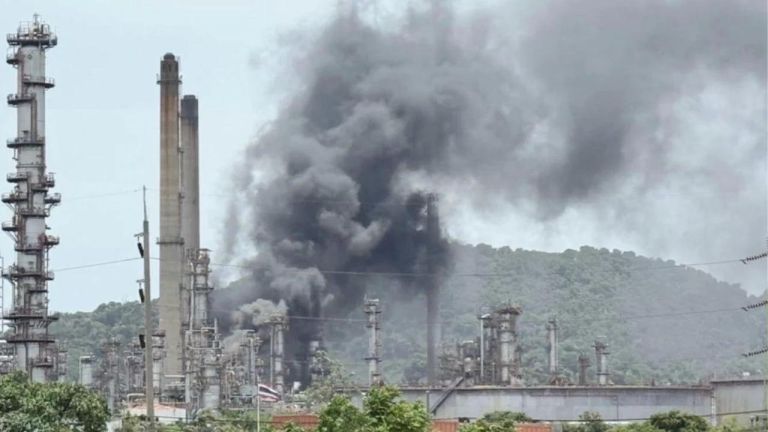
|
|
|
|
It takes time for history to reach its
destination, and not before it sets out on many false trails. The years
that lie ahead will not reflect tidy plans and rigorous policy
prescriptions. They will be shaped by instinct and emotion, inspired by raw,
deeply-rooted yearnings for historical redress and vengeance. Iran: A History.
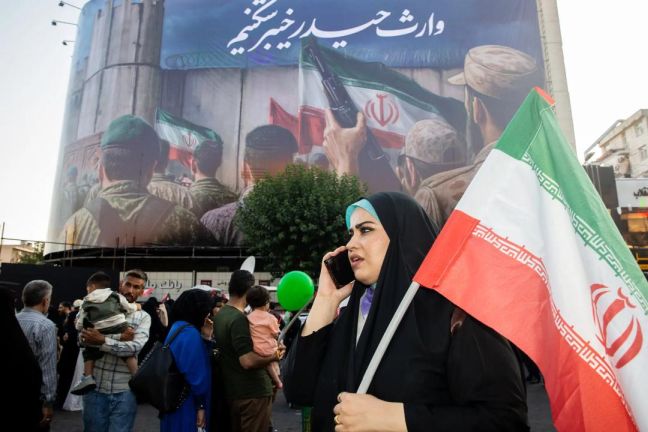
US authorities, including those from
several other countries, such as Singapore, stated that a China-linked
cyber group was and still is targeting critical American infrastructure,
including major telecommunications operators. How China’s Growing Cyber-Hacking
Capabilities Have Raised Alarm Around the World.

Syria's Information Minister Hamza
al-Mustafa on Saturday evening said that after the first phase of the
ceasefire, which began on Saturday and involved the deployment of security
forces to the province, a second phase would see the opening of humanitarian
corridors. Ceasefire calms Syria's Sweida after sectarian clashes kill 1,120,
displace 128,000. A Fragile Ceasefire Has Brought Calm to Syria’s Sweida
Province.
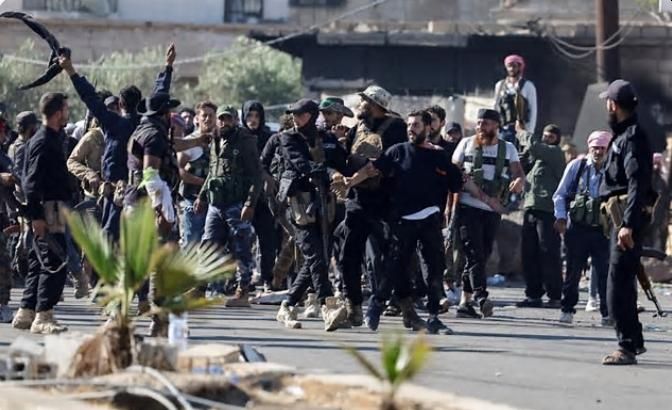
Former allies or uncommitted powers may
decide, as the Slovak Republic or Serbia have already done, that Putin’s
Russia is a better bet; others may bypass the United States with new trade
arrangements or, as is happening with European nations and Canada, sharing in
their own military production, planning, and mutual deterrence, on the
assumption that the United States is no longer a dependable ally. In a
harbinger of things to come, Canada has just shipped its first container of
liquefied natural gas to Asia. The British once called their position in
the world “splendid isolation” until they realized the costs were too high.
Trump’s United States may find that, in the dangerous twenty-first century,
those splendors are overrated. Making America Alone Again.
In the wake of intensifying international
suspicion regarding Iran’s nuclear ambitions, in June 2025, the United
States conducted a series of precision bombings against three of Iran’s key
uranium enrichment and related facilities. US Bombing of Iran and the Transition to a New
International Legal Order.
India will always contain an element of
Hindu nationalism. The question is not whether Hindu nationalism will be
part of India’s political landscape or not, but whether and to what extent
non-Hindus will be able to play a role. The question is whether India will
become an ethnoreligious nation-state like Israel or remain a formally neutral
state in regards to culture and religion, while also being deeply permeated
by the majority group’s customs, as is the case in France, Japan, and many
other countries. Why Hindutva Has Currently Peaked and What It
Means.

The United States has led the
pharmaceutical industry because of the collaboration among American
universities, entrepreneurs, and large drug firms, and an openness to
tapping the best talent from abroad. These attributes have enabled the best
ideas to emerge and develop into world-leading, life-changing commercial
products. Yet this resource is not inexhaustible; the president risks
squandering it through his cuts in funding for the National Institutes of
Health, hostility to international students, and attacks on research
universities. Diversifying and fortifying the pharmaceutical supply chain
is critical, but so is investing in the innovation needed to keep the
United States in front. America’s Pill Problem: Tariffs Won’t Fix the
Country’s Reliance on Foreign Medicines.
National security leaders don’t get to
choose their crises. They do, however, get to choose what to plan for and
where to allocate resources to prepare for future challenges. Planning for
AGI is not an indulgence in science fiction or a distraction from existing
problems and opportunities. It is a responsible way to prepare for the very
real possibility of a new set of national security challenges in a
radically transformed world. One Should Assume the Worst About AI: How To Plan For a
Tech-Driven Geopolitical Crisis.

Chinese military actions in Korea, India,
and Vietnam represent the largest use of armed force that the PLA has
undertaken since the founding of the People’s Republic. In all three cases,
political calculations trumped military readiness and favorable domestic
conditions. Chinese leaders viewed these operations as conflicts of
necessity, not choice or opportunity. Is China’s Military Ready for War? What Xi’s Purges Do -
and Don’t - Mean for Beijing’s Ambitions.
Though Trump continues to evaluate Sharaa
as a potential partner for security in the region, the Syrian leader he
once touted as a "young, attractive guy" with a "very strong
past" and "a real shot at holding it together" runs the risk
of alienating the White House should other factors outweigh the U.S.
president's calculus. Why Trump Hasn't Turned on Syria's New Leader Amid
Execution of US Citizen.
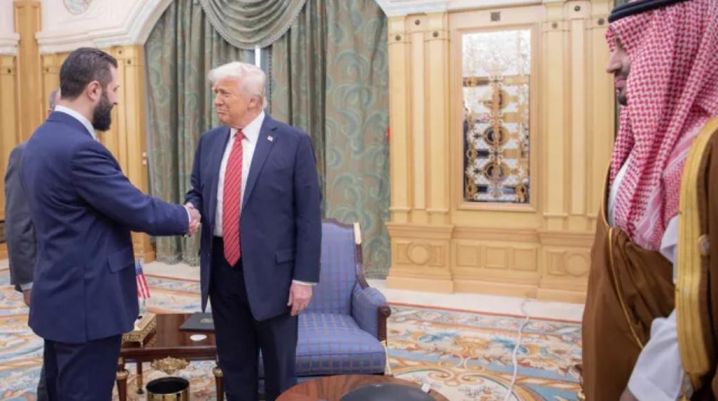
|
The second Trump administration may make
Beijing’s task easier if the punishing “Liberation Day” tariffs that it
imposed on April 2 on key ASEAN states, such as Indonesia, Malaysia, and Vietnam,
are not lowered significantly; if key U.S. officials fail to show up for
the annual ASEAN meetings; and if it acts on its threat to impose 100
percent tariffs on countries that have joined (Indonesia) or are moving to
join (Malaysia, Thailand, and Vietnam) BRICS, a coalition of non-Western
powers that includes China and Russia. Southeast Asia Is Starting to Choose Why the Region Is
Leaning Toward China.

A serious, well-equipped European
self-defense will be a more credible deterrent to a Russian attack than a
relatively weak Europe perpetually reliant on the United States. The
continent, after all, will always have a greater interest in fighting a war
over its territory than Washington has in fighting an ocean away. The era
in which the United States enjoyed wide latitude to project military power
all over the world is long over, and Washington cannot delay making
adjustments to avoid a cycle of overspending and relative decline.
Downsizing U.S. forces in Europe is a crucial piece of this rebalancing. With a Planned and
Focused Drawdown, The United States Can Allay European Fears of the U.S.
With the fissures that have already taken
root, there are few incentives for states or for the central government to
advance a meaningful set of reforms. Instead, a fractious federal politics
is likely to define India through the next decade - and likely to undermine
India’s economic aspirations. Perhaps even more significant, however, it
may weaken the very glue that first bound the country together and made its
democracy such a unique experiment - one that showed the world how plural identities
could be held together within the ambit of a nation-state. The Indian
System Is Breaking Down: How Centralization Is Undermining Federalism and
National Unity.
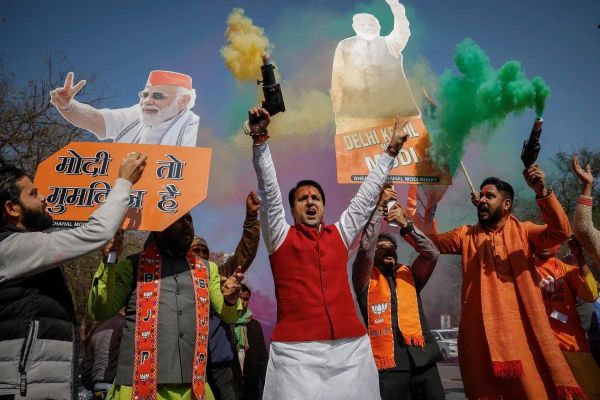
The era in which the United States
enjoyed wide latitude to project military power all over the world is long
over, and Washington cannot delay making adjustments to avoid a cycle of overspending
and relative decline. Downsizing U.S. forces in Europe is a crucial piece
of this rebalancing. With a planned and focused drawdown, the United States
can allay European fears of U.S. abandonment and retain influence with its
allies. How
U.S. Forces Should Leave Europe and Why Trump Should Start the Process Now.
Domestic political systems may not all be
to Washington’s liking, and many will want productive relations with
Moscow, Beijing, or Tehran. But these countries and their populations will
also resist the Kremlin’s attempts to incorporate them into a reconstituted
Russian sphere of influence. For the United States, preventing the region’s
domination by Russia or other revisionist powers means supporting
post-Soviet Eurasian countries’ pursuit of diversified economic and
political ties. Even though those efforts do not always happen on Washington’s
terms, their contributions to a freer, more open region align with
Washington’s strategic interests. Russia Is Losing Its Near Abroad: How America and Its
European Allies Can Help Erode Moscow’s Declining Influence.
China says ‘deeply concerned’ over deadly
Cambodia-Thailand border clashes. The conflict blazed up on July 24, with Cambodia
firing rockets and artillery shells into Thailand. Thailand Coup In
Process With Thailand's PM suspended.
Singapore
urges all parties in the Thailand-Cambodia border dispute to exercise
restraint
Even
as China rises and the United States retreats, Southeast Asians are not
willing to give up on Washington. Poll after poll shows that Southeast Asia
sees China as the most influential economic and strategic power in the
region, outpacing the United States by significant margins. But Southeast
Asians also harbor considerable reservations about how China might deploy
that power. Southeast Asia Is Starting to Choose Why the
Region Is Leaning Toward China.
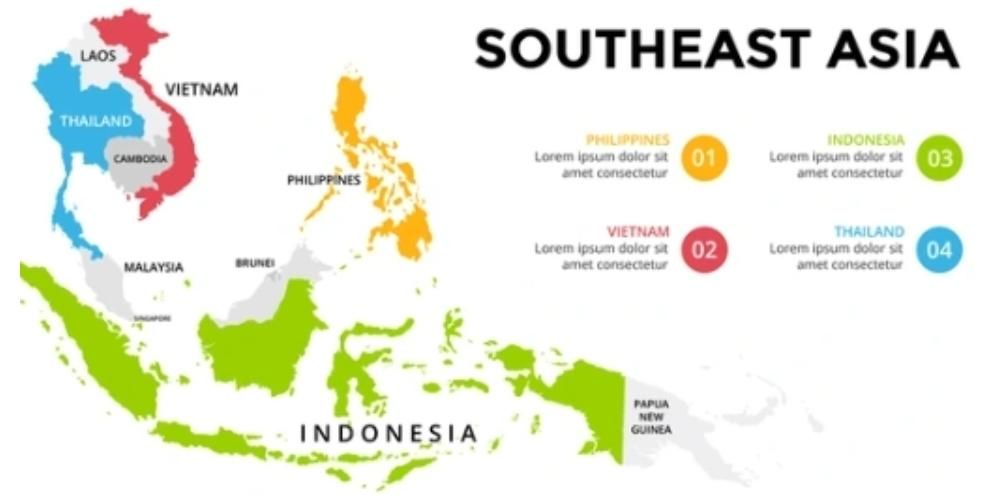
Population aging will not completely eradicate
war, as Russia’s invasion of Ukraine demonstrates. But it will reduce the
ability of governments to fight or gain widespread support for themselves.
All aging states, regardless of their revisionist ambitions or reliance on
military aggression, will have no choice but to face squarely the effects
of this demographic revolution. Demography goes a long way in determining
the economically and militarily possible. Aging, then, is likely to become
a powerful force for peace that has never before existed. The Coming Pax
Geriatrica: Aging Societies and Depopulation Will Lead to Fewer Wars.

Putin has shown Russia to be unreliable
even to dictatorships with long-standing relations with Moscow. It would be
an even less effective partner for Washington against China. Putin would provide
the United States and the democratic world the same resources that he
provided the theocrats in Tehran: nothing. So whatever approach Trump
ultimately decides to take with Putin, he should set aside the goal of
trying to peel Moscow away from Beijing. The Real Meaning of Putin’s Middle East Failure:
Russia’s Allies in the Region Couldn’t Count on Moscow, and Neither Should
China.
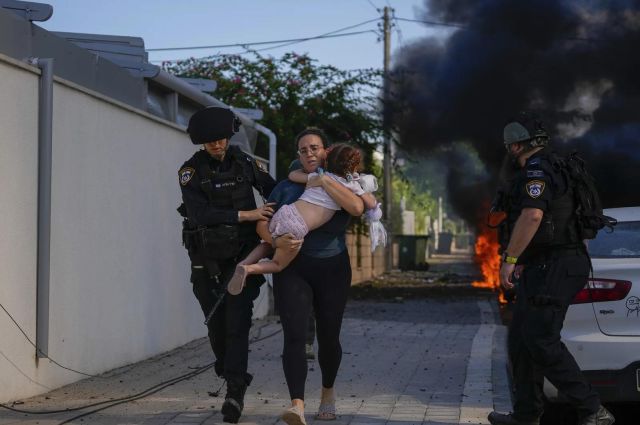
|
|
|
Bangladesh’s ousted Sheikh Hasina charged
with crimes against humanity. Former Leader, Who Is Hiding in India, Indicted
Over Deadly Crackdown on Anti-Government Protests Last Year.

A grand bargain can only work if Israel and
the United States align their strategies. The United States must allow
Israel to confront emerging threats and strengthen the region’s security
architecture. Israel, meanwhile, must help the United States shift its
focus and resources toward higher-priority theaters, such as the
Indo-Pacific. The Post-Iranian Middle East: America and Israel
Can Build a New Regional Order.

Recently, President Netanyahu addressed
the war with Iran and said that the IRGC “rushed to weaponize enriched
uranium after the fall of Hezbollah and the collapse of the axis.” “We saw
it. We said, within a year they will have a nuclear bomb – and they will
use it,” he continued. “Unlike other nuclear powers, they will use it, and
they will wipe us out.” The majority of Israelis support a comprehensive
agreement that would return all hostages and fallen soldiers in a single phase
in exchange for ending the war in Gaza. It Is Worthwhile to Look at How It All
Started.
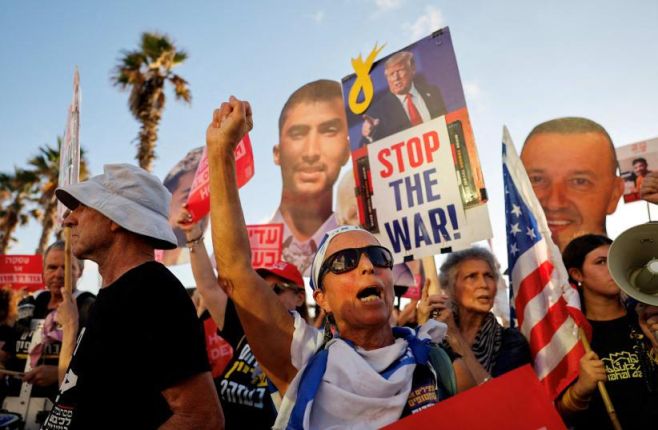
Visiting Baixiangju.

The likelihood of a ceasefire in Gaza could
turn on whether Israel meets a core demand of Hamas to stop a successful
effort to feed the Palestinian people. Feeding Gazans, Not Letting Hamas Extort Them, and
Paying a Price.
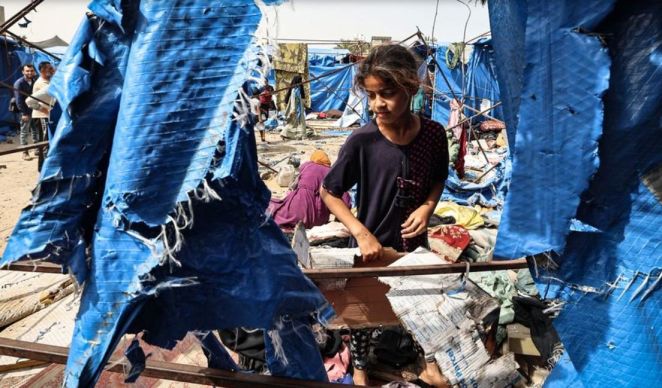
Victor Orban describes Hungary as being
at a crossroads. "There is a path leading to a democratic transition
from this semi-authoritarian, semi-constitutional system," he argues,
"and there is a despotic path leading to a dictatorship." But Just As He
Reaches the Height of His Fame Abroad, The Carpet Is Being Tugged from
Under His Feet at Home.
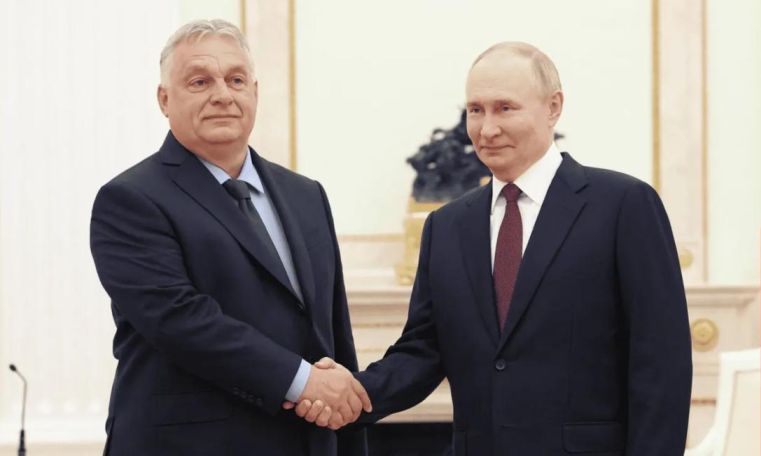
Experience shows that a wounded
proliferator learns from the attacks it survives, hardens its
infrastructure, and returns to the task with greater secrecy and political resolve.
Bombs can buy time; only diplomacy can buy lasting security. Why Force
Fails to Stop Nuclear Proliferation: Only Diplomacy Can Ultimately Keep Iran From Getting
the Bomb.
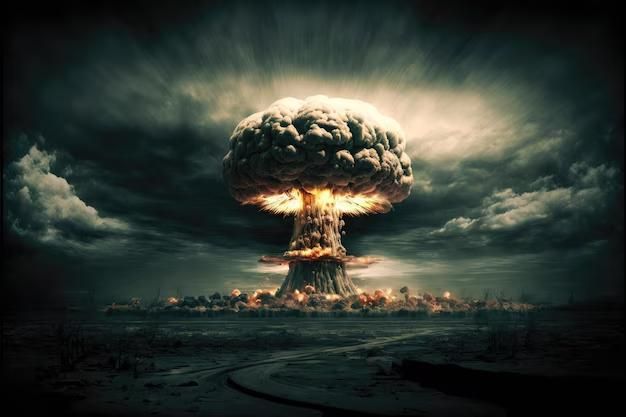
The tasks ahead are difficult. They
require a fundamental rethinking of how to manage economies, businesses,
and investments. But if leaders are capable of rising to the challenge - and
they should be, bolstered by the coming diffusion of exciting innovations -
the world can do more than just navigate the storm. It can emerge stronger
and more prosperous than it was before. Is America Breaking the Global
Economy? What
an Age of Economic Uncertainty Will Mean for the World.

In a contested world, the United States must
be able to marshal both economic sticks and economic carrots. The first
step is to articulate a doctrine for how, when, and why coercive tools are
used. The second is to build the institutional muscle to deploy them with
foresight. The third - and perhaps most vital - is to ensure that U.S.
economic power is not guided by brute force but instead reflects a
principled ambition to advance resilience at home, opportunity abroad, and
innovations that shape a freer and secure world. The Right Way to Wield
America’s Economic Power Without Statecraft, Even the Most Powerful Tools
Will Be Self-Defeating.

Taking ownership of a renewed global push
to recognize the state of Palestine and make it a reality on the ground
would be the kind of dramatic reversal that perhaps only a leader as
unconstrained by traditional political considerations and as personally mercurial
as Trump could pull off. It’s unlikely to happen. And it would not alone be
enough. But recognizing Palestine and forcing an end to the war in Gaza
represents Trump’s best path to forging a new nuclear agreement with Iran,
consolidating U.S. partnerships in the Gulf, and proving that he really can
do better on foreign policy than his predecessors did. The Promise and
Peril of Recognizing Palestine: Can a Two-State Solution Still Emerge From
a One-State Reality?
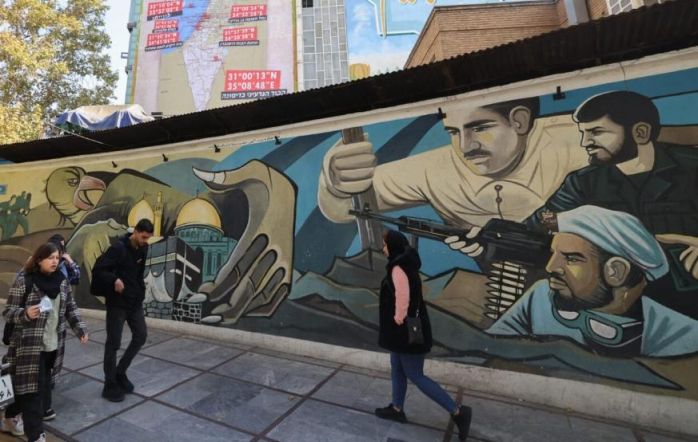
|
NATO Secretary General Mark Rutte met
U.S. President Donald Trump at the White House on 14 July 2025 to advance
critical efforts in support of Ukraine’s defense against Russian
aggression. Speaking to the press in the Oval Office, Rutte hailed
President Trump’s pivotal decision to ensure Ukraine receives essential
military resources, with NATO coordinating the effort with funding from Allies
in Europe and Canada. The EU’s 27 Governments Have To Unanimously Approve the
Plan.
Trump has thus ended, or at least paused,
the U.S. policy of strategic altruism. If successive U.S. leaders refrained
from asking, “What can India do for us?” the current administration is
shouting this question from the rooftops. Indeed, it is instructive that the
administration has conditioned a broader dialogue with New Delhi on India
acceding to several key demands. How India Can Placate America In a Reversal,
It’s Time for New Delhi to Be Generous With Washington.
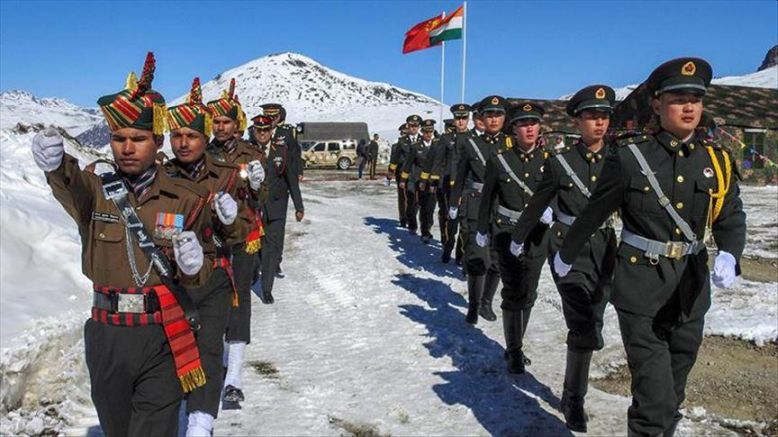
Within Russia, Putin has many options. He
commands the infrastructure for mass mobilization, including the security services
and the state-controlled media. He could enact a ruthless, ideological
conscription campaign with harsh punishments for those unwilling to enlist.
If Putin has so far refrained from traveling down this path, it is not
because he is unwilling to deploy coercive power in Russia but because he
is hesitant to destroy the calm that he has so painstakingly fashioned.
Were he to abandon that equilibrium, Putin would end up waging a fanatic’s
war in Ukraine, dragging Russia further in and wreaking ever greater havoc
on the Ukrainian people. The Limits of Putin’s Balancing Act; What the
Kremlin Will Sacrifice in Pursuit of Victory in Ukraine.
After the "CryptoQueen" was
knocked off the throne, a big question mark now remains. Will their
possible heirs to the throne soon be put on the blockchain? A Currency, She Says, Will
One Day Replace Bitcoin.

Inside Elon Musk’s plan to rain SpaceX’s
rocket debris over Hawaii’s pristine waters. Texas has long been under
threat from the launches and explosions of SpaceX rockets. Now, Hawaii Is Emerging
As Another Possible Victim.

In a world of weaker nuclear deterrence,
governments must take deliberate steps to de-escalate tensions. Otherwise,
each new border clash or drone strike could spark a disaster. The fact that
the conflicts of the past two months did not spiral into protracted,
large-scale wars is no guarantee that the next outbreak of violence will
end similarly. Nuclear Powers, Conventional Wars: The Dangerous
Erosion of Deterrence.
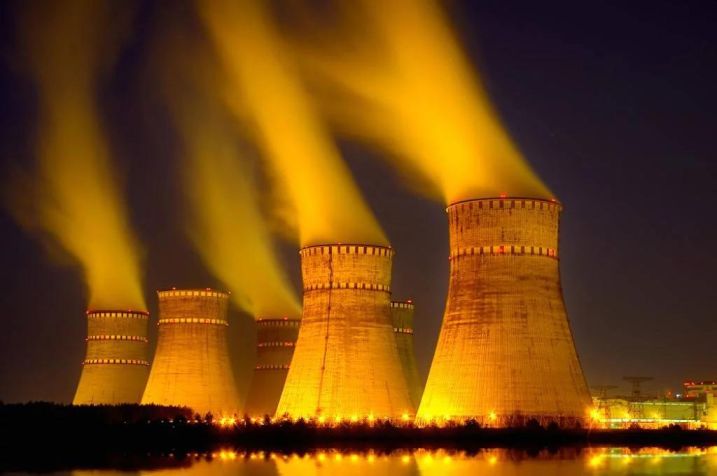
China's military actions in Korea, India,
and Vietnam represent the largest uses of armed force that the PLA has
undertaken since the founding of the People’s Republic. In all three cases,
political calculations trumped military readiness and favorable domestic
conditions. Chinese leaders viewed these operations as conflicts of
necessity, not choice or opportunity. If the recent purges harm the PLA’s
readiness and reflect Xi’s confidence in the PLA, then opportunistic uses
of force may be less likely in the near to medium term. But if Xi views
military action against Taiwan as necessary, he will still order the PLA
into battle. Is China’s Military Ready for War?
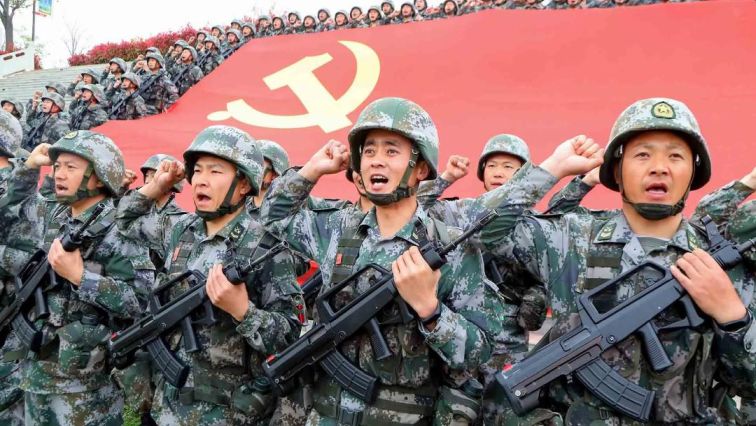
Bolsonaro's lawyers in a statement expressed
"surprise and indignation" at what they called "severe
precautionary measures imposed against him," adding that Bolsonaro has
so far complied with court orders. Supreme Court Orders Brazil’s Bolsonaro To Wear Ankle
Monitor.

The World Is Entering a Dark New Era of
Hydroterrorism. International Institutions Need To Start Treating Water as
a National Security Flashpoint.
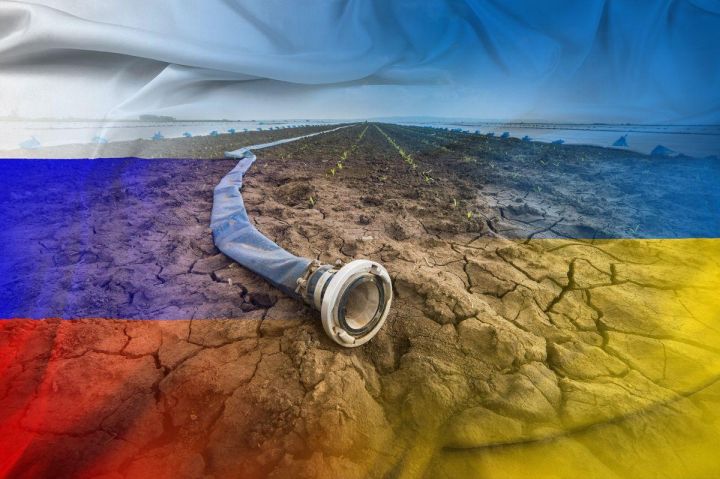
Smog In Grand Canyon National Park Due To
Nearby Wildfires:


|
|
See articles:
  
|
|
The Response
Should Help Hamas and Israel Facilitate Reaching a Deal. Putin Wants To Grind Down Their Smaller Neighbor’s
Forces and Equipment and Sap Support Both Among Ukrainian Civilians and in
the West. The Dalai Lama Said He Would
Reincarnate As the Leader of the Faith Upon His Death. Elon Musk and the
Far-Right German Political Party With Ties To Neo-Nazis. AI and the Trust Revolution: How Technology Is
Transforming Human Connections. Ukraine’s
Drone Revolution and What America Should Learn From It. It Might Be Interested In a Deal, In Other Words, In
Case Its Luck Runs Out. The Islamic Republic’s
New Lease on Life: How the U.S.-Israeli Strikes Empowered the Iranian
Regime.
|
Elon Musk's
Grok Chatbot Goes Full Nazi, Calls Itself ‘MechaHitler.' But We Have Seen
This Before. American Gun Violence Goes
Global: How Its Spread Is Distorting and Diminishing U.S. Soft Power. The Real AI Race America Needs More Than Innovation to
Compete With China. UN Officials Have
Expressed Frustration Over the Situation.
The Sordid
History of Offshoring Migrants: Trump Is Only the Latest to Embrace a
Costly and Immoral Tactic. How Russia Could
Exploit a Vacuum in Europe: The Dangers of a Rapid Drawdown in American
Forces. Georgia’s Warning for Ukraine: A
Cease-Fire Alone Would Hardly End Russia’s Quest for Dominance.
|
|
See articles:
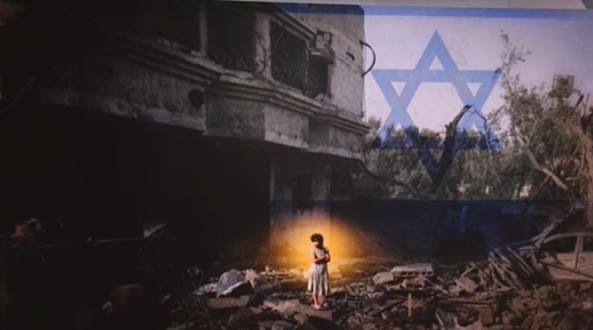  
|
|
Rebuffing Trump.
Strategies of Prioritization: American
Foreign Policy After Primacy. Iran Was a
Decision and a Few Weeks Away From Nuclear Weapons. But Unlike Gaza 2023,
Israel Had Been Watching. To Compete Like
China, America Should Build Like China. Ukraine
Can Still Win. Western Half Measures Have Prolonged the War, but Decisive
Action Now Could End It. Hear No Evil. Tibetan Buddhism’s Spiritual Leader Made the Declaration
on Wednesday in a Video Message to Religious Elders Gathering in
Dharamshala, India. ..Hamas..
|
The End of the
Age of NGOs? How Civil Society Lost Its Post–Cold War Power. But Now We Know More About Who Their Ancestors
Were.
The U.S. and
Chinese Economies Have Been Deeply Intertwined Ever Since. Switzerland’s Intelligence Service Said
Wednesday That Iranian Espionage Posed a Growing Threat to Swiss Diplomats.
It Should Seize the Moment. But Its Deterrence May Deteriorate at the Hands of
Adversaries Who Believe They Can Bleed U.S. Resolve. Inside Russia’s Suspected Spy Activities in Sweden.
|
|
See articles:
 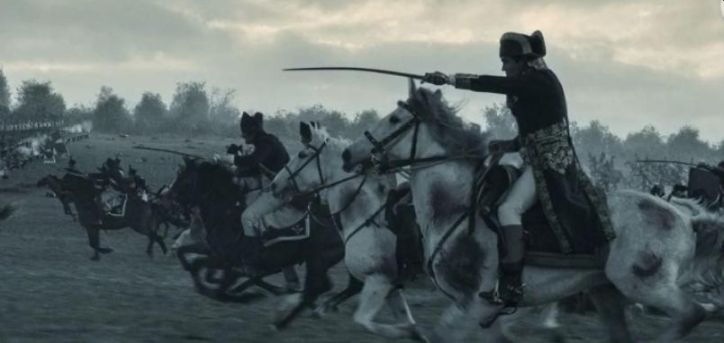 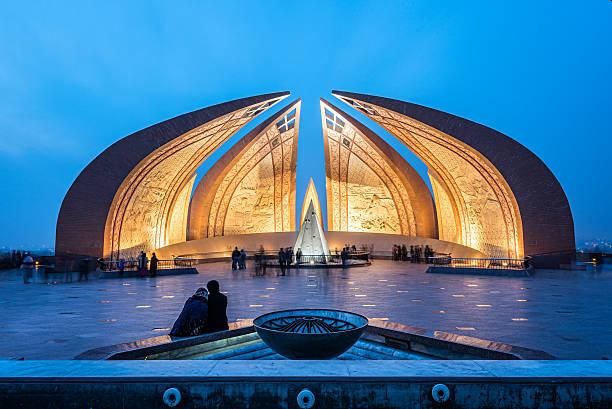
|
|
US-Iran War
Today. What We Know About the US Strikes on
Three Iranian Nuclear Sites. Disposable
Nation: America in a Post-American World. A
Preliminary U.S. Intelligence Assessment Determined that U.S. Strikes on Iran's
Nuclear Facilities Only Set Its Nuclear Program Back by a Matter of Months.
How to Survive the New Nuclear Age: National
Security in a World of Proliferating Risks and Eroding Constraints. Beware the Europe You Wish For: The Downsides and
Dangers of Allied Independence. ..saying the
Islamic Republic’s nuclear facilities were “totally obliterated.” Few People in Iran Think That the
Ceasefire Brokered on Monday Will Last. Inside the
NATO Charm Offensive That Shocked As Much As It Delivered.
|
Pakistan
Finds Itself in Awkward Diplomatic Position. What
We Can Learn from Satellite Images of US Strikes on Iran. Ukraine’s drone attack against Russian
airfields was audacious and daring. But most of all, it was meticulously planned
and flawlessly executed. This Could Lead
Washington to Officially Classify It as a Nuclear Adversary.
Might Unmakes Right:
The Catastrophic Collapse of Norms Against the Use of Force. The EU Needs a More Assertive Plan for the
Israeli-Palestinian Conflict. Europe’s Bad
Nuclear Options and Why They May Be the Only Path to Security. American Strategy and the Delusion
of a Post-Trump Restoration.
|
|

See articles:
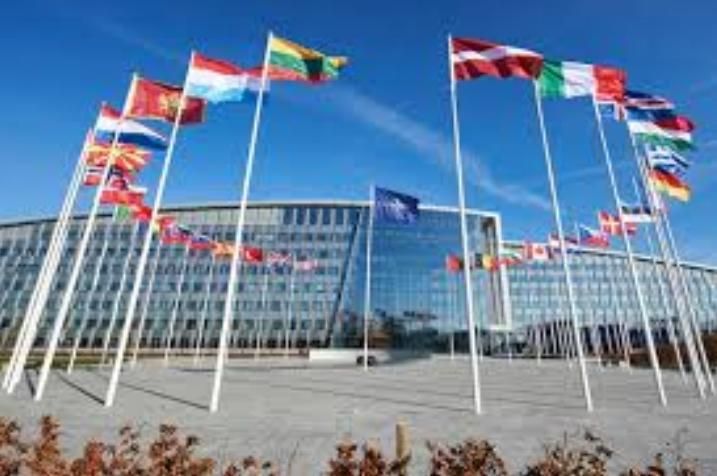 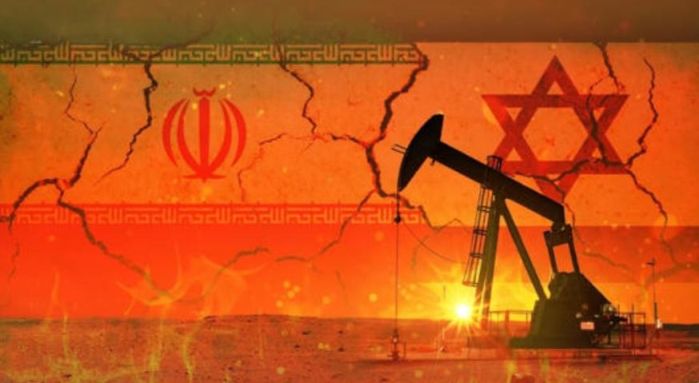 
|
|
Netanyahu
Says Israel's Strikes On Iran Will Last Until the Threats Are Removed From
It. India’s Great-Power Delusions: How New
Delhi’s Grand Strategy Thwarts Its Grand Ambitions...Israel and its attackers... How to Make NATO More European: The Supreme Allied
Commander for Europe Should Also Be From Europe. How Iran Lost Tehran’s Hard-Liners Squandered
Decades of Strategic Capital and Undermined Deterrence. A Last Chance at Middle East Peace: Arab States May
Be the Key to Stopping the Israel-Iran War.
Why Putin Still Fights The Kremlin
Will End Its War in Ukraine Only When It Knows that Victory Is Impossible.
Senior US Officials Are Preparing for the
Possibility of a Strike on Iran in the Coming Days. ..extensively
damaged ….Iranian
state media reports.. Arak heavy
water reactor.. ..Natanz
facility.. ..writes
Hugo Bachega.. ..approved
plans to attack Iran.. A Staff Member Walks Along a Damaged Area at
the Soroka Hospital Complex after It Was Hit by a Missile in Beer Sheva,
Israel, on Thursday.
|
Close NATO’s Door
to Ukraine. Years of Empty Promises Have Not Helped Kyiv or Fostered Peace.
The Right Path to Regime Change in Iran: How
America and Israel Can Create the Conditions for the Toppling of the
Islamic Republic. The US is on the Verge of
Catastrophe in the Middle East. U.S. Intervention in Iran Would Be a
Terrible Gamble. The Israel Defense
Forces Said They Had Attacked Ballistic Missile Storage and Launch Sites in
Western Iran. US President Donald Trump Announced
Early Sunday that the US Had Carried Out a “Successful Attack” on the
Fordo, Natanz, and Isfahan Nuclear Sites in Iran. America’s War With Iran: What Comes
After U.S. Strikes. Overview Of
What Defense Systems Israel Has In Place. Details
About US Strikes on Iran. The Aftermath Could Be Far Messier. The Perils of Middle East Triumphalism: Iran, Israel,
and the Ghosts of History. Is 'Regime Change'
Likely? Xi Jinping’s Costly
Inheritance: How His Father’s Travails Defined China’s Leader, and the
Country He Rules.
|
|
See articles:
  
|
|
The
Countries Are Waging a Narrative Battle on the Global Stage In The Wake Of
Their Latest Military Conflict. The US and Israel Follow the Same Old Script:
Trump Restrains Netanyahu’s Regional Ambitions, but Gives Him a Free Hand
With the Palestinians. The Two Chinese Nationals Have Been
Charged With Conspiracy and Smuggling After Attempting To Bring a Toxic
Fungus That Is A “Dangerous Biological Pathogen” Into the United States.
The Abu Shabab Militia. How
Japan - and Other U.S. Allies - Can Work Around America a Plan to Survive
Trump’s Trade War. America’s Allies Must Save Themselves: How
to Pick Up the Pieces of the World Order Trump Is Breaking. Ukraine’s Shock Drone Strike On Russia’s
Strategic Bomber Fleet. Chaos in Los
Angeles. The Hole in Mexico’s Security
Strategy: Can Sheinbaum Take on Cartels and Corruption Without Losing
Control? The Right Way to Build a New
Global Economic Order. America’s Brexit
Phase, Trump’s Tariffs, and the Price of Economic Uncertainty. How Arab Public Opinion Constrains Normalization
With Israel. Now, There Is a Second Such
Case.
The
Downsides of Energy Independence. Assurances
That the Administration Would Focus On Dangerous Criminals Never Squared With
Trump’s Promise of Mass Deportations.
|
Deploying Marines
to Los Angeles Is Not Only Illegal, It Is Bad For the Relationship Between
the American People and the Military...crashed....its tail....passenger
survived.. It is expected that Israel will soon strike Iran...in a state
of emergency.. What If China Wins the AI Race? The Real Threat From Iran: Tehran’s Most
Dangerous Option for Responding to Israel. The IDF Says It Carried Out Strikes On
Nuclear Sites and Says Revolutionary Guard Chief Hossein Salami and Other
Commanders Have Been Killed. How War
Between Iran and Israel Could Escalate, and Drag the United States In. Can Israel Destroy Iran’s Nuclear
Program? What It Will Take to Block Tehran’s Path to the Bomb. Tehran Will Burn. Overview Of What Defense Systems Israel Has In
Place. The Pacific Curfew Threatened To Escalate
Clashes Between Law Enforcement Officials and Protesters in Downtown Los
Angeles. Imperial President at Home,
Emperor Abroad: American Foreign Policy in an Age of Unrestrained Executive
Power. The Israel-Iran War Is Just Beginning.
Prime Minister Benjamin Netanyahu Has Announced That Israel Will Continue
Strikes For "As Many Days As It Takes." Then Trump Would Either Have To Accept a
Nuclear Iran or Join Another Israeli Assault on the Country, Risking
Precisely the Kind of Catastrophic Middle East Entanglement He Promised To
Avoid.
|
|
See articles:
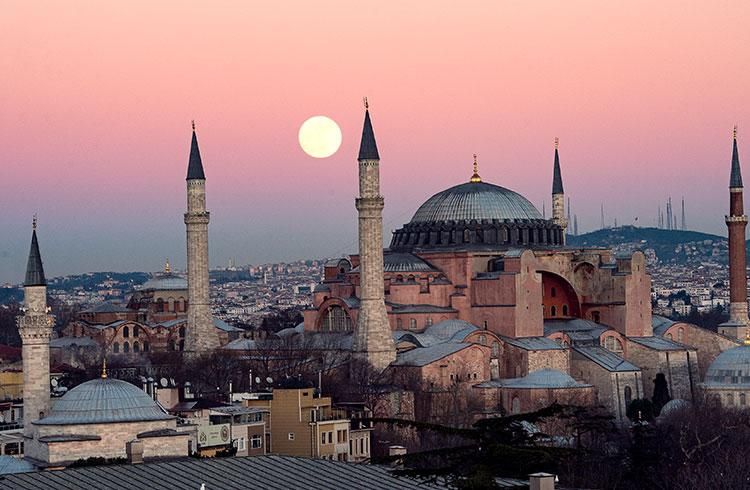  
|
|
How the
Turkish Leader Has Engineered His Own Undoing. Kim
Jong Un Might Now Be Winning. Prime
Minister Shehbaz Sharif Emphasized the Need for Talks.
The War on
Trees: How Illegal Logging Funds Cartels, Terrorists, and Rogue Regimes.
The United States Has Witnessed a Surge
in Anti-Semitic Attacks in Recent Months. What
Gazans Want.
|
How Ukraine Carried
Out Daring 'Spider Web' Attack on Russian Bombers and Destroyed the Bridge
Connecting Russia to Crimea with Underwater Explosives. How Politics and Ideology Are Sidelining
National Security and Creating a Forever War. How
Lee Jae-myung Can Push Trump and Kim Back to Real Diplomacy. Putin’s Pressure Point: Congress Should
Wield Oil Sanctions to Force Russia to Negotiate.
|
|
See articles:
 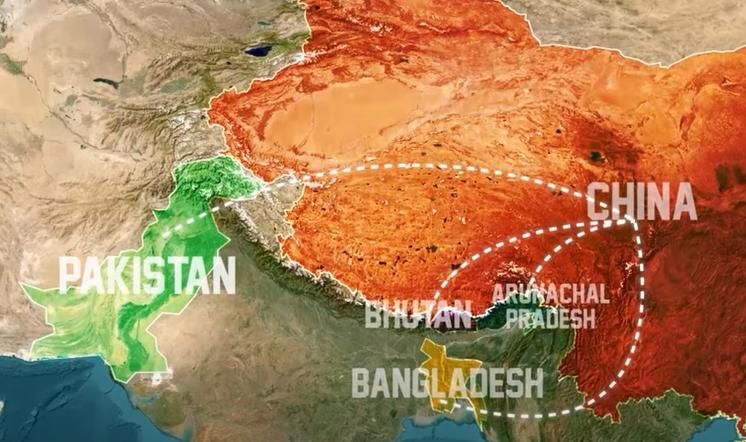 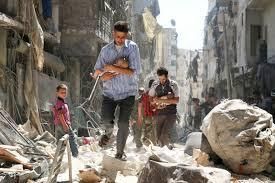
|
|
The End of
Extended Deterrence in Asia?..Dr. Phil had something
to say about it. Why America’s Currency Can
Survive Trump’s Wrecking Ball. The Next
War Between India and Pakistan.…and
Europe is on its own. From Pamalgam
to the Balochistan Conundrum...Further
to our previous article…reported to have said...The Indus Waters Treaty.
Balochistan’s Shadow War. How a Delayed Peace With Armenia Endangers a
New Regional Order. What Washington Needs
From Nuclear Negotiations With Tehran. At This
Time, the Philippines is Open To More Agreements With China To Keep Peace
in the South China Sea.
|
The Case
for a Pacific Defense Pact. Can Syria Be
Saved? Shashi Tharoor's Delegation. 'Wedding Bomb' Murderer Gets Life Sentence in India.
And China Will Reap the Benefits. Get Ready for a Big, Bold, and Very Bad North Korea
Deal. Trump Wants a Win, and Kim Has More Leverage Than Ever. Saifullah Kasuri, a Top Lashkar-E-Taiba Commander
and the Alleged Mastermind Behind the Recent Terror Attack in Pahalgam.
Trump and the Troubled History of Atempting to
Going Back in Time (by Turning the Clock). The
Delusions of Peacemaking in Ukraine Kyiv Won’t Compromise on Its Sovereignty
Because It Isn’t Facing Defeat.
|
|
See articles:
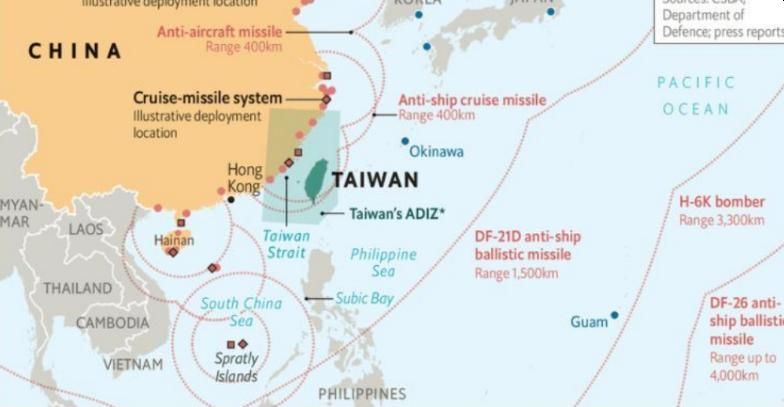 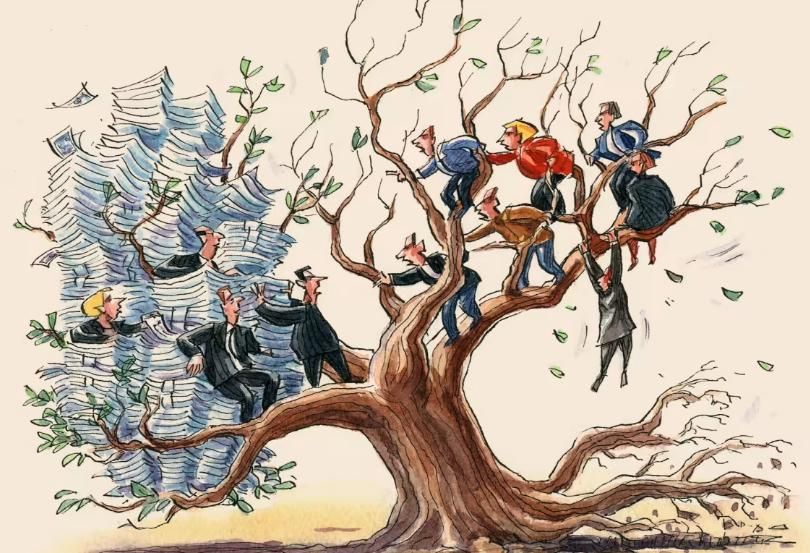 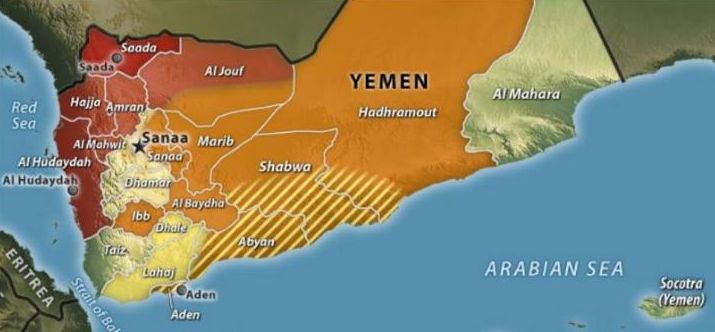
|
|
On 16
May, Israel Says It Has Launched Strikes on Yemen. The Good, the Bad, and the Ugly. Western Societies Are Growing More Equal, Not Less.
The TTP Investigation…1
million Palestinians from Gaza to Libya. Is China the
Winner in the India-Pakistan Conflict? Comment.
Scientists Are in
a Race to Discover Why Our Universe Exists. The Taiwan Tightrope Deterrence Is a Balancing
Act. Moscow Will Seek to Avoid a Full-On War and
Focus on Breaking the Bloc’s Resolve.
|
The New Price of
Statehood. Woman Pretends to Offer Canines Loving
Home, Slaughters Them, Then Posts Videos Online of ‘Perfect’ Dish for
‘Rainy Day with a Drink. Romania’s Postponed
Reckoning: A Re-Run Election Averted Autocracy but Left Democracy in Peril.
Make Moscow Pay: The Case for Seizing Russian
Assets to Fund Ukraine’s Defense. The
Attack Comes During a Fragile India-Pakistan Ceasefire. Gunman Kills Top Aides to Mexico City Mayor in Daylight
Attack. A Playbook for Industrial
Policy.
|
|
See articles:
 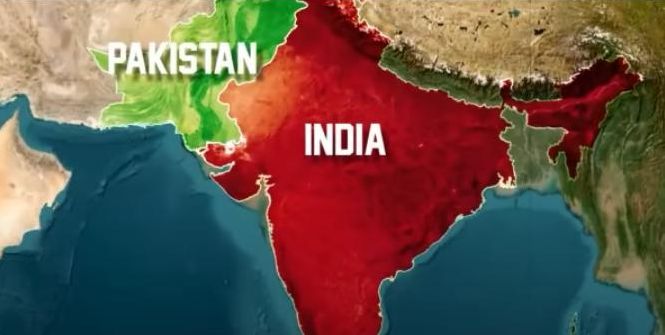 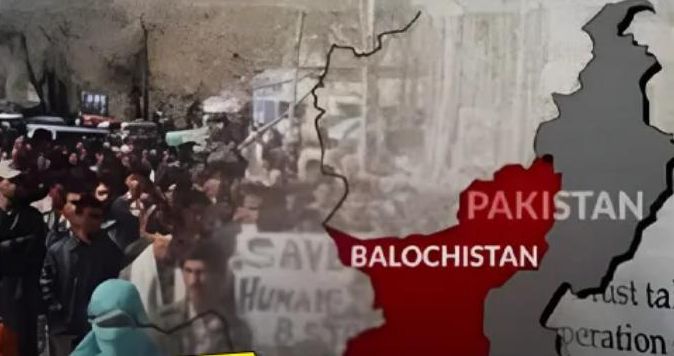
|
|
What Does
Trump Want in the Middle East? America’s Allies in the Region Wish They
Knew. We Hope That Sense Will Prevail.
The Technopolar Paradox. Is Trump Losing the Trade War Vs China? What Germany’s Economy Needs. When Trade Wars Become Shooting Wars. How The US Can Keep the Peace Between India
and Pakistan. Turkey’s Middle-Power Dilemma.
Beijing’s Worry About the Future Could Spur a
Deadly Miscalculation Soon.
|
The Truth of What
Happened Will Not Be Known Publicly. China
Retains Rare Earth Export Controls as a Bargaining Chip. Putin’s New Hermit Kingdom at War with the
West and Its Elites. Exposing the Fake Images
Generated in the Above Context.
Obfuscation By
Russia and Ukraine. The Pahalgam
Incident Was Used as a Distraction from the Fact that Balochistan Was Going
to Declare Independence. Haryana Travel
Blogger Jyoti Malhotra Linked to Pakistani Operatives.
|
|
See articles:
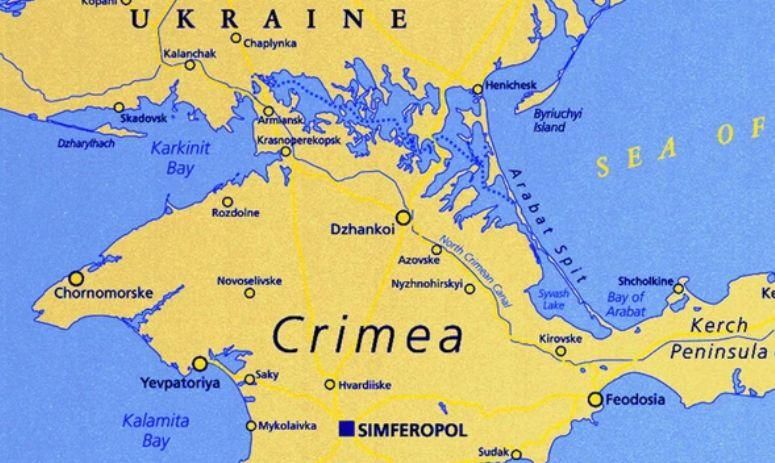 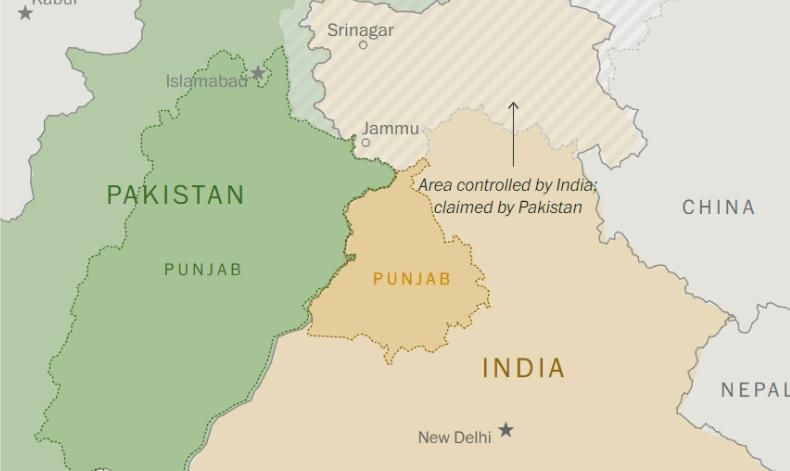 
|
|
Trump’s War
on Universities Could Kill U.S. Innovation.
The Coming
Clash Over Syria, Israel, and Turkey Is on a Collision Course. Americans Used to be Steadfast in Their Support for
Israel. Those Days Are Gone.
..article
posted on April 24..The India-Pakistan
War. This Is What Is Happening. We Are Still Fighting World War II: The
Unsettled Legacy of the Conflict That Shaped Today’s Politics. Why Peace Talks Fail in Ukraine. The India and Pakistan Stand Off. Russia’s False Euphoria. Today,
Israel Bombs Yemen’s Hodeidah Port after a Houthi Attack Near Tel Aviv
Airport.
|
Both
Countries Aimed Attacks at Each Other’s Territories Well Beyond Their
Disputed Kashmir Border. We
Genuinely Want Peace Without the Hegemony of Any One Country. The Likelihood of the Two Sides Reaching a
Comprehensive Deal Soon Remains Low...our earlier article.. India and Pakistan Edge Closer to War as
Nuclear-Armed Rivals Trade Strikes. However,
Cross-Border Firing from Pakistan Was Reported at Several Locations Along
the Jammu Border. Today's China as Borrowed from
The Cold War Era Identity. The Resurgence
of Europe: How the Continent Can Survive American Antagonism and Come Out
Stronger.
|
|
See articles:
 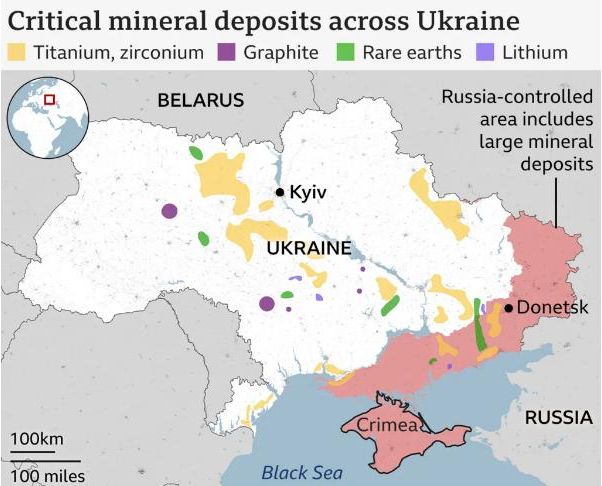 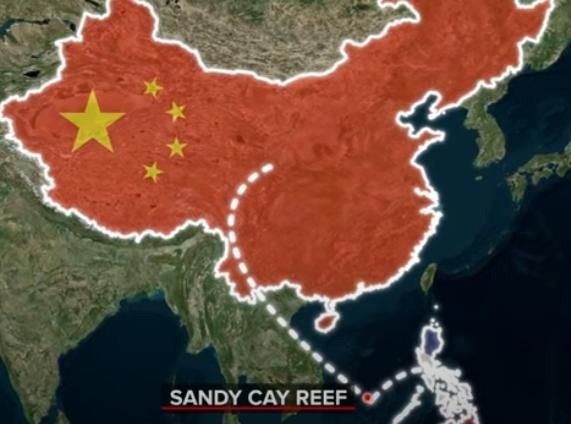
|
|
..covered by us..
Geography and the Construction of Today’s China.
China Is Still
Winning the Battle for 5G, and 6G America Must Do More to Compete with
Huawei.
The Biggest
Risk Might Be to the Rest of Europe. This
Could Be Potentially Significant.
The Tariff and
Trade Wars. Will China Escalate? Despite
Short-Term Stability, the Risk of Military Crisis Is Rising.
Trump,
Ukraine, and the Limits of Presidential Peacemaking.
|
..blasting
Germany.. Germany’s Equivalent of the FBI
Released a Statement Summing Up Their Investigation That Led to the New
Classification for the Eurosceptic AfD. Key
Tariff Loophole. That would be my number one
choice. Germany Defends Afd Extremist
Classification. Pakistan’s Military Launch
of the Abdali Weapon System. Why It Is
Unlikely That Pakistan Will Make a Move Towards Rapprochement. The End of the Global Aid Industry USAID’s Demise Is
an Opportunity to Prioritize Industrialization Over Charity. Europe Needs a New Way to Cooperate.
|
|
See articles:
 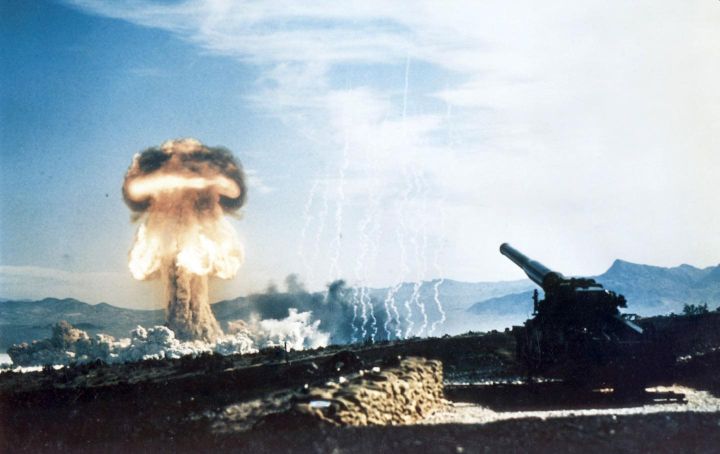 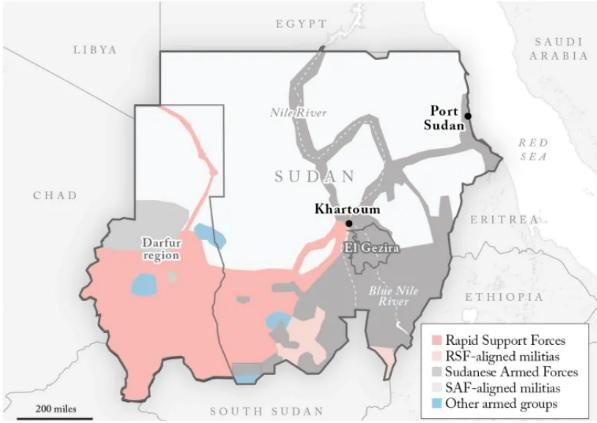
|
|
The Real Risk of
Escalation in Kashmir. The Return of
Great-Power Diplomacy. The Power of Denial.
The US is Falling Behind China and Russia
on Energy Innovation.
|
How China
Armed Itself for the Trade War. ..Pahalgam..
Will it Lead to War? Sudan Is Unraveling: Why War Is Likely to Once Again
Tear the Country Apart.
|
|
See articles:
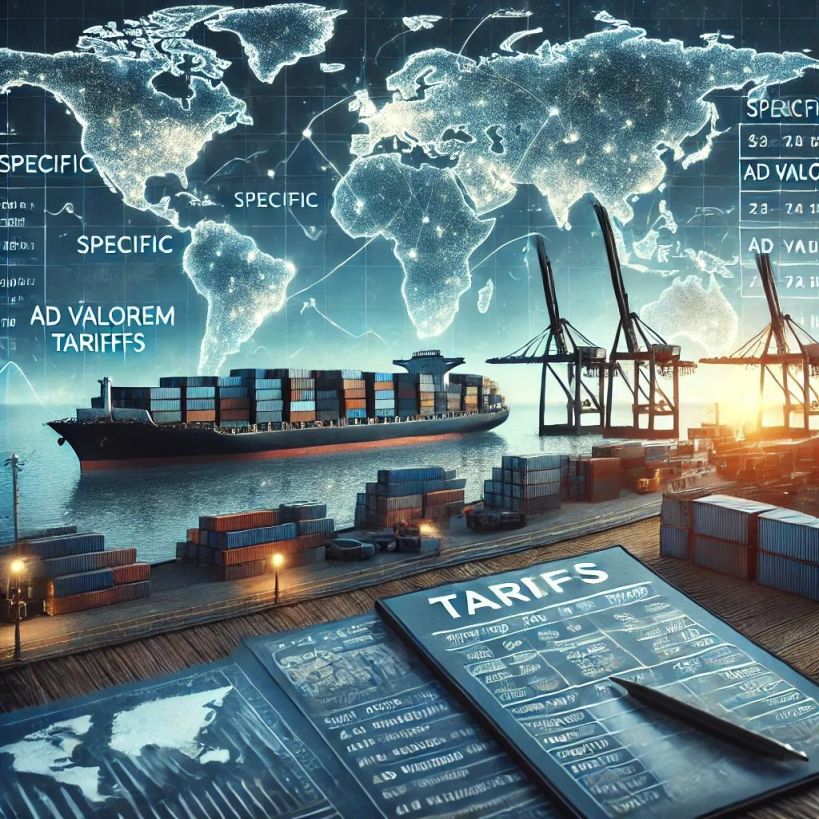 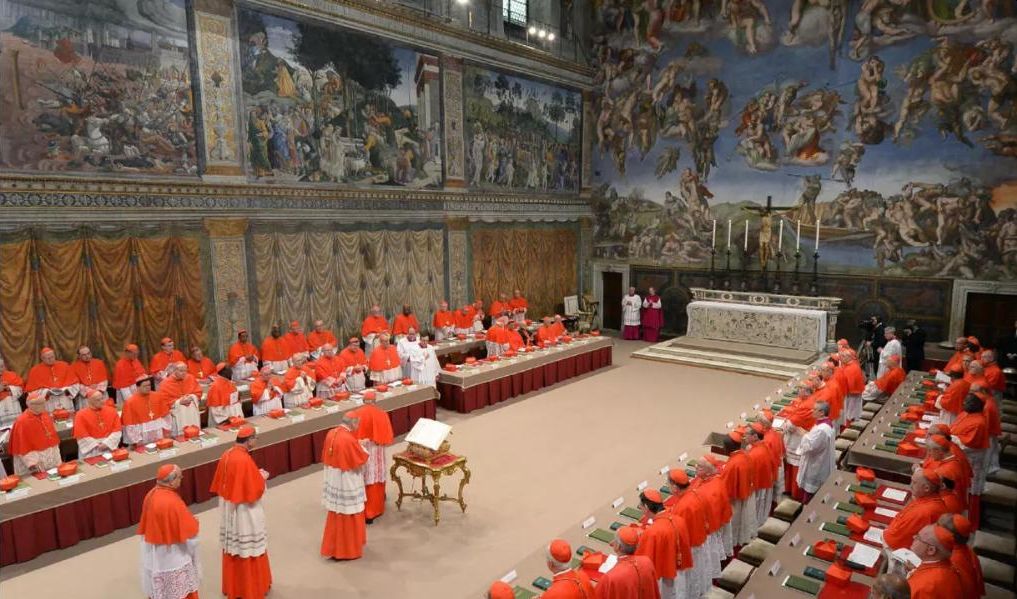
|
|
Israel’s Dangerous
Overreach in Syria.
The Once and
Future China. U.S. President Donald Trump is
Trashing the World Trade System over a Basic Economic Fallacy. How Tariffs Erode Democracy. The Pentagon Can’t Be Run Like a Business... reminiscent of the Oberoi Hotel
attack, but worse…The Pahalgam
Attack. Yesterday’s Economic Thinking Can’t
Solve Today’s Economic Problems.
|
The
Conventional Balance of Terror: America Needs a New Triad to Restore Its
Eroding Deterrence. ..Pahalgam Attack.
Security Forces Arrested Two Terrorist Associates.
Trump’s Current Proposal Favors Russia More Than
it Should. The Pope’s Foreign Policy;
How Francis Extended and Transformed the Vatican’s Global Reach.… that Yemeni factions…The Iran Backed Houthis Struck Back. Conclave. Civilian
Casualties Raise Alarm.
|
|
See articles:
|
|
Israel is
Still Eyeing a Limited Attack on Iran's Nuclear Facilities. The Heist in Paris. Unusual
Times for American Democracy. The Forever
Change of Climbing. He Sought to Overhaul
the Institution. The Trump Global Trading
System.
|
Europe Must Take
the Challenge: Secure its Future. Chinese
Economy Grows 5.4%, Surpassing Quarterly Forecasts. The Empty Arsenal of Democracy. Great Power Competition Returned. Reminiscent of the Oberoi Hotel Attack, but Worse.
|
|
See articles:
 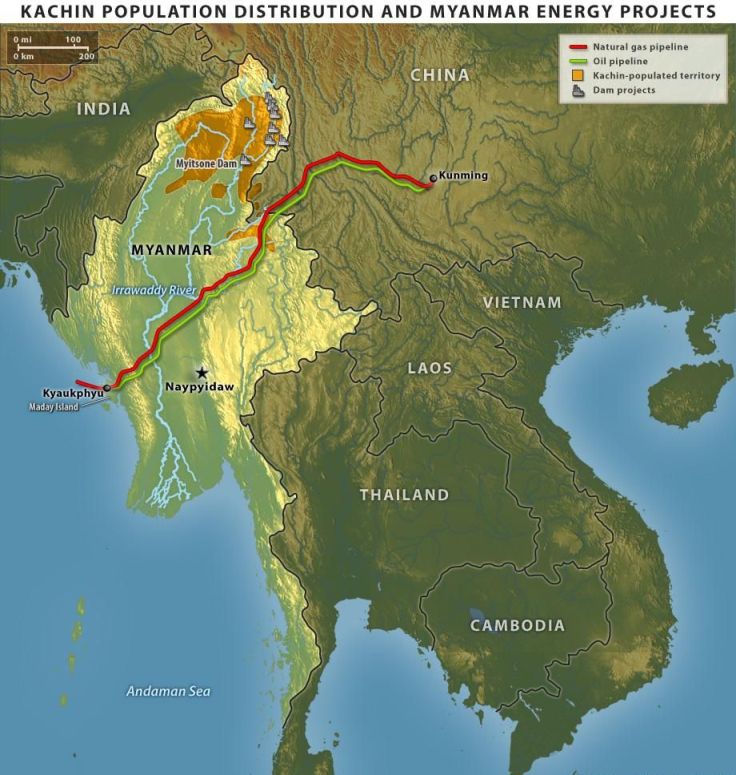 
|
|
The Age of
American Unilateralism. President Xi’s Asia
Tour.
Hence, the
Locals. China’s Double Game in Myanmar.
Moscow, the West, and Coexistence Without Illusion.
Meeting to Accuse the US of Bullying and
“Casting a Shadow over the Global Efforts for Peace and Development” by
Weaponizing Tariffs.
|
Yemeni
Factions, Alongside the UAE, are Looking to Utilize the US Air Campaign to
Mount a Ground Offensive Against the Houthis. The US District Court is Now Ordering an
Expedited Recovery. The Duplicity of the
Salvadorian President Nayib Bukele. AI Race
Winning Means Deploying, Not Just Developing, the Best Technology. A Deal or a War.
|
|
See articles:
|
|
Underestimating
China. Trade Wars are Easy to Lose. In Canada's Car Capital, Auto Workers Brace for the
Worst.
|
How Trump’s
Coercion Could Backfire in Asia. The Case
for Export-Control Diplomacy.
|
|
See articles:
  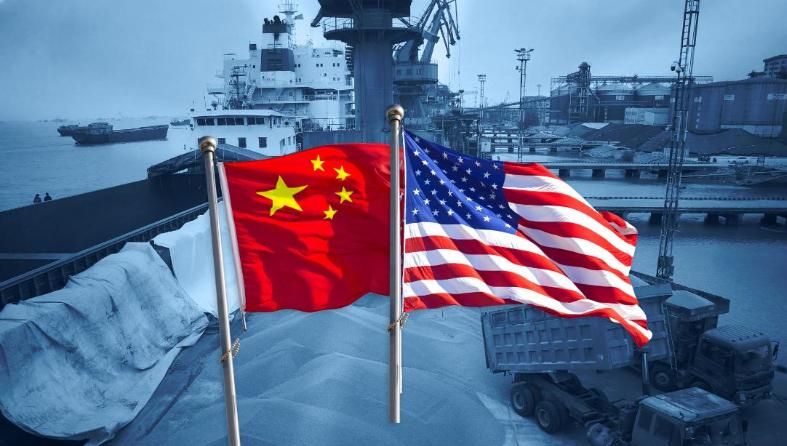
|
|
The
Economic Consequences of State Capture. The
Brewing Transatlantic Tech War.
China and
Russia Will Not Be Split. Underneath as Echo's
by Canada, Spain, Germany, Italy, Belgium, Poland and
the European Parliament. Trump Rages at
Far-Right Leader’s Guilty Verdict. Decline
Since the Onset of the Coronavirus Pandemic in March 2020.
China’s Great
Green March Across the Globe. One
Needs an Indian Ocean Strategy. Leaders
on Both Sides, and in America, Have Little Incentive to End It. Markets Today.
Taiwan Says It Is Open to Negotiations
With the U.S.
The
Dangerous New Civil-Military Bargain Trump’s Demands for Loyalty Will
Weaken the U.S. Armed Forces.
|
The World’s
Reserve Currency May Not Survive the Weaponization of U.S. Economic Power.
Revived the Dire Wolves after Sequencing the
Species' Genome.. Why Bombing the Houthis
Won’t Work. US Slams 104% Tariffs on
China.. The Other War on Palestinians. Why They Fight What’s at Stake in the Blame Game Over
Ukraine. Trump Tariffs Effect. Why the USA is Losing Many Billions of Dollars..
Underestimating China. The Evidence. LA Ballerina
Freed in US-Russia Prisoner Swap. The
Zeitenwende is Real. The Case for a
“Trump to Tehran” Strategy. America vs.
China. We Tell You Who She Is. Today's 'Tariff War'. Sudan Today. 2025 is an
Extremely Important Year for Accelerating Efforts to Achieve Them. Crossing the Atlantic for a Better Life.
|
|
See articles:
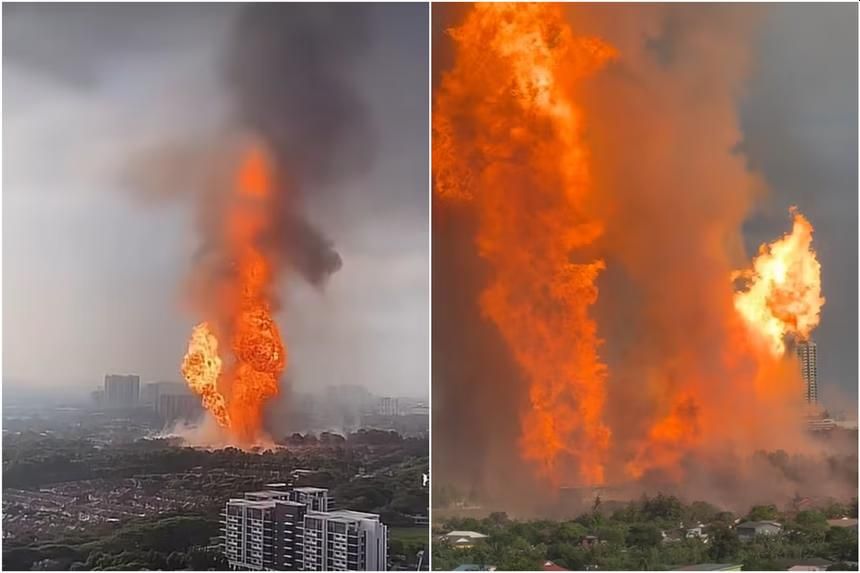 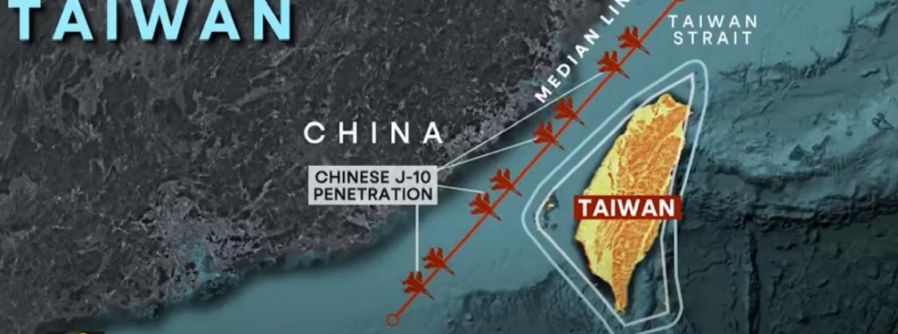 
|
|
Why the Western
Hemisphere is Turning Away from America and toward China.
Asia
Is Getting Dangerously Unbalanced. Potential
Flashpoint.
|
American
Power in the New Age of Nationalism. Day 2 of
Beijing Military Drills in Taiwan Strait Focuses on Blockade. The Narrow Path to a New Middle East. The Order of Malta?
|
|
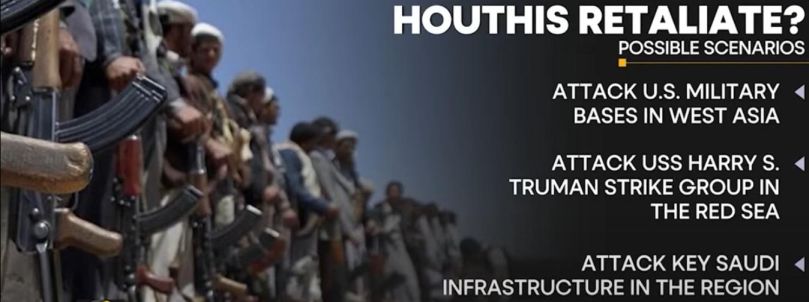
See articles:
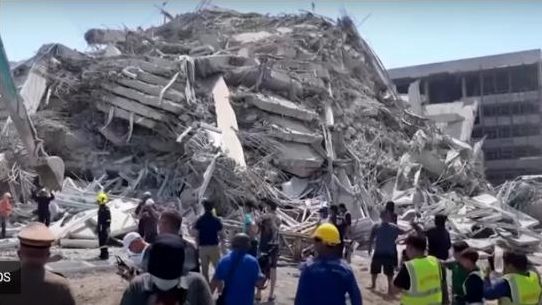 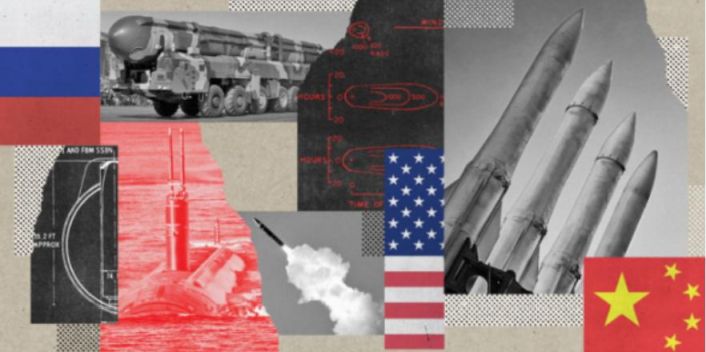 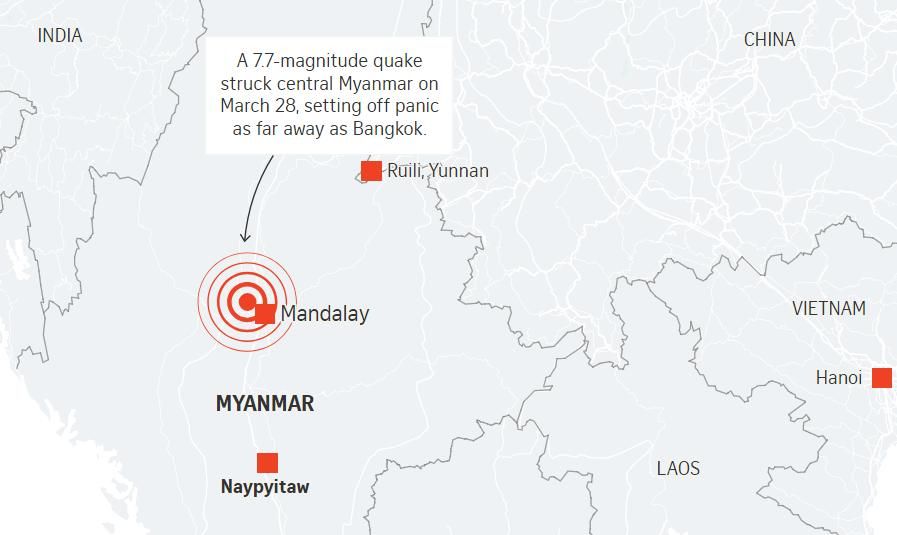
|
|
Bangkok Under
State of Emergency | 7.7 Magnitude Earthquake. Antisemitism, an Overview. After the Quake. What
Signalgate Tells Us. ASEAN Recognizes the Urgent
Need for Humanitarian Assistance for Myanmar.
|
Europe’s
Nuclear Trilemma. How to Save a
Democracy.
Europe Must
Avoid Becoming a Digital Colony. China’s
Campaign Against Taiwan.
|
|
See articles:
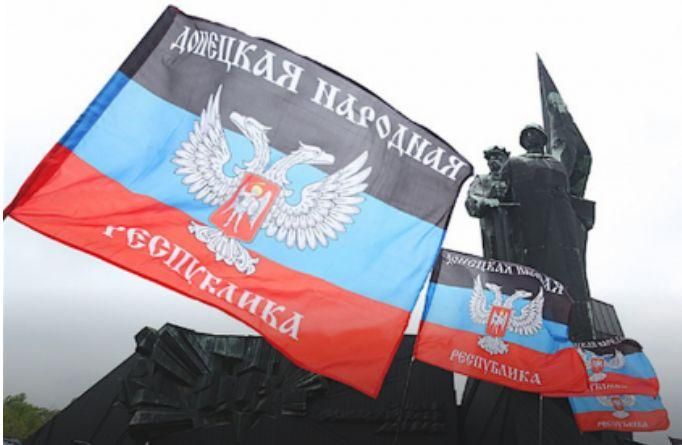  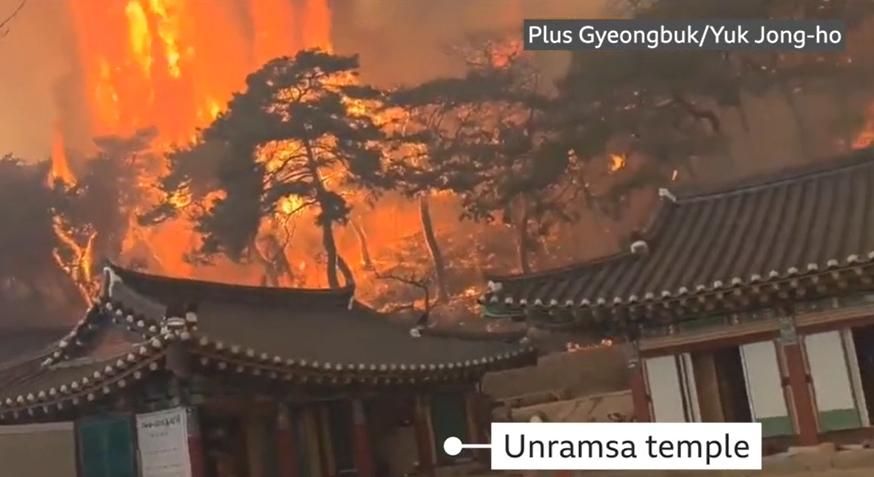
|
|
I.R.S. to Help Find Immigrants Targeted
for Deportation. …Houthi capabilities. The PRC Denied Exporting Drones or Military
Technologies to the Houthis. Growing
Public Dissent Could Hinder Israel’s Efforts. Europe’s
War in Ukraine. Geopolitical Flash Points,
from Nauru to Greenland. Jordan’s Looming
Crisis. China Has Already Remade the
International System. Italy’s Meloni and the
False Promise of Moderation.
|
Putin’s
Theories of Victory. China Sees Opportunity in
Trump’s Upheaval. The Perils of “Russia
First”: Appeasing Moscow Didn’t Work in the Past. The Japanese Military Has a People Problem When
Depopulation Becomes a National Security Risk. NATO Without America: How Europe Can Run an
Alliance Designed for U.S. Control. Signal
Group Chat Fiasco.
|
|
See articles:
 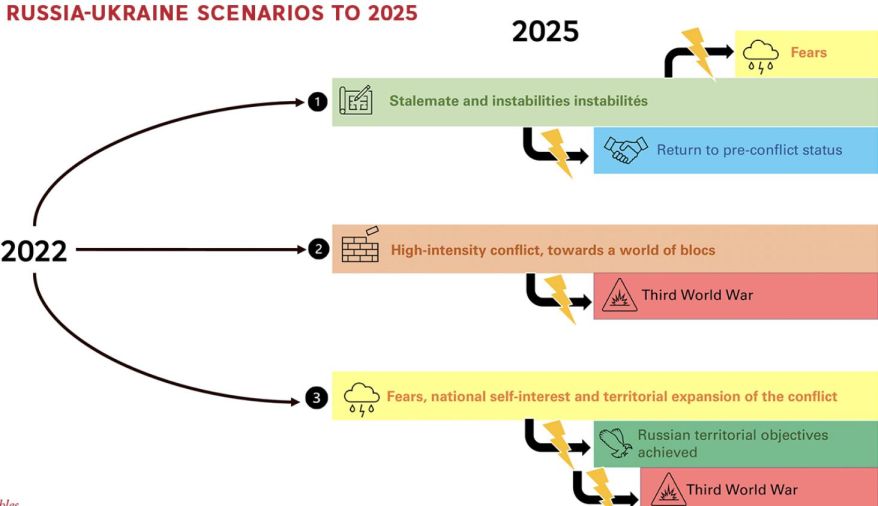 
|
|
The Return
of Spheres of Influence. The Key to
Ukraine’s Survival. Can Iran Save Itself?
The Fragile Axis of Upheaval. …Their Ambition to Destroy Israel Has Not
Disappeared. How to Match Ends and Means in
the Middle East. The Real Threat Posed by
Beijing’s Fast-Growing Navy.
|
Arsonist,
Killer, Saboteur, Spy While Trump Courts Him, Putin Is Escalating Russia’s
Hybrid War Against the West. Would
Americans Go to War Against China? Is This
Game Over for the Houthis?
Turkey Is
Now a Dictatorship. Conquest Is Back.
The Houthi
Situation.
|
|
|
|
The profound effects of the British Empire’s actions in the Arab
World during the First World War can be seen echoing through the history of
the 20th century. Several instances like the debates surrounding the
Sykes-Picot agreement have shaped the Middle East. But none was as
important as the machinations of Sharif Hussein Ibn Ali 1853-1931. The Making of the Middle East.
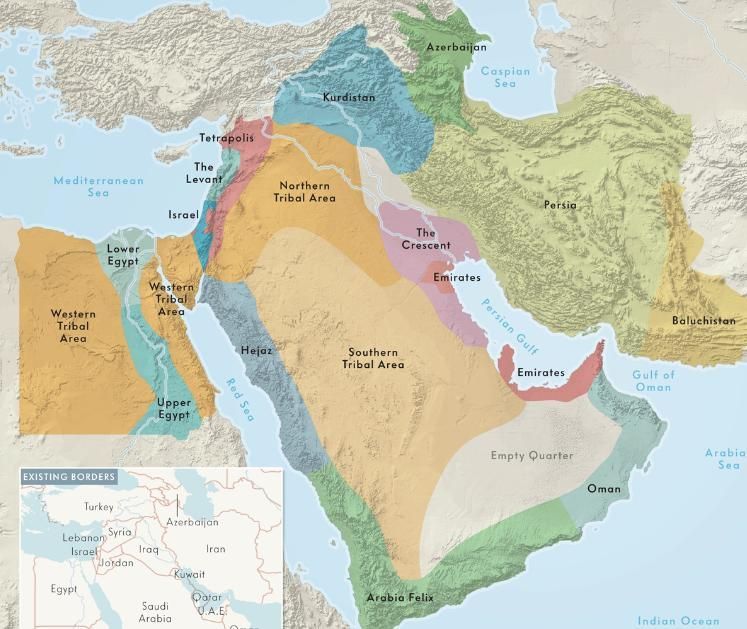
|
|
|
|
We are mapping the world’s urban
population, on the left, the year 2018 on the right is 2050.
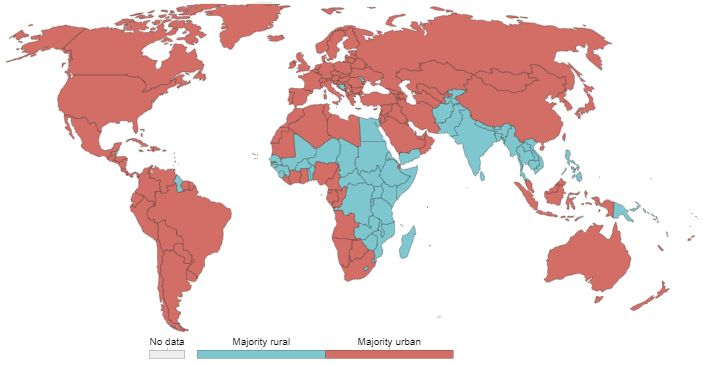 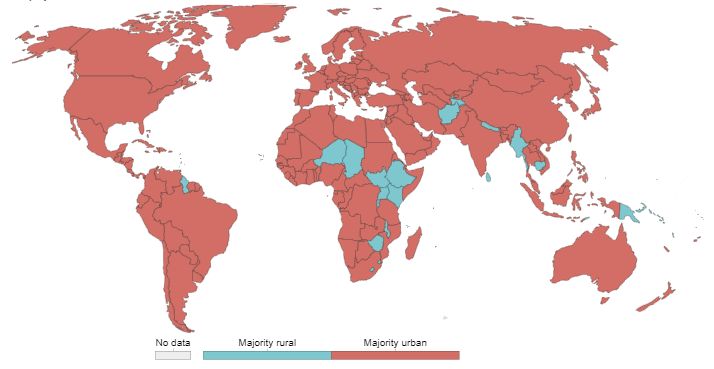
|
|


